.jpg)
14 min walk
Mettams Pool
- Must see
- Nature site
Language · 11 published
Nature site · Perth
Reviewed by Elena Voss · Roavina Travel Editor
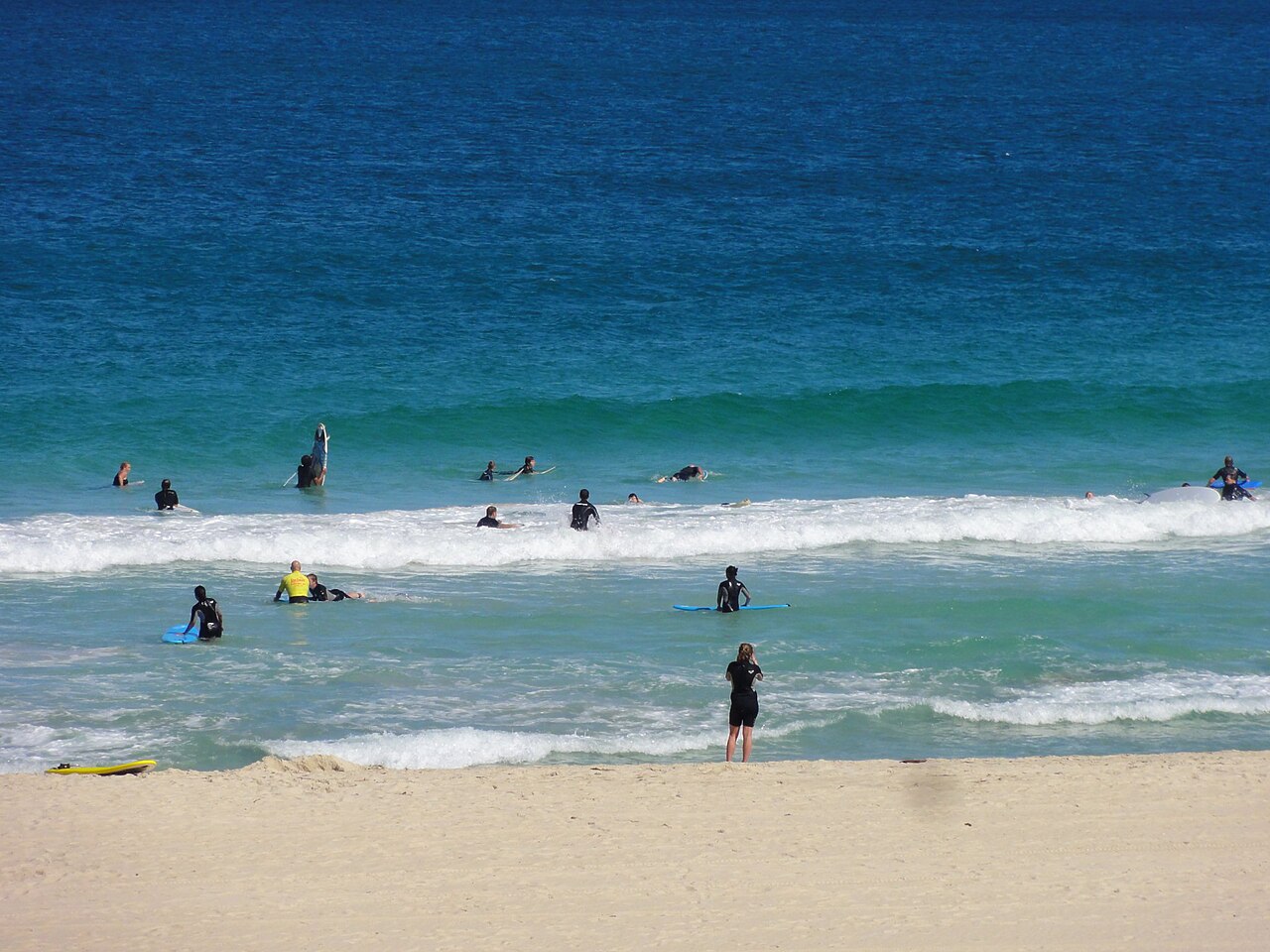
Trigg Beach is a northern Perth beach on the Indian Ocean, known for its sandy shore, exposed reef and surf breaks. It suits travellers seeking an active metropolitan coast: swimming, surfing, walking and watching waves all belong naturally here. The beach combines open water with a broader coastal recreation setting. Trigg Beach is a coastal beach located in the northern suburbs of Perth, Western Australia. It forms part of the metropolitan coastline along the Indian Ocean and is known for its exposed reef and surf breaks. The beach sits within a broader coastal recreation zone that attracts swimmers, surfers, and beachgoers from across the Perth metropolitan area. Trigg Beach suits swimming, surfing, shoreline walks, relaxing by the Indian Ocean and watching the exposed reef and surf breaks. One to three hours suits a normal beach visit. Surfers and travellers combining nearby northern beaches can make it a half-day coastal outing.
Checked 2026-08-26 · Source
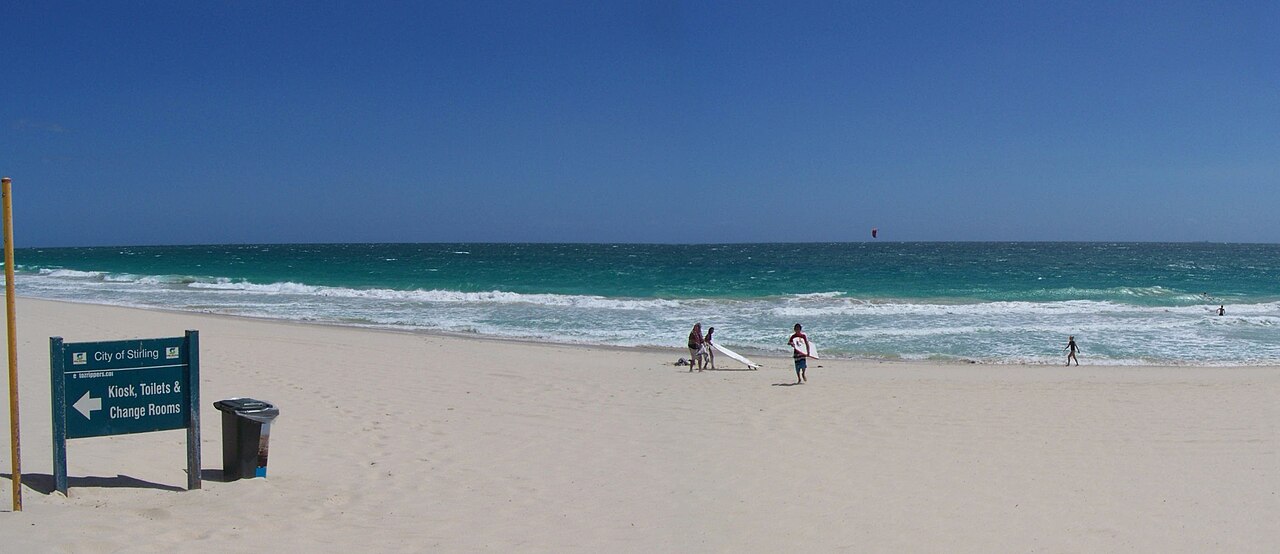
The shoreline brings together sand, rocky outcrops, nearshore reef and coastal reserve scenery. Wave shape changes with swell, tide and wind, giving the beach a different character from one visit to the next. Come prepared for a natural ocean environment rather than a controlled swimming pool, and spend time along the shore as well as in the water. The beach environment comprises sandy shoreline, rocky outcrops, and nearshore reef formations that create surf conditions. Adjacent coastal reserves and dune systems are typical of this stretch of coastline. Visitors should expect a natural coastal setting with variable conditions. Beach infrastructure may be subject to seasonal or operational changes not captured here.
Checked 2026-08-26 · Source
Allow one to three hours for a typical beach visit involving swimming, walking or relaxing by the water. Surfers may stay longer according to conditions. Trigg Beach also works as part of a half-day coastal route linking nearby northern beaches, especially for travellers who want scenery and outdoor activity in one outing. Visit duration depends entirely on individual activity choices and conditions on the day. Casual beach visits might span one to three hours for swimming, walking, or sun exposure. Surfing sessions typically extend longer, tide and swell dependent. Those combining Trigg Beach with other northern coastal destinations may allocate a half-day or full-day excursion. No guided tours or structured experiences are referenced in available materials. Visitors should monitor personal sun exposure, hydration needs, and changing weather conditions regardless of intended stay length. No minimum or recommended durations are specified by recorded sources.
Checked 2026-08-26 · Source
Morning often brings calmer conditions before afternoon coastal winds strengthen. Summer offers warmer air and water but usually greater demand for the shoreline. Spring and autumn can balance comfortable weather with a quieter feel. Winter brings cooler, wetter conditions and changing surf. Tide, swell, wind and your own tolerance should guide the final timing. Perth's Mediterranean climate delivers hot dry summers and mild wet winters, with coastal conditions moderated by sea breezes. Morning visits often provide calmer conditions before afternoon easterly winds strengthen. Surf quality varies with swell direction and tide. Personal tolerance for heat, UV exposure, and water temperature should guide timing decisions. No specific events or seasonal programmes are documented.
Checked 2026-08-26 · Source
Trigg Beach is public coastal space, so the beach experience is centred on access to the shore and ocean rather than a museum-style admission ticket. Budget separately for any transport, refreshments or equipment connected with the day. A simple visit needs beach clothing, water and sun protection more than advance arrangements.
Checked 2026-08-26 · Source
Trigg Beach is in the suburb of Trigg, roughly twenty kilometres north-west of Perth’s central business district. Road routes through the northern suburbs provide the main approach, while coastal cycling and walking routes connect the beach with nearby shoreline destinations. Use a current navigation map for the best route on the day.
Checked 2026-08-26 · Source
Exposed surf and reef create risks from rip currents, breaking waves, submerged rocks and slippery surfaces. Swim within marked safe areas when they are provided and match the conditions to your ability. Western Australian sun can be severe, so use shade, sunscreen, a hat and water. Rocky shoreline areas demand careful footing.
Checked 2026-08-26 · Source
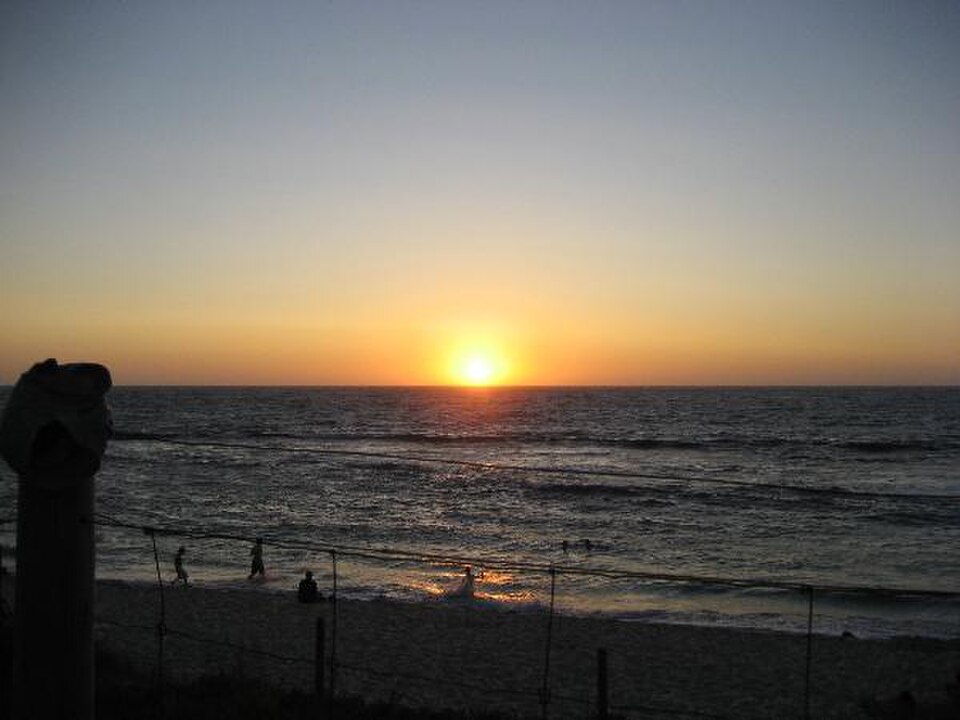
Trigg Beach offers surf, reef, sandy shoreline and Indian Ocean sunsets as dependable photographic themes. Low sunlight brings texture to waves and rocks, while changing tide alters the shape of the coast. Protect equipment from salt spray and sand. For action images, use a longer lens and watch the swell before choosing your position.
Checked 2026-08-26 · Source
Trigg Beach suits swimming, surfing, shoreline walks, relaxing by the Indian Ocean and watching the exposed reef and surf breaks.
One to three hours suits a normal beach visit. Surfers and travellers combining nearby northern beaches can make it a half-day coastal outing.
Trigg Beach is in Perth’s northern suburb of Trigg, approximately twenty kilometres north-west of the central business district.
Swell, tide, wind and exposure to surf and reef shape the experience. These conditions affect both swimming comfort and the safety of rocky shoreline areas.
Bring water, sun protection and clothing suited to ocean activity. Surfers and swimmers should also consider the changing effect of swell, tide and wind on the exposed coast.
Its exposed reef and surf breaks give the shoreline a more active ocean character, attracting surfers as well as visitors who come for swimming, walking and coastal scenery.
Loading the interactive map…
The interactive map could not be loaded.
Last updated:
Source: OpenStreetMap contributors, Wikidata ·