
45 min walk
Rottnest Island State Reserve
- Must see
- Nature site
Language · 11 published
Museum · Perth
Reviewed by Elena Voss · Roavina Travel Editor
This place is a Museum.
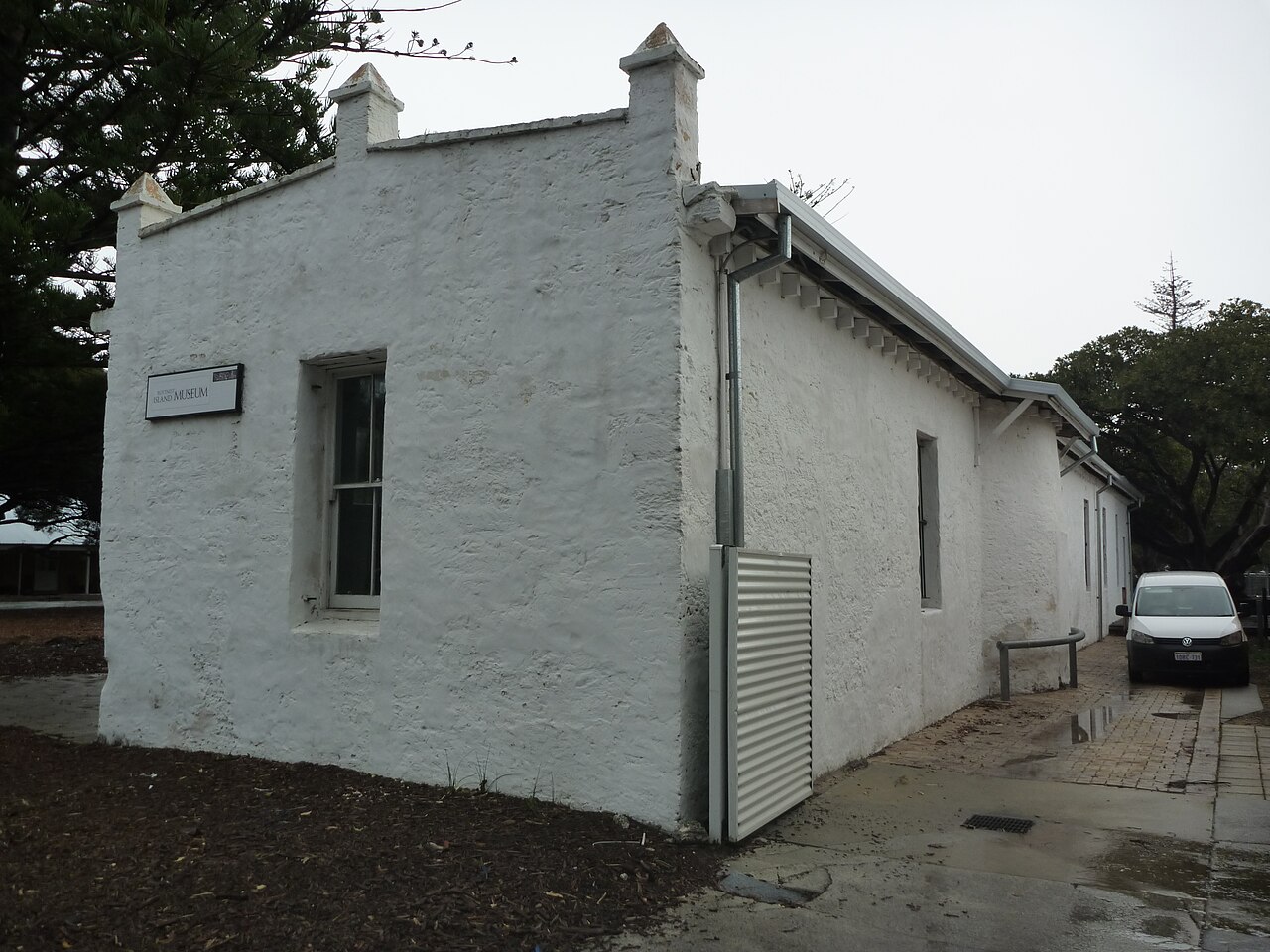
Wadjemup Museum is a cultural museum on Wadjemup / Rottnest Island, reached from Perth by ferry. It occupies a heritage building connected with the island’s former prison period. The museum places the island’s Aboriginal history, colonial history, maritime stories and present-day identity in one setting. Visit it as a thoughtful introduction to Wadjemup before exploring the wider island. Wadjemup Museum is a cultural institution on Wadjemup / Rottnest Island, located off the coast of Perth, Western Australia. The museum occupies a heritage building that has served various purposes throughout the island's complex history. Wadjemup is the Noongar name for Rottnest Island, and the museum presents itself as a site of historical significance and contemporary reconciliation efforts. The institution addresses the island's layered past, including its use as an Aboriginal prison and forced-labour camp during the nineteenth and early twentieth centuries, alongside its more recent identity as a recreational destination. The museum contains content regarding colonial violence and Aboriginal imprisonment that may require parental guidance. Families should assess age-appropriateness based on individual children's maturity.
Checked 2026-08-26 · Source
Inside, interpretation covers Aboriginal connection to Wadjemup, the period when the island was used as an Aboriginal prison and forced-labour camp, maritime history and the island’s quokkas. The displays are primarily interpretive, so reading and reflection matter as much as viewing objects. The building itself forms part of the experience: its heritage character connects the exhibits with the island’s difficult past. The museum contains exhibitions exploring the natural and cultural history of Wadjemup / Rottnest Island. Displays address Aboriginal connection to the island over many thousands of years, the period of colonial imprisonment and forced labour, maritime history, and the island's distinctive quokka population. The building itself contributes to the historical narrative, having been constructed during the prison era. Visitors should expect interpretive material rather than extensive object collections.
Checked 2026-08-26 · Source
Allow around thirty minutes to one hour inside the museum. A shorter visit gives you the main historical sequence, while a slower visit leaves time for the interpretive material and the emotional weight of the prison history. The museum works well as one stop within a full-day or multi-day island visit, alongside walking, coastal scenery and wildlife observation. Visitors typically allocate between thirty minutes and one hour for a visit to Wadjemup Museum, depending on individual engagement with interpretive panels and audiovisual content. Those with particular interest in Western Australian colonial history or Aboriginal heritage may wish to extend their stay. The museum forms one component of a broader island visit, with most travellers spending a full day or multiple days on Wadjemup / Rottnest Island.
Checked 2026-08-26 · Source
Summer brings warm conditions and the largest visitor numbers to Rottnest Island, while winter is generally quieter and cooler. Choose a time that leaves enough room for the ferry journey and for the museum within your island day. If you visit during a busy period, combine the museum with nearby Thomson Bay sights so indoor interpretation and outdoor exploration form a balanced itinerary.
Checked 2026-08-26 · Source
The museum visit forms part of a trip to Rottnest Island, so ferry travel from Perth or Fremantle is a central part of the overall cost. Island charges may also apply. Treat transport and admission as separate parts of the day’s planning, and leave room in your budget for the ferry connection as well as any island activities you add.
Checked 2026-08-26 · Source
Travel by ferry from Perth or Fremantle to Rottnest Island. From the main jetty, Wadjemup Museum is in the Thomson Bay settlement area and can be reached on foot. Bicycles are the main way many visitors travel beyond the settlement, but the museum’s central position makes it practical to visit before or after other nearby stops. Private vehicles are not permitted on the island.
Checked 2026-08-26 · Source
The museum presents painful subjects, including Aboriginal imprisonment, forced labour and deaths in custody. Give yourself time to engage with this material respectfully rather than treating the visit as a quick checklist stop. Outside, Rottnest Island can bring strong sun, limited shade and changing weather. Carry water and sun protection, and treat quokkas as wild animals by giving them space.
Checked 2026-08-26 · Source
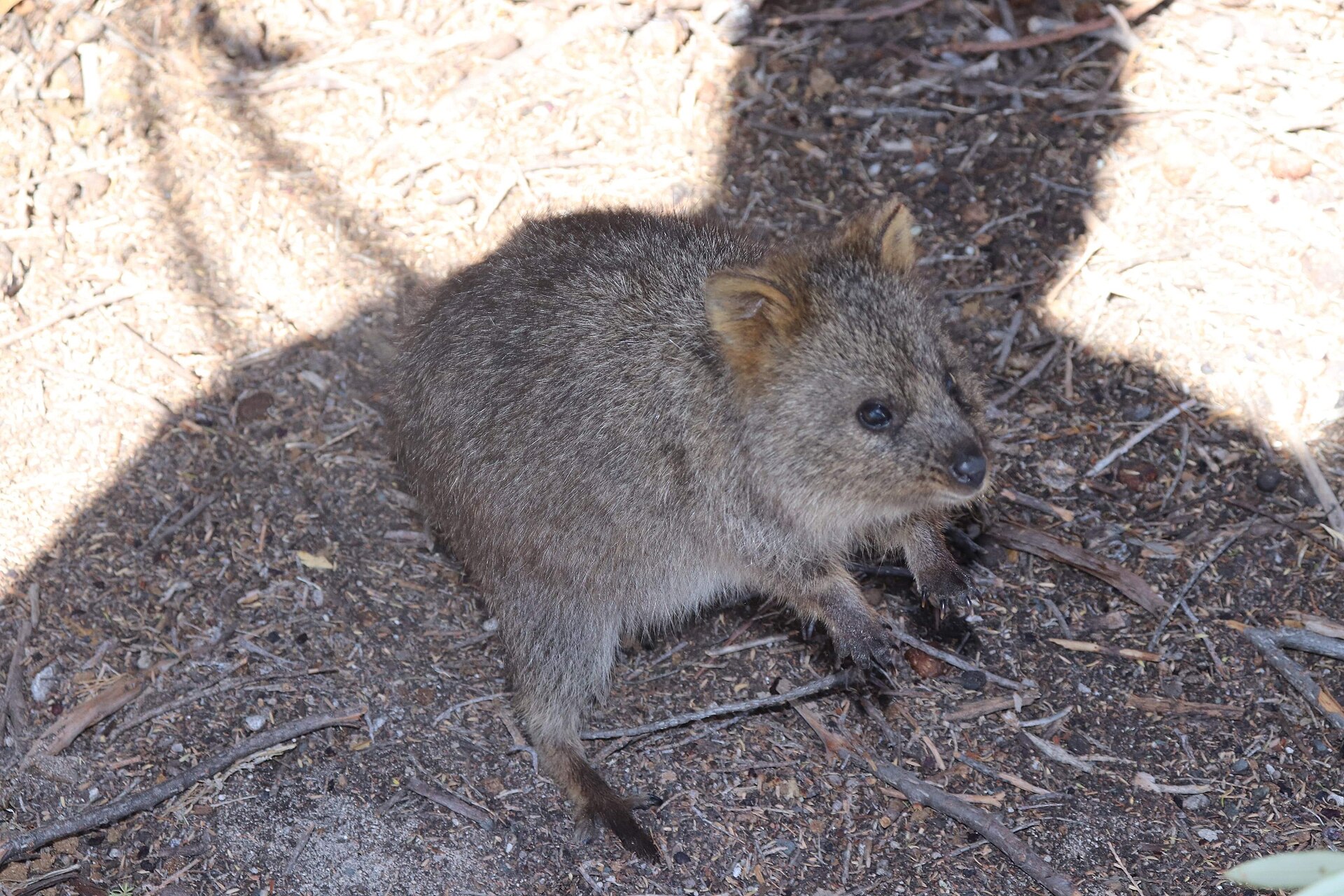
The heritage building and Thomson Bay surroundings provide photographs of the island’s architecture and coastal setting. Inside, let exhibition signage and staff direction guide photography, especially around sensitive historical material. Keep other visitors out of personal images where possible. When photographing quokkas, avoid touching, feeding or crowding them; the best wildlife photographs give the animal room to move naturally.
Checked 2026-08-26 · Source
It explains Aboriginal connection to Wadjemup, the island’s colonial prison and forced-labour history, maritime stories and the island’s later recreational identity.
Yes. The museum is in the Thomson Bay settlement area near the main jetty, making it practical to combine with other island activities during a day visit.
Plan approximately thirty minutes to one hour, allowing extra time if you want to read the interpretation about the island’s Aboriginal and colonial history carefully.
Take a ferry from Perth or Fremantle to Rottnest Island, then walk from the main jetty into the Thomson Bay settlement area.
The museum addresses Aboriginal imprisonment, forced labour and deaths in custody, placing these experiences within the island’s wider cultural and colonial history.
Pair the museum with island walks, coastal scenery and wildlife observation, including respectful viewing of the quokka population.
Loading the interactive map…
The interactive map could not be loaded.
Last updated:
Source: OpenStreetMap contributors ·