.jpg)
13 min walk
Preah Koh
- Must see
- Historic monument
Language · 11 published
Historic monument · Siem Reap
Editorial responsibility: Elena Voss · Roavina Travel Editor
| Monday | 07:30 – 17:30 |
|---|---|
| Tuesday | 07:30 – 17:30 |
| Wednesday | 07:30 – 17:30 |
| Thursday | 07:30 – 17:30 |
| Friday | 07:30 – 17:30 |
| Saturday | 07:30 – 17:30 |
| Sunday | 07:30 – 17:30 |
Checked 2026-08-31 · Source
Read from the OpenStreetMap access tags; anything not listed has no tag recorded.
Set the group type to family in the planner and the day window contracts to about three quarters of a solo day.
This place is a Monument.
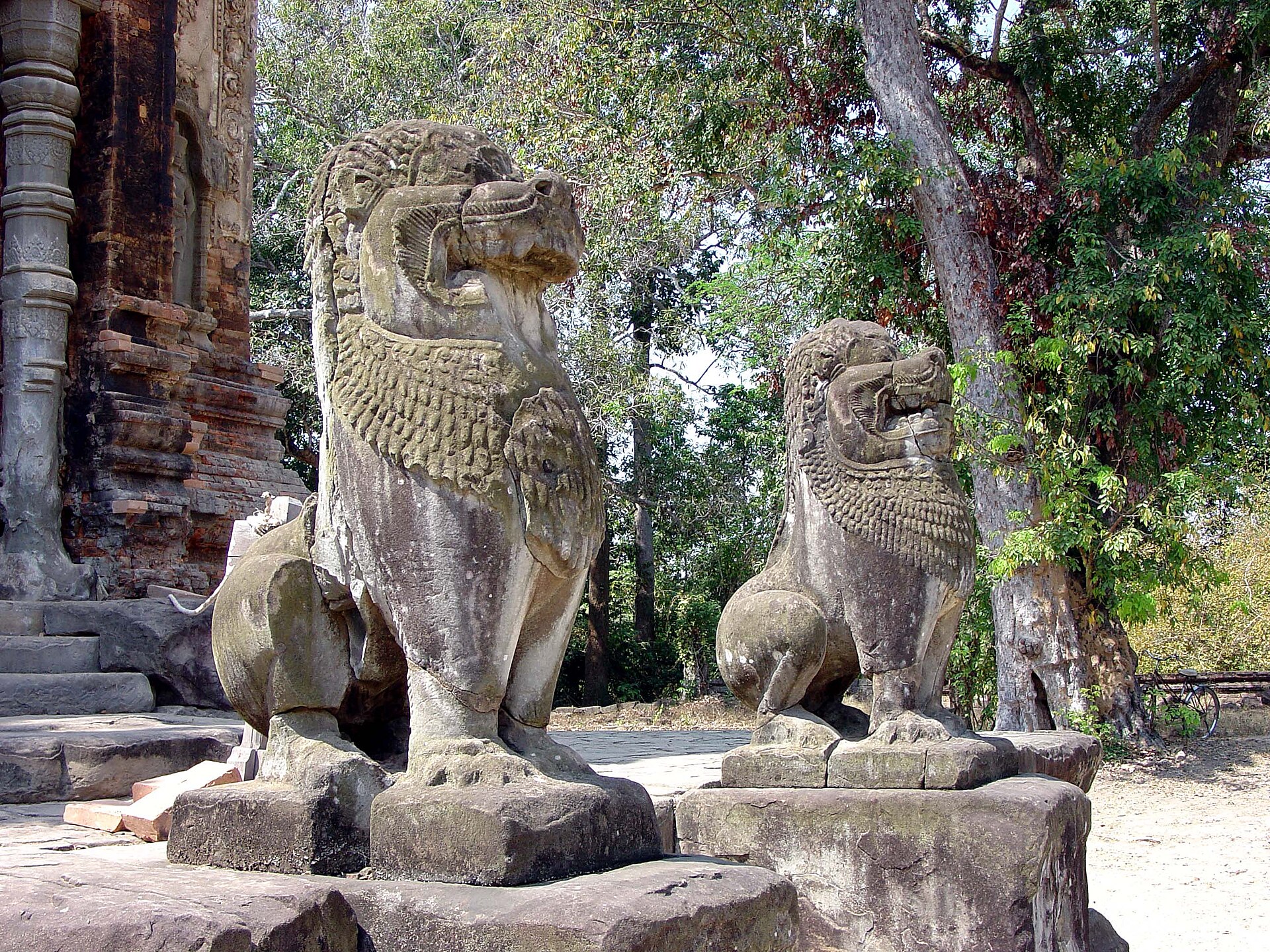
Lolei is an early Hindu temple in the Roluos group east of Siem Reap. Built during the reign of King Indravarman I in the late ninth century, it represents an important stage in early Khmer architecture. The temple originally stood on an island in the Indratataka baray, a reservoir associated with the same ruler. Visit Lolei for its age, brick towers, inscriptions, and quieter rural setting. Lolei is a Hindu temple located in the Roluos group northeast of Siem Reap, Cambodia. Built in the late ninth century during the reign of King Indravarman I, it represents one of the earliest Khmer temple sites in the region. The temple originally stood on an island in the middle of the Indratataka baray, a reservoir constructed by the same king. Lolei belongs to the UNESCO World Heritage Tentative List site encompassing the Angkor archaeological area, recognized for outstanding universal cultural value. Lolei belongs to the earlier Roluos group located separately northeast of Siem Reap, predating the principal Angkor monuments by approximately two centuries.
Checked 2026-08-26 · Source
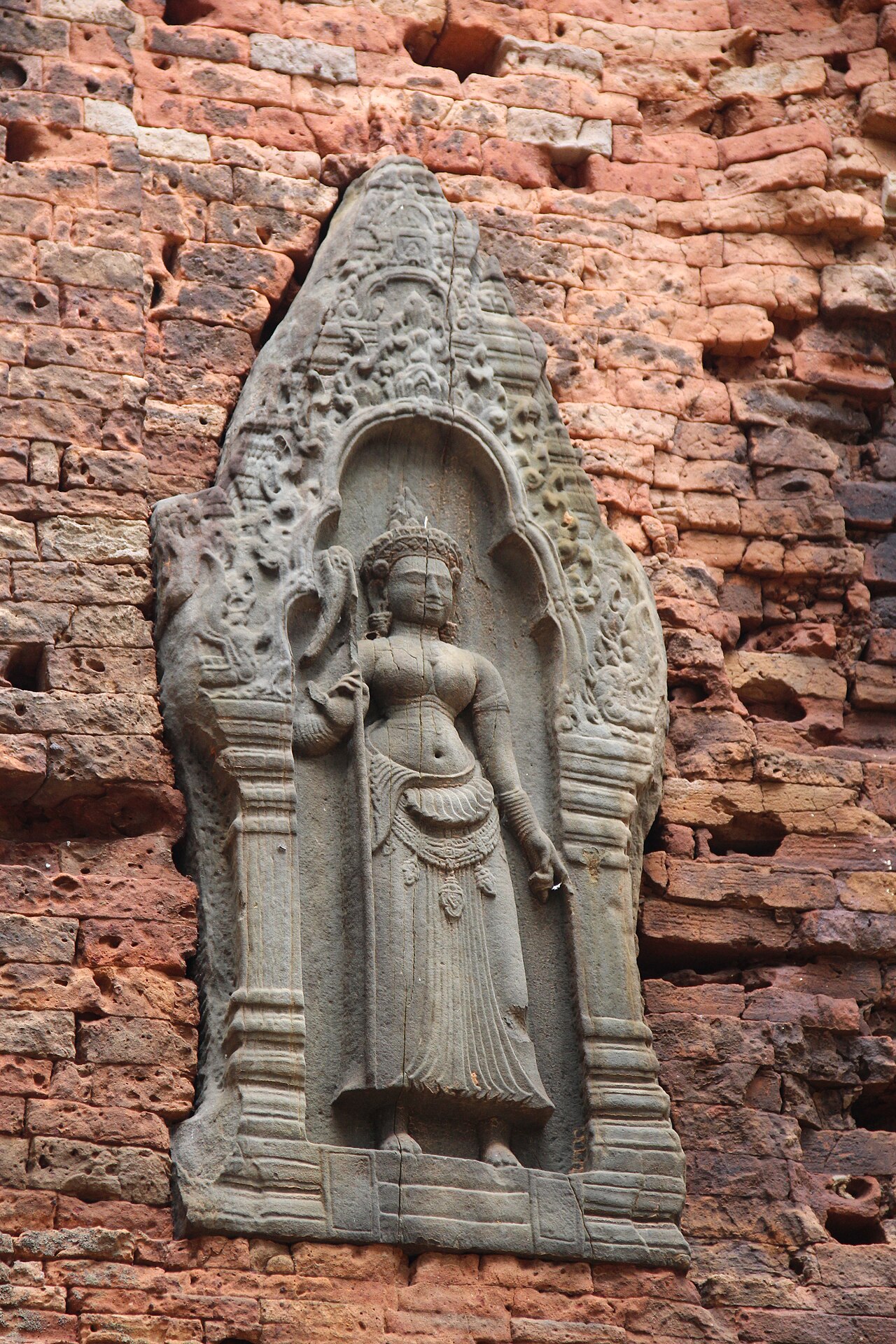
The surviving complex centers on four brick towers arranged on one platform. Look for false doors, carved lintels, and inscriptions in ancient Khmer script. Deterioration has left partial towers, foundations, and scattered architectural fragments, but those remains still show early construction methods and religious design. Lolei’s scale is modest compared with the major Angkor temples, allowing visitors to concentrate on the brickwork and the details that mark its early date. The temple comprises four brick towers arranged on a single platform, dedicated to the king's ancestors and the Hindu deity Shiva. Decorative elements include false doors and carved lintels bearing inscriptions in ancient Khmer script. Much of the original structure has suffered deterioration over centuries, with some restoration work undertaken. The site retains archaeological significance despite its ruined state. Visitors encounter foundational remains, partial tower structures, and scattered architectural fragments that illustrate early Angkorian construction techniques and religious devotion practices of the period.
Checked 2026-08-26 · Source
Allow thirty minutes to one hour for Lolei. The compact site can be walked efficiently, but visitors interested in inscriptions, carved lintels, and early Khmer architecture may want the longer end of that range. Combine it with Preah Ko and Bakong to make a half-day Roluos-group visit. This sequence gives Lolei useful context as an early temple that predates the more famous monuments farther west.
Checked 2026-08-26 · Source
Morning offers cooler conditions and gentler light for the brick towers and inscriptions. The Roluos group is generally quieter than the best-known central Angkor monuments, making Lolei suitable for travelers who prefer a slower archaeological visit. During wet weather, rural paths and exposed ground can be more difficult underfoot. Plan the temple with the other Roluos sites so your travel time is balanced with time spent exploring the monuments.
Checked 2026-08-26 · Source
Lolei belongs to the Roluos group, separate from the central Angkor temple cluster. Organize the visit as part of a Roluos itinerary and keep your park admission arrangements together with the rest of the day’s temple plans. The main reason to include Lolei is its early date and surviving brick architecture, so pair it with Preah Ko and Bakong for a coherent introduction to this earlier phase of Khmer building.
Checked 2026-08-26 · Source
Lolei is about thirteen kilometers east of Siem Reap in the Roluos area. Reach it by tuk-tuk, motorbike, private vehicle, or organized tour, usually as part of a route that also includes Preah Ko and Bakong. The journey takes roughly thirty minutes from central Siem Reap, depending on traffic and road conditions. Rural roads may be rougher in wet weather, so allow a little flexibility when planning the sequence.
Checked 2026-08-26 · Source
Expect uneven ground, damaged masonry, exposed foundations, and partial collapses. Stay on safe paths and do not climb the remaining towers or architectural fragments. The site has limited shade, so carry water and protect yourself from the sun. Sturdy footwear helps across rough surfaces, while insect repellent can be useful in the rural surroundings. Keep a respectful distance from the fragile remains and avoid placing bags or equipment against the brickwork.
Checked 2026-08-26 · Source
Lolei is best photographed for atmosphere, brick texture, and early temple proportions rather than sheer scale. Frame the four towers against the sky and surrounding vegetation, then move closer to the carved lintels and Khmer inscriptions. Morning and late afternoon light bring warmth to the exposed brick. The quieter setting gives time for careful compositions. Use a tripod only where it does not obstruct paths or bring equipment into contact with the fragile remains.
Checked 2026-08-26 · Source
Lolei is in the Roluos group, about thirteen kilometers east of Siem Reap and separate from central Angkor.
Lolei was built as a Hindu temple dedicated to Shiva and connected with royal ancestors.
The site contains four brick towers, false doors, carved lintels, ancient Khmer inscriptions, foundations, and architectural fragments.
Allow about thirty minutes to one hour, depending on how closely you study the brickwork and inscriptions.
Lolei combines naturally with Preah Ko and Bakong as part of a half-day visit to the Roluos group.
Bring water, sun protection, sturdy shoes, and insect repellent for the exposed site and rural surroundings.
Loading the interactive map…
The interactive map could not be loaded.

Last updated:
Source: OpenStreetMap contributors ·