
8 min walk
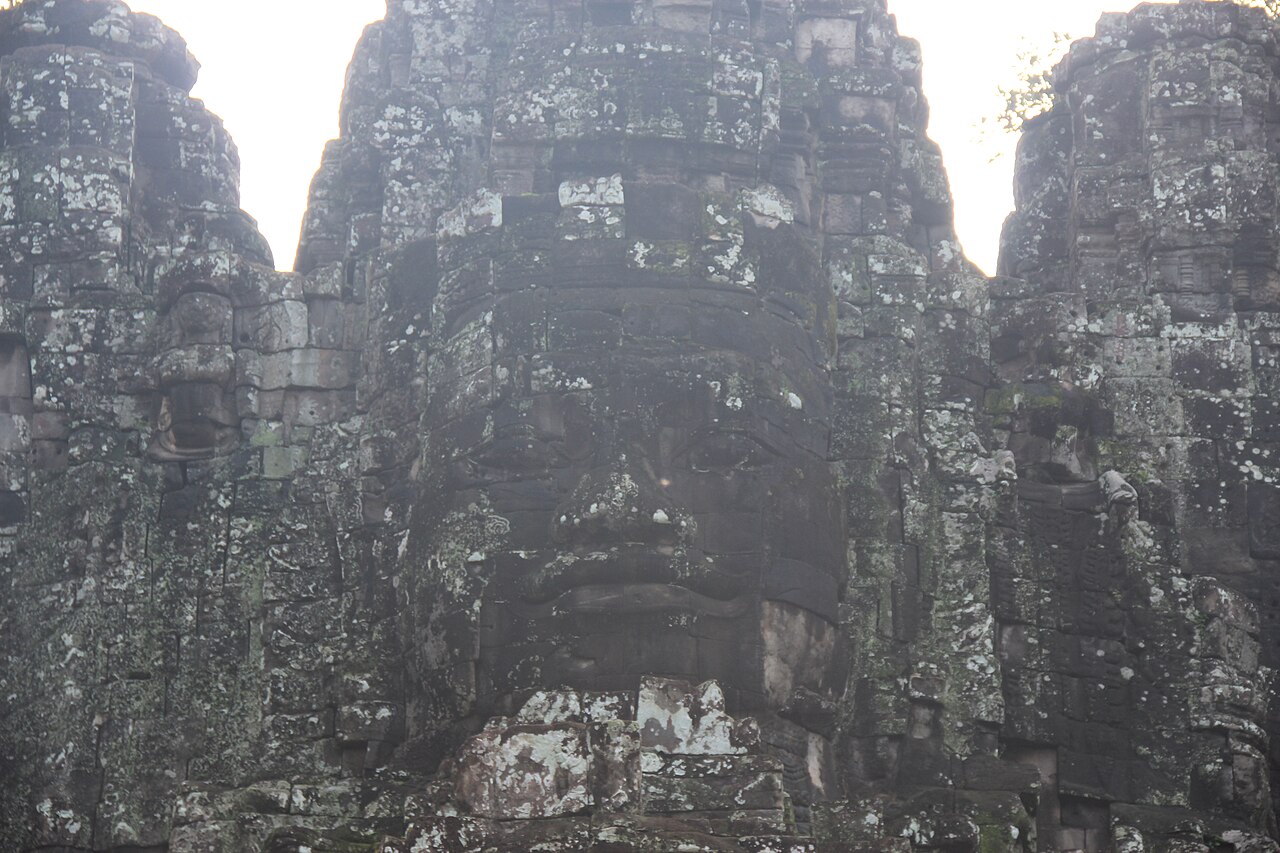
Victory Gate
- Must see
- Historic monument
Language · 11 published
Historic monument · Siem Reap
មង្គលាថ៌
Reviewed by Elena Voss · Roavina Travel Editor
It was established in 1295.
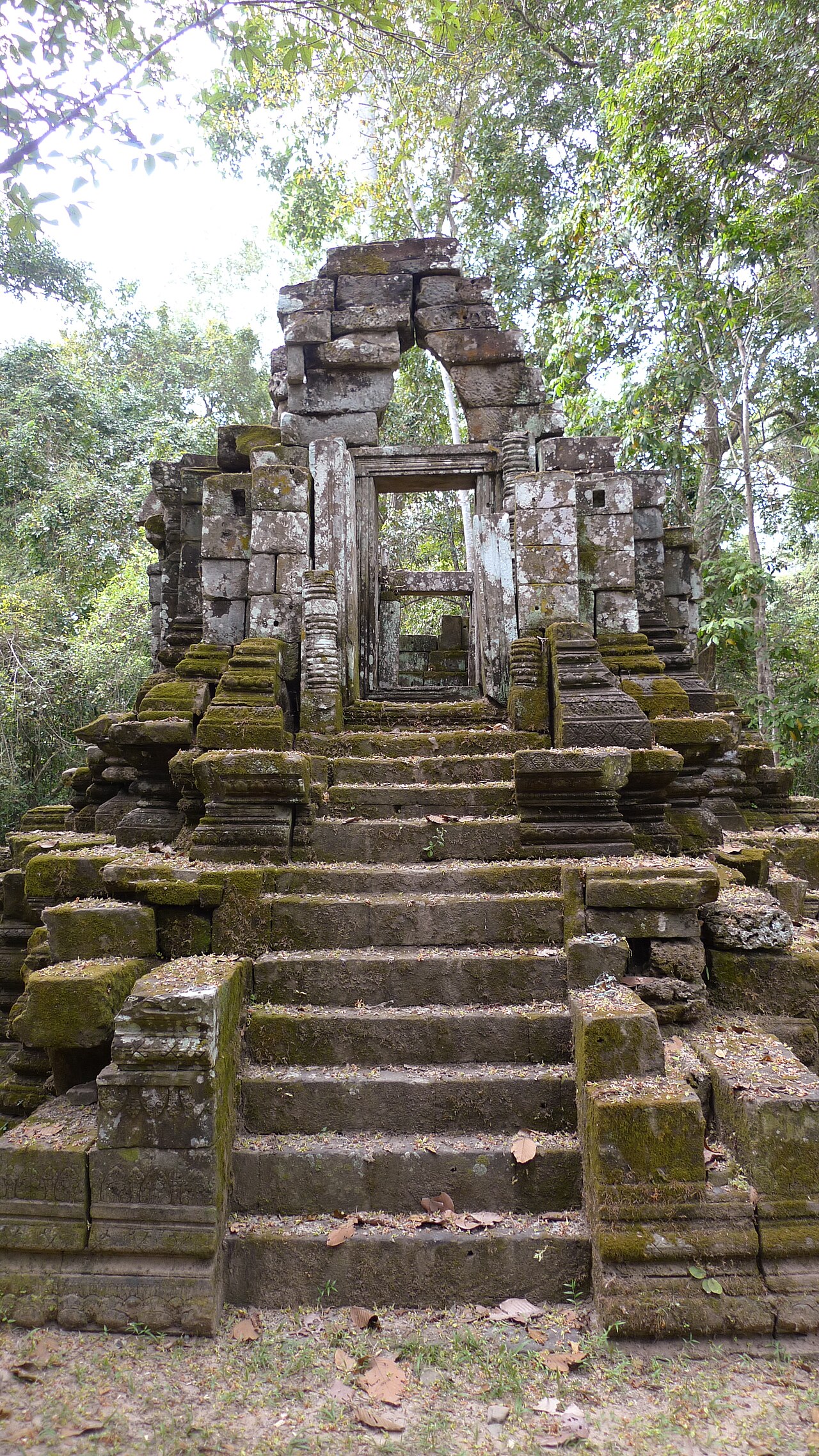
Mangalartha is a Buddhist temple monument within the Angkor archaeological landscape near Siem Reap. It belongs to the later phases of Angkorian religious building and offers a smaller-scale encounter with Khmer heritage than the celebrated central temples. Visitors usually include it within a wider temple route, where its quieter setting provides contrast with Angkor Wat and Bayon. The monument is valuable for travelers who enjoy stone architecture, sacred places and the atmosphere of lesser-visited ruins rather than only the most famous viewpoints. Mangalartha is a Buddhist temple monument situated within the Angkor archaeological zone near Siem Reap, Cambodia. The structure forms part of the broader UNESCO World Heritage Site designated in 1992, encompassing the ancient Khmer capital and its surrounding temple complexes. Mangalartha represents a later period of Angkorian construction, distinct from the more famous earlier monuments. The temple stands as evidence of continued religious activity and building patronage during the declining phases of the Khmer Empire. No. Mangalartha represents a later, more modest construction within the Angkor complex, lacking the scale, state sponsorship, and architectural prominence of Angkor Wat or Bayon.
Checked 2026-08-26 · Source
The monument is formed from stone architectural elements associated with late Angkorian Buddhist design. Surviving sanctuary spaces, carved details, enclosures and weathered surfaces reward close viewing. Vegetation and age are part of the visual character, linking the masonry to the tropical archaeological setting. Mangalartha is modest in scale, so the interest lies in examining its proportions, stonework and religious atmosphere rather than searching for the vast processional spaces found at major state temples. Walk slowly around the remains and compare individual details.
Checked 2026-08-26 · Source
Allow approximately twenty to forty minutes for Mangalartha. That is enough time to walk around the compact monument, inspect its surviving architectural details and make photographs without rushing. Visitors with a strong interest in late Angkorian Buddhism or conservation can stay longer. Because Mangalartha is normally one stop among many, place it between larger temples rather than giving it an entire half-day. The short visit works best when paired with time for travel, shade and a pause before continuing through the archaeological zone.
Checked 2026-08-26 · Source
Morning is a strong time to visit Mangalartha because temperatures are generally more comfortable and soft light reveals texture in the stone. Late afternoon can also bring attractive shadows, but heat and changing light should shape the pace of the wider Angkor route. Siem Reap’s tropical seasons alter ground conditions and the amount of greenery around the monument. Carry water, protect yourself from the sun and leave enough daylight for the road back through the archaeological area.
Checked 2026-08-26 · Source
Mangalartha is visited as part of the Angkor archaeological zone, where admission is organised through the broader heritage area rather than a separate monument ticket. A valid Angkor pass is therefore part of the practical plan for a temple day that includes Mangalartha. Budget separately for transport through the park and any driver or guide service used to build the route.
Checked 2026-08-26 · Source
Mangalartha lies within the Angkor archaeological zone outside Siem Reap town. Travelers commonly reach the temple area by bicycle, motorbike, tuk-tuk, hired car with driver or organised tour. The monument is a route stop rather than a town-centre attraction, so navigation and return planning matter. Secondary monuments may have less prominent signage than the major temples. Roads and paths can feel different in wet weather, while a driver familiar with the Angkor area can make a multi-stop day easier to manage.
Checked 2026-08-26 · Source
Treat Mangalartha as an old sacred ruin: stone may be uneven, surfaces may be worn and vegetation can obscure edges or create trip hazards. Stay on stable ground, avoid climbing fragile masonry and give wildlife space. Heat and sun exposure are serious considerations in the Angkor area, so carry drinking water and use sun protection. Facilities are limited at small monuments compared with the main visitor hubs. Modest clothing and quiet behaviour are appropriate for a Buddhist temple setting and help preserve the atmosphere for other visitors.
Checked 2026-08-26 · Source
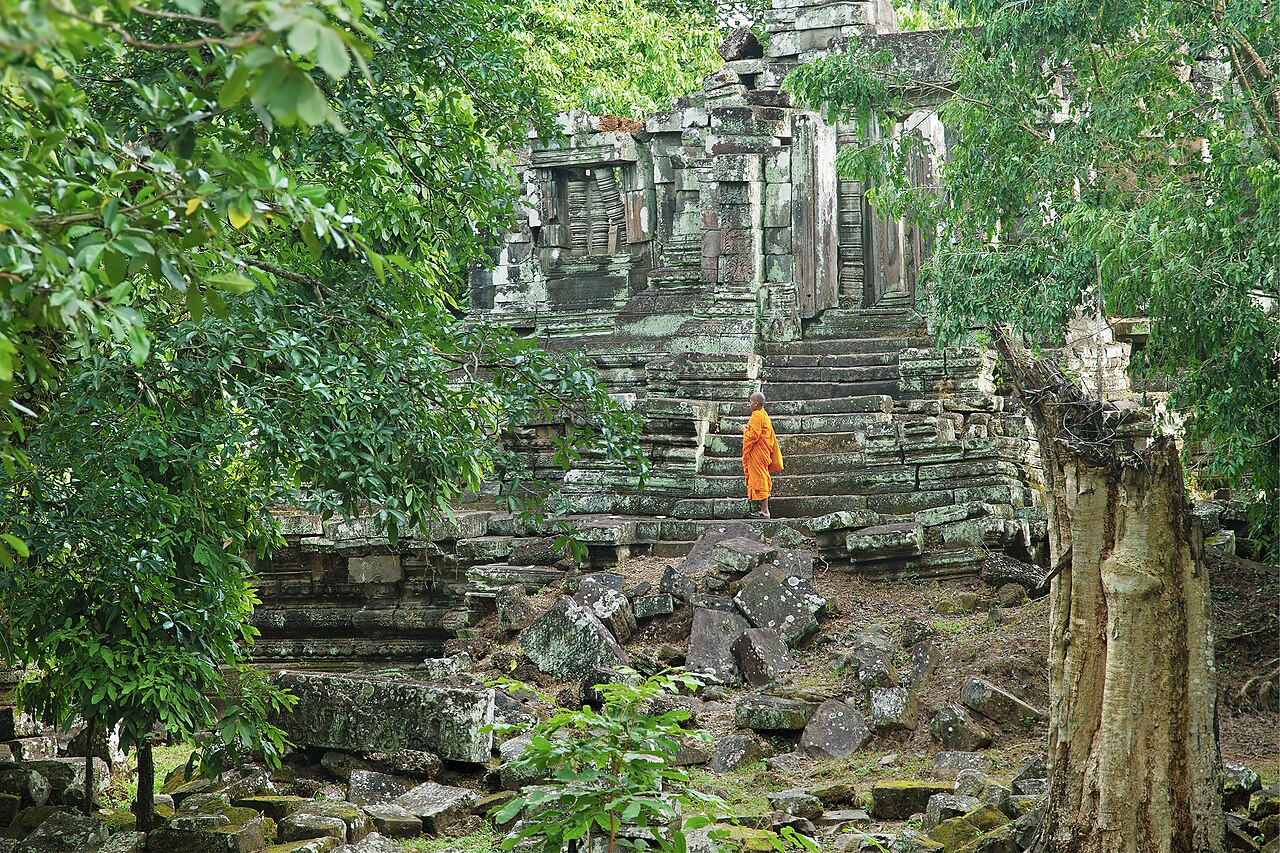
Mangalartha photographs well as a meeting of stone architecture and tropical vegetation. Morning light can reveal carved surfaces, while late-day shadows add depth to the compact sanctuary. Avoid flash on old surfaces, keep clear of fragile areas and respect the quiet character of the site. A wide view can show the monument in its setting; close details can highlight weathering and construction. Drone use in the wider heritage zone may be restricted, so ordinary ground-level photography is the appropriate approach.
Checked 2026-08-26 · Source
No. Mangalartha is a smaller, later Buddhist monument and is best experienced as a quieter stop within the Angkor landscape.
It is a Buddhist temple monument associated with the later phases of Angkorian religious architecture.
Most travelers can explore Mangalartha in about twenty to forty minutes.
Yes. Its compact size makes it suitable as one stop among several monuments in the Angkor archaeological zone.
Bring water, sun protection and footwear that handles uneven stone and paths around an old archaeological monument.
Photograph the weathered stone sanctuary together with the surrounding tropical vegetation, especially in soft morning or late-afternoon light.
Loading the interactive map…
The interactive map could not be loaded.
Last updated:
Source: OpenStreetMap contributors, Wikidata ·