
2 min walk
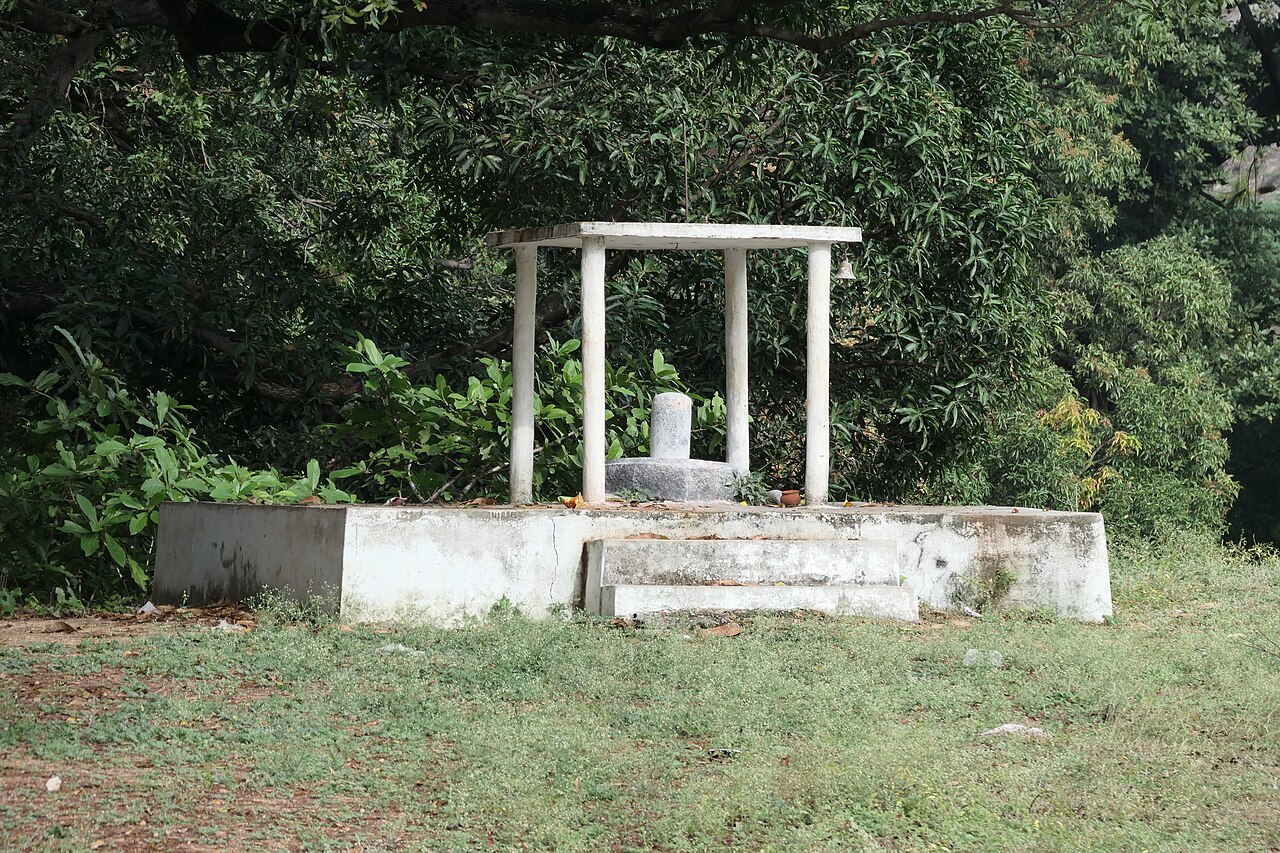
Lingam
- High
- Historic monument
Language · 11 published
Historic monument · Siem Reap
Reviewed by Elena Voss · Roavina Travel Editor
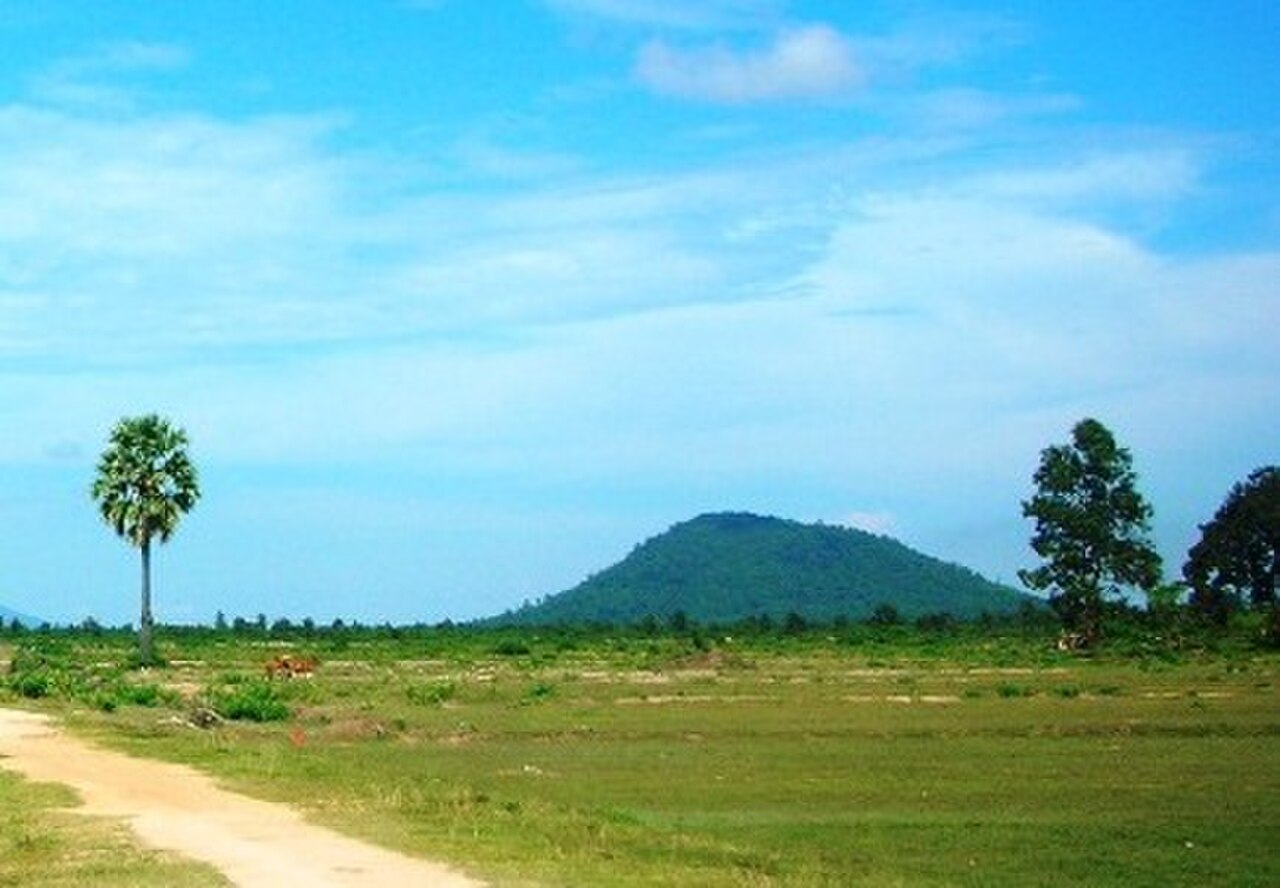
Phnom Bok is a hilltop temple northeast of Siem Reap, reached by climbing Phnom Bok mountain. It belongs to the Angkorian archaeological landscape and is one of the three hilltop temples associated with the reign of King Yasovarman I in the late ninth century. The temple follows the Bakheng style and was dedicated to Brahma, Vishnu, and Shiva. The ascent makes the visit feel different from the large temple circuits: the destination is both a small archaeological site and a viewpoint over the flat countryside. The Apsara National Authority manages it as protected cultural heritage.
Checked 2026-08-26 · Source
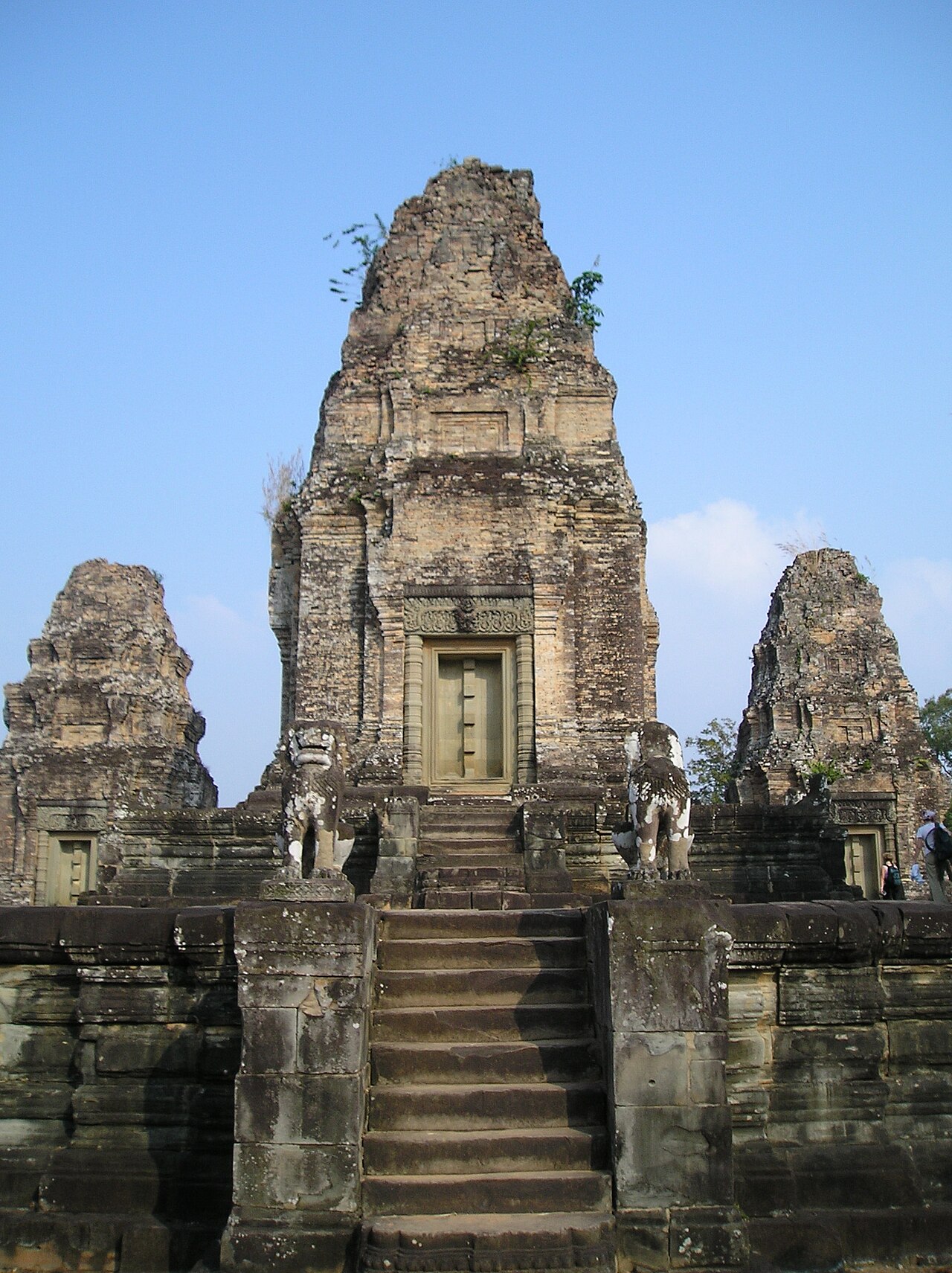
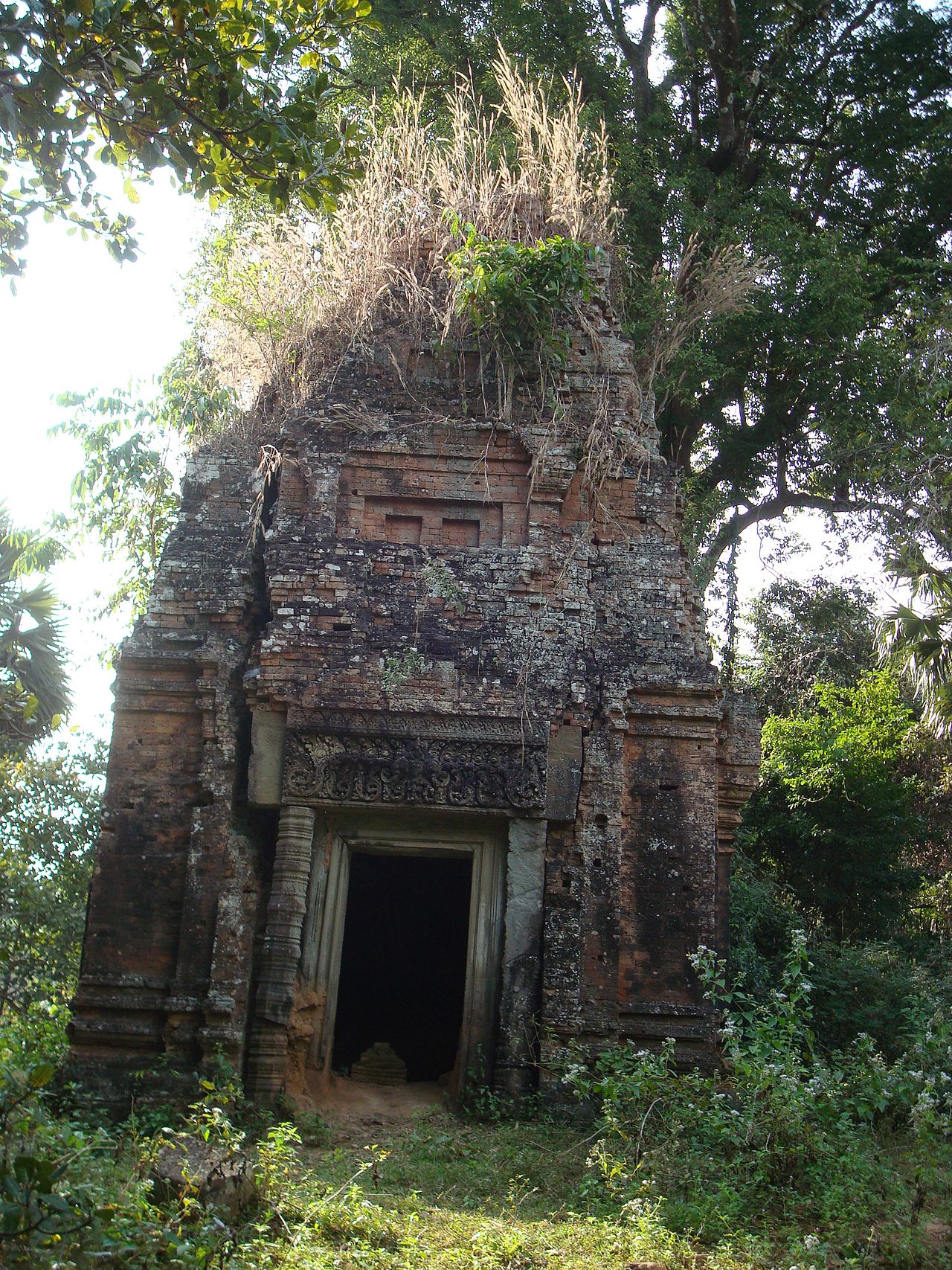
At the summit, the surviving ruins include three sanctuary towers, laterite walls, and stone doorways. The central tower is partly collapsed, while vegetation has grown around sections of the masonry. A modern Buddhist shrine stands close to the ancient structures, adding a living religious presence to the archaeological setting. Below the summit, small caves are found in the cliff face. The broad view is an important part of the experience: from the elevated site, you can look across rural Cambodia toward Tonle Sap and distant temple areas. Expect fragmentary ruins rather than a fully intact monument.
Checked 2026-08-26 · Source
Allow about two to three hours for the Phnom Bok visit itself. The climb to the summit takes roughly thirty to forty-five minutes at a steady pace, and the descent is usually quicker. Keep additional time for examining the towers, seeing the Buddhist shrine, and taking in the views. Because Phnom Bok lies away from central Siem Reap, the complete outing also includes a substantial road journey. A longer excursion can combine the hill with other outlying temples, but the climb and return descent should remain the fixed centre of your schedule.
Checked 2026-08-26 · Source
The dry season, especially from November through March, gives the exposed climb more manageable ground conditions. An early start or a late-afternoon arrival reduces the strongest midday heat and can make the ascent more comfortable. Wet-season rain can leave stone and dirt pathways slippery, so allow extra care after showers. The summit is open to the sun, and the landscape views are best enjoyed when visibility is clear. Build the visit around daylight: the rural approach, the climb, the temple ruins, and the descent all require attention on foot.
Checked 2026-08-26 · Source
Phnom Bok is an Angkorian heritage site managed by the Apsara National Authority, but no ticket price or separate admission arrangement is established here for this hilltop temple. Treat the climb as a planned archaeological visit rather than assuming that a standard central-temple ticket covers every outlying monument. The known experience begins at the base of the hill and continues on foot to the summit. Keep the ticket question separate from your walking plan: the ruins, shrine, and viewpoint define the visit.
Checked 2026-08-26 · Source
Phnom Bok is about twenty-five kilometres northeast of Siem Reap city centre. A hired car, motorbike taxi, or tuk-tuk can take you through rural settlements and rice-growing areas to the foot of the hill; the final approach to the temple is on foot. Road conditions can change with the season, and signage may be limited on the quieter route. Arrange the return ride as part of the outward journey, since the site is less visited than the central temples and onward transport is not a feature of the summit. Wear footwear suited to both the road-side stop and the climb.
Checked 2026-08-26 · Source
The climb uses steep, uneven stone and dirt paths, with limited handholds in some sections. Shoes with firm grip are important, especially when the surface is damp. Stonework is old and partly ruined, and vegetation can conceal uneven ground. Stay on established paths, keep clear of unstable masonry, and give the modern shrine the respect due to an active religious place. The hill's relative isolation means that careful pacing matters more than speed.
Checked 2026-08-26 · Source
Phnom Bok offers two complementary subjects: weathered temple ruins at the summit and a wide Cambodian landscape beyond them. Early and late light can soften shadows on the towers and reveal texture in the laterite and stone, while the elevated position gives photographs a strong sense of place. Photograph the Buddhist shrine with restraint, particularly when people are worshipping. The climb favours a small, practical kit rather than heavy equipment. Protect cameras from dust and humidity, and frame the vegetation around the ruins as part of the site's present character rather than treating it as visual clutter.
Checked 2026-08-26 · Source
Phnom Bok is about twenty-five kilometres northeast of Siem Reap city centre, on top of Phnom Bok mountain. The last part of the visit is a climb from the road to the summit ruins.
The ascent is moderately challenging, taking roughly thirty to forty-five minutes over steep, uneven stone and dirt paths. Firm footwear and a measured pace make the climb easier to manage.
You can see three sanctuary towers, laterite walls, stone doorways, a modern Buddhist shrine, small caves below the summit, and broad views toward the countryside and Tonle Sap.
Allow approximately two to three hours for the hilltop visit, including the thirty-to-forty-five-minute ascent, time among the ruins, the viewpoint, and the descent. Travel from Siem Reap takes additional time.
Wear shoes with good grip because the route includes steep, uneven stone and dirt paths. Sun protection and water are important because the ascent has exposed sections and no summit vendors are documented.
The ancient temple was dedicated to Brahma, Vishnu, and Shiva, while a modern Buddhist shrine stands near the ruins. The visit therefore combines an Angkorian Hindu temple setting with continuing Buddhist religious use.
Loading the interactive map…
The interactive map could not be loaded.
Last updated:
Source: OpenStreetMap contributors, Wikidata ·