
3 min walk
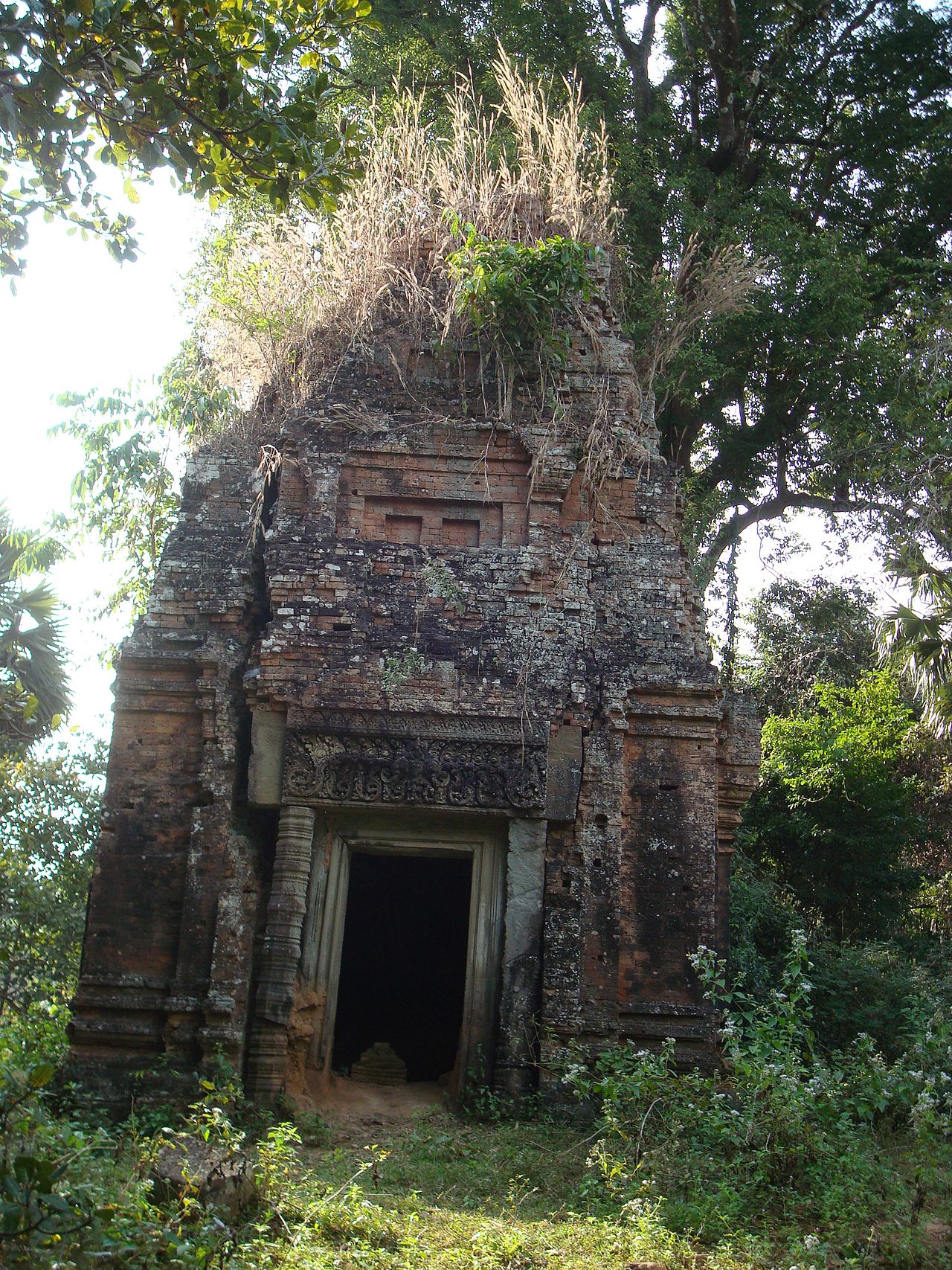
Prasat Leak Neang
- Must see
- Historic monument
Language · 11 published
Historic monument · Siem Reap
ប្រាសាទប្រែរូប
Reviewed by Elena Voss · Roavina Travel Editor
| Monday | 07:30 – 17:30 |
|---|---|
| Tuesday | 07:30 – 17:30 |
| Wednesday | 07:30 – 17:30 |
| Thursday | 07:30 – 17:30 |
| Friday | 07:30 – 17:30 |
| Saturday | 07:30 – 17:30 |
| Sunday | 07:30 – 17:30 |
Checked 2026-08-31 · Source
Read from the OpenStreetMap access tags; anything not listed has no tag recorded.
Set the group type to family in the planner and the day window contracts to about three quarters of a solo day.
This place is a Attraction.
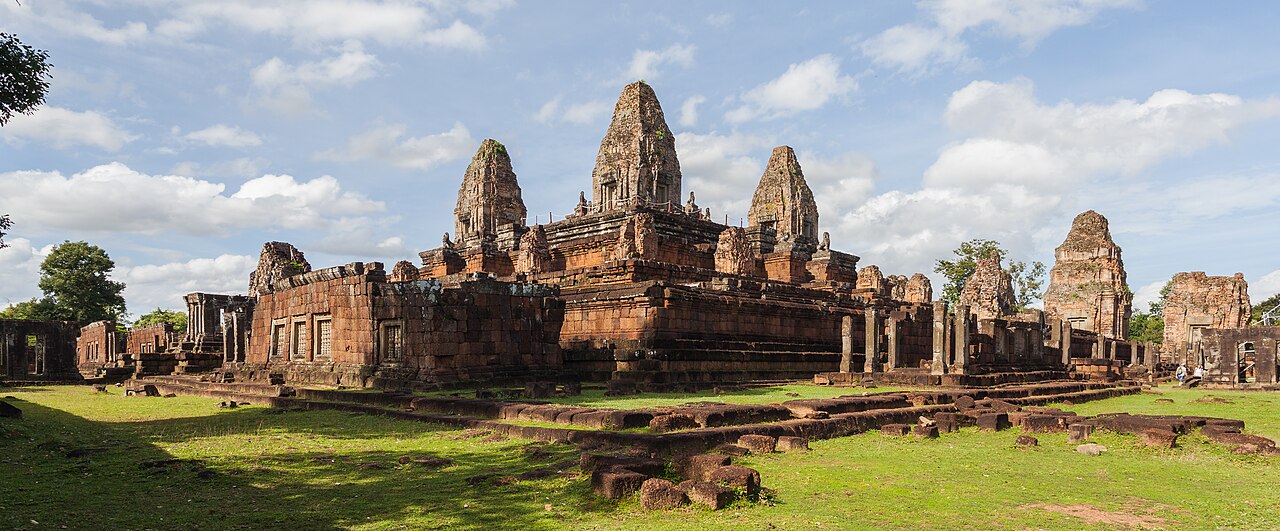
Pre Rup is a Hindu temple mountain at Angkor, built under King Rajendravarman and dedicated in 961 or early 962. Brick, laterite, and sandstone define its stepped form. The modern name means turn the body and is connected with a Cambodian funerary tradition. For travelers, Pre Rup is a compact architectural site where steep ascent, brick towers, and open views create a distinct contrast with the enclosed temples nearby. Pre Rup is a Hindu temple at Angkor, Cambodia, built as the state temple of Khmer king Rajendravarman and dedicated in 961 or early 962. It is a temple mountain of combined brick, laterite and sandstone construction. The name is a modern one meaning turn the body, reflecting the Cambodian belief that funerals were conducted at the temple, with the ashes of the body being ritually rotated in different directions as the service progressed. It stands on a former ashram of Yasovarman I. The modern Khmer name translates to turn the body and reflects a traditional belief that funerary rites occurred here, though scholarly interpretation of its primary function varies.
Checked 2026-08-26 · Source
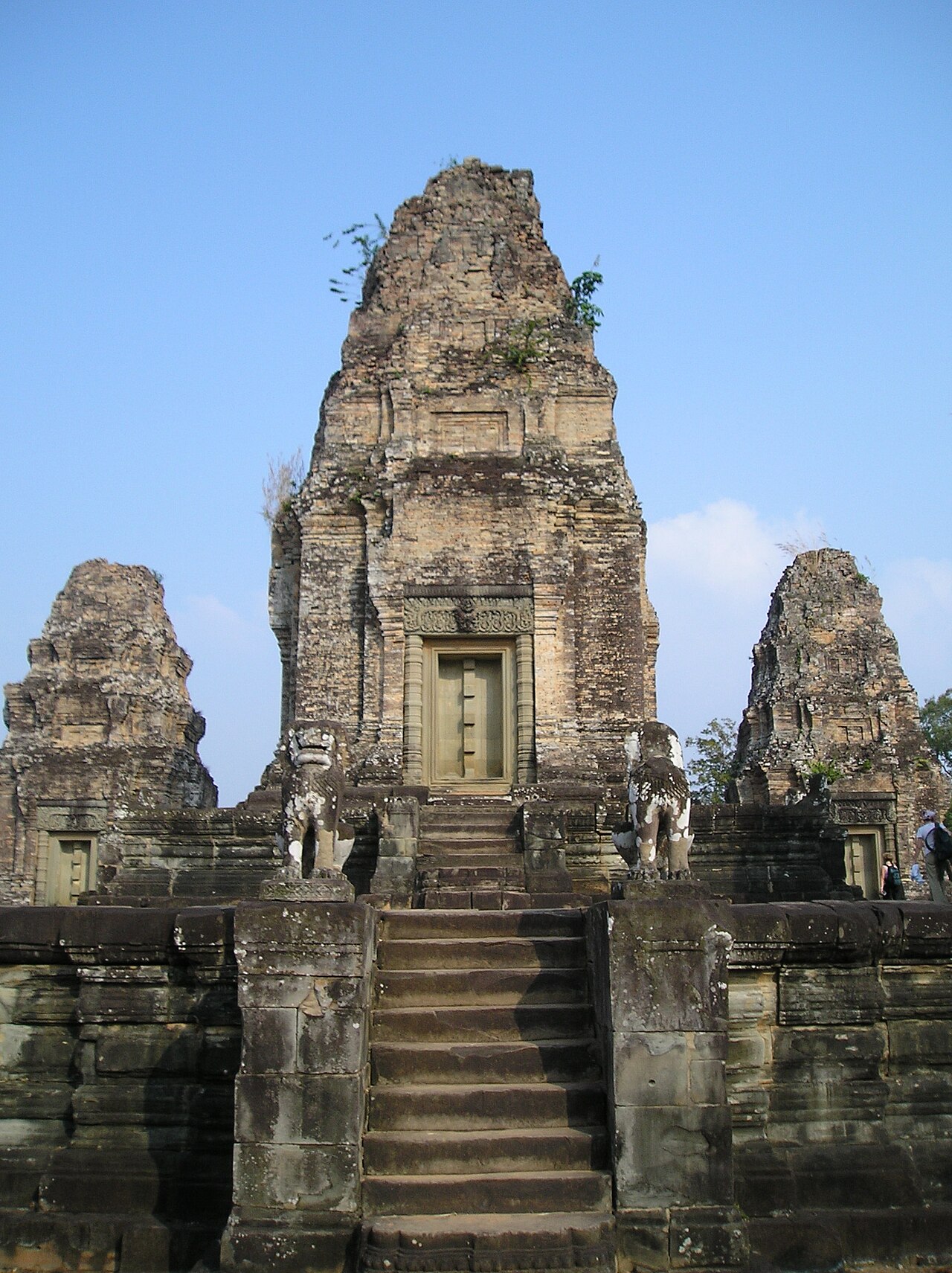
The temple rises in pyramid-like tiers toward five brick towers on the upper terrace. Look for false doors on the outer enclosure, sandstone doorways, and surviving traces of the decorative treatment that once covered the brick. Laterite forms much of the platforms and enclosure walls. The central tower reaches the highest point, while the arrangement of the towers makes the site easy to understand from below before you tackle the stairs. The temple complex features a pyramid-shaped structure with five brick towers arranged on the upper terrace. The outer enclosure contains a false door on each side. The central tower reaches the highest point. The brick towers once held plaster coatings with carved decorations, much of which has eroded.
Checked 2026-08-26 · Source
Allow forty-five minutes to one and a half hours. A brisk visit covers the lower enclosure, the ascent, the five towers, and the views from the upper level. Stay longer if you want to inspect brick textures, doorways, or the surrounding landscape. Pre Rup pairs naturally with East Mebon because both belong to the same broad period and use prominent brick tower forms, making them an efficient architectural comparison.
Checked 2026-08-26 · Source
Morning brings cooler temperatures and softer light on the eastern faces. Late afternoon is popular for the elevated western outlook and warm light on the brick towers. The upper terrace has little shade, so midday visits can feel strenuous. The dry season often makes outdoor exploration easier, while wet weather can make the worn stairs slippery. Leave time for a careful descent, particularly when the site is busy near sunset.
Checked 2026-08-26 · Source
Pre Rup is within the Angkor Archaeological Park and is visited with park admission rather than a separate temple ticket. Carry the admission credential during your circuit because access is organized across the wider archaeological area. Combining Pre Rup with East Mebon makes good use of the same park visit. The temple’s distinctive appeal comes from its architecture and position, so plan it as one stop within a broader Angkor day.
Checked 2026-08-26 · Source
Pre Rup stands on Angkor’s Large Circuit, east of Angkor Thom and north of East Mebon. Reach it from Siem Reap by tuk-tuk, motorbike, bicycle, private vehicle, or organized tour transport. The paved park road links it with other major monuments. Cycling is possible but involves substantial distances between temple groups. A driver or tour vehicle lets you combine Pre Rup and East Mebon without spending the main part of the day on the road.
Checked 2026-08-26 · Source
The stairs to the upper terrace are steep, narrow, and worn. Use care on both ascent and descent, especially after rain, and do not rush when other visitors are nearby. The summit has limited shade and exposed edges, so keep children close and stay away from unsafe positions. Wear shoes with reliable grip, carry water, and choose a lower-level visit if climbing the upper terrace would be uncomfortable or unsafe.
Checked 2026-08-26 · Source
Photograph the five brick towers from below to show the temple mountain’s stepped profile, then use close views for brick texture, false doors, and sandstone details. Late afternoon light warms the towers and opens views toward the west. The upper platform can become crowded, especially around sunset, so patience helps with clear compositions. A wide lens is useful between the towers, while stable handheld shooting is more practical than bulky equipment on the stairs.
Checked 2026-08-26 · Source
Pre Rup means turn the body and refers to a Cambodian funerary tradition associated with the temple’s modern name.
Its main materials are brick, laterite, and sandstone, used across the towers, platforms, enclosure, and doorways.
Yes. They are steep, narrow, and worn, so both climbing and descending require careful footing.
Yes. Its elevated western outlook and warm light on the brick towers make sunset a popular visiting period.
Yes. The two temples are commonly visited together because they belong to the same broad period and lie on a related circuit.
Bring water, sun protection, and shoes with good grip for the exposed site and steep, worn stairs.
Loading the interactive map…
The interactive map could not be loaded.
Last updated:
Source: OpenStreetMap contributors, Wikidata ·