.jpg)
3 min walk
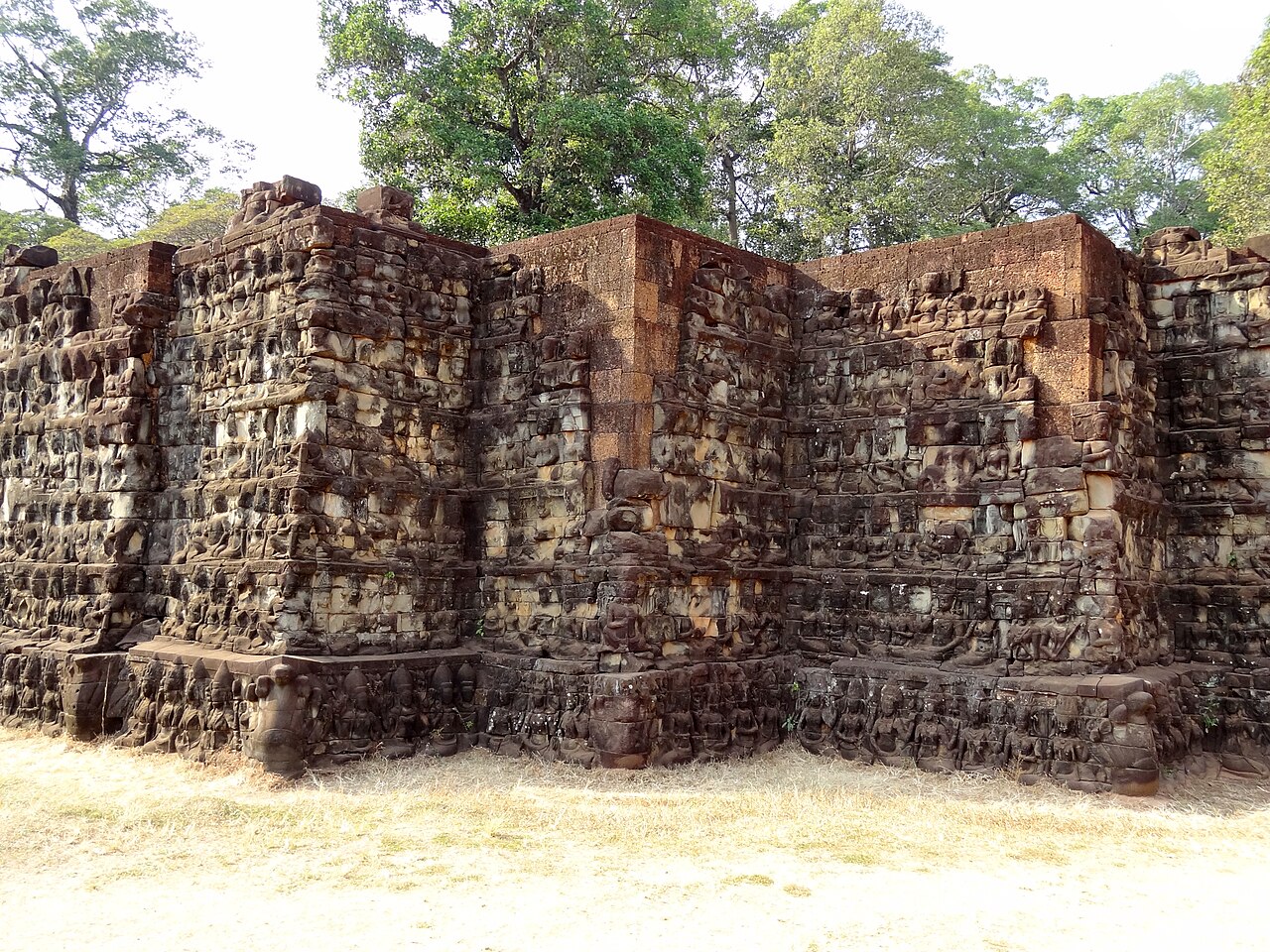
Terrace of the Leper King
- Must see
- Historic monument
Language · 11 published
Place of worship · Siem Reap
Reviewed by Elena Voss · Roavina Travel Editor
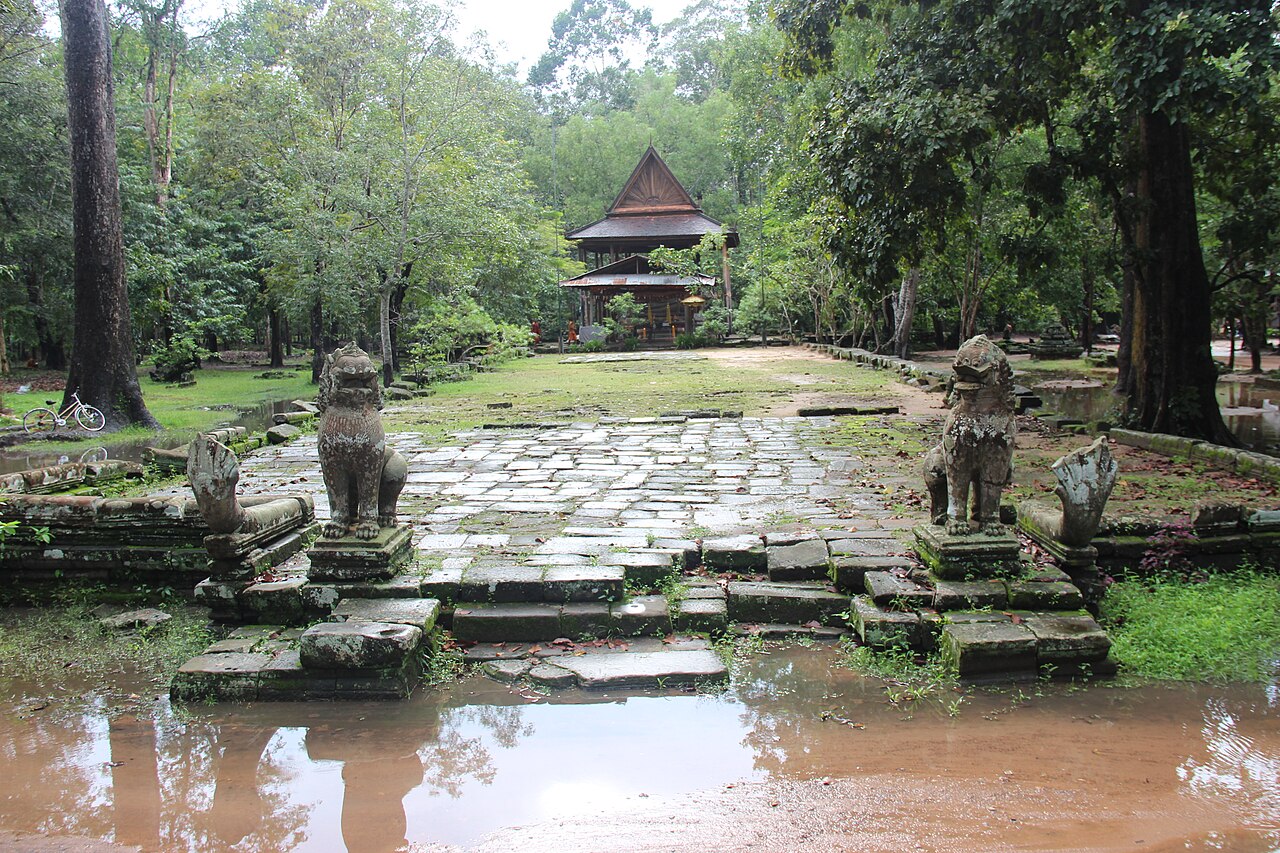
This place is a Place of worship.
Tep Pranam is a Buddhist religious site inside the Angkor Archaeological Park near Siem Reap. The site offers a smaller-scale stop among the park's monumental temples and reflects the Buddhist layer of Angkor's religious landscape. Visitors encounter a sheltered reclining Buddha surrounded by open ground, trees and archaeological remains. Tep Pranam works especially well as a quiet pause between larger monuments, giving a different experience from the grand temple mountains and extensive galleries elsewhere in the park. Tep Pranam is a Buddhist site within the Angkor Archaeological Park near Siem Reap, Cambodia. It forms part of the UNESCO World Heritage Site inscribed in 1992. The location sits among the broader temple complex that represents the Khmer Empire's architectural and religious heritage. Visitors encounter it as a modest but meaningful waypoint when exploring the extensive archaeological zone. The site contributes to understanding the layered Buddhist and Hindu traditions that characterize Angkor's historical development over multiple centuries. No. Tep Pranam is a smaller Buddhist site with a single prominent Buddha figure, not a monumental temple complex. It offers a more intimate scale compared to the grand architectural achievements elsewhere in the park.
Checked 2026-08-26 · Source
The main feature is a large sandstone Buddha in a reclining posture beneath a modern wooden pavilion. The figure rests on a platform with associated ceremonial elements. Around the shelter, scattered stone fragments and foundation traces point to earlier construction phases. Open ground and tree cover shape the setting, with the modest pavilion contrasting strongly with the monumental scale of Angkor Wat, Bayon and other major temples. The compact layout makes the Buddha the clear visual and devotional focus.
Checked 2026-08-26 · Source
Allow fifteen to thirty minutes at Tep Pranam for viewing the reclining Buddha, walking around the pavilion and observing the surrounding remains. The site is compact, so most travelers include it within a wider Angkor route rather than plan a separate half-day visit. Visitors interested in Buddhist imagery, the contrast between modern protection and exposed archaeology, or quiet moments away from crowded monuments may stay longer. The short stop also suits a day with several temple visits.
Checked 2026-08-26 · Source
Early morning brings cooler conditions and softer light around Tep Pranam. November to March generally offers more predictable weather, while the wet season adds lush vegetation and can leave the surrounding ground muddy after rain. The open setting can feel hot at midday, so place Tep Pranam earlier or later in a temple circuit when possible. A quieter time of day also suits the site's Buddhist atmosphere and makes it easier to observe the pavilion without disturbing worshippers.
Checked 2026-08-26 · Source
Tep Pranam lies within the Angkor Archaeological Park unified admission area. A park pass covers visits to multiple monuments across the archaeological zone, including this Buddhist site. One-day, three-day and seven-day pass formats are available for park visits. Carry the pass while travelling between monuments because admission is enforced through checkpoints. Tep Pranam does not operate as a separately ticketed attraction, making it easy to add to a broader Angkor itinerary without arranging another monument ticket.
Checked 2026-08-26 · Source
Tep Pranam is about five to seven kilometres north of central Siem Reap within the Angkor Archaeological Park. Reach the park by tuk-tuk, bicycle, motorbike taxi or private vehicle with a driver. The site fits naturally into a wider temple circuit, including routes through the park's northern monuments. Because Tep Pranam is less prominent than Angkor Wat or Bayon, use a detailed map and watch the signs while travelling between stops. The final approach is short and requires walking around the pavilion.
Checked 2026-08-26 · Source
Uneven ground, exposed roots and scattered stones surround Tep Pranam, so sturdy shoes help prevent trips. The open setting provides limited shade; carry water and protect yourself from strong sun. Monkeys may inhabit nearby forest areas, and visitors should keep a respectful distance without feeding them. Tep Pranam has a Buddhist devotional context, so wear modest clothing covering shoulders and knees and behave calmly near the Buddha. Give worshippers space and avoid leaning on the pavilion or archaeological fragments.
Checked 2026-08-26 · Source
The reclining Buddha and wooden pavilion provide the principal photographic subjects at Tep Pranam. The shelter creates patterned shade, while early morning and late afternoon light reduce harsh contrast on the stone figure. The compact site allows complete visual coverage without specialised equipment. Keep cameras and bodies clear of worshippers, avoid flash when it could disturb devotional activity and respect staff directions. The surrounding trees and archaeological fragments add context, but the Buddha should remain the central subject of a respectful composition.
Checked 2026-08-26 · Source
The main feature is a large sandstone reclining Buddha beneath a modern wooden pavilion, surrounded by open ground, trees and archaeological remains.
Yes. Tep Pranam lies within the Angkor Archaeological Park unified admission area, so it is visited with the general park pass rather than a separate monument ticket.
Yes. Independent travel is possible by bicycle, tuk-tuk, motorbike taxi or private vehicle, provided you use a map and follow signs between the park's monuments.
Most visitors spend fifteen to thirty minutes viewing the reclining Buddha, pavilion and nearby archaeological remains.
Wear modest clothing covering the shoulders and knees, and behave calmly because the site has a Buddhist devotional context. Sturdy footwear helps on uneven ground.
Early morning offers cooler conditions and softer light. November to March generally brings more predictable weather, while wet-season rain can make the ground muddy.
Loading the interactive map…
The interactive map could not be loaded.
Last updated:
Source: OpenStreetMap contributors, Wikidata ·