
2 min walk
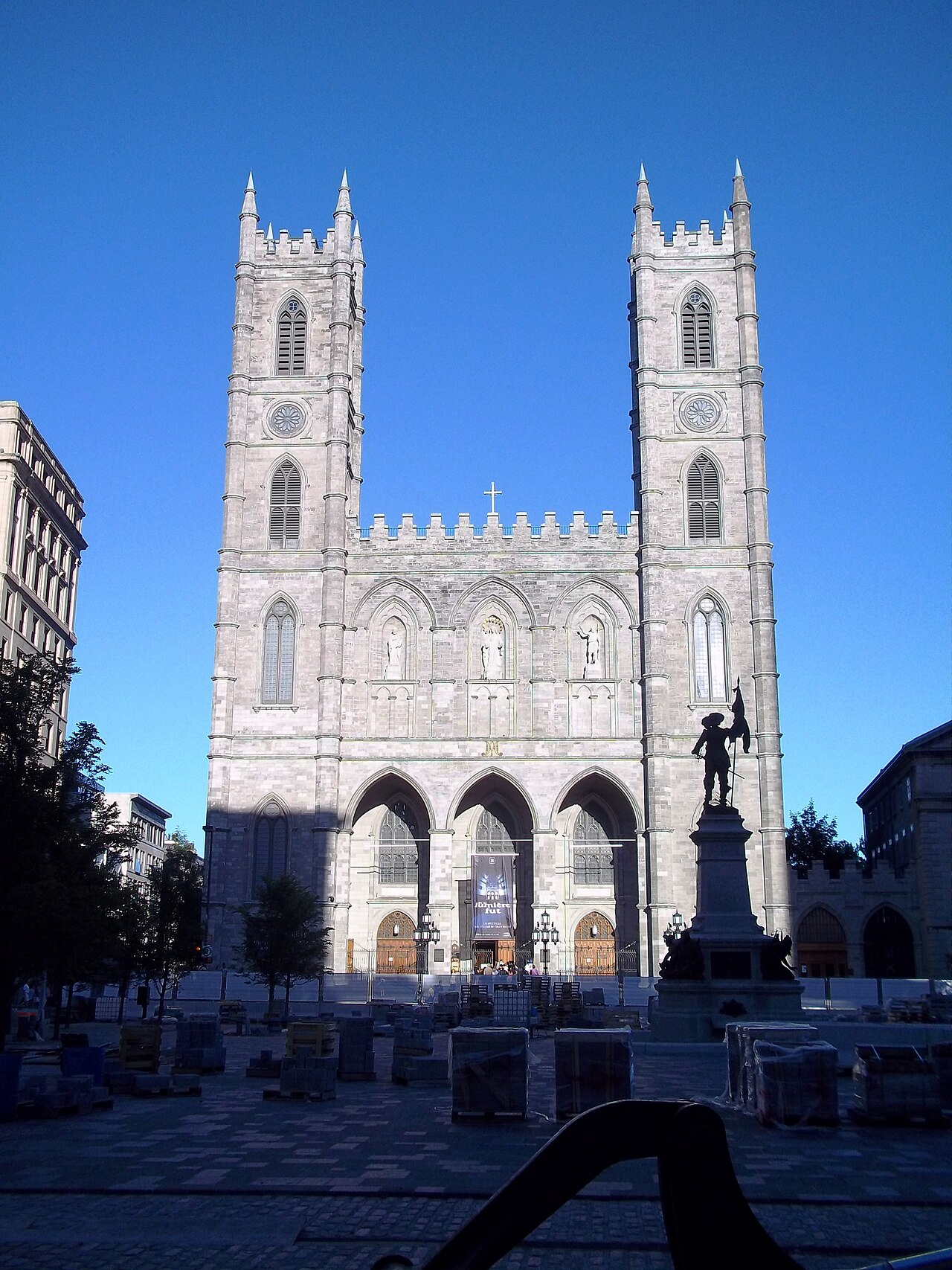
Notre-Dame Basilica
- Must see · Heritage site
- Place of worship
Language · 11 published
Historic monument · Montreal
Vieux-Montreal
Reviewed by Elena Voss · Roavina Travel Editor
Read from the OpenStreetMap access tags; anything not listed has no tag recorded.
Set the group type to family in the planner and the day window contracts to about three quarters of a solo day.
It carries the declared heritage site heritage designation.
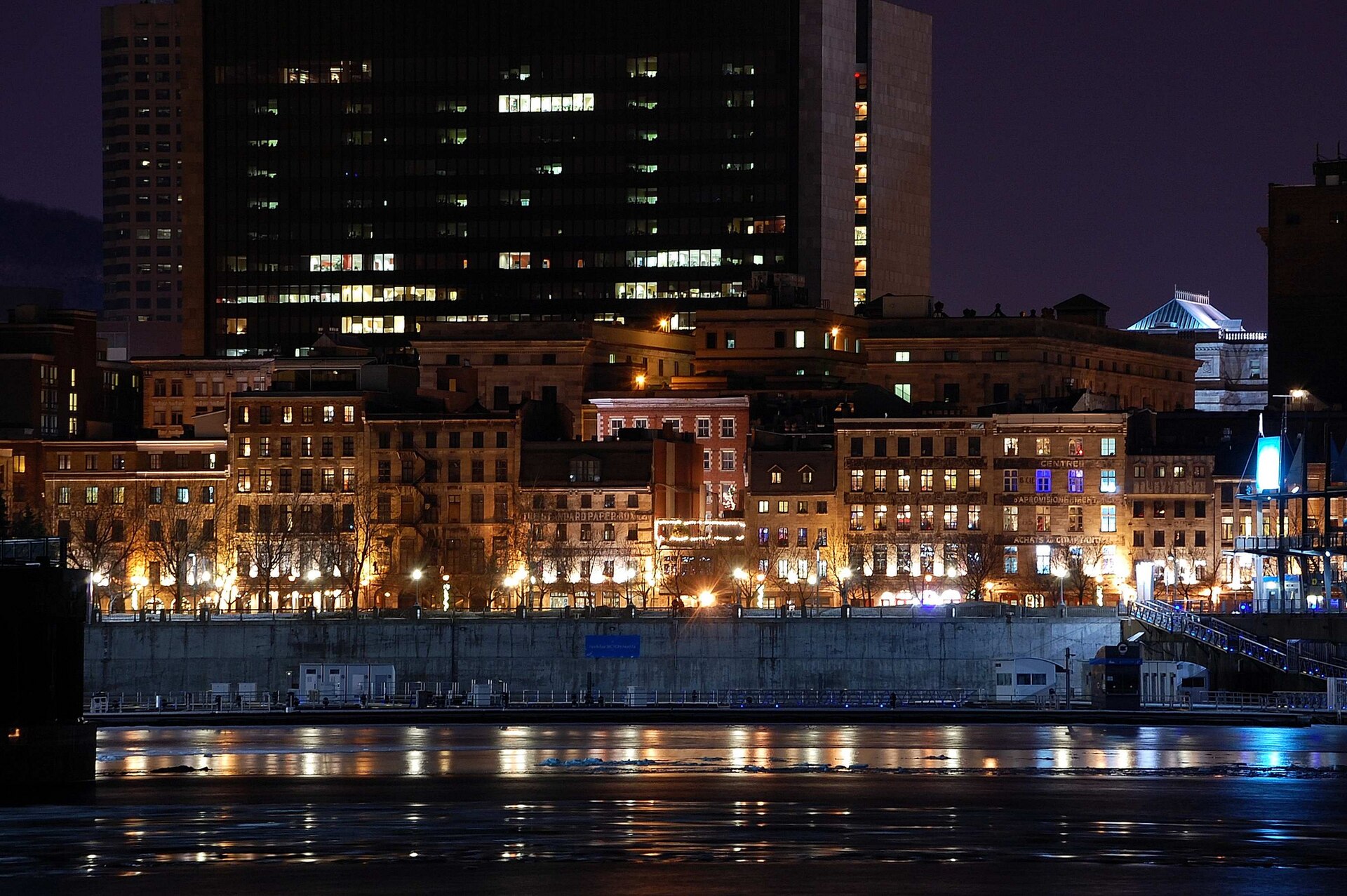
Old Montreal, locally Vieux-Montreal, is the historic waterfront quarter of Montreal, Quebec. It sits on the St. Lawrence River and preserves the city's earliest urban fabric from its 1642 French colonial founding through successive British and modern Canadian periods. The district contains North America's densest concentration of 17th-19th century architecture outside Mexico. Its cobblestone streets, public squares, and riverfront position make it Montreal's essential first-visit district for understanding the city's layered history and contemporary identity. Public streets and squares have no district-wide opening hours or closure days.
Checked 2026-08-31 · Source
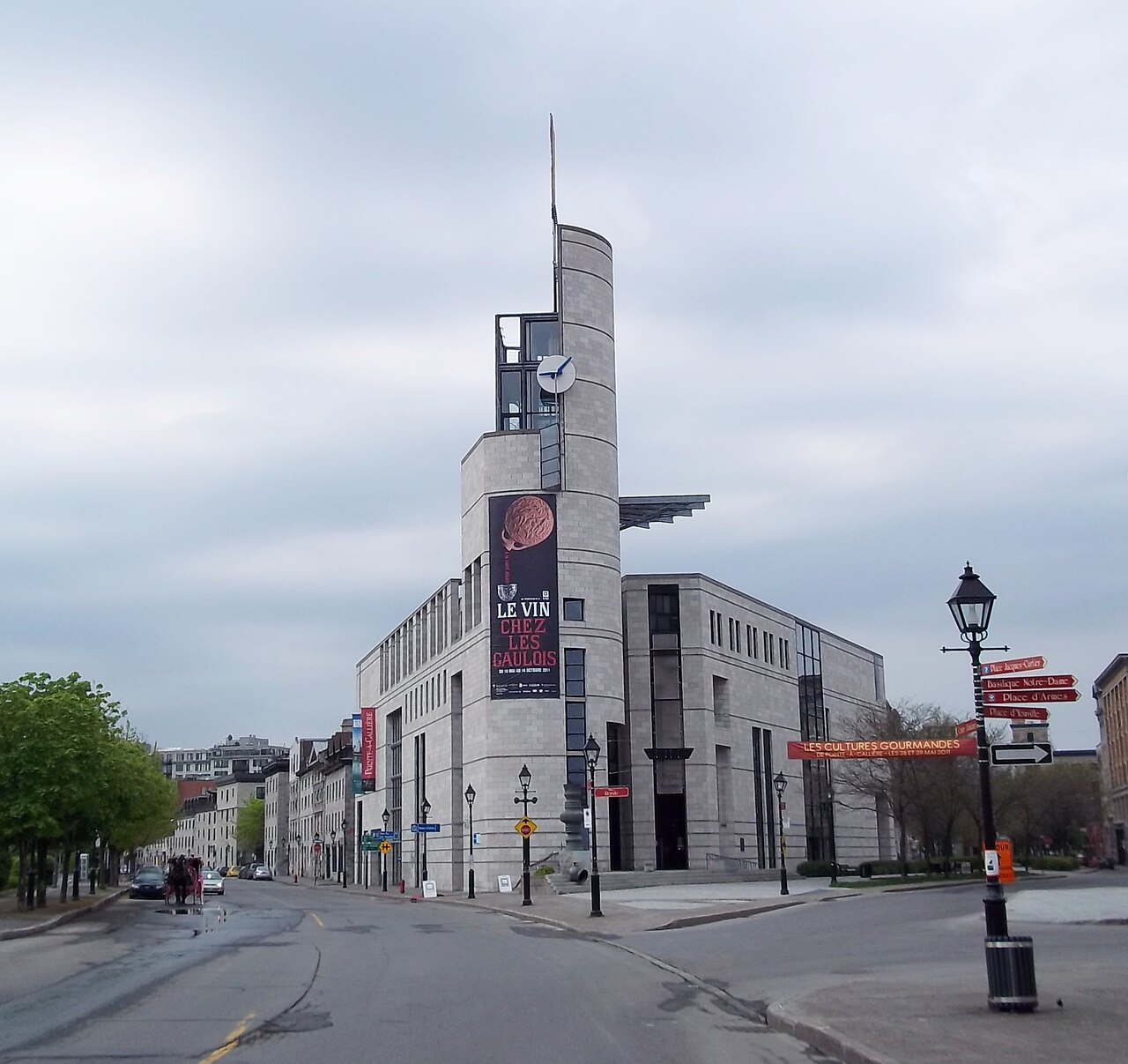
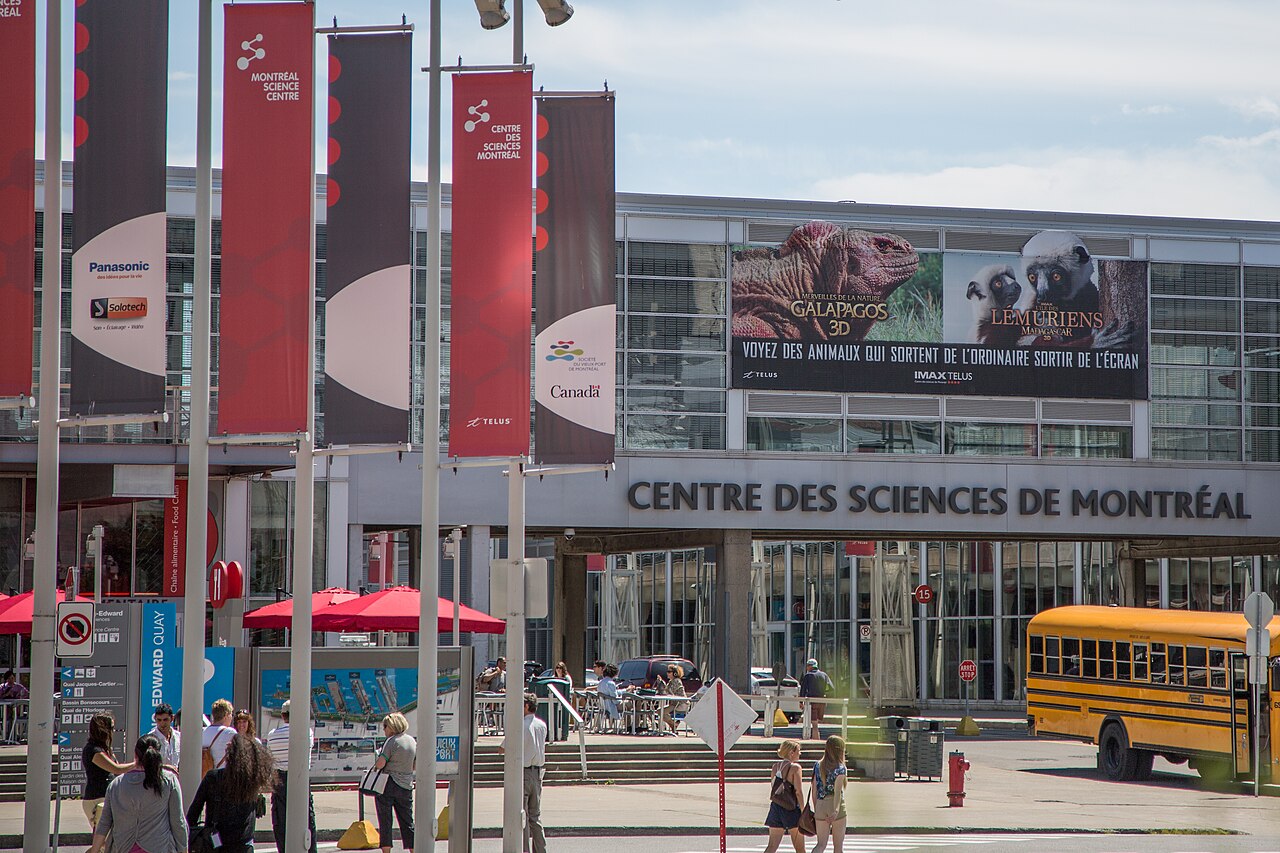
The district encompasses public squares including Place Jacques-Cartier and Place d'Armes, the Notre-Dame Basilica, the Old Port waterfront promenade, the Pointe-a-Calliere museum complex, and the Montreal City Hall. Historic commercial buildings, former banking halls, and religious structures line narrow streets. Waterfront parkland, seasonal terraces, and archaeological remains of earlier fortifications occupy the river edge. The area mixes preserved heritage with active commercial use, including restaurants, galleries, and hotels operating within historic structures. No exact POI inventory is assigned through Montreal city_place_id.
Checked 2026-08-31 · Source
First-time visitors typically allocate a half-day to full day for initial exploration on foot, with return visits for specific interiors or evening atmosphere. The compact district rewards unhurried walking; its street-level detail and architectural variation resist rushed passage. Those entering museums, the basilica, or dining establishments should extend accordingly. The riverfront promenade adds substantial linear distance for those walking its full length. Seasonal events and temporary installations may justify additional time. Free access to the neighbourhood’s public streets and squares; independently operated museums, attractions, tours and events may charge admission.
Checked 2026-08-31 · Source
The district operates as public space without controlled entry, though individual attractions maintain separate schedules. Summer brings maximum pedestrian activity, terrace dining, and waterfront programming. Winter presents severe cold and snow, with reduced outdoor comfort but atmospheric seasonal lighting. Spring and autumn offer moderate temperatures and thinner crowds. Public streets and squares have no district-wide opening hours or closure days. Place-d’Armes and Champ-de-Mars métro stations have elevators between street and platform levels. Place des Montréalaises provides a universally accessible link between Champ-de-Mars station and the city hall area. Historic cobblestone streets are not uniformly smooth, and step-free conditions vary by route.
Checked 2026-08-31 · Source
The historic quarter itself requires no admission fee for street-level wandering. Individual attractions, museums, and religious sites set their own pricing. Some church interiors request donations rather than enforce fixed admission. Guided walking tours operate from Place Jacques-Cartier with variable commercial pricing. Visitors should budget separately for any intended interior visits, meals, or purchased tours. Free access to the neighbourhood’s public streets and squares; independently operated museums, attractions, tours and events may charge admission. Place-d’Armes and Champ-de-Mars métro stations have elevators between street and platform levels. Place des Montréalaises provides a universally accessible link between Champ-de-Mars station and the city hall area.
Checked 2026-08-31 · Source
The district sits immediately south of Montreal's contemporary downtown core, making it accessible on foot from central hotels and the Underground City network. The Orange Line Metro stations Champs-de-Mars and Place-d'Armes flank the quarter's northern edge. Multiple bus routes serve adjacent streets. Use the Orange Line to Place-d’Armes for Place d’Armes, Notre-Dame Basilica and western Old Montreal, or Champ-de-Mars for city hall, Place Jacques-Cartier and eastern Old Montreal. Both stations have street-to-platform elevators. From Champ-de-Mars, Place des Montréalaises supplies a universally accessible pedestrian link toward city hall. The Montréal Tourist Information Office is at 174 Notre-Dame Street East, near Champ-de-Mars station.
Checked 2026-08-31 · Source
Cobblestone surfaces present trip hazards and accessibility challenges, particularly for mobility devices, wheeled luggage, and high footwear. The quarter's popularity attracts street performers, costumed soliciting characters, and concentrated tourist-oriented commerce with associated pricing premiums. Winter ice formation on stone surfaces demands caution. Evening crowds around bars and restaurants can become boisterous. Construction and archaeological work periodically interrupt expected pathways. Place-d’Armes and Champ-de-Mars métro stations have elevators between street and platform levels. Historic cobblestone streets are not uniformly smooth, and step-free conditions vary by route. Accessible washrooms are available at Marché Bonsecours and at the Grand Quay of the Port of Montréal and its promenade.
Checked 2026-08-31 · Source
The district offers exceptional architectural photography throughout daylight hours, with building facades receiving favorable side-lighting in morning and late afternoon. The Notre-Dame Basilica interior permits photography under specific conditions that visitors must confirm on entry. Place Jacques-Cartier's downhill perspective toward the river creates classic compositions. Night photography benefits from building illumination and street lighting on wet cobblestones. Tripod use in commercial interiors and churches typically requires advance permission. The riverfront provides unobstructed eastern horizon views for dawn photography. Accessible washrooms are available at Marché Bonsecours and at the Grand Quay of the Port of Montréal and its promenade.
Checked 2026-08-31 · Source
No. Old Montreal is the historic neighbourhood; the Old Port is the adjoining riverside area along the St. Lawrence. Official visitor material presents them together because they form one connected sightseeing district.
Place d’Armes is a central starting point, surrounded by Notre-Dame Basilica, the Old Seminary and the Bank of Montreal, with Place-d’Armes métro station beside the square.
Rue Saint-Paul is the principal walking axis highlighted by Tourisme Montréal. Rue Saint-Paul West has been converted into a shared street where pedestrians have priority but vehicles may still be present.
No. The city designates it a pedestrian-priority zone, not a wholly pedestrianized district. The Notre-Dame Basilica esplanade is permanently pedestrianized, while other streets remain shared or open to vehicles.
The Montréal Tourist Information Office is at 174 Notre-Dame Street East, near Champ-de-Mars métro station. It is open daily from 9:00 to 18:00.
Tourisme Montréal identifies accessible washrooms at Marché Bonsecours and at the Grand Quay of the Port of Montréal, including its promenade.
Loading the interactive map…
The interactive map could not be loaded.
Last updated:
Source: OpenStreetMap contributors, Wikidata ·