
10 min walk · 九龍城區 Kowloon City District
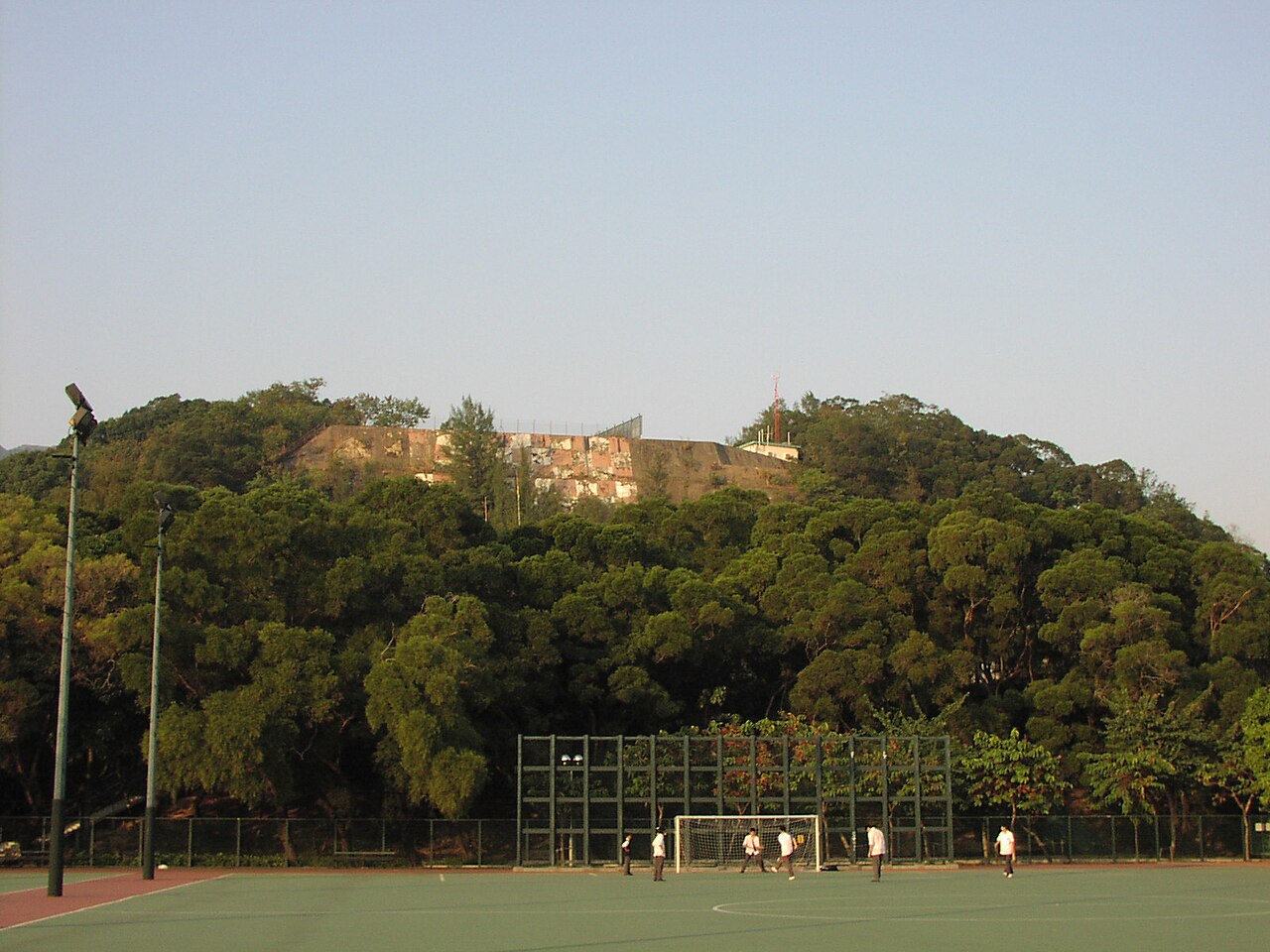
Checkerboard Hill
- Must see
- Viewpoint
Nature site · 九龍城區 Kowloon City District, Hong Kong
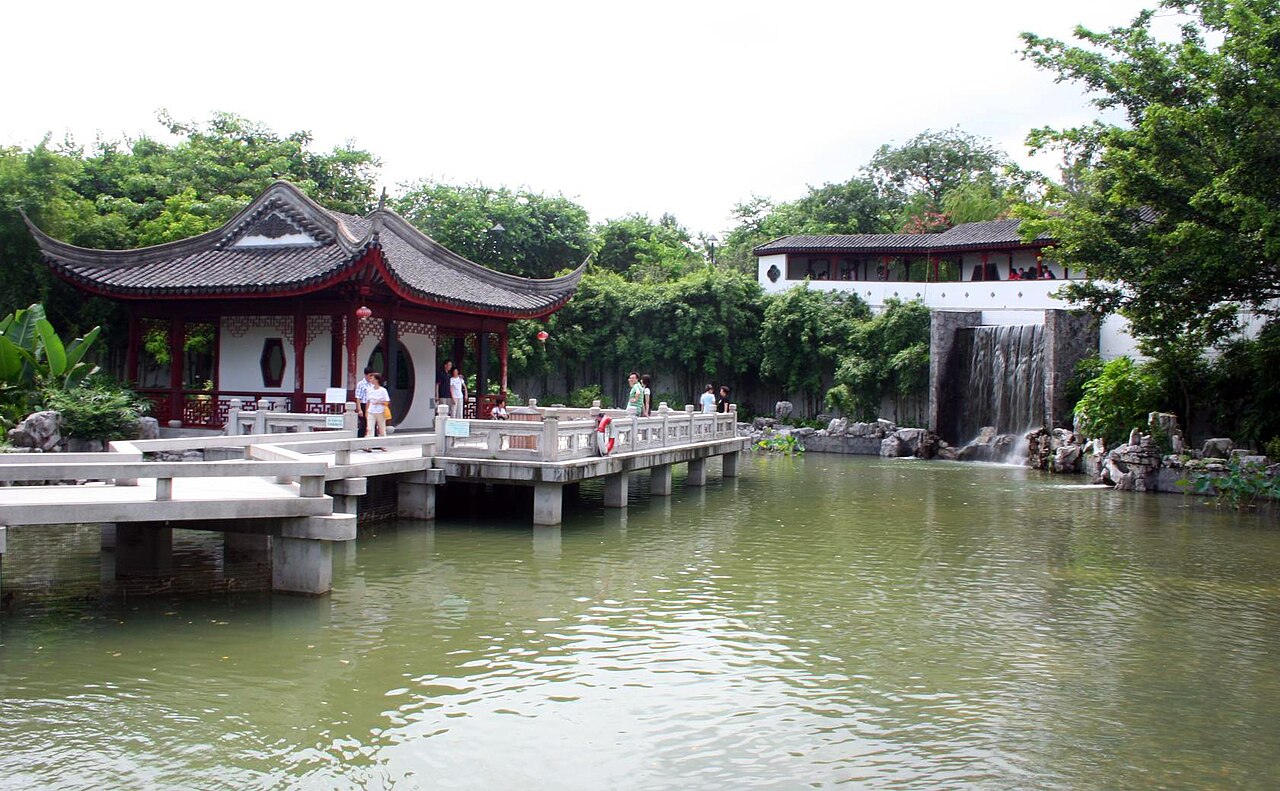
九龍寨城公園 Kowloon Walled City Park
| Monday | 06:30 – 23:00 |
|---|---|
| Tuesday | 06:30 – 23:00 |
| Wednesday | 06:30 – 23:00 |
| Thursday | 06:30 – 23:00 |
| Friday | 06:30 – 23:00 |
| Saturday | 06:30 – 23:00 |
| Sunday | 06:30 – 23:00 |
Checked 2026-08-31 · Source
| Per person | Free entry |
|---|
Checked 2026-08-31 · Source
Read from the OpenStreetMap access tags; anything not listed has no tag recorded.
Set the group type to family in the planner and the day window contracts to about three quarters of a solo day.
Kowloon Walled City Park occupies the site of the former Kowloon Walled City, a densely populated and largely ungoverned settlement that was demolished in the early 1990s. The park opened on the same ground, preserving selected remnants and transforming the notorious enclave into landscaped public space. The site holds significance for understanding Hong Kong's unique urban history and colonial border complexities. Its transformation from one of the world's most crowded places to a tranquil garden represents a remarkable urban renewal story that continues to draw visitors interested in the city's layered past.
Checked 2026-08-31 · Source
The park contains several preserved or reconstructed structures from the Walled City era, including the Yamen building, which served as the administrative centre. Stone foundations and other archaeological remnants are displayed. Traditional Chinese garden design features throughout, with pavilions, ponds, and rock formations. An exhibition about the Walled City's history is presented. The park layout incorporates elements that reference the former settlement's dense form. Paths wind through landscaped areas that contrast sharply with photographs showing the previous built environment. Informational displays help visitors comprehend the extreme conditions that existed on this same ground.
Checked 2026-08-31 · Source
Visitors typically spend between one and two hours exploring the park thoroughly, though individual pacing varies considerably depending on interest in historical interpretation. Those who examine exhibition materials, read all informational panels, and contemplate the site's transformation may require additional time. The compact physical area does not demand extensive walking, yet the density of historical significance encourages slower movement. Photography and quiet reflection extend visits. Combining the park with nearby attractions in Kowloon can form a longer itinerary. The contemplative atmosphere invites lingering, particularly for visitors who arrive familiar with the Walled City's notorious reputation.
Checked 2026-08-31 · Source
Park: daily 06:30–23:00. “Kowloon Walled City: A Cinematic Journey” exhibition: daily 09:00–19:00. No regular weekly closure day is listed. The exhibition closes temporarily during a Black Rainstorm Warning or Tropical Cyclone Warning Signal No. 8 or above; it may reopen within two hours after the warning is cancelled if conditions permit. The park's outdoor gardens suggest daytime visits allow fullest appreciation of the designed landscape and architectural remnants. Morning hours may offer quieter conditions for reflection on the site's dramatic history. Weather considerations apply to this substantially open-air destination, with Hong Kong's summer heat and humidity potentially affecting comfort. Seasonal variations in vegetation and light conditions alter photographic and atmospheric qualities.
Checked 2026-08-31 · Source
Free admission to the park and the “Kowloon Walled City: A Cinematic Journey” exhibition. Exhibition entry uses free same-day timed tickets, issued first-come, first-served; each person may collect no more than two tickets at a time. The park's status as a public facility in Hong Kong suggests no admission charge applies, though visitors should verify current arrangements through official sources. No advance booking requirement is documented in available information. Visitors should carry means for incidental expenses including refreshments or transportation. The absence of pricing information in provided sources prevents definitive statements about costs.
Checked 2026-08-31 · Source
Use MTR Sung Wong Toi Station Exit B3. Named surface connections include KMB buses 1, 1A, 2A, 5, 5C, 9, 10, 11, 11K, 14, 15, 16, 24, 26, 27, 42, 75X, 85 and 203E; CTB routes 20, 22, 107, A22, E23 and E23A; and green minibuses 25M, 39M, 46, 49, 70 and 70A. There is no public car park inside the park. The park is located in Kowloon, accessible via Hong Kong's extensive public transportation network. Multiple MTR stations serve the surrounding area with walking connections. Bus routes operate through nearby streets. The precise optimal station or stop depends on origin point and walking capacity. Taxis and other point-to-point services can deliver visitors close to entrances. Signage in the surrounding urban area assists navigation on foot.
Checked 2026-08-31 · Source
The main scenic spots and exhibition areas are wheelchair-accessible via ramps or sloping paths. The park has many slopes because of its uneven terrain. Some passages have cobblestone paving that can become slippery in rain. An accessible toilet is provided near the North-East Gate. The park's transformation from notorious slum to peaceful garden may create dissonance for visitors expecting visible evidence of extreme past conditions; most physical traces were eradicated during demolition. Informational displays rather than preserved structures convey the former density and informality. Weather protection is limited across much of the site. Mosquito precautions apply in garden areas with water features. The emotional weight of the site's history, including documented hardships of former residents, deserves respectful visitor conduct. Photography of other visitors should observe appropriate boundaries.
Checked 2026-08-31 · Source
The park offers compositions combining traditional Chinese garden aesthetics with historical remnants, creating distinctive photographic subjects. The Yamen building provides architectural interest. Pond reflections, rock arrangements, and pavilion structures support varied images. Photographers benefit from understanding the site's transformation to capture meaningful juxtapositions with historical reference photographs. Morning and late afternoon light enhance garden atmosphere. The challenge lies in conveying the extraordinary contrast between present calm and documented past intensity. Respectful photography of any commemorative elements maintains appropriate visitor conduct.
Checked 2026-08-31 · Source
The park covers 31,000 square metres and officially opened for public use on 22 December 1995.
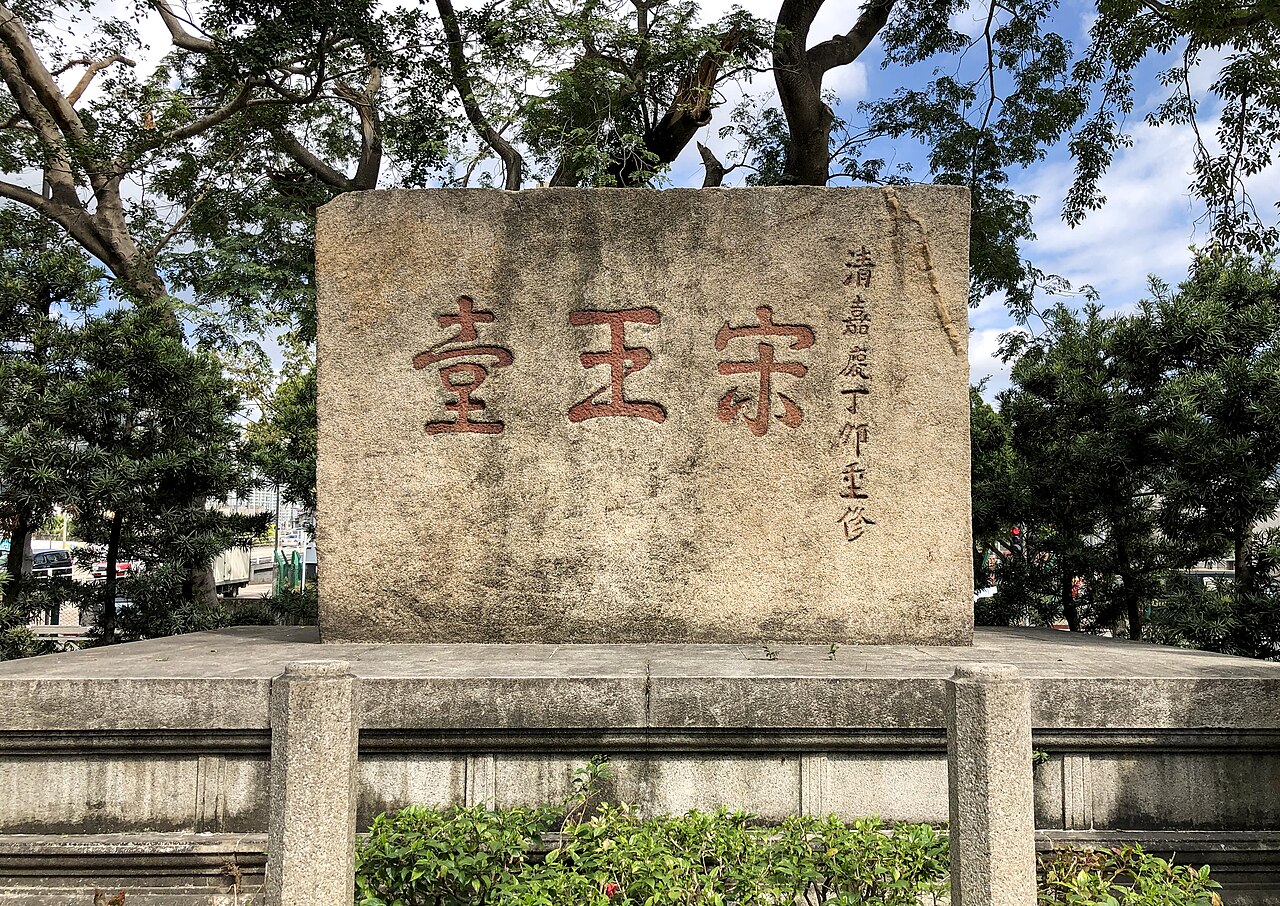
The Yamen is the only surviving building. It is a declared monument and contains stone tablets, historical displays and two cannons made in 1802.
Archaeological remains preserved in place include two inscribed granite plaques, the gate’s granite paving and foundations, a flagstone path and a drainage ditch.
The display comprises an outdoor exhibition area at the South Gate and eight exhibition rooms inside the Former Yamen.
“Kowloon Walled City: A Cinematic Journey” runs from 24 May 2025 through 23 May 2028 and admits no more than 60 people at one time.
The eight features are the Yamen, Old South Gate, Eight Floral Walks, Garden of Four Seasons, Garden of Chinese Zodiac, Chess Garden, Mountain View Pavilion, and the combined Fui Sing Pavilion and Guibi Rock area.
Loading the interactive map…
The interactive map could not be loaded.
Last updated:
Source: OpenStreetMap contributors, Wikidata ·