


8 min walk
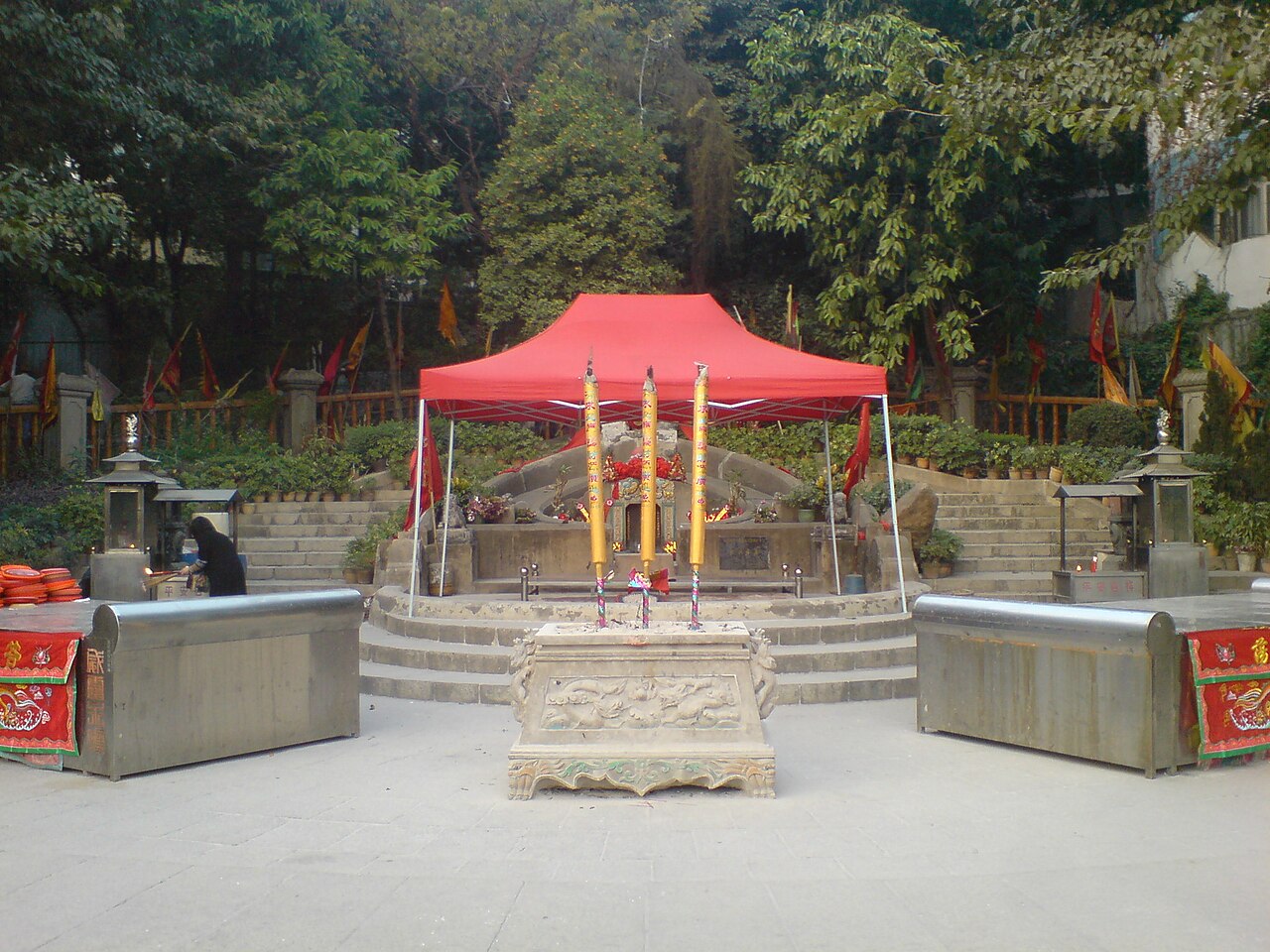
Tomb of Emperor Shao of Song
- Must see
- Historic monument
Language · 11 published
Place of worship · Shenzhen
赤湾天后宫
Reviewed by Elena Voss · Roavina Travel Editor
This place is a Place of worship.
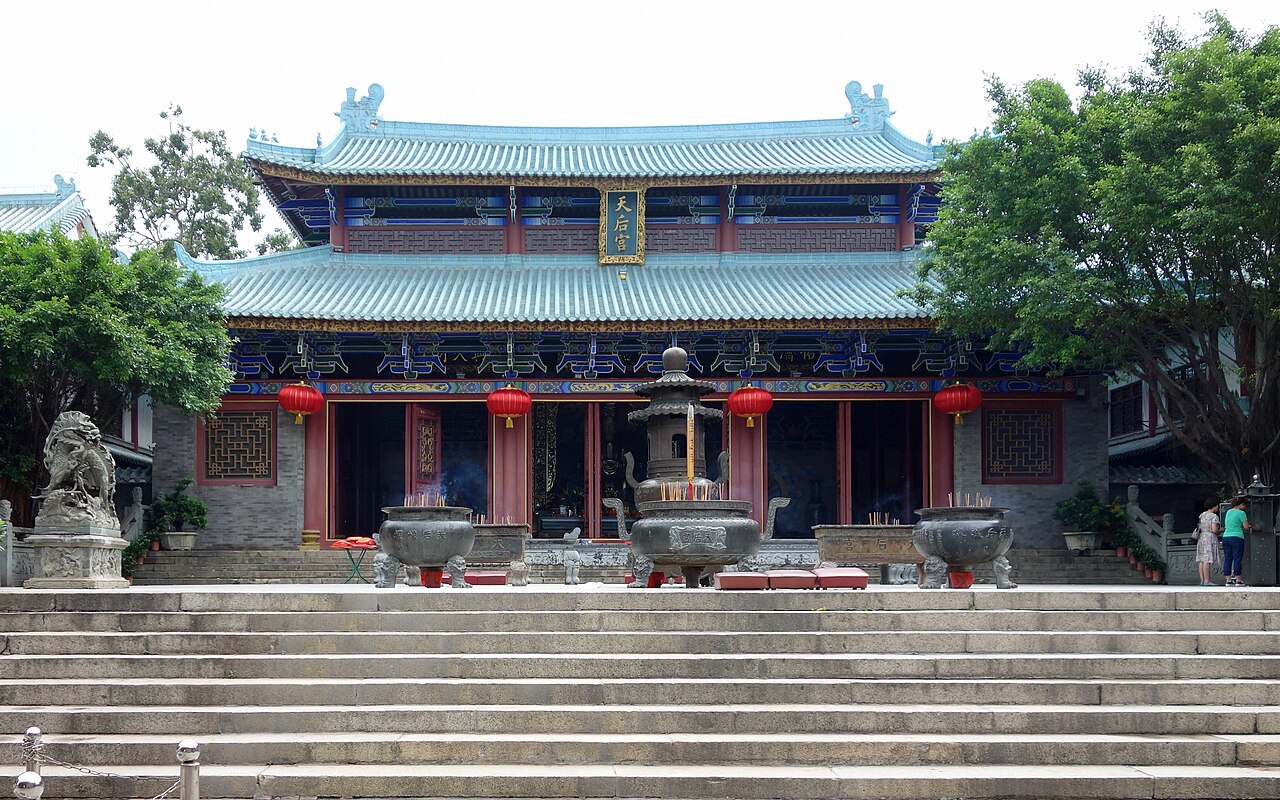
Chiwan Tianhou Temple, also called 赤湾天后宫, is a historic place of worship in Shenzhen dedicated to Tianhou, the sea goddess Mazu. Its setting in Chiwan connects the temple with the maritime traditions of southern China and with the coastal communities that shaped this part of the city. Visit for a quieter cultural experience centred on devotion, architecture, and Shenzhen’s older coastal identity. Chiwan Tianhou Temple, known locally as 赤湾天后宫, is a historic temple in Shenzhen dedicated to Tianhou, the Chinese sea goddess Mazu. The temple holds significance as a cultural and religious site along the southern Chinese coast. It represents traditional Lingnan architectural styles and serves as a place of worship for fishermen and maritime communities. The temple's location at Chiwan reflects Shenzhen's coastal heritage before the city's rapid modern development transformed the region into a major metropolitan area.
Checked 2026-08-26 · Source
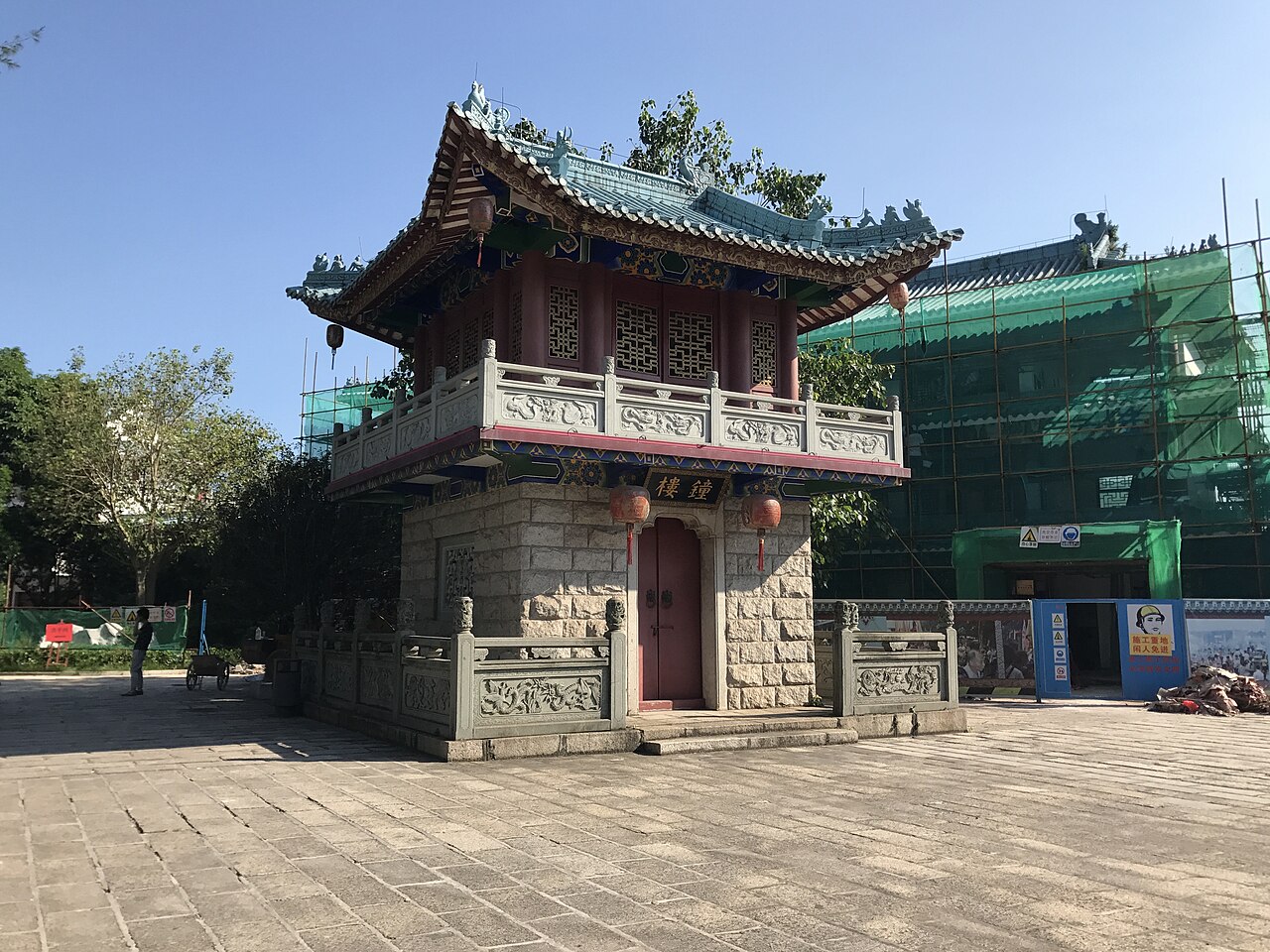
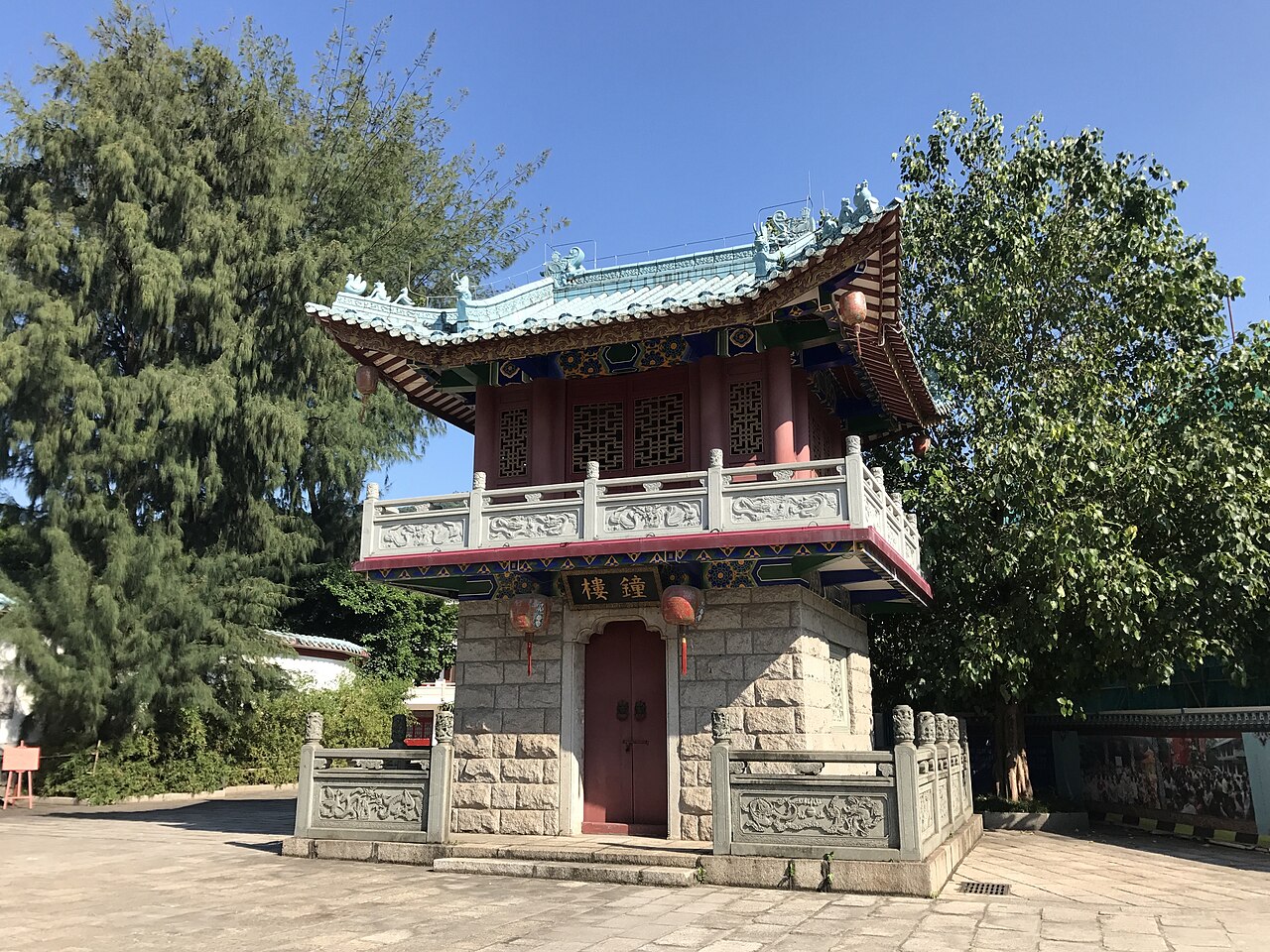
The complex contains traditional halls, courtyards, religious statuary, incense burners, and decorative details associated with southern Chinese temples. The principal worship hall is dedicated to Mazu, while the surrounding spaces support prayer and movement through the compound. Treat the site as a living religious place rather than a conventional museum: the atmosphere comes from worship, ritual objects, architecture, and the activity of visitors. The temple complex contains traditional halls, courtyards, and religious statuary dedicated to Mazu worship. Architectural elements typically found in southern Chinese temples are present, including incense burners and decorative carvings. The main worship hall houses the principal deity statue. Auxiliary structures support temple functions and visitor circulation. Gardens and open spaces provide contemplative areas within the compound. Visitors should expect a functioning religious site rather than a museum presentation.
Checked 2026-08-26 · Source
Allow about one to two hours for a considered visit. That gives you time to walk through the courtyards, look closely at rooflines and carvings, observe the main halls, and pause without rushing people who are praying. The grounds do not require an extensive hike. Add further time if you plan to pair the temple with other places around Chiwan and the southern Nanshan coast. Visitors typically allocate between one and two hours for exploring the temple grounds at a measured pace. This duration allows for circuiting the main halls, observing architectural details, and brief participation in devotional activities if desired. Photography and quiet contemplation extend visits slightly. The compact nature of traditional temple compounds means extensive walking is not required.
Checked 2026-08-26 · Source
Early morning suits visitors who want a calmer atmosphere and a closer sense of the temple as a place of worship. Weekends and public holidays can bring more people, while Mazu observances, including celebrations associated with her birthday on the twenty-third day of the third lunar month, can make the site especially lively. Shenzhen’s hot, humid summers and sudden rain make light clothing and weather protection useful.
Checked 2026-08-26 · Source
The temple is best approached as a devotional and cultural stop, with spending focused on personal offerings or incense rather than on a museum-style visit. Carrying small Chinese notes can be convenient around religious sites. The wider journey to Chiwan is the main practical commitment. Plan the temple as part of a southern Shenzhen outing and leave room for a respectful, unhurried visit.
Checked 2026-08-26 · Source
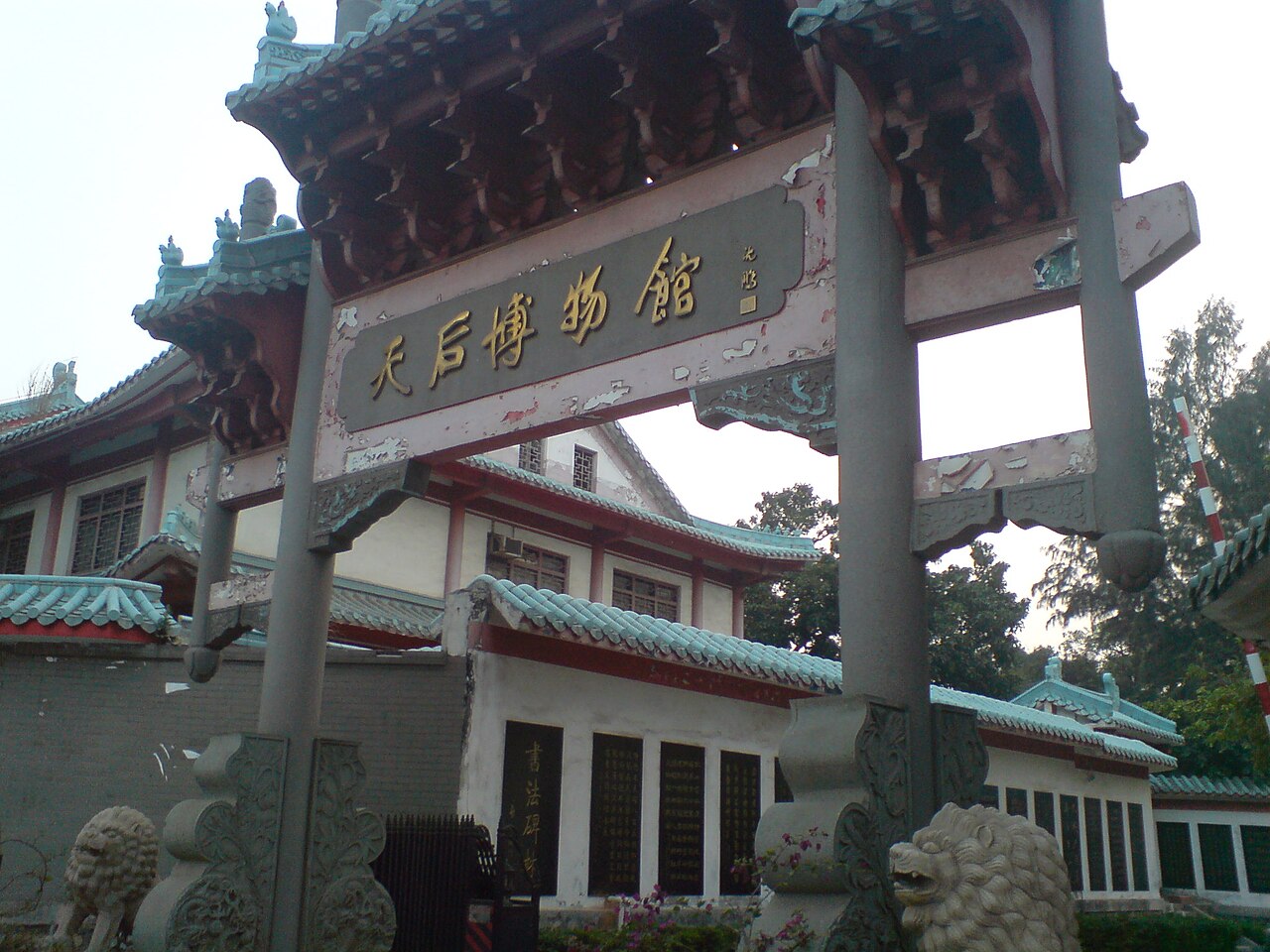
Chiwan Tianhou Temple is in Shenzhen’s Nanshan District, in the Chiwan area west of the central urban core. Chiwan is served by Shenzhen’s metro network, with the final approach completed on foot or by local road transport. Use the Chinese name 赤湾天后宫 when showing the destination to a driver or reading local signs. The temple works well with a route focused on Chiwan’s coastal and historic landmarks.
Checked 2026-08-26 · Source
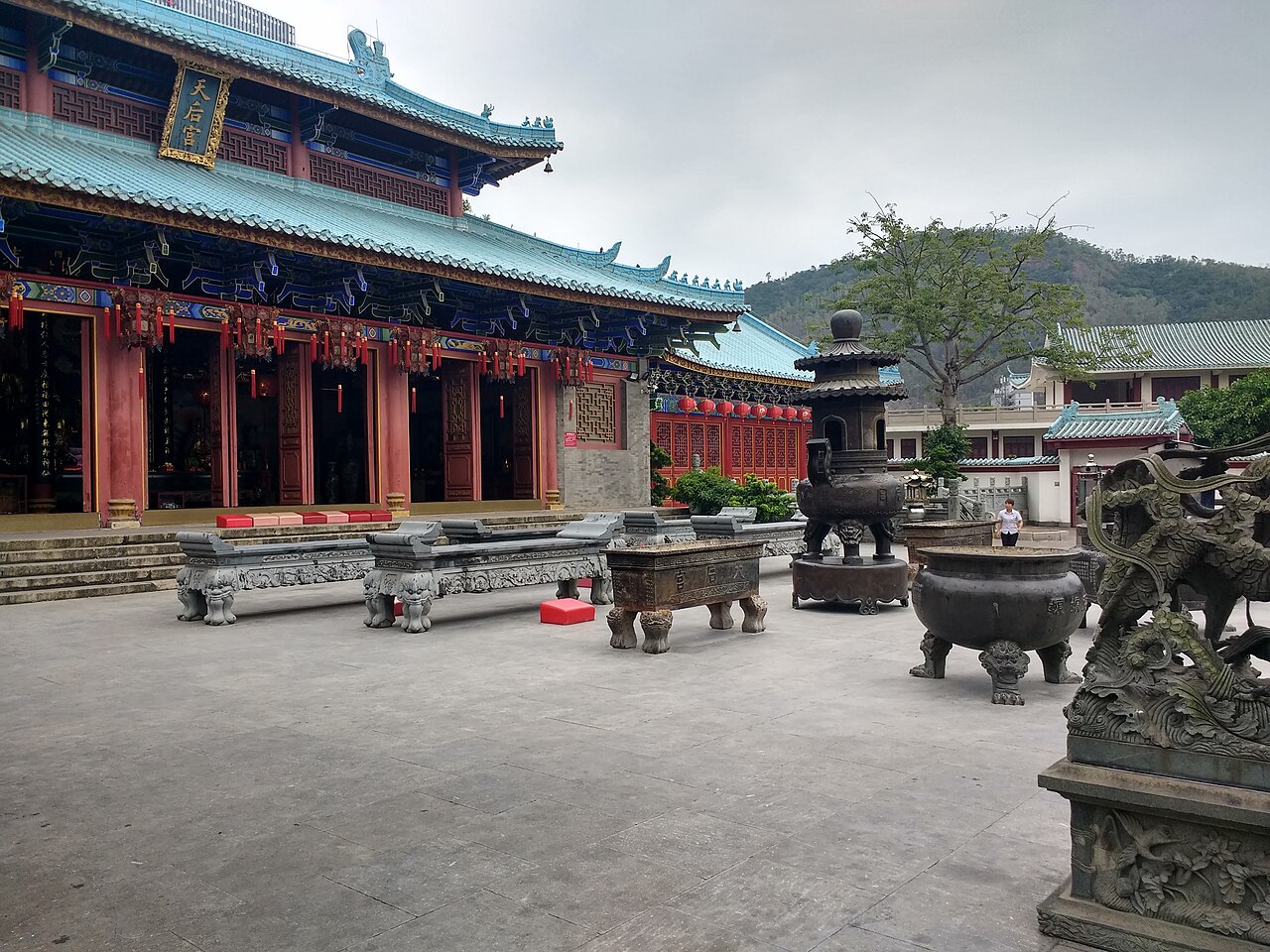
This is an active religious site, so keep conversations quiet and give worshippers space. Follow signs around halls and avoid blocking entrances or ritual activity. Incense smoke can be strong, especially near offering areas. Traditional temple compounds may include steps and uneven stone paving, so comfortable shoes help. During festivals, move patiently through crowded spaces and keep valuables secure.
Checked 2026-08-26 · Source
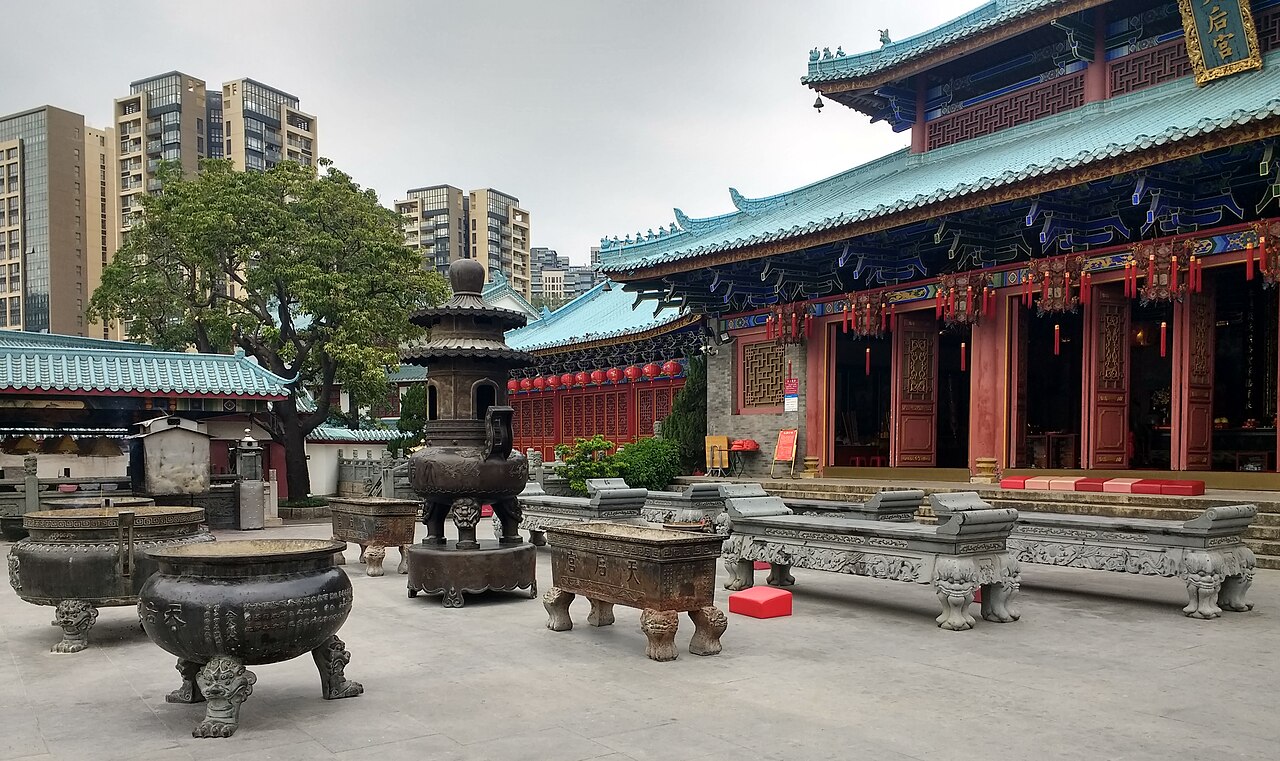
The exterior provides strong subjects: layered rooflines, carved decoration, incense burners, courtyards, and the contrast between traditional forms and Shenzhen’s modern surroundings. Photograph worshippers only with clear courtesy, and leave cameras away when signs or ritual circumstances call for privacy. Flash can disturb the atmosphere inside halls. Morning light is gentle for architectural details, while incense haze can add depth to exterior scenes.
Checked 2026-08-26 · Source
Chiwan Tianhou Temple is dedicated to Tianhou, the sea goddess Mazu, and remains a place connected with maritime worship in southern China.
Visitors can see traditional halls, courtyards, religious statuary, incense burners, decorative carvings, and architectural details associated with southern Chinese temples.
Allow about one to two hours to walk through the compound, view the halls, study the architecture, and spend time quietly in the courtyards.
The temple is in Chiwan, within Shenzhen’s Nanshan District, west of the city centre and close to the southern coastal area.
No. It is a functioning religious site, so visitors should expect worship, incense, devotional activity, and a quieter atmosphere rather than a conventional museum display.
Keep quiet, give worshippers space, follow signs, treat ritual areas respectfully, and take care around steps and uneven stone surfaces.
Loading the interactive map…
The interactive map could not be loaded.
Last updated:
Source: OpenStreetMap contributors, Wikidata ·