
1 min walk · Paris 5e Arrondissement
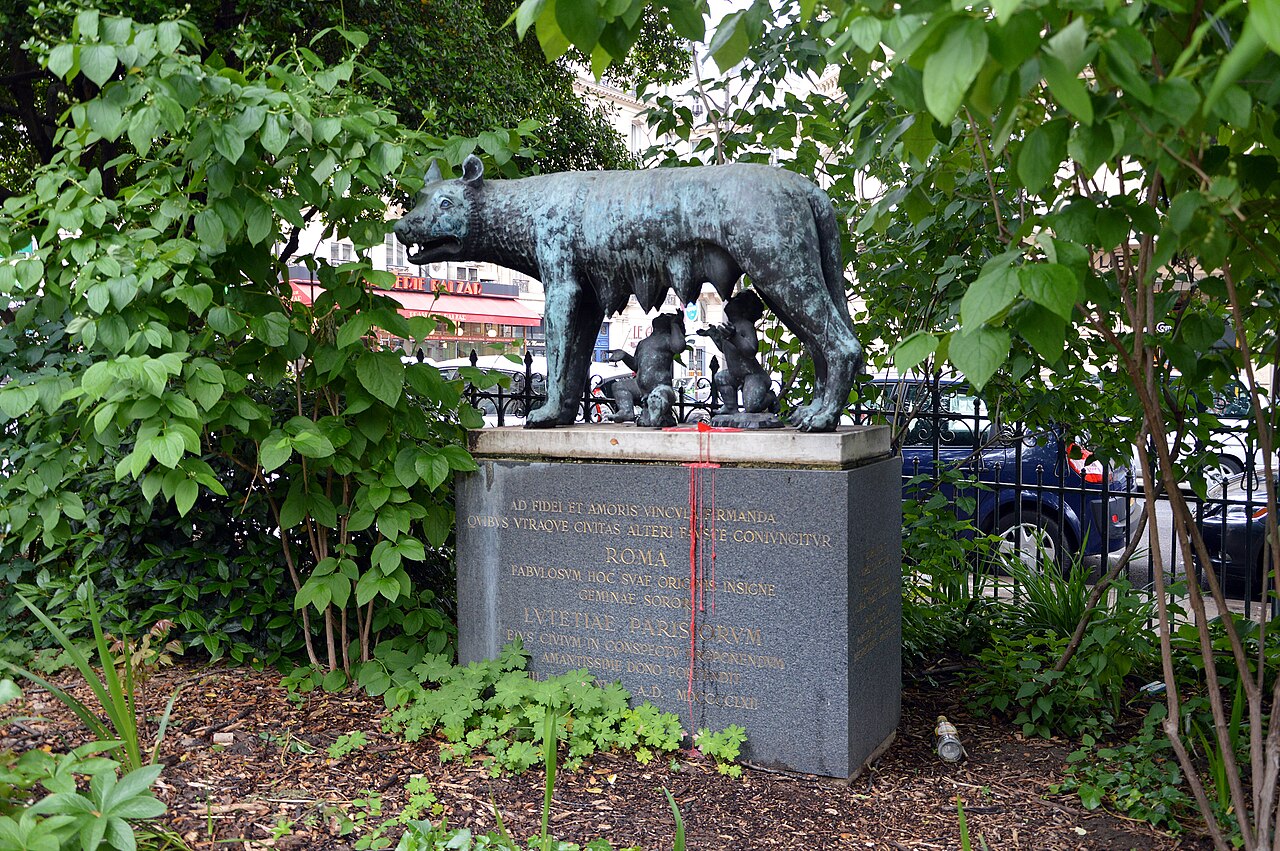
Capitoline Wolf
- Notable
- Art and culture venue
Language · 11 published
Museum · Paris 5e Arrondissement, Paris
Reviewed by Elena Voss · Roavina Travel Editor
| Monday | Closed |
|---|---|
| Tuesday | 09:30 – 18:15 |
| Wednesday | 09:30 – 18:15 |
| Thursday | 09:30 – 18:15 |
| Friday | 09:30 – 18:15 |
| Saturday | 09:30 – 18:15 |
| Sunday | 09:30 – 18:15 |
Checked 2026-08-24 · Source
Read from the OpenStreetMap access tags; anything not listed has no tag recorded.
Set the group type to family in the planner and the day window contracts to about three quarters of a solo day.
This place is a Museum. It opened in 1843.
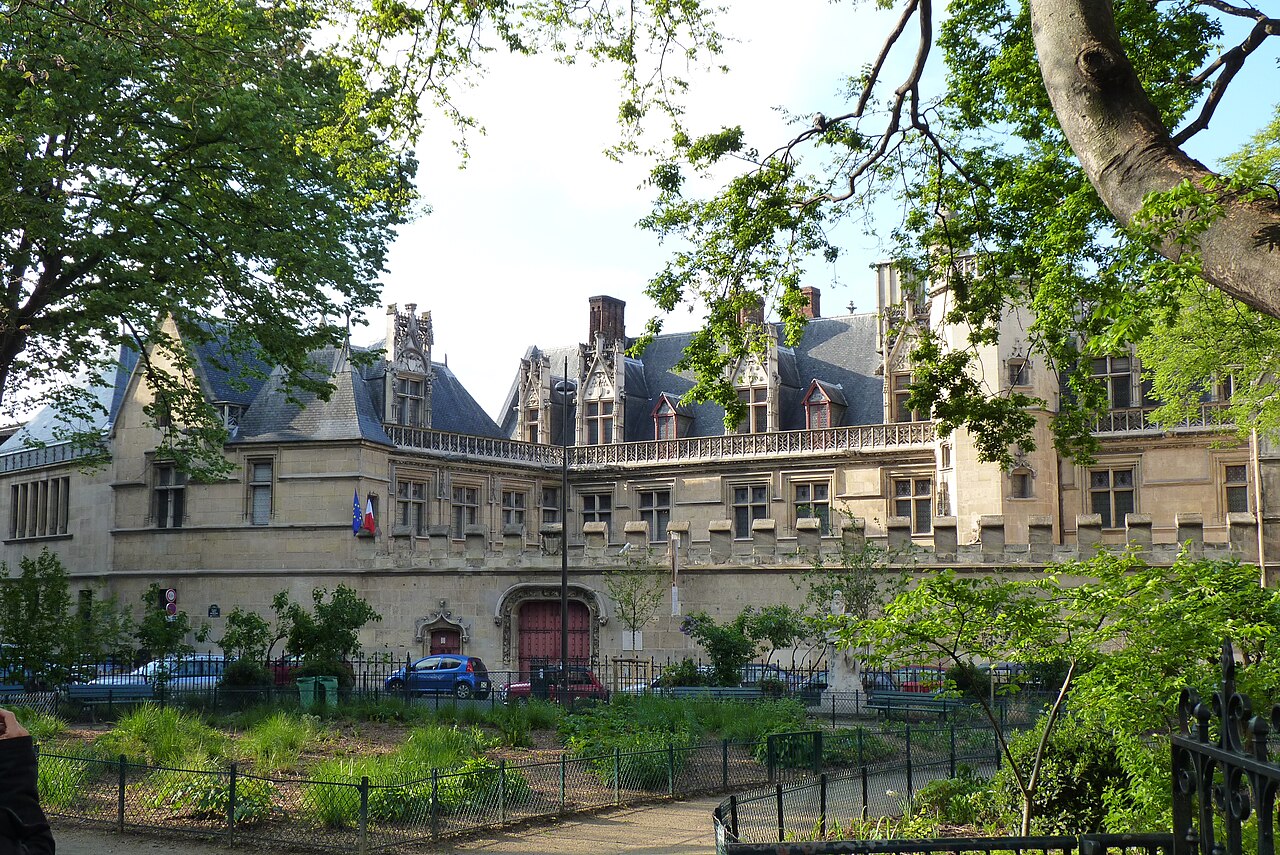
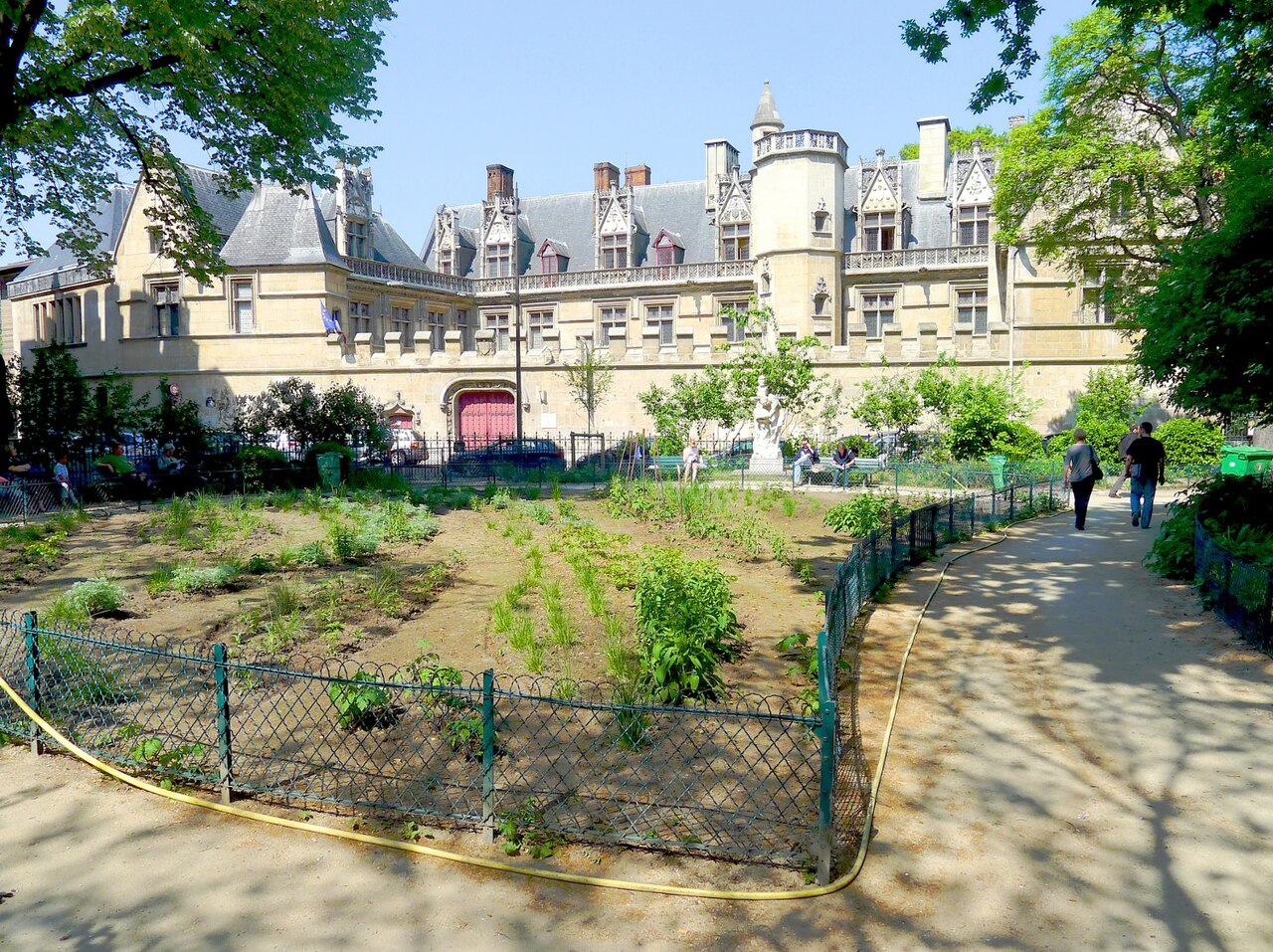
Musée de Cluny, formally the Musée national du Moyen Âge, brings together Roman archaeology, a late-medieval residence and medieval art in one compact Latin Quarter site. The Hotel de Cluny was built between about 1485 and 1500 as the Paris residence of the abbots of Cluny. Its walls meet the ancient public baths of Lutetia, so the visit moves between the scale of a Roman public building and the enclosed character of a medieval mansion. The museum reopened in May 2022 after renovation, with a glass-fronted entrance and a reorganised route through the mansion, collections and Roman ruins. The result is a museum where the architecture is not merely a setting: the Roman remains, medieval house and displayed objects explain Paris across two very different historical layers.
Checked 2026-08-24 · Source
The museum’s best-known work is The Lady and the Unicorn, a cycle of six wool-and-silk tapestries woven around 1500, probably in a Brussels workshop. The panels hang in a dedicated dimly lit rotunda designed for the cycle. The Gallo-Roman frigidarium retains its original vaulted ceiling and provides one of Paris’s clearest surviving interiors from Roman Lutetia. Other highlights include medieval stained glass, illuminated manuscripts, gold reliquaries and stone heads from Notre-Dame’s former Gallery of Kings. A walled medieval garden extends the visit outdoors. The displays work especially well as a sequence: delicate textiles and glass invite close attention, while the baths and mansion establish the architectural scale of the period. Leave time to see both the headline objects and the less famous works that reveal how medieval people worshipped, decorated rooms and represented power.
Checked 2026-08-24 · Source
Allow roughly one and a half to two and a half hours for the Roman baths, medieval mansion, permanent collection and tapestry rotunda. The six panels of The Lady and the Unicorn contain enough detail to reward an unhurried visit, and the tapestry room alone can take twenty minutes or more. A shorter visit can concentrate on the frigidarium, the mansion and the principal medieval works. A fuller circuit leaves time for stained glass, manuscripts, reliquaries, the Notre-Dame heads and the medieval garden. Musée de Cluny rewards a measured pace because its appeal is distributed across different spaces rather than concentrated in a single gallery. Visitors who enjoy architecture should reserve extra time for the relationship between the Roman remains and the later residence.
Checked 2026-08-24 · Source
The tapestry rotunda is deliberately dim because the textiles are light-sensitive, so the room has much the same atmosphere in bright and overcast weather. The low light changes how the six panels are read: visitors need more time for small details than they would in a normally lit gallery. Weekday mornings can be lively around the principal rooms, particularly when school groups are visiting. The medieval garden offers an outdoor pause between the galleries and gives the visit a different rhythm. For a balanced experience, combine close looking in the tapestry room with time in the Roman baths, the mansion and the garden rather than treating the museum as a single-highlight stop.
Checked 2026-08-24 · Source
The museum’s principal visit follows a route through the medieval mansion, Roman baths and permanent collection, with The Lady and the Unicorn as its most famous focal point. Set aside enough time for the six tapestries rather than planning Musée de Cluny as a brief stop between other Latin Quarter sights. The site suits visitors who want a concentrated encounter with medieval art in Paris: the mansion supplies the historical setting, the baths connect the museum to Roman Lutetia, and the collection brings together textiles, glass, manuscripts, metalwork and sculpture. The layout also makes it easy to alternate between architectural spaces and object displays as the visit unfolds.
Checked 2026-08-24 · Source
Cluny–La Sorbonne station on Metro line 10 is immediately beside the museum, at the corner of Boulevard Saint-Germain and Boulevard Saint-Michel. Saint-Michel–Notre-Dame, served by RER lines B and C, is a short walk north towards the Seine. The surrounding Latin Quarter makes Musée de Cluny easy to include in a longer walking route. Approach through the university district, continue towards the river and Île de la Cité, or explore the older streets south of the museum. The Sorbonne and nearby university buildings place the museum on a natural north–south line through this part of Paris, so the visit works well as part of a neighbourhood walk.
Checked 2026-08-24 · Source
The Lady and the Unicorn room is intentionally dark, and small details take longer to read than they do in a normally lit gallery. The modern glass entrance added during the 2022 renovation sits alongside the historic mansion, so the doorway is less visually old-fashioned than the building it serves. The museum combines indoor galleries, substantial Roman remains and an outdoor medieval garden; comfortable shoes help if you want to experience the complete circuit. School groups can concentrate around the principal rooms on weekday mornings. Give your eyes time to adjust in the tapestry room, and remember that the Roman baths and medieval residence are central parts of the visit rather than background scenery.
Checked 2026-08-24 · Source
The frigidarium’s vaulted ceiling is the strongest architectural subject in the museum, with a scale and structure that translate well into photographs. The tapestry rotunda is much darker because of the conservation needs of the textiles, so handheld images may be difficult and fine details can disappear in low light. The medieval garden provides natural light and a calmer setting for photographs after the galleries. Keep photography quiet and unobtrusive in the tapestry room, where visitors are studying the six panels. A varied visual record can combine the stone vault, medieval masonry, textile displays and garden planting, preserving the contrast between the site’s Roman, medieval and later layers.
Checked 2026-08-24 · Source
It is best known for The Lady and the Unicorn tapestry cycle, six panels woven around 1500, and for the Gallo-Roman public baths preserved beside the medieval mansion.
They date from the Gallo-Roman period. The frigidarium, the baths’ cold room, still has its original vaulted ceiling after nearly two thousand years.
The museum reopened in May 2022 with a new glass-fronted entrance and a reorganised route connecting the medieval mansion, Roman ruins and collections.
They came from the Gallery of Kings on Notre-Dame’s facade. Defaced during the Revolution and buried, the heads were rediscovered by chance in 1977 near Rue de la Chaussée-d’Antin.
The visit also includes the Gallo-Roman frigidarium, medieval stained glass, illuminated manuscripts, gold reliquaries, Notre-Dame’s former Gallery of Kings heads and a walled medieval garden.
Allow about one and a half to two and a half hours for the Roman baths, mansion, galleries and tapestry rotunda. The tapestry room alone can take twenty minutes or more.
Loading the interactive map…
The interactive map could not be loaded.
Last updated:
Source: OpenStreetMap contributors, Wikidata ·