
1 min walk · Paris 16e Arrondissement
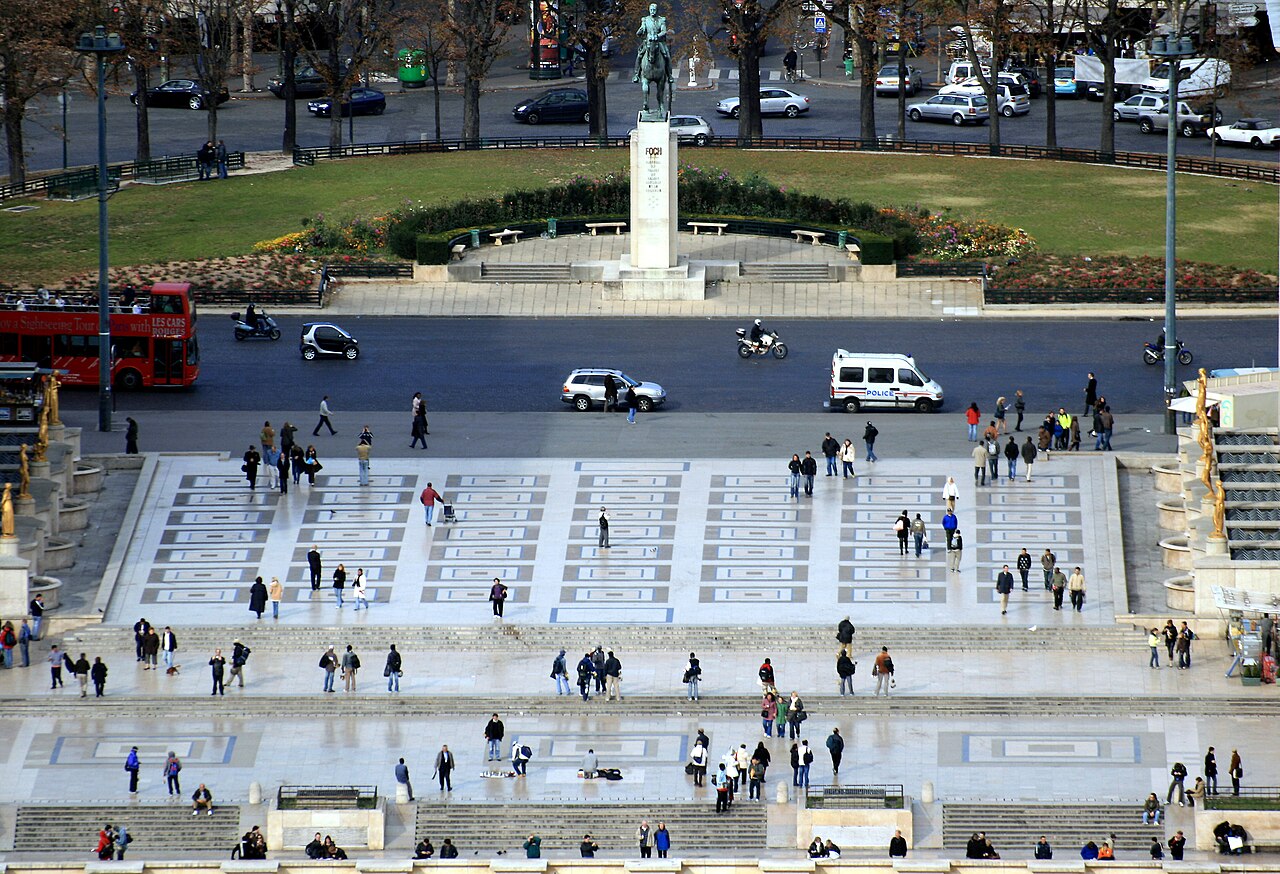
Parvis des droits de l'homme
- High
- Viewpoint
Language · 11 published
Museum · Paris 16e Arrondissement, Paris
Reviewed by Elena Voss · Roavina Travel Editor
| Monday | Closed |
|---|---|
| Tuesday | 11:00 – 19:00 |
| Wednesday | 11:00 – 19:00 |
| Thursday | 11:00 – 19:00 |
| Friday | 11:00 – 19:00 |
| Saturday | 11:00 – 19:00 |
| Sunday | 11:00 – 19:00 |
Checked 2026-08-24 · Source
Read from the OpenStreetMap access tags; anything not listed has no tag recorded.
Set the group type to family in the planner and the day window contracts to about three quarters of a solo day.
This place is a Museum. It opened in 1938.
The Musee de l'Homme is France's national anthropology museum, and it studies one subject only: what makes a human being, told through evolution, biological diversity and culture rather than through any single region or period.
It descends from the Musee d'Ethnographie du Trocadero, founded in 1878, and took its present name and mission in 1937 under director Paul Rivet, when the Trocadero Palace was demolished and rebuilt as the Palais de Chaillot for that year's World's Fair. Rivet and several staff formed a resistance network here during the German occupation; when Nazi tanks entered Paris on 14 June 1940 he had a French translation of Kipling's poem If pinned to the museum's own door.
Most of its ethnographic collection moved to the new Musee du Quai Branly in 2006, and the museum itself closed for a 52-million-euro refurbishment from 2009 to 2015, reopening with the laboratory-museum concept Rivet had always intended: biology, prehistory and culture treated as one continuous story rather than separate departments.
Checked 2026-08-24 · Source
Three permanent galleries run in sequence: Who Are We, tracing human biological and genetic diversity; Where Do We Come From, on human evolution from early hominins through Homo sapiens, anchored by cast skeletons and skulls including a replica of the Cro-Magnon finds; and Where Are We Going, on demography, technology and the human future.
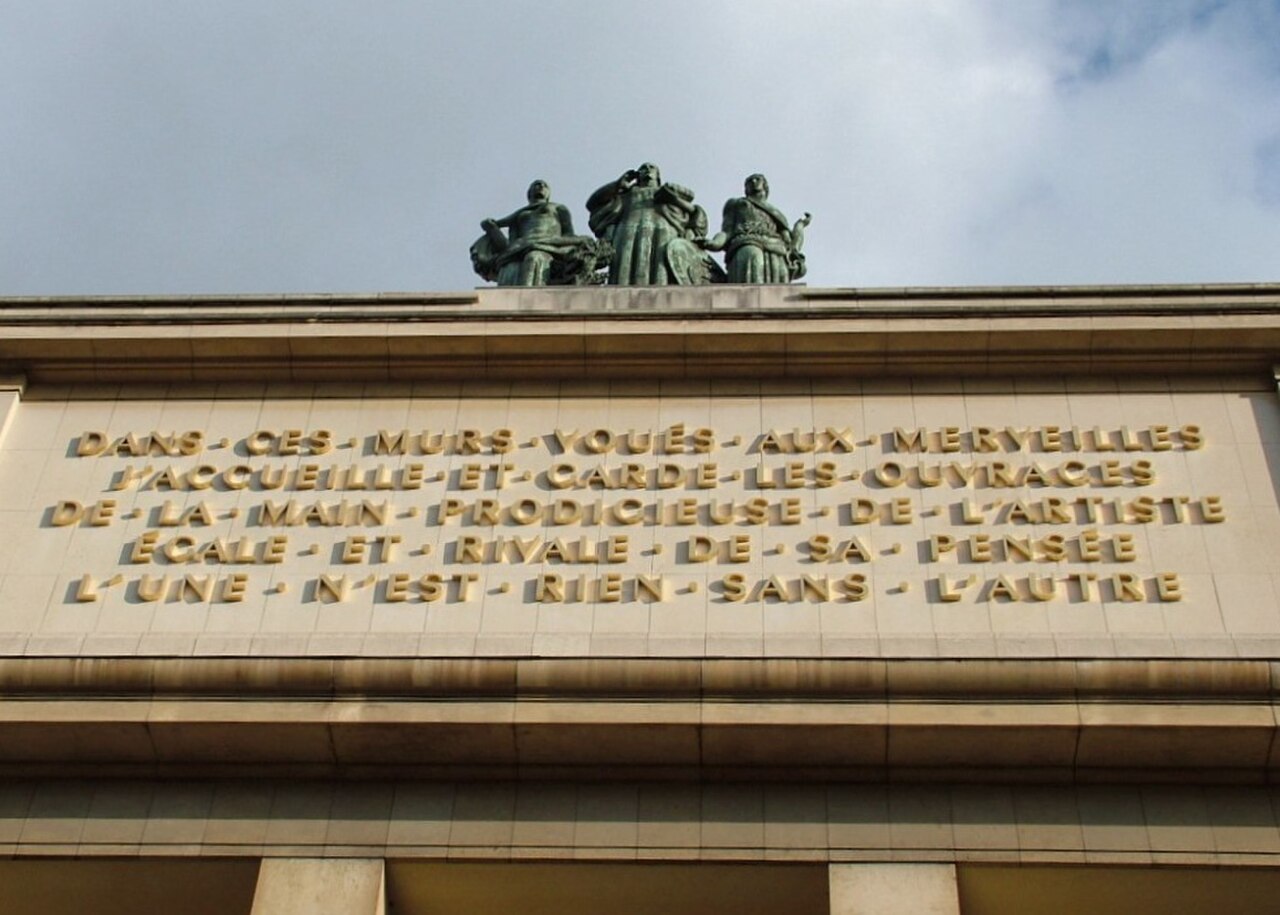
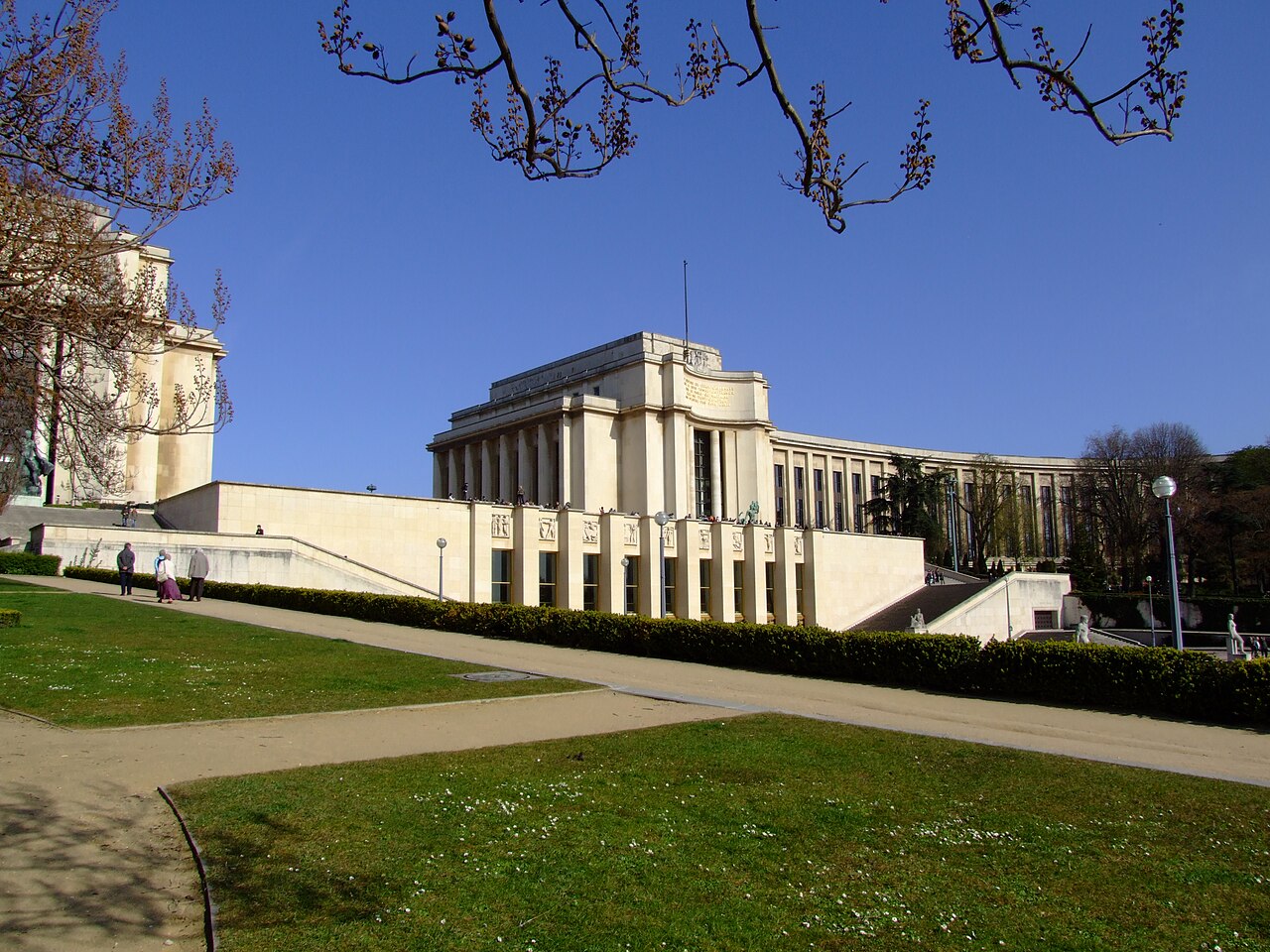
A gallery of busts and research portraits from the old Musee de l'Ethnographie survives as a reminder of the museum's nineteenth-century origins, alongside a public research library. The museum sits inside the Palais de Chaillot's Passy wing, which shares the building with the Cite de l'architecture et du patrimoine in the opposite wing.
In March 2025 the French government committed to returning three Sakalava skulls held in the collection to Madagascar, part of a wider restitution debate that runs through several French ethnographic museums.
The museum is also a working research centre: it groups several CNRS units under the authority of the Musee national d'Histoire naturelle, of which it is one of seven departments, and its scientists continue to publish on human evolution and biological anthropology alongside running the public galleries — a laboratory attached to a museum rather than the reverse.
Checked 2026-08-24 · Source
Two to two and a half hours covers the three permanent galleries at a normal pace; under ninety minutes is tight and skips most of the evolution gallery's detail.
A temporary exhibition, when one is running, adds thirty to forty-five minutes; check the museum's own site before visiting, since the schedule changes through the year.
Checked 2026-08-24 · Source
Treat the when to go details as provisional when arranging this stop in Paris. Check the operator's own site for the travel date before relying on a schedule, fare or closure notice. Keep enough flexibility to move the visit within the same area if current conditions differ from the plan. This guide does not infer practical facts from the venue category, nearby attractions or an aggregator. Check the operator's own site for the travel date before relying on a schedule or fare.
Checked 2026-08-26
Treat the tickets details as provisional when arranging this stop in Paris. Check the operator's own site for the travel date before relying on a schedule, fare or closure notice. Keep enough flexibility to move the visit within the same area if current conditions differ from the plan. This guide does not infer practical facts from the venue category, nearby attractions or an aggregator.
Checked 2026-08-26
17 Place du Trocadero, 16th arrondissement, inside the Palais de Chaillot's Passy wing, directly across the Seine from the Eiffel Tower.
Trocadero station, lines 6 and 9, sits right beneath the square; the walk from any exit to the museum entrance is under five minutes.
Checked 2026-08-24 · Source
The museum is closed on Tuesdays year-round, unlike most Paris national museums which close on Mondays — check the day before planning a visit around it.
The research library keeps separate hours, Monday to Friday, and needs registration and proof of a research project; it is not a walk-in reading room for a casual visitor.
Checked 2026-08-24 · Source
The Trocadero terrace outside the museum, framing the Eiffel Tower across the Seine, is one of the most photographed views in Paris and works at any hour, best at sunrise or just after sunset when the tower's lights are on.
Photography without flash is generally permitted in the permanent galleries; some temporary exhibitions restrict it, and signage at the entrance states the rule for whatever is showing.
Checked 2026-08-24 · Source
Human evolution, biological diversity and culture, told as one continuous story rather than as separate regional collections.
No. Most of the Musee de l'Homme's ethnographic collection moved to the new Quai Branly museum when it opened in 2006; the Homme kept the science of human evolution and diversity.
Tuesdays, plus 1 January, 1 May, 14 July and 25 December.
Check the operator's own site for the travel date before relying on a schedule or fare.
Trocadero, on lines 6 and 9, directly beneath the square.
Only with prior registration and evidence of a research project; it keeps separate weekday hours from the museum.
Loading the interactive map…
The interactive map could not be loaded.

Last updated:
Source: OpenStreetMap contributors, Wikidata ·