


3 min walk · Paris 9e Arrondissement
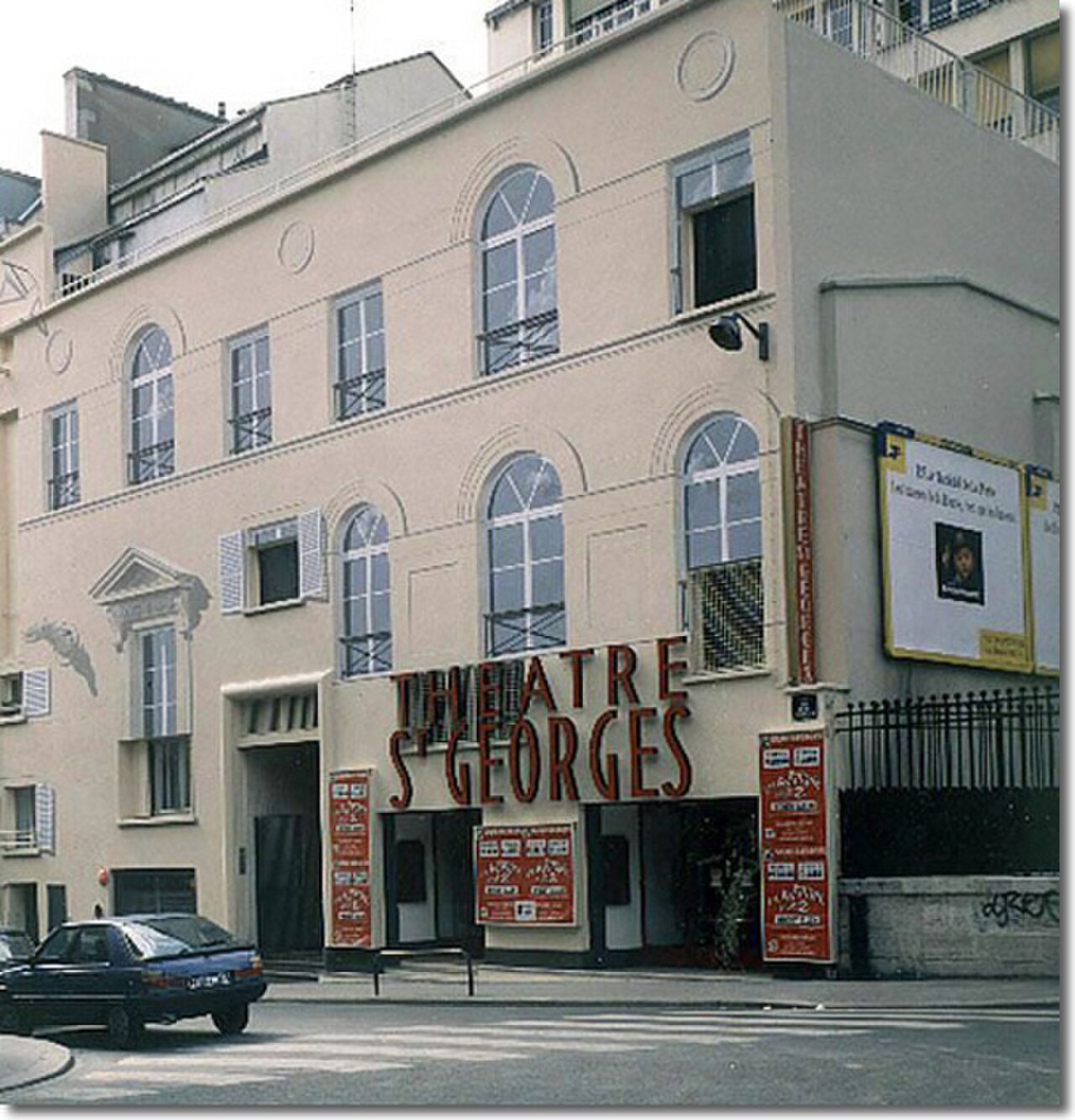
Théâtre la Bruyère (Paris, France)
- High
- Art and culture venue
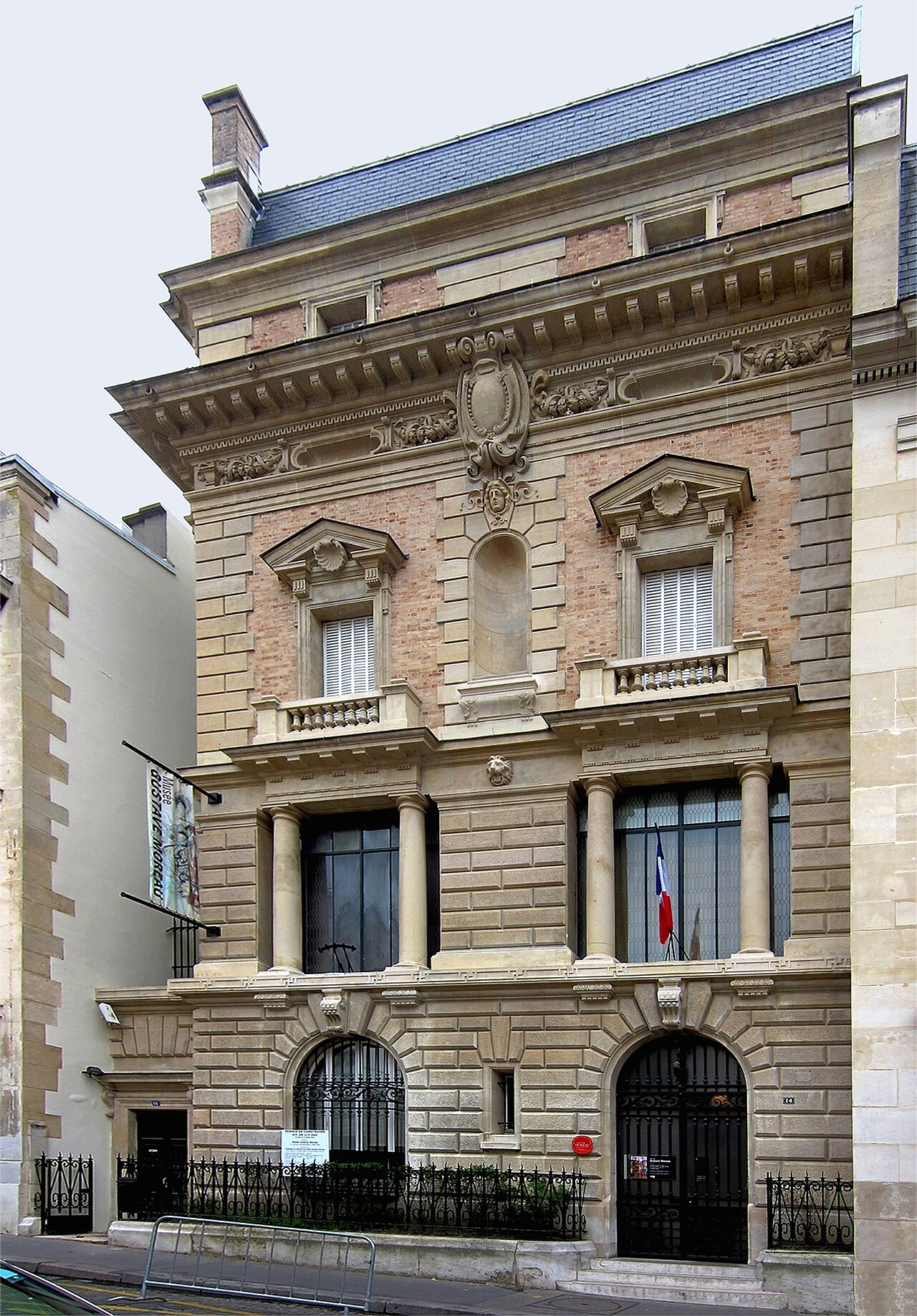
Museum · Paris 9e Arrondissement, Paris
Musée national Gustave Moreau
The Musée national Gustave Moreau is a single-artist museum in the Paris house at 14 rue de La Rochefoucauld where the painter lived and worked. Its defining feature is the relationship between Moreau’s art and the building he reshaped for it: the first-floor rooms preserve a deliberately arranged family and artistic memorial, while two tall studio floors display monumental paintings and works on paper. This is not simply a survey hung in a neutral gallery; the house and the artist’s chosen presentation form part of the subject.
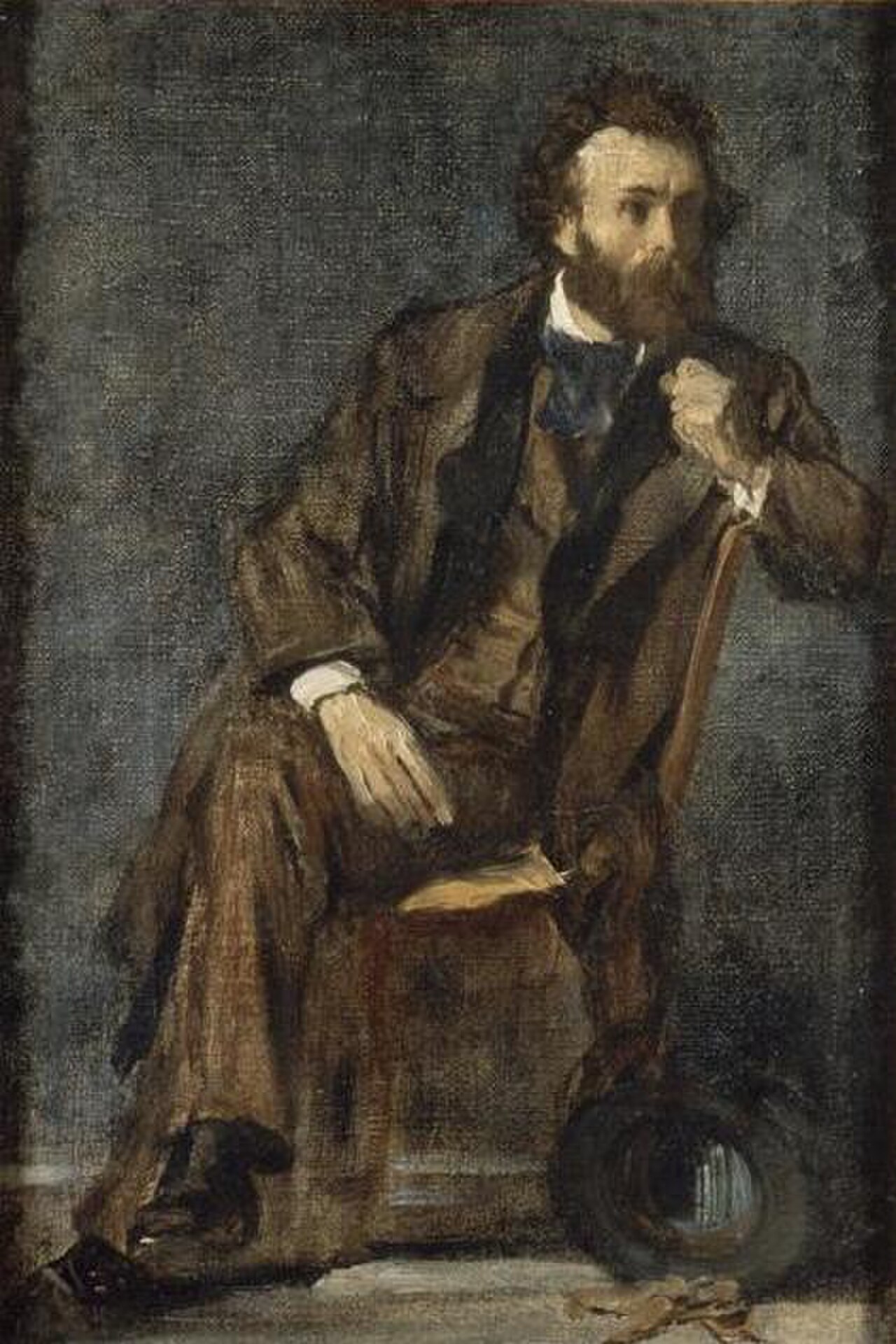
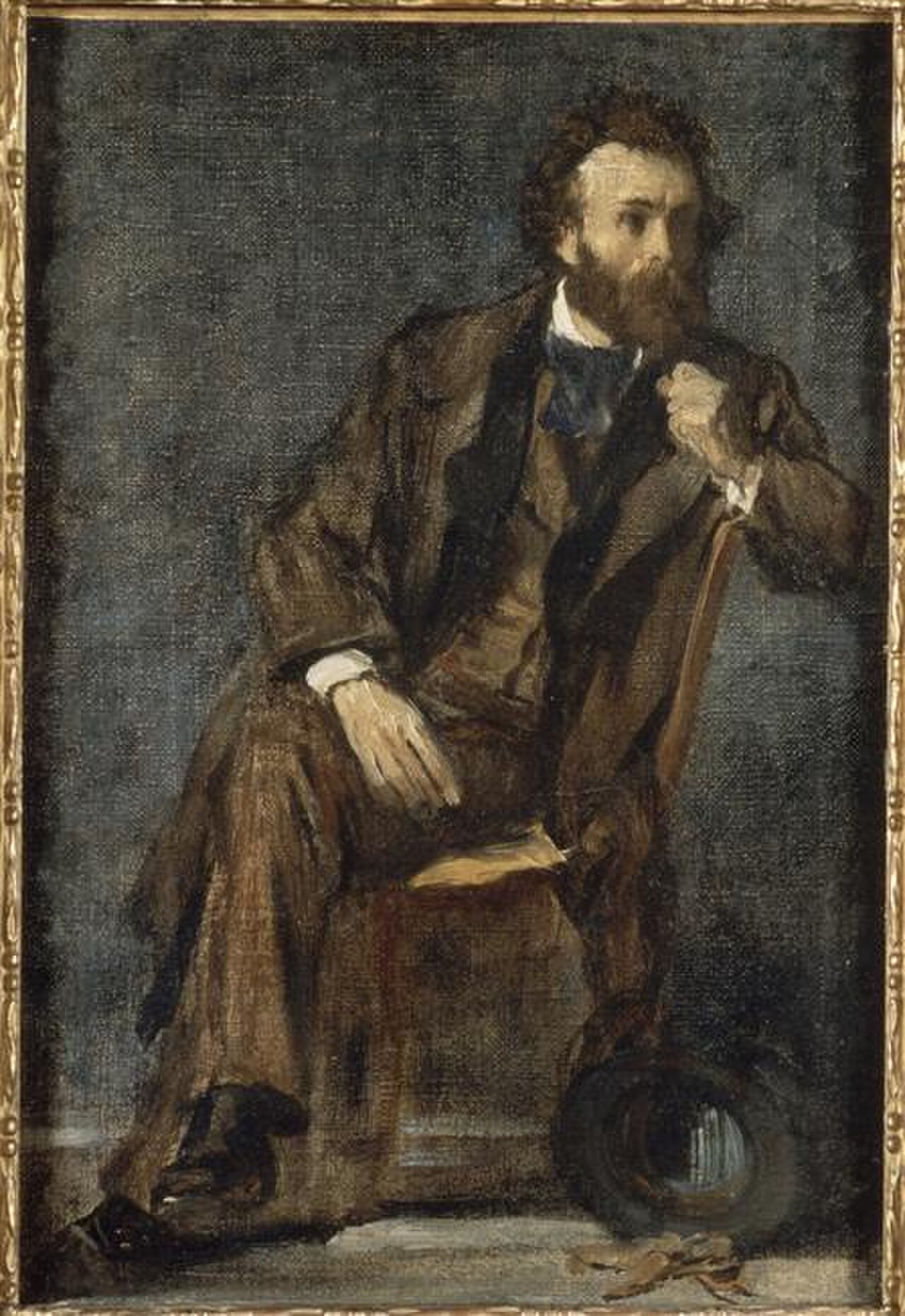
Gustave Moreau was born in Paris in 1826, studied at the École des Beaux-Arts, travelled in Italy and became known for paintings drawing on myth, religion and literature. The museum’s official biography records that he had the family house transformed in 1895 so that it could become a museum after his death. He died in 1898. His will entrusted the house and his collection to the French state, and the museum opened in 1903. That sequence explains why the visit moves between domestic rooms and purpose-built studios rather than following a conventional chronological gallery plan.
The institution describes its holdings as about 1,300 paintings, watercolours and preparatory cartoons, together with nearly 5,000 drawings, arranged across four levels. Those totals describe the collection, not a promise that every object is on view at once. The useful question for a first visit is whether you want to see how Moreau built an image from studies into a large, elaborately worked composition, and how he made his own house into a setting for that work. The official collection selection and floor guides are the best route into that distinctive experience.
Checked 2026-10-07 · Source
The visit combines three different kinds of space: the ground-floor galleries, the first-floor apartment and reception rooms, and the large studios on the second and third floors. The operator says the ticket includes the two studio floors; the other spaces may be open when visitor numbers are low, but access to them is not guaranteed. Check the current opening information before treating the whole route as available on your date.
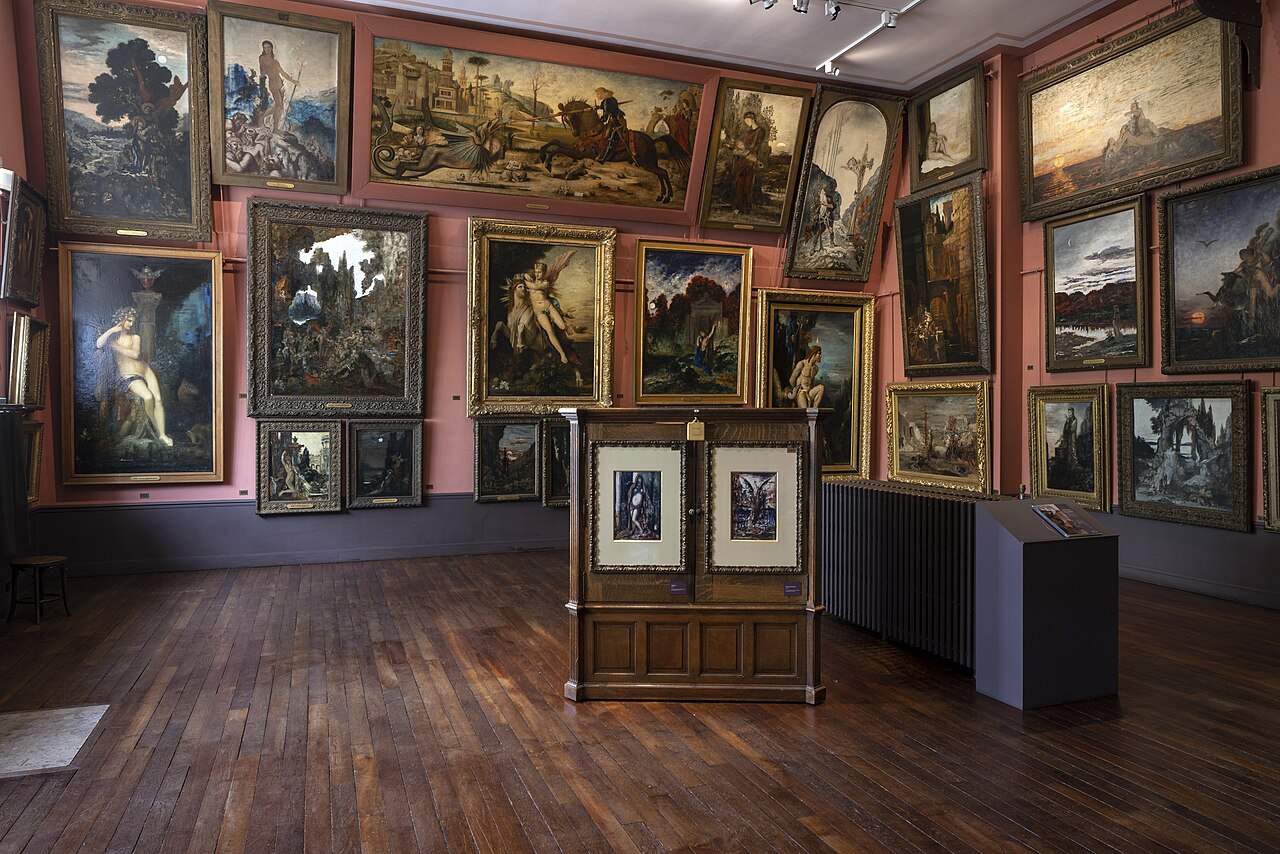
On the ground floor, six rooms (A to F) bring together more than 400 paintings, hundreds of drawings and a distinctive group of watercolours. The arrangement juxtaposes works from different periods instead of presenting a simple life-and-work timeline. Room C was formerly a dining room and still has a fireplace; its cabinets hold 677 drawings, mostly copies made in Italy after earlier masters. Later rooms include paintings from across Moreau’s career and wall recesses with pivoting frames that reveal drawings and paintings. The official page says these ground-floor rooms are closed from 11:30 to 14:30, a practical interruption to plan around.
The first floor is a set of rooms Moreau arranged as a memorial rather than a preserved snapshot of everyday family life. The museum specifically cautions that the arrangement was symbolically composed around his memories and those of people close to him. The bedroom displays family portraits and keepsakes; the boudoir gathers furniture and works associated with his friend Alexandrine Dureux; the reception room combines books, antiquities, models and studies related to Moreau’s training and travels. A corridor’s photographs, engravings, drawings and watercolours include artists he admired or knew, among them Théodore Chassériau and Edward Burne-Jones.
The second- and third-floor studios were designed in 1895 with north-facing glazed walls and space for large canvases. A spiral stair connects the studios. The upper level is dominated by Jupiter and Semele, while the second-floor studio includes large compositions such as The Return of the Argonauts and The Suitors. Here, nearby preparatory studies and related objects let you compare a painting’s developed surface with the stages behind it. The scale, dense detail and mythological subjects reward slow looking; the collection’s particular strength is that drawings and paintings together expose Moreau’s process, rather than leaving a finished canvas isolated from its development.
Checked 2026-10-07 · Source
The operator does not publish a recommended visit duration, so no fixed number of minutes or hours can be verified. The time you need depends on which floors are open, whether you read the labels and compare studies with finished paintings, and how long you spend with the large studio canvases. A short stop can concentrate on the two studios included with admission; a fuller visit also needs time for the ground-floor rooms and the first-floor apartment, when those areas are open.
Build the day around the confirmed route rather than a guessed duration. The practical page says that the non-studio spaces may open when attendance is low, but their visit is not guaranteed. It separately lists the ground-floor rooms as closed from 11:30 to 14:30. This means the complete interior route is not necessarily available continuously during the day, even though the museum’s general public hours run from 10:00 to 18:00 on open days. The galleries begin closing 15 minutes before the stated closing time.
If your schedule is tight, focus first on the two studio levels and choose a small number of works to examine closely. If you have more time and the other spaces are open, the apartment adds context about Moreau’s family, friendships and deliberate memorial arrangement, while the ground floor gives a broader range of his paintings, drawings and watercolours. The museum’s four-level layout includes stairs and no lift, so allow for moving between levels at a pace that suits you. These are planning considerations, not a museum-issued duration estimate.
Checked 2026-10-07 · Source
The museum lists public hours as 10:00–18:00 every day except Tuesday, with galleries closing 15 minutes before 18:00. It also lists closures on 1 January, 1 May and 25 December. On 7 October 2026, however, the same official page carries an additional live notice: unpredictable closures are occurring because of a strike notice, with updates on the museum homepage. Treat the routine schedule as a baseline only and check the operator’s homepage on the day you plan to go.
The first Sunday of each month has free admission for all visitors according to the operator, but the museum says visitor numbers are very high then, strongly recommends a reservation and warns that access is not guaranteed without one. A free-entry day is therefore a poor date to choose if your timetable cannot absorb a change of plan. The museum also states that its first-floor and ground-floor spaces may not always be open, and the ground-floor galleries have a daily closure from 11:30 to 14:30 on the floor guide. Verify which spaces are open before building a visit around a specific room or painting.
No official seasonal crowd calendar or quiet-hour recommendation appears in the museum's published visitor information. It would be misleading to label a weekday or season as reliably calm. For a date-dependent decision, use the museum’s own current notice and ticketing page; for the general weekly pattern, avoid Tuesday because it is the regular closing day. If planning a free first-Sunday visit, reserve through the official ticketing route and keep an alternative plan in case entry is not available.
Checked 2026-10-07 · Source
The official practical-information page lists a full-price ticket at €8 and a reduced ticket at €6. The reduced rate requires eligibility and supporting documentation; the operator publishes a separate list of qualifying cases, so check that list rather than assuming a general student or age discount. The same page lists free admission for several eligible groups and for everyone on the first Sunday of each month. Rates and terms can change, so confirm the amount and eligibility on the official page before purchase.
The ticket also admits the visitor to the Musée national Jean-Jacques Henner within 72 hours after purchase. These are two separate museums, not a single combined building or one continuous exhibition. If you want to use the Henner admission, keep the ticket and check the other museum’s own opening schedule, location and entry arrangements before travelling there. The Moreau page says to read current security instructions before buying online or at the museum.
The first-Sunday free offer has an important access condition: the museum says reservation is strongly recommended because attendance is very high, and without a reservation entry is not guaranteed. A ticket or reservation also does not guarantee access to the first-floor apartment or ground-floor galleries; the operator says these other spaces may open depending on attendance, while the ticket includes the studios on the second and third floors. No exchange-rate conversion is given here because the ticket is already priced in euros and the official source does not provide a foreign-currency equivalent.
Checked 2026-10-07 · Source
The museum’s address is 14 rue de La Rochefoucauld, 75009 Paris. The official access information names Trinité and Saint-Georges stations on Metro line 12, and Pigalle on lines 12 and 2. It also lists buses 21, 26, 40, 43, 68 and 74. Use the address in your route planner and check live service information for the day; the museum does not publish journey times or promise step-free access from any station.
For drivers, the museum identifies the nearest car park as Parc Trinité d’Estienne d’Orves, at 10–12 rue Jean-Baptiste Pigalle, 75009 Paris. That is a parking reference, not a guarantee of available spaces. Inside the building, the operator’s practical page says there are three staircases, no lift, and that the museum is not wheelchair accessible. Its English visitor regulations add that wheelchairs can only be used on the ground floor. Because these descriptions do not align, confirm directly with the museum whether a ground-floor visit can be arranged; wheelchair access to the upper floors is not provided.
The stroller instructions also differ. The practical page says strollers must be left at reception, while the English visitor regulations allow only umbrella strollers outside the first floor, subject to circulation and staff approval. Contact the museum before travelling with a stroller rather than relying on either interpretation alone. The practical page says bags and suitcases cannot be accepted or stored at the museum. It links to independent luggage-storage providers nearby, whose availability and terms should be checked directly.
Checked 2026-10-07 · Source
The main conduct rule is simple: do not touch artworks, displays or labels. The visitor regulations make an exception for the drawing cabinets on the second and third floors, which visitors may handle carefully. Food and drink are prohibited in the museum; still water is tolerated away from artworks. Smoking and vaping are also prohibited.
Keep circulation routes clear in this house of staircases and narrow rooms. The regulations prohibit obstructing other visitors, sitting on staircases or in front of emergency exits, and carrying backpacks on your back; carry a backpack in front or by hand. Staff may inspect bags, and visitors must follow staff instructions. The museum has no cloakroom, so check the separate bag-size and storage rules on the practical-information page before arriving with luggage.
Photography has specific limits: personal photography in permanent-collection rooms is allowed, subject to the restrictions described below. Temporary-exhibition rooms may display additional limits. The operator’s English visitor regulations are the authoritative reference for these conduct and photography rules; posted instructions and staff directions apply during your visit.
Checked 2026-10-07 · Source
The museum permits photographs and video of works in its permanent-collection rooms for the visitor’s private use. Temporary-exhibition rooms may have additional restrictions posted at the room entrance or beside individual works, so check the signs before taking a picture.
The operator’s English visitor regulations prohibit flashes, lamps and other lighting devices, as well as selfie sticks. Photographing staff, technical installations or views from the windows is prohibited. Filming or recording staff or other visitors requires management authorization and their prior written consent. Images or recordings intended to be posted online or otherwise shared beyond a private circle require prior written authorization from the museum’s management, whether the use is commercial or non-commercial.
These rules come from Articles 34–38 of the official English visitor regulations, checked on 7 October 2026. They distinguish private documentation from public distribution: permission to take a personal picture does not grant permission to publish or broadcast it. Follow any additional temporary-exhibition notices and staff instructions.
Checked 2026-10-07 · Source
It presents Moreau’s paintings, watercolours, cartoons and drawings across four levels, alongside the artist’s former home and purpose-built studios. The museum describes about 1,300 paintings, watercolours and cartoons and nearly 5,000 drawings in the collection; that total does not mean every work is displayed at once.
The official page lists 10:00–18:00 every day except Tuesday, with galleries closing 15 minutes early; it also lists closures on 1 January, 1 May and 25 December. On 7 October 2026 it warns of unpredictable strike-related closures, so check the museum homepage on the day of your visit.
The operator lists €8 full-price and €6 reduced admission. The ticket also grants admission to Musée national Jean-Jacques Henner within 72 hours after purchase. Check current prices, reduced-rate eligibility and both museums’ arrangements on their official pages.
The museum’s practical-information page says it is not wheelchair accessible; its English visitor regulations say wheelchairs can only be used on the ground floor. Treat the upper floors as inaccessible by wheelchair and contact the museum to confirm whether a ground-floor visit can be arranged. Stroller information also conflicts: the practical page says to leave strollers at reception, while the regulations permit umbrella strollers outside the first floor subject to staff approval. Confirm before travelling. See the [official visitor regulations](https://musee-moreau.fr/fr/media/document/reglement-de-visite-enpdf) and [practical information](https://musee-moreau.fr/fr/informations-pratiques?language=fr).
The official information reviewed does not give a recommended visit duration. The time depends on which floors are open and how closely you view the works; the ticket includes the second- and third-floor studios, while access to the other spaces is not guaranteed.
Yes. The official visitor regulations allow photography and video of permanent-collection works for private use. Temporary-exhibition rooms may have posted restrictions. Flashes, lamps, other lighting devices and selfie sticks are prohibited; photographing staff, technical installations or views from windows is also prohibited. Recording staff or other visitors requires management authorization and their prior written consent. Posting or broadcasting images beyond a private circle requires prior written authorization. See the official English visitor regulations, Articles 34–38: https://musee-moreau.fr/fr/media/document/reglement-de-visite-enpdf
Loading the interactive map…
The interactive map could not be loaded.
Last updated:
Source: OpenStreetMap contributors, Wikidata ·