place Vendôme
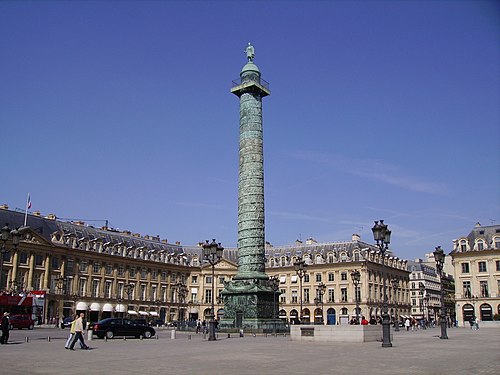
Place Vendôme
Place Vendôme is an octagon of uniform stone façades built as a single architectural composition, not a collection of separate buildings that happened to end up on the same square.
- Must see
- Historic monument
- Paris
Country guide
France is 18 regions and 632,702 km2, and five of those regions are overseas - French Guiana in South America, the French West Indies, islands in the Indian and...
Photograph · Pierre Blaché · CC0
Reviewed by Elena Voss · Roavina Travel Editor
France is 18 regions and 632,702 km2, and five of those regions are overseas - French Guiana in South America, the French West Indies, islands in the Indian and Pacific oceans. Metropolitan France alone runs from the Rhine to the Atlantic and from the Mediterranean to the North Sea, so a week here is a choice rather than a circuit. Of the 69.1 million people estimated in 2026, more than 13 million are in the Paris metropolitan area, which is why the capital tends to win the first visit. The corners - Alpine, Atlantic, Mediterranean - are further from one another than the map's familiarity suggests.
Checked 2026-08-25
Every city catalogued in this country so far, ranked by how much there is to see.
Photograph · Yann Caradec from Paris, France · CC BY-SA 2.0
Seasonal closures come from recorded opening hours.
Ranked by importance — sitelinks, pageviews and heritage status, not editor preference.
114 places match
Category
Typical visit duration
Place Vendôme
Place Vendôme is an octagon of uniform stone façades built as a single architectural composition, not a collection of separate buildings that happened to end up on the same square.
The Pont Neuf is the New Bridge and it is the oldest standing bridge in Paris, which has been the joke about it for four hundred years.
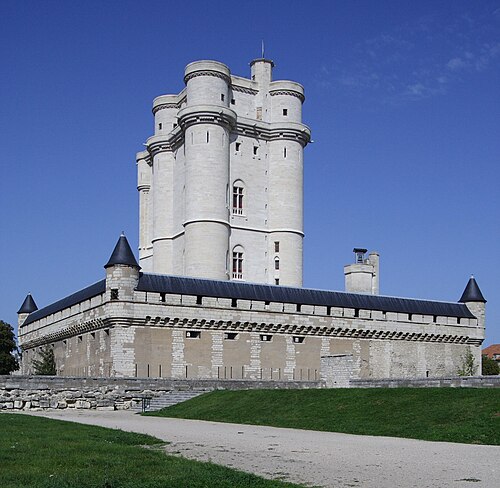
Château de Vincennes is a medieval fortress on the eastern edge of Paris, beside the Bois de Vincennes.
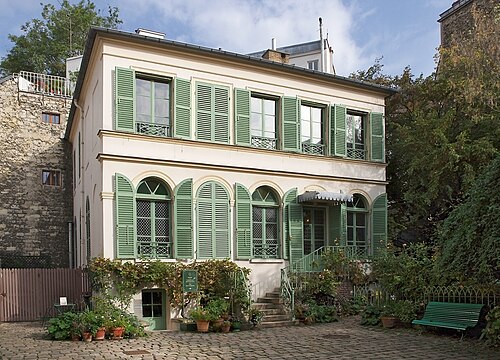
Musée de la Vie Romantique
The Musée de la Vie romantique occupies the house and studio of the painter Ary Scheffer, in a district that was the address of Romantic-era Paris rather than a stop added to it later.
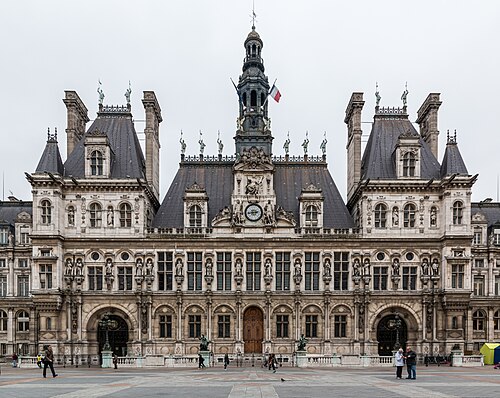
The Hôtel de Ville is Paris's city hall, seat of the mayor and the city council, on the square that carries its name.
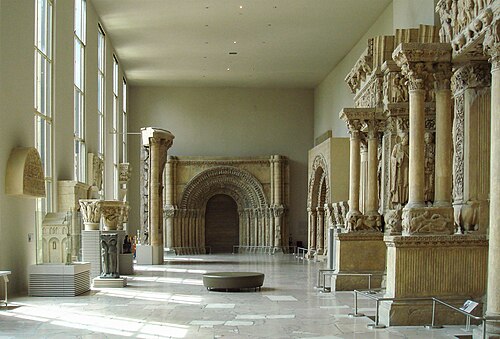
Cité de l'architecture et du patrimoine is a museum of French architecture and heritage in the east wing of the Palais de Chaillot at Trocadéro, opened in its current form in 2007.
Musée d'Art Moderne de Paris
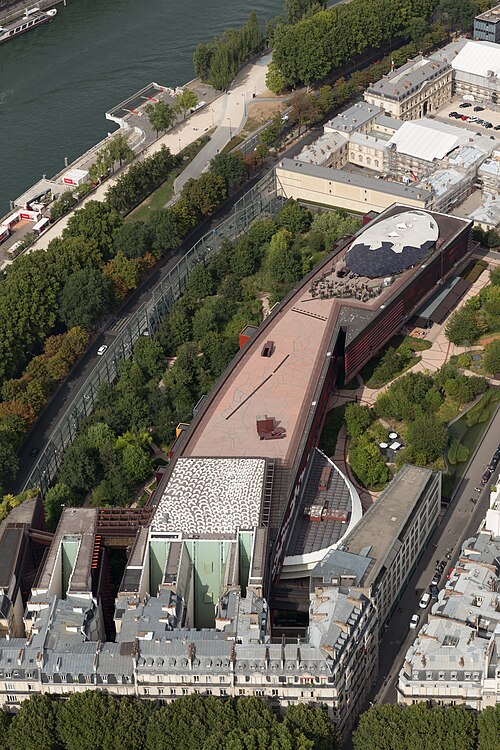
Musée d'Art Moderne de Paris is the city of Paris's own museum of modern art, occupying the east wing of the Palais de Tokyo on Avenue du Président Wilson.
Cité des Sciences et de l'Industrie sits inside Parc de la Villette in the north-east of Paris and opened in 1986 inside the shell of a large, unfinished cattle-market building from the 1960s that was repurposed for the museum rather…
The Musee Rodin occupies the Hotel Biron, an eighteenth-century mansion on Rue de Varenne in the 7th arrondissement that had already passed through use as a convent school before the state let it out cheaply as artists' studios in the…
The Musee du quai Branly - Jacques Chirac gathers non-Western art and material culture from Africa, Asia, Oceania and the Americas under one roof, a collection that had previously been split between the ethnographic Musee de l'Homme and the Musee…
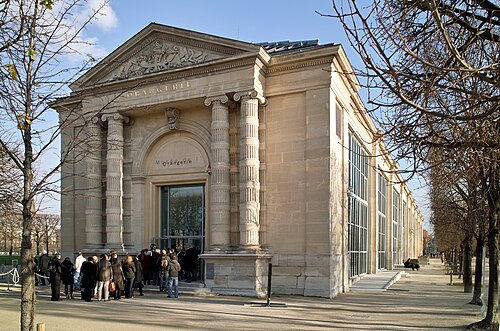
The Musee de l'Orangerie sits at the western end of the Tuileries Garden, in a building put up in 1852 under Napoleon III to overwinter the garden's orange trees, a purely functional greenhouse rather than a building meant to be…
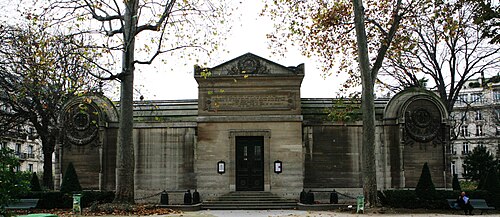
The Chapelle expiatoire is a neoclassical funerary chapel built between 1815 and 1826 on the site of the former Madeleine cemetery, where the guillotined bodies of Louis XVI and Marie Antoinette were buried in unmarked graves covered with quicklime in…
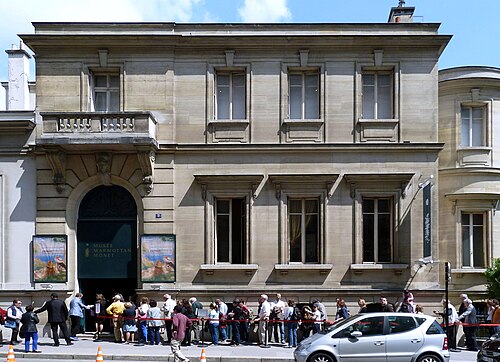
The Musee Marmottan Monet occupies a former hunting lodge built for the Duke of Valmy on the edge of the Bois de Boulogne, bought in the late nineteenth century by the businessman Jules Marmottan and later expanded by his son…
Musée national Picasso-Paris
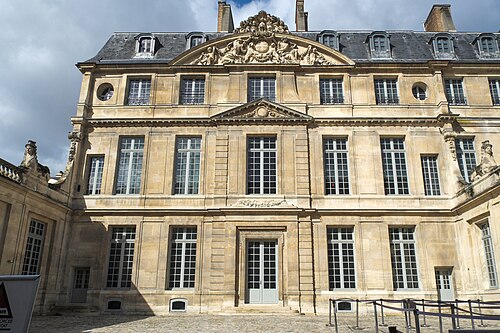
The Musee Picasso occupies the Hotel Sale, a seventeenth-century mansion in the Marais built in the 1650s for Pierre Aubert de Fontenay, a salt-tax collector whose unpopular trade gave the building its nickname, sale meaning salted.
Arc de Triomphe du Carrousel
The Arc de triomphe du Carrousel stands in the Cour Napoleon, between the Louvre's wings and I. M.
Bourse de Commerce
The Bourse de Commerce is a Paris contemporary art museum housed in a historic circular building near Les Halles and the Louvre district.
Fondation Louis Vuitton
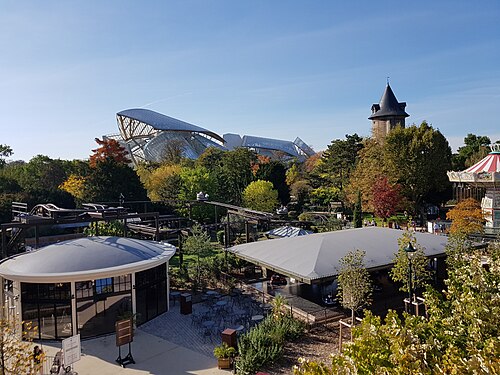
The Fondation Louis Vuitton is a contemporary art museum in the Bois de Boulogne, commissioned by Bernard Arnault, chairman of the luxury group LVMH, and designed by the American architect Frank Gehry.
Musée Grévin is a wax museum on Boulevard Montmartre, opened in 1882.
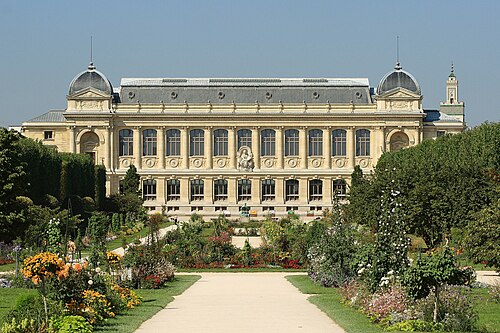
Jardin des Plantes
The Jardin des plantes is Paris's main botanical garden and the founding site of the Museum national d'Histoire naturelle, on the Left Bank in the 5th arrondissement, between the Seine and the Austerlitz rail yards.
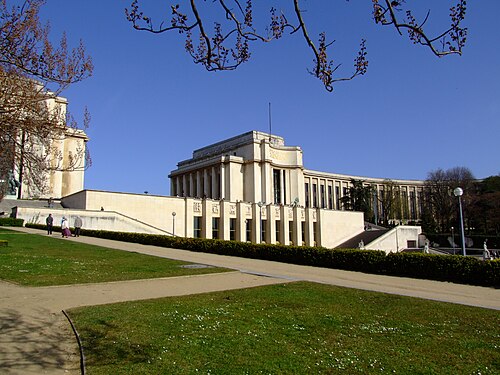
Palais de Chaillot
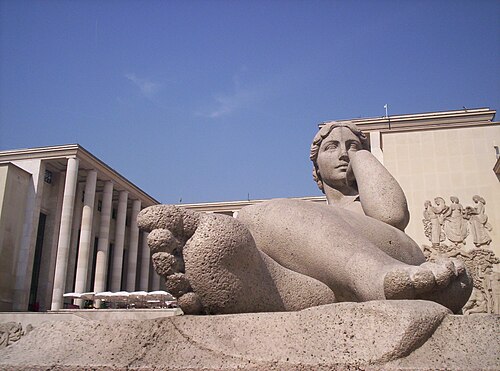
The Palais de Chaillot is the curved, colonnaded building on the hill of Trocadero facing the Eiffel Tower across the Seine, built for the 1937 Exposition Internationale des Arts et Techniques on the site of the demolished 1878 Palais du…
Jeu de Paume
The Jeu de Paume is a photography and moving-image gallery in the Tuileries Garden's north-west corner, in a building constructed in 1861 as a court for jeu de paume, the indoor precursor of tennis played by Napoleon III's court.
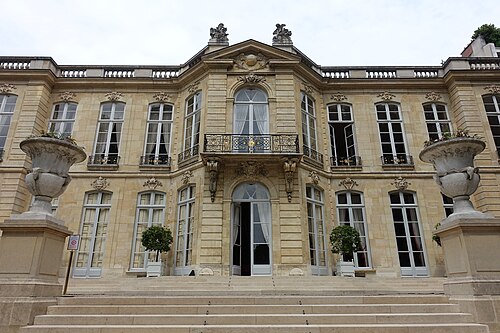
Hôtel de Matignon
The Hotel Matignon is the official residence and working office of the French Prime Minister, on the Rue de Varenne in the 7th arrondissement, and it is not open to the public in any ordinary sense — this is a…
Tombe du Soldat inconnu
The Tomb of the Unknown Soldier is a flat paving stone beneath the Arc de Triomphe, at the centre of Place Charles de Gaulle, marking the grave of an unidentified French soldier from the First World War.
Place de la République
Place de la Republique is a large public square straddling the 3rd, 10th and 11th arrondissements, at a junction where several of Paris's grand boulevards meet, and it functions today primarily as a civic gathering space rather than a sightseeing…
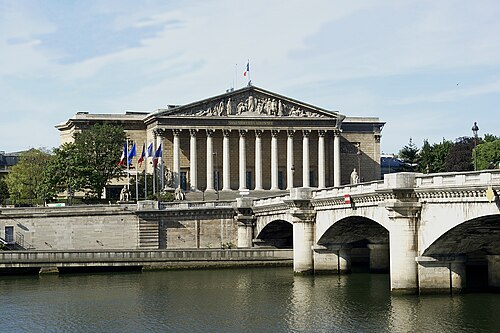
The Palais Bourbon, on the Left Bank facing Place de la Concorde across the Seine, is the seat of the French National Assembly, the lower house of Parliament — a working legislature, not a former palace turned museum.
Ten to fourteen days supports four or five days in Paris plus one coherent regional direction, such as Lyon, Bordeaux, Strasbourg, or Marseille. Avoid routing every extension back through Paris, because even fast TGV journeys leave local connection time at each end.
France applies Schengen entry rules, but the required passport validity or visa still depends on nationality and route. France-Visas is the official place to verify the exact requirement before booking and again before entering from outside Schengen.
TGV trains join France's largest cities, while TER services handle regional links and many rural areas still favour a car. Long-distance reservations may be mandatory, and each city retains its own urban ticket system rather than accepting one national visitor card.
April to June and September to October suit the Paris-plus-region route described here. Alpine access, Mediterranean heat, Atlantic weather, and rural seasonal services differ enough that the selected second region should determine the final dates.
France uses the euro (EUR). Bank cards are common, yet a small euro reserve remains useful for markets or local machines; confirm any terminal conversion choice before accepting it because this page does not record changing fees.
For urgent help anywhere in France, call 112; medical emergencies also use 15 and police matters 17. The electrical standard is 230 V with Type C and E plugs. This dataset has no recorded national tap-water finding, so consult the municipality or lodging for the specific stop.