
3 min walk
Old city wall
- High
- Historic monument
Language · 11 published
Historic monument · Tbilisi
ორბელიანის მოედანი
Reviewed by Elena Voss · Roavina Travel Editor
Read from the OpenStreetMap access tags; anything not listed has no tag recorded.
Set the group type to family in the planner and the day window contracts to about three quarters of a solo day.
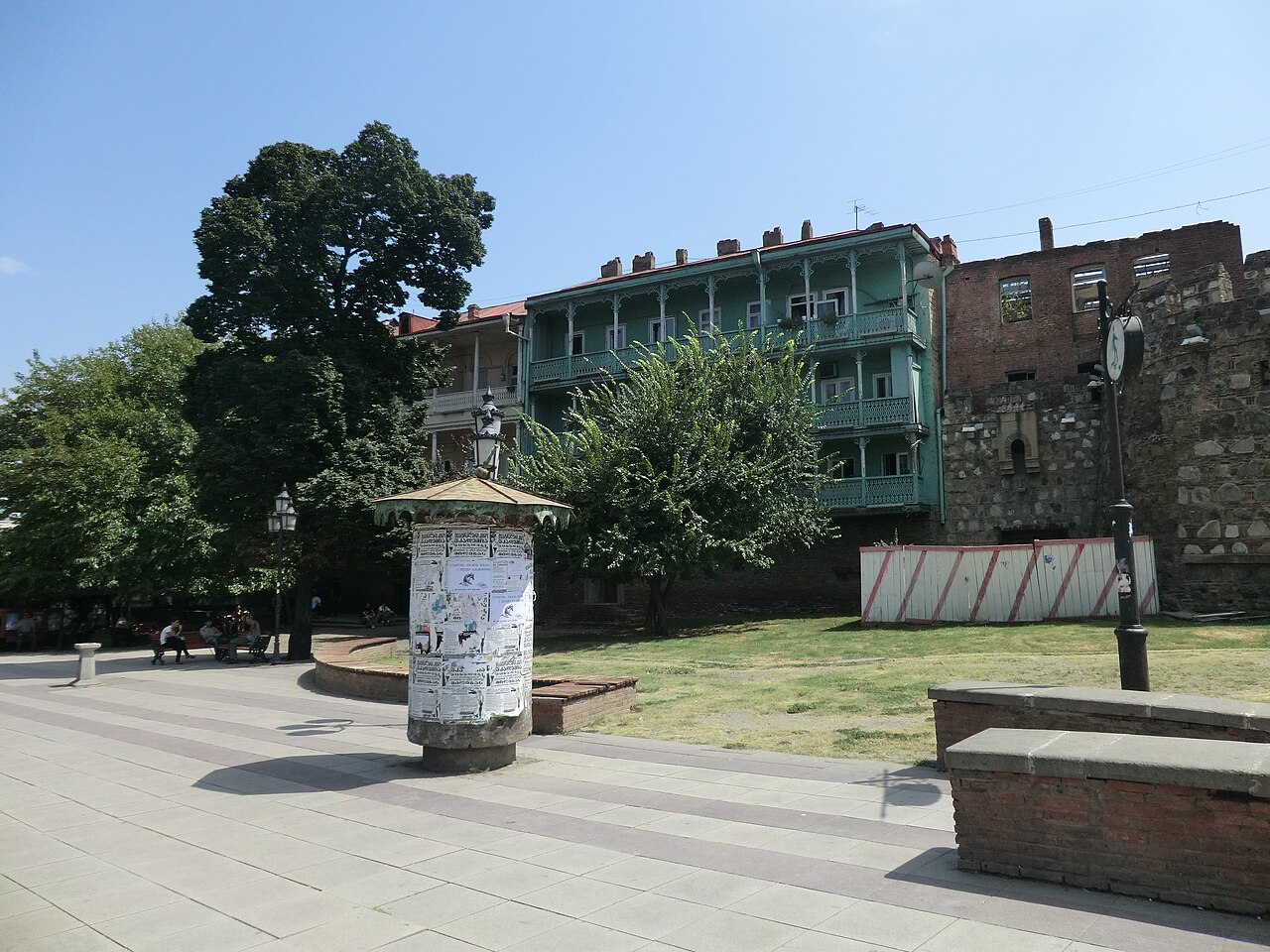
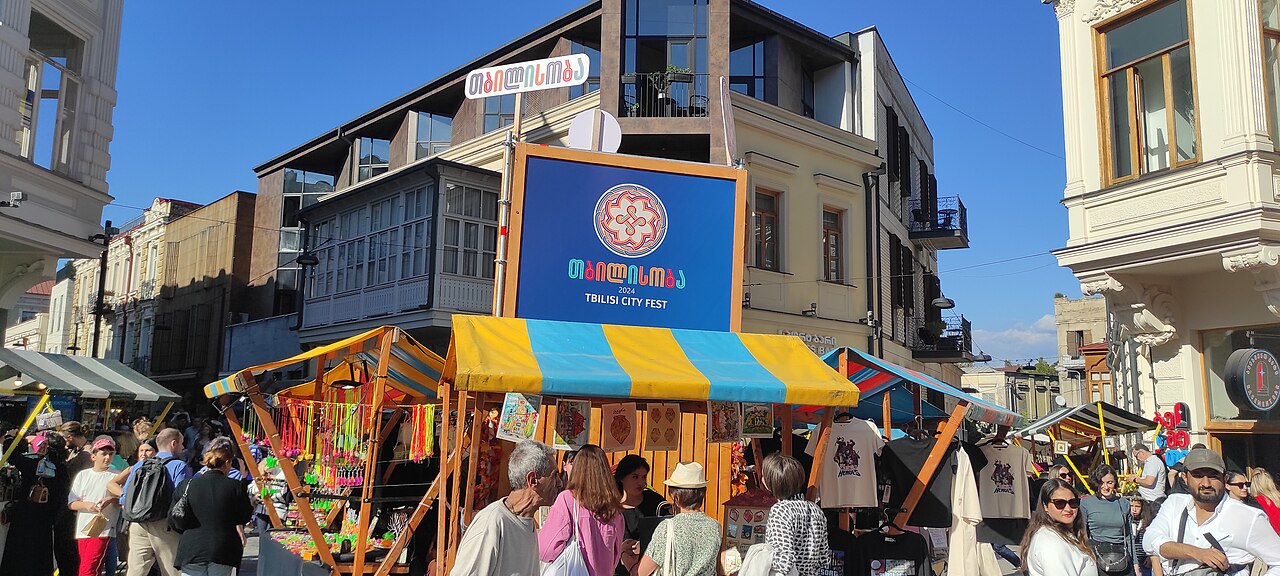
Orbeliani Square, known in Georgian as ორბელიანის მოედანი, is a rehabilitated public square at the northern edge of Tbilisi’s historic centre. It belongs to the flower-market quarter and links nineteenth-century façades with pedestrian lanes. The square is best understood as a piece of living urban heritage: historic architecture forms the setting, while present-day walking, commerce and neighbourhood activity give it energy. It offers travellers a quieter counterpoint to the busiest old-town crossroads and a useful stop during a northward city walk. Orbeliani Square, locally known as ორბელიანის მოედანი, is a rehabilitated public square in Tbilisi. It forms part of the flower-market quarter and connects nineteenth-century facades with pedestrian lanes at the northern edge of the historic centre.
Checked 2026-08-26 · Source
The square is an open outdoor space framed by rehabilitated nineteenth-century façades. Its interest comes from the relationship between the buildings, the pedestrian lanes and the surrounding flower-market activity. There is no enclosed collection described as part of the square, so plan to spend your time outdoors, looking at the restored streetscape and following the lanes into the historic centre. The rehabilitation gives the area a more finished public setting while retaining the visual character of older Tbilisi. Nearby commerce adds colour and movement to the visit.
Checked 2026-08-26 · Source
Allow roughly thirty minutes to one hour for Orbeliani Square and its immediate lanes. A quick visit is enough to see the façades and understand the square’s place in the flower-market quarter. Stay longer if you enjoy architectural details, want to browse the surrounding commercial activity or need a pause during a historic-centre walk. Because the square functions as a connective public space, its ideal duration depends on the route around it. Pair it with nearby streets rather than reserving an entire day for the square alone.
Checked 2026-08-26 · Source
Visit in daylight to appreciate the nineteenth-century façades and move comfortably through the pedestrian lanes. Morning and late afternoon are especially attractive for architectural detail because lower light can add texture to the buildings. Spring through autumn generally suits an outdoor square and walking route, while changing weather can affect comfort in every season. The flower-market quarter gives the area a commercial rhythm, so the atmosphere may differ between a quiet passage and a busier period. Plan Orbeliani Square as part of an outdoor historic-centre walk.
Checked 2026-08-26 · Source
Orbeliani Square is an open public square, so the visit is based on walking through the space and its surrounding lanes rather than entering a ticketed attraction. Costs in the area come from personal choices, including flowers, plants, food, drinks or other purchases from nearby businesses. You can therefore use the square as a free pause in a wider Tbilisi route, then decide whether to spend time or money in the surrounding commercial quarter. The public-space experience remains separate from any nearby business transaction.
Checked 2026-08-26 · Source
Orbeliani Square sits at the northern edge of Tbilisi’s historic centre and is naturally reached through the city’s connected pedestrian lanes. Travellers staying in the central historic area can include it in a walking route through the older neighbourhoods. The square’s Georgian name, ორბელიანის მოედანი, can help when asking for directions or identifying the destination locally. Approach it as part of a sequence of streets rather than as an isolated complex. The surrounding urban fabric is the route, and the square becomes a natural pause within it.
Checked 2026-08-26 · Source
Historic pedestrian lanes can include uneven surfaces, so choose footwear suitable for walking. The flower-market setting brings ordinary commercial activity: keep belongings close, give vendors room and watch where you step when browsing. The square is exposed to weather, with no described indoor shelter forming part of the attraction. Passing pedestrians may move quickly through a space that also invites lingering, so keep bags and cameras out of the main flow. The area’s restored appearance does not remove the practical realities of an active historic neighbourhood.
Checked 2026-08-26 · Source
Use Orbeliani Square for photographs of restored nineteenth-century façades, pedestrian lanes and the meeting of historic architecture with current city life. Morning and late afternoon light can reveal surface texture and create stronger depth across the square. The flower-market quarter offers colourful details and a sense of place, especially when flowers and plant displays form part of the scene. Wide views show the public-space layout, while a longer lens can isolate architectural details. Ask before making close portraits of vendors or people working in the area.
Checked 2026-08-26 · Source
Orbeliani Square is known for its rehabilitated nineteenth-century façades, pedestrian lanes and connection with Tbilisi’s flower-market quarter at the northern edge of the historic centre.
Allow around thirty minutes to one hour for the square and its immediate lanes. Add time for architectural photography, browsing nearby flower-market activity or continuing through the historic centre.
Yes. The square stands at the northern edge of the historic centre and is connected to it by pedestrian lanes, making it suitable for inclusion in an old-town walking route.
It is the surrounding commercial area associated with flower and plant activity. The market character adds colour and movement to the restored architectural setting around the square.
Photograph the restored nineteenth-century façades, the pedestrian lanes and the relationship between the square and the flower-market quarter. Morning and late afternoon light can bring out architectural texture.
Choose comfortable footwear suitable for historic pedestrian lanes and uneven surfaces. The square is outdoors, so clothing that suits Tbilisi’s weather will make it easier to explore the surrounding streets.
Loading the interactive map…
The interactive map could not be loaded.
Last updated:
Source: OpenStreetMap contributors, Wikidata ·