
19 min walk
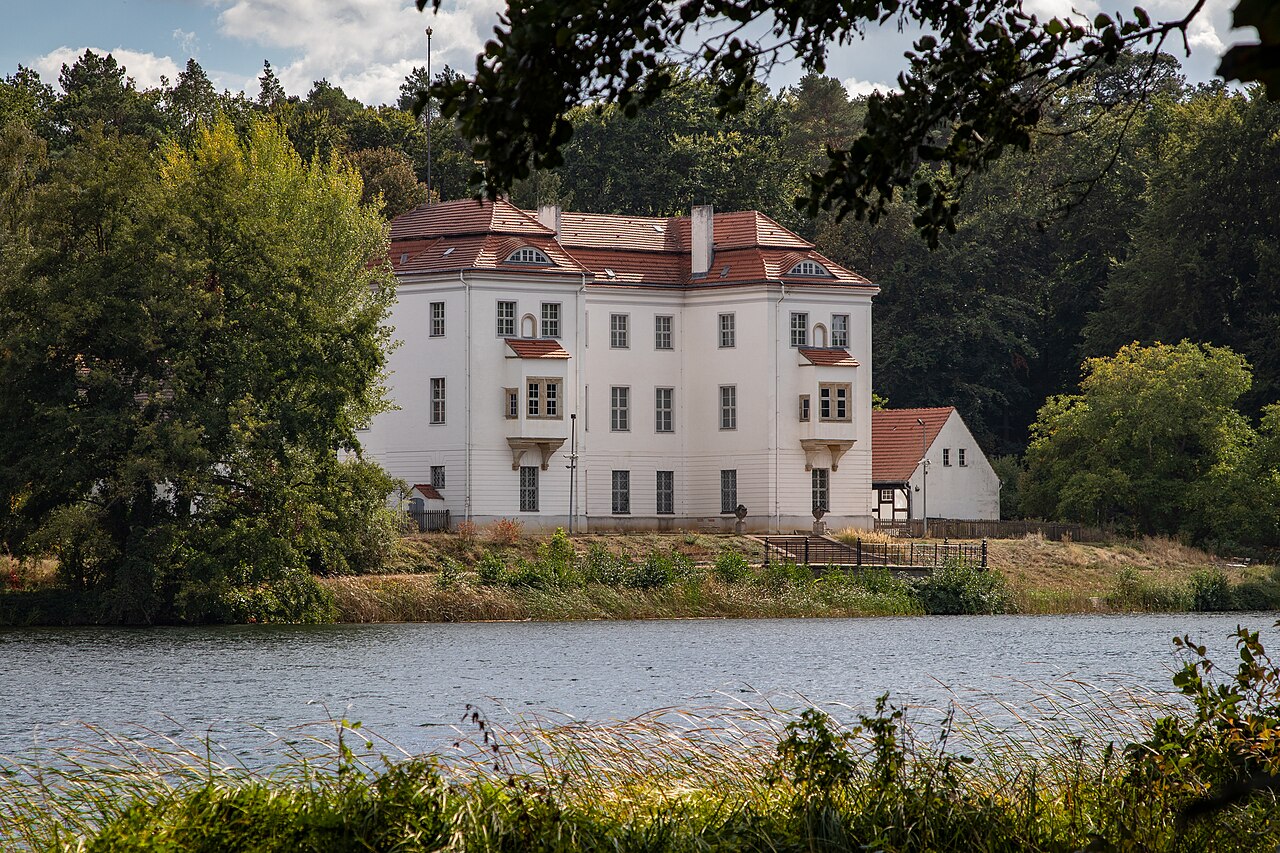
Jagdschloss Grunewald
- Must see · Heritage site
- Historic monument
Language · 11 published
Museum · Berlin
Alliierten-Museum
Reviewed by Elena Voss · Roavina Travel Editor
| Monday | Closed |
|---|---|
| Tuesday | 10:00 – 18:00 |
| Wednesday | 10:00 – 18:00 |
| Thursday | 10:00 – 18:00 |
| Friday | 10:00 – 18:00 |
| Saturday | 10:00 – 18:00 |
| Sunday | 10:00 – 18:00 |
Parsed from OpenStreetMap opening hours on 2026-09-09.
This place is a Museum. It was established in 1996. It carries the architectural heritage monument heritage designation.
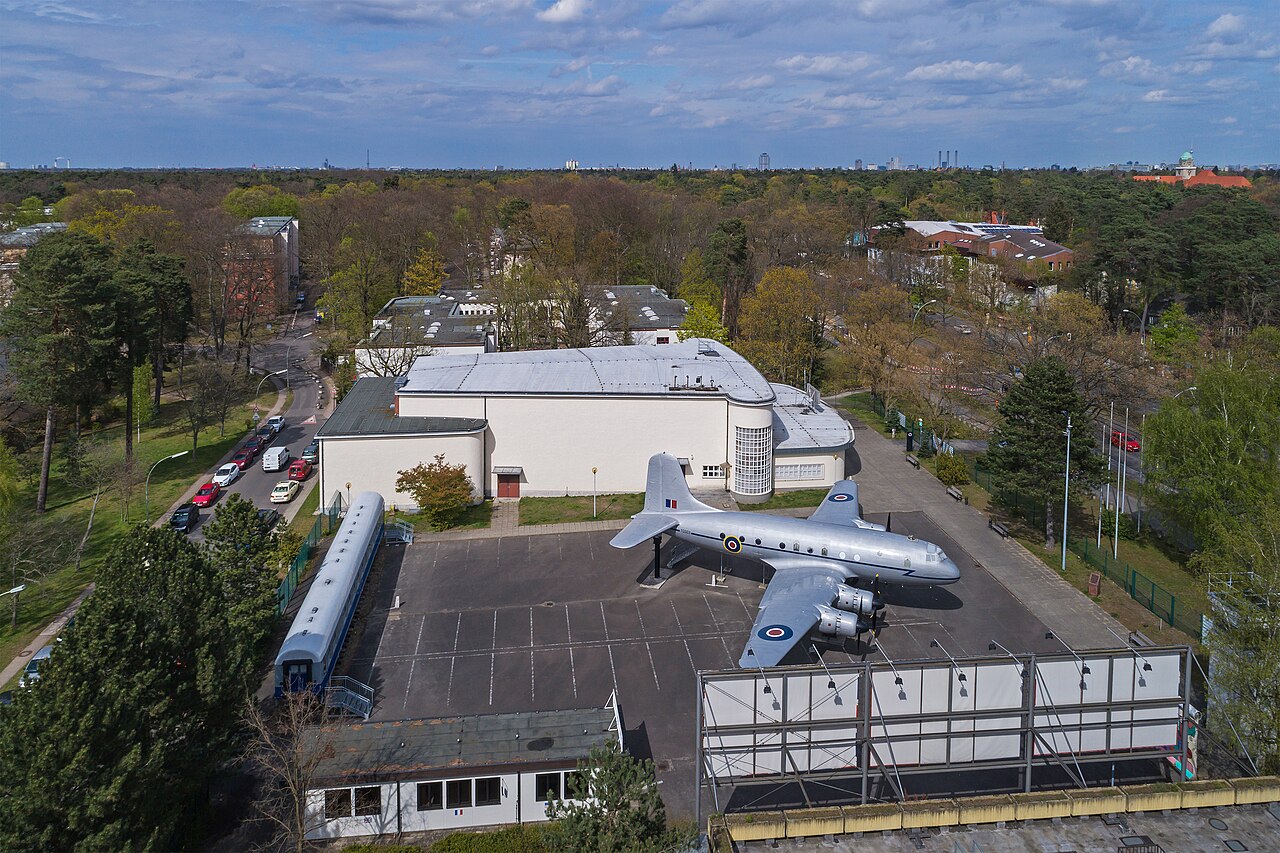
The Allied Museum in Dahlem presents the history of the Western powers in Berlin from 1945 to 1994. Its subject is the American, British, and French presence in West Berlin during the post-war and Cold War periods, when the city was divided and West Berlin functioned as an enclave surrounded by Soviet-controlled territory. The museum connects political and military history with everyday life, showing how international tensions shaped the city and the people who lived there. Its setting in the former American sector strengthens the connection between the collection and the neighbourhood. Visitors come for a focused account of Berlin’s Western Allied history rather than a general survey of the entire twentieth century.
Checked 2026-08-26 · Source
The collection includes the original guardhouse from Checkpoint Charlie, a section of the Berlin Wall, and a British Hastings aircraft associated with the Berlin Airlift. Indoor displays add documents, uniforms, vehicles, personal possessions, diplomatic correspondence, espionage equipment, and cultural objects. A reconstructed dining car from a French military train is another distinctive exhibit. Together these objects show both high politics and ordinary routines: military presence, transport, family life, communication, and the practical experience of living in a divided city. The outdoor displays need time of their own, since the aircraft and guardhouse are not simply background decoration. Read the personal and institutional stories together to understand the complexity of the Allied presence.
Checked 2026-08-26 · Source
Plan on about ninety minutes to two hours for the principal galleries and outdoor displays. The museum combines indoor rooms with an exterior area, so the visit involves moderate walking and changes in weather exposure. Give extra time to the aircraft, the Checkpoint Charlie guardhouse, and the French military train dining car, since each helps explain a different part of Berlin’s post-war story. Visitors with a strong interest in Cold War politics, military history, or archival material may spend half a day reading labels and examining the collection closely. Families may move faster, but the exhibits are most rewarding when children have time to connect objects with the city’s divided history.
Checked 2026-08-26 · Source
Weekdays generally offer a calmer rhythm for reading documents and examining smaller objects, while weekends can suit visitors combining the museum with other Dahlem activities. Spring through autumn is comfortable for the outdoor aircraft and guardhouse, although Berlin weather can change quickly. Winter visits remain worthwhile because the indoor galleries carry much of the historical narrative, but shorter daylight and cold conditions make the exterior portion less comfortable. Set aside enough time for both parts instead of arriving just before a planned departure. The museum lies outside central Berlin’s main tourist route, so it works best as a deliberate Dahlem stop rather than an incidental detour between central landmarks.
Checked 2026-08-26 · Source
The Allied Museum has historically operated with free admission, making it an attractive choice for travellers building a low-cost history itinerary. Special exhibitions, guided activities, or educational programmes can follow different arrangements from the permanent displays. Donation boxes have supported the museum’s work. The most useful way to budget is to separate the collection itself from optional programmes and then allow for transport and food in Dahlem. Group visits may need advance organisation. A free museum visit does not mean a brief visit: the combination of original objects, documents, aircraft, and outdoor structures offers substantial material for a careful two-hour stop. The museum’s historical value comes from context, not from an entry charge.
Checked 2026-08-26 · Source
The museum is in Berlin’s Dahlem district. The U3 reaches Oskar-Helene-Heim station, from where the museum is about a ten-minute walk. Bus services also serve the surrounding area, with some stops closer to the entrance. Cycling is practical on Berlin’s relatively flat streets and connected cycle routes. Limited parking is available in the residential surroundings, so drivers should allow for a search rather than expecting a dedicated large car park. From Alexanderplatz or Brandenburg Gate, the journey takes planning because Dahlem is outside the central tourist core. The location pairs naturally with a day focused on Berlin’s western museums and university district.
Checked 2026-08-26 · Source
The museum’s outdoor displays are exposed to Berlin weather, so shoes and clothing suitable for changing conditions make the visit easier. Historic structures and exterior areas can include uneven surfaces or steps. The indoor galleries carry denser written information, while the outdoor section may feel more open and less interpretive. Keep children close around large vehicles and aircraft, and respect the quiet character of the residential neighbourhood. Dahlem cafés and shops provide options nearby, but the museum itself is not a place to build a long meal break around. Divide the visit into indoor and outdoor portions so weather does not cause you to miss the aircraft or guardhouse.
Checked 2026-08-26 · Source
The outdoor aircraft, Berlin Wall section, and Checkpoint Charlie guardhouse are strong subjects for personal photography. Inside, photograph only where exhibit signage permits it, and avoid flash around sensitive objects or temporary loans. Tripods and professional equipment may need permission. Exterior views work well when the historic objects are framed with the surrounding site rather than isolated as souvenirs. Photography should not block narrow routes or distract other visitors from the displays. Commercial and publication use requires formal authorisation. For a meaningful visual record, pair wide views of the outdoor area with close details of uniforms, vehicles, and architectural elements where permitted.
Checked 2026-08-26 · Source
It covers the Western Allied presence in Berlin from 1945 to 1994, including the post-war and Cold War years.
The outdoor collection includes a British Hastings aircraft used during the Berlin Airlift, as well as the original Checkpoint Charlie guardhouse.
A thorough visit usually takes around ninety minutes to two hours, with extra time useful for detailed historical reading.
It is in Dahlem, in the former American sector of Berlin, near Oskar-Helene-Heim on the U3 line.
The Allied Museum preserves the original Checkpoint Charlie guardhouse, while the central Friedrichstraße attraction uses a replica.
The collection includes documents, uniforms, vehicles, personal items, diplomatic material, espionage equipment, a Berlin Wall section, and a French military train dining car.
Loading the interactive map…
The interactive map could not be loaded.
Last updated:
Source: OpenStreetMap contributors, Wikidata ·