
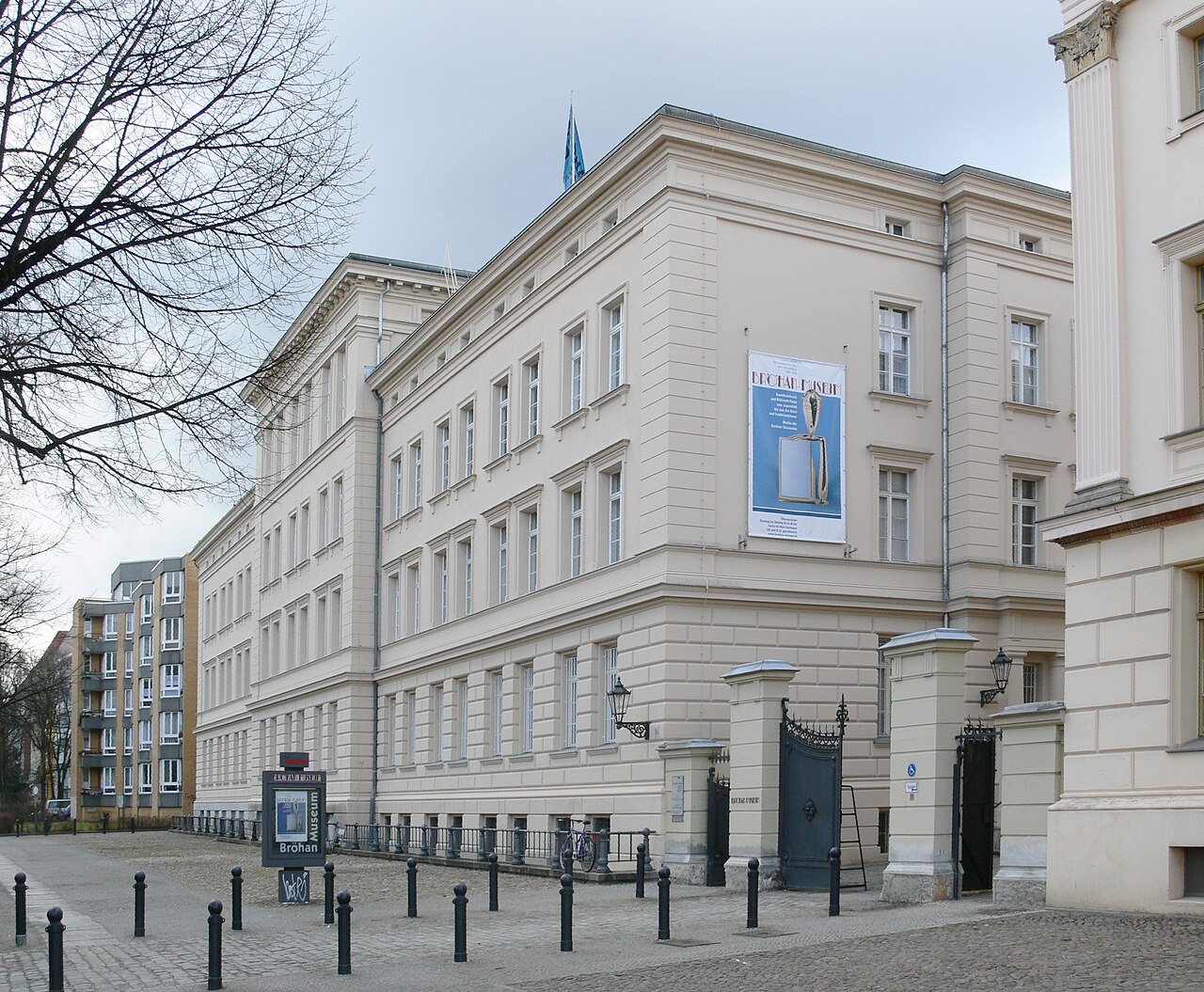
1 min walk
Bröhan Museum
- Notable
- Museum
Language · 11 published
Museum · Berlin
Museum Berggruen
Reviewed by Elena Voss · Roavina Travel Editor
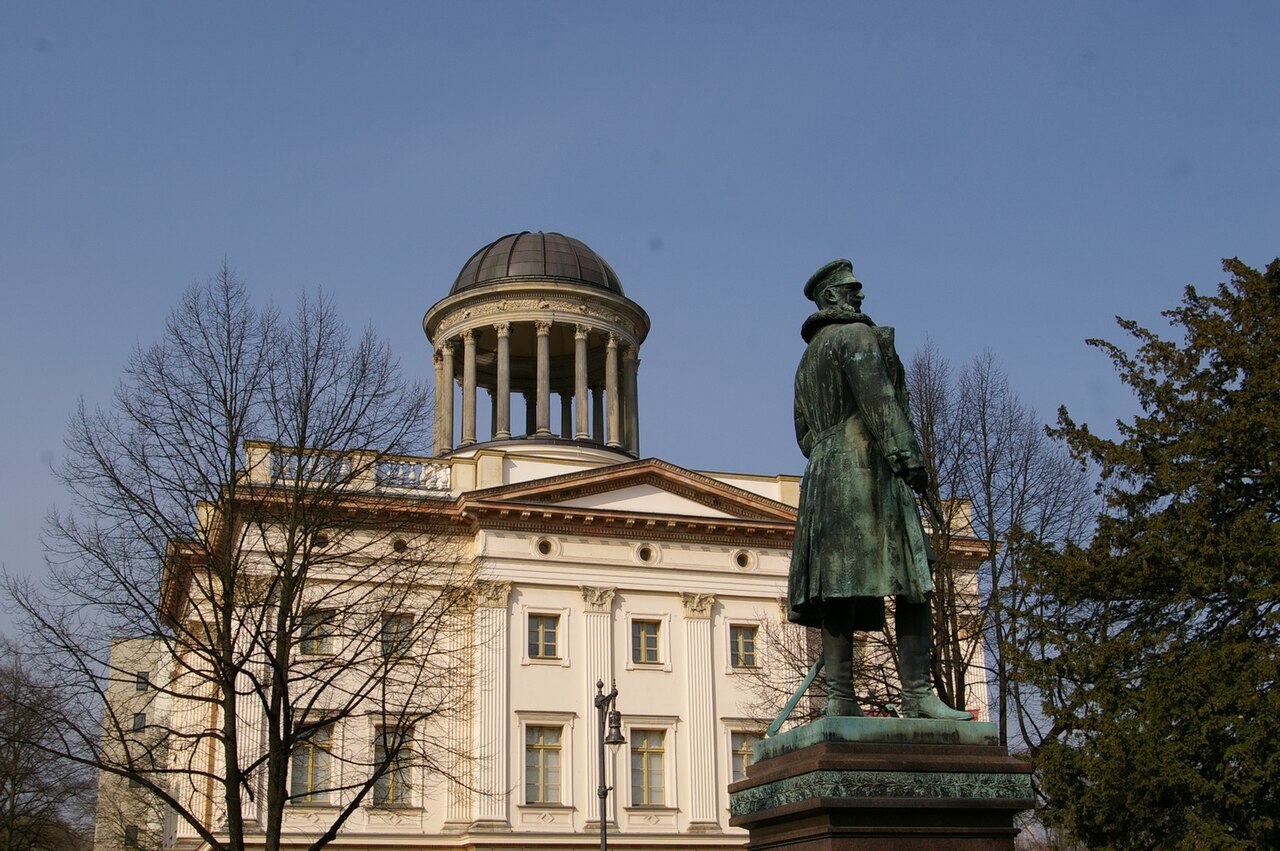
This place is a Museum. It opened in 1996.
Berggruen Museum, also known as Museum Berggruen, is a focused modern-art museum in Berlin’s Charlottenburg district. Its galleries present works associated with Pablo Picasso, Paul Klee, Henri Matisse, and Alberto Giacometti. The museum occupies a building close to Charlottenburg Palace, making it a natural stop for travelers exploring Berlin’s western cultural quarter. The collection grew from Heinz Berggruen’s decades of collecting and gives the museum a distinctly personal character: instead of covering every movement, it invites close attention to a group of major twentieth-century artists.
Checked 2026-08-26 · Source
The museum’s strength is concentration. Picasso is represented across several stages of his career, while the Klee holdings form one of the institution’s defining attractions. Matisse is represented through paintings, drawings, and cut-outs, and Giacometti’s sculptures add a powerful three-dimensional presence. Move slowly through the rooms and compare how each artist treats line, color, bodies, and space. The relatively intimate galleries reward looking at individual works rather than rushing toward a checklist. Travelers who enjoy modern art will find a compact collection with enough range for repeated comparisons between painting, sculpture, and works on paper.
Checked 2026-08-26 · Source
Plan roughly ninety minutes to two hours for a satisfying visit. That is enough time to see the principal rooms while giving individual paintings and sculptures more than a passing glance. Visitors with a special interest in Picasso or Klee may want longer, especially when studying several works from different periods. The museum’s compact scale makes it easy to combine with Charlottenburg Palace or another nearby cultural stop, but a rushed visit can flatten the contrasts that make the collection worthwhile. Build in extra time if you prefer reading labels carefully or revisiting favorite rooms.
Checked 2026-08-26 · Source
The museum works well as an indoor cultural stop in any season. Weekday mornings generally suit travelers who want a quieter rhythm for looking closely, while weekends and holiday periods can bring a livelier atmosphere. Summer places greater pressure on Berlin’s major cultural sights, so an earlier start can make the galleries feel more relaxed. Winter offers an especially comfortable pairing with other indoor attractions in Charlottenburg. A visit in the morning or afternoon can fit the district’s other landmarks; choose the time that leaves enough space for unhurried viewing rather than treating the museum as a quick photo stop.
Checked 2026-08-26 · Source
The museum is a conventional cultural attraction within Berlin’s museum landscape, but this guide does not state a current ticket amount or ticket category. Treat the visit as a planned museum stop and allow time for entry before beginning a tightly timed itinerary. The nearby Charlottenburg attractions are separate destinations, so a day combining them may involve separate admission arrangements. The value of Berggruen Museum comes from its concentrated modern-art collection and the quality of time spent with the works, not from trying to cover a large complex in one pass.
Checked 2026-08-26 · Source
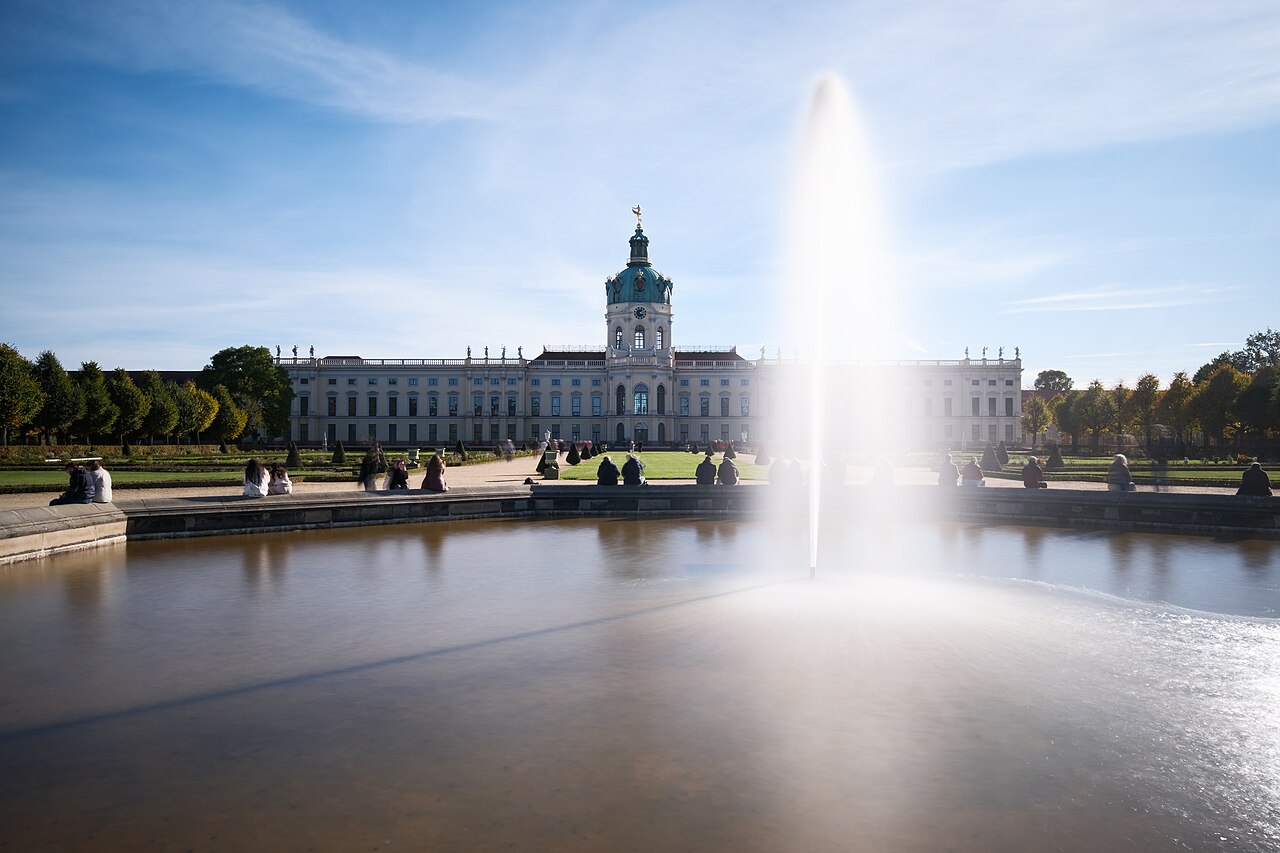
Berggruen Museum is in Charlottenburg, western Berlin, near Charlottenburg Palace. Public transport is the practical way to reach this part of the city, with U-Bahn, S-Bahn, and bus connections serving the wider district. From central Berlin, allow a substantial cross-city journey and include walking time from the chosen stop. The museum’s setting makes it easy to build a western-Berlin cultural day around the palace and nearby streets. Walking or cycling within Charlottenburg can connect the museum with other stops, while drivers should expect the usual parking constraints of a dense urban district.
Checked 2026-08-26 · Source
This is a focused museum, so its appeal depends on how much you enjoy spending time with modern art. Compact rooms can feel busy when school groups or tours arrive, and a crowded gallery makes it harder to stand back from larger works. Keep bags and coats under control so other visitors can move comfortably. Photography rules can differ between the permanent collection and temporary displays, so follow the signs in each room. The museum pairs well with a broader Charlottenburg day, but leave enough energy for concentrated looking rather than scheduling too many major sights back-to-back.
Checked 2026-08-26 · Source
The museum’s strongest photographic subjects are the artworks themselves and the relationships between the intimate rooms. Use a quiet, non-disruptive approach and follow any room-specific signs before taking pictures. Flash is unsuitable for a gallery setting and can disturb people studying the works. Wide compositions can show the dialogue between paintings and sculptures, while closer details help capture the differences between Picasso’s forms, Klee’s drawn language, Matisse’s color, and Giacometti’s sculptural presence. If photography is restricted in a particular room, enjoy the works directly and use the surrounding Charlottenburg streets for exterior images.
Checked 2026-08-26 · Source
The museum presents concentrated modern-art holdings, especially works by Pablo Picasso, Paul Klee, Henri Matisse, and Alberto Giacometti, across painting, sculpture, drawings, and other works on paper.
Allow about ninety minutes to two hours for the main collection. Art enthusiasts may stay longer to study Picasso, Klee, Matisse, and Giacometti in greater depth.
Yes. The museum is close to Charlottenburg Palace, so the two destinations fit naturally into a western Berlin cultural day when enough time is left for both.
It is in Berlin’s Charlottenburg district in the western part of the city, near Charlottenburg Palace and within a cultural area served by Berlin’s public transport network.
Its importance comes from the focused quality of Heinz Berggruen’s collection, with especially strong groups of works by Picasso and Klee alongside Matisse and Giacometti.
Give priority to the Picasso and Klee rooms, then compare them with Matisse’s color and Giacometti’s sculpture. The museum rewards close observation more than a hurried circuit.
Loading the interactive map…
The interactive map could not be loaded.
Last updated:
Source: OpenStreetMap contributors, Wikidata ·