
3 min walk
Topography of Terror
- Must see
- Museum
Language · 11 published
Museum · Berlin
Gropius-Bau
Reviewed by Elena Voss · Roavina Travel Editor
| Monday | 12:00 – 19:00 |
|---|---|
| Tuesday | Closed |
| Wednesday | 12:00 – 19:00 |
| Thursday | 12:00 – 19:00 |
| Friday | 12:00 – 19:00 |
| Saturday | 10:00 – 19:00 |
| Sunday | 10:00 – 19:00 |
Parsed from OpenStreetMap opening hours on 2026-09-09.
This place is a Museum. It opened in 1881. It was built in the Renaissance Revival architecture style. It was designed by Heino Schmieden. It carries the architectural heritage monument heritage designation.
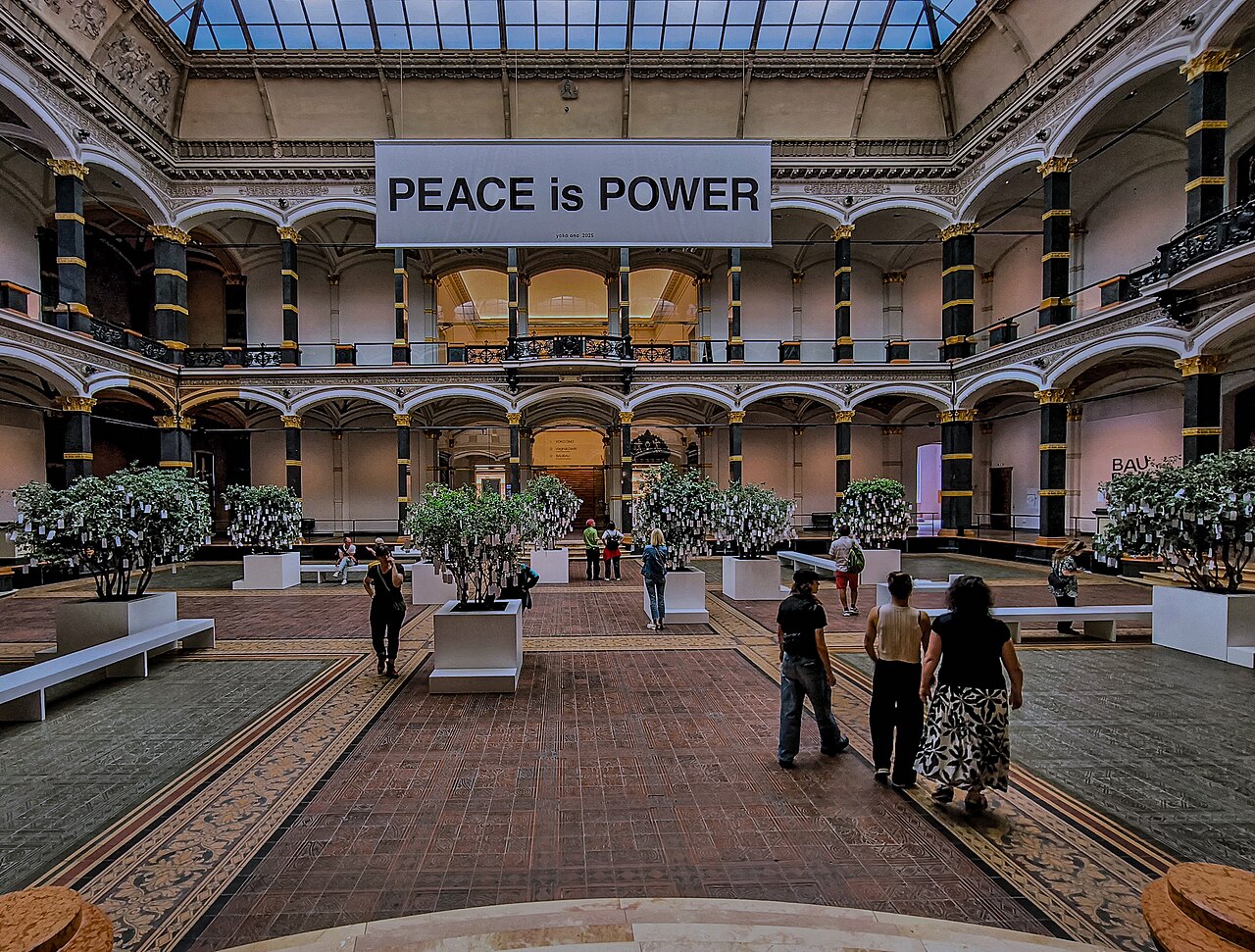
Martin-Gropius-Bau is a Berlin exhibition house in a landmark nineteenth-century building near Potsdamer Platz and the former Berlin Wall corridor. Its programme is built around temporary exhibitions rather than a permanent collection, so the experience changes with each season and commission. The venue can bring together contemporary art, photography, archaeology and cultural history, but the particular emphasis depends on the exhibition on view. Its distinctive architecture gives a changing programme a strong setting: visitors move through substantial historic rooms while encountering ideas, artists and subjects selected for a particular run. This suits travelers who enjoy focused presentations and returning to Berlin cultural sites as programmes change.
Checked 2026-09-02 · Source
Inside, substantial exhibition halls provide room for changing shows and large-scale installations. There is no permanent collection to work through; instead, galleries are arranged around the current temporary programme, which may explore art, photography, archaeology or wider cultural history. The building’s scale allows a single visit to move between several rooms and supporting displays, while the exhibition design determines how much interpretation accompanies the objects. Some visits may feel visually expansive, while others are more concentrated and text-led. Read the current programme before arriving so you know which exhibition, commission or combination of displays will define the interior experience.
Checked 2026-09-02 · Source
Allow roughly ninety minutes to three hours, depending on the exhibition’s size, the amount of wall text and your interest in reading or returning to particular works. A compact presentation can suit a shorter cultural stop, while a broad installation or historically dense show rewards a slower pace. The halls make it easy to spend longer than planned when the exhibition is absorbing. If Martin-Gropius-Bau is one stop in a museum-heavy day, reserve at least ninety minutes; for a deliberate visit, two to three hours is more comfortable. Add time if you want to combine it with nearby history and culture.
Checked 2026-09-02 · Source
Because Martin-Gropius-Bau presents temporary exhibitions, the best time to visit depends first on the programme and its run dates. Weekday mornings may feel calmer than weekends or holiday periods, although major openings and popular exhibitions can change that pattern. Berlin’s central cultural district is active throughout the year, so weather matters mainly for the walk between transport, nearby landmarks and the entrance rather than for the galleries themselves. Choose a weekday slot when you want more room for close looking and reading, and allow flexibility around major exhibition launches. The programme is the main seasonal consideration: a return visit can offer an entirely different subject, layout and rhythm.
Checked 2026-09-02 · Source
Martin-Gropius-Bau’s programme consists of temporary exhibitions, so admission conditions are tied to the particular show rather than to a permanent collection. No verified admission amount is recorded for this place. Plan your visit around the official exhibition information for the show and date you choose, including its booking rules, concessions and any free-entry arrangements. Conditions for one temporary exhibition may not apply to the next, which matters when organizing a group or fitting the visit into a tightly timed museum day. Treat the exhibition listing as the relevant planning reference, because the programme determines what visitors are entering and under which conditions.
Checked 2026-09-02 · Source
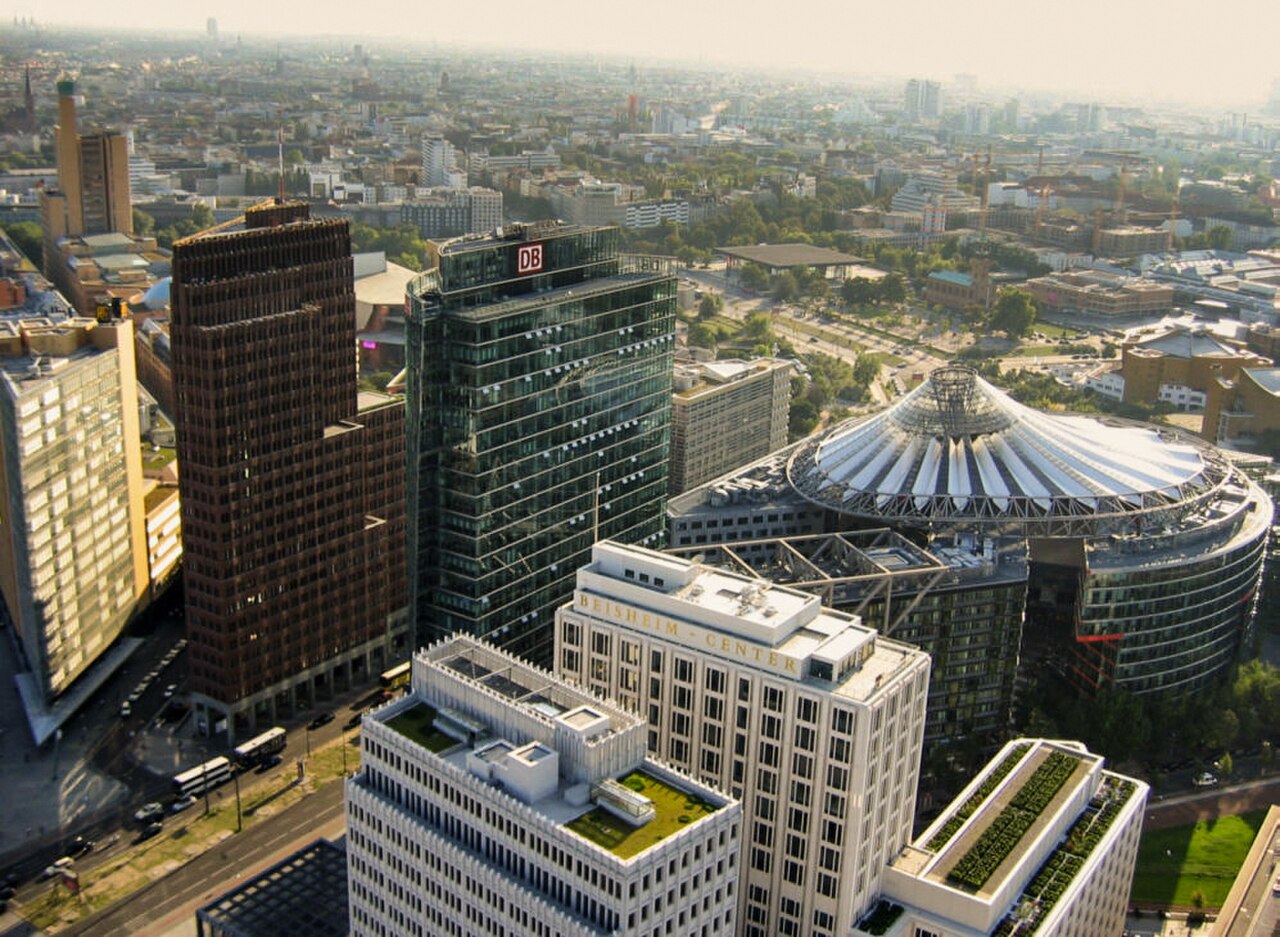
Martin-Gropius-Bau sits in central Berlin near Potsdamer Platz and the former Berlin Wall corridor, within a district that is straightforward to combine with other cultural and historical sights. U-Bahn, S-Bahn and bus connections serve the wider area, while the final approach is walkable through busy central streets. The most convenient service depends on where you start and on live disruptions, construction or event closures. Use a current Berlin transit map for the day, then allow walking time from your chosen stop rather than planning only for the rail journey. Its location works well in an itinerary linking exhibition time with Berlin’s nearby historical landmarks and central public spaces.
Checked 2026-09-02 · Source
Treat each exhibition as its own visit: gallery rules, photography permissions, ticket conditions and the amount of time needed can differ from one programme to another. Follow signs in every room, since a permission granted in one exhibition may not apply elsewhere. Expect the normal security and bag-handling procedures of a major Berlin exhibition venue, and supervise children around delicate displays. Popular temporary shows may create queues, especially around openings or highly anticipated installations, so leave some flexibility in a tightly scheduled day. The changing programme also means that a favorite past exhibition cannot be assumed to represent the next one.
Checked 2026-09-02 · Source
Photography is not governed by one universal rule for the whole building. The exhibition in each gallery sets the practical permission, so look for its signs before taking out a camera or phone. Where photography is allowed, avoid flash, tripods, selfie sticks and blocking the circulation route unless the posted rules explicitly permit them. Some works may be subject to lender, artist or copyright restrictions even when photography is generally possible elsewhere. Commercial or professional shooting requires separate authorisation from the venue; ordinary visitor permission is not a licence for a production. Photography should remain secondary to the gallery experience, particularly in narrow circulation areas or around works that require careful viewing.
Checked 2026-09-02 · Source
No. Martin-Gropius-Bau is organised around temporary, rotating exhibitions and does not maintain a permanent collection for visitors to tour.
The programme can include contemporary art, photography, archaeology and cultural history. The subject and format depend on the temporary exhibition currently presented.
It depends on the exhibition. Follow the photography signs in each gallery; permission in one temporary show does not apply throughout the building.
The central district is served by U-Bahn, S-Bahn and buses, with the exact best connection depending on your starting point and current service conditions. Allow time for the final walk.
Plan around ninety minutes to three hours. The right length depends on the temporary exhibition’s scale, its interpretation and how closely you want to engage with the displays.
Martin-Gropius-Bau is near Potsdamer Platz and the former Berlin Wall corridor, making it practical to combine with nearby cultural and historical sights in central Berlin.
Loading the interactive map…
The interactive map could not be loaded.
Last updated:
Source: OpenStreetMap contributors, Wikidata ·