.jpg)
6 min walk
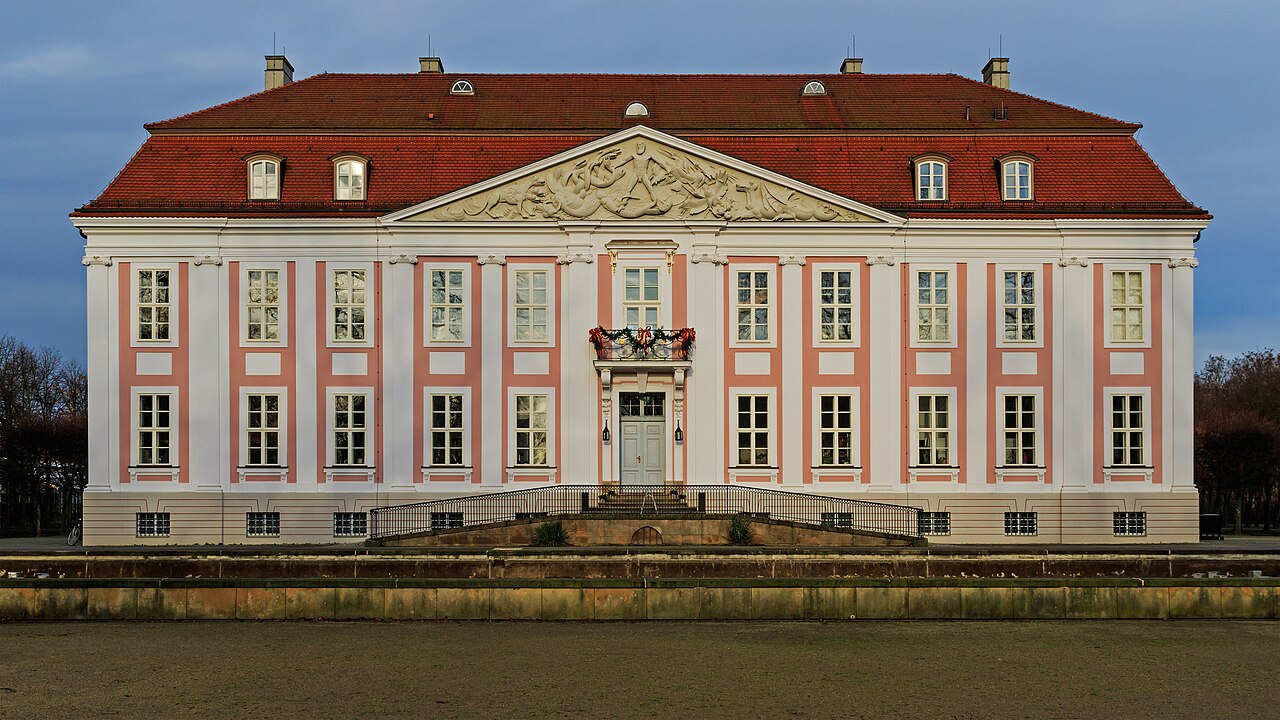
Friedrichsfelde Castle
- Must see · Heritage site
- Historic monument
Language · 11 published
Family attraction · Berlin
Reviewed by Elena Voss · Roavina Travel Editor
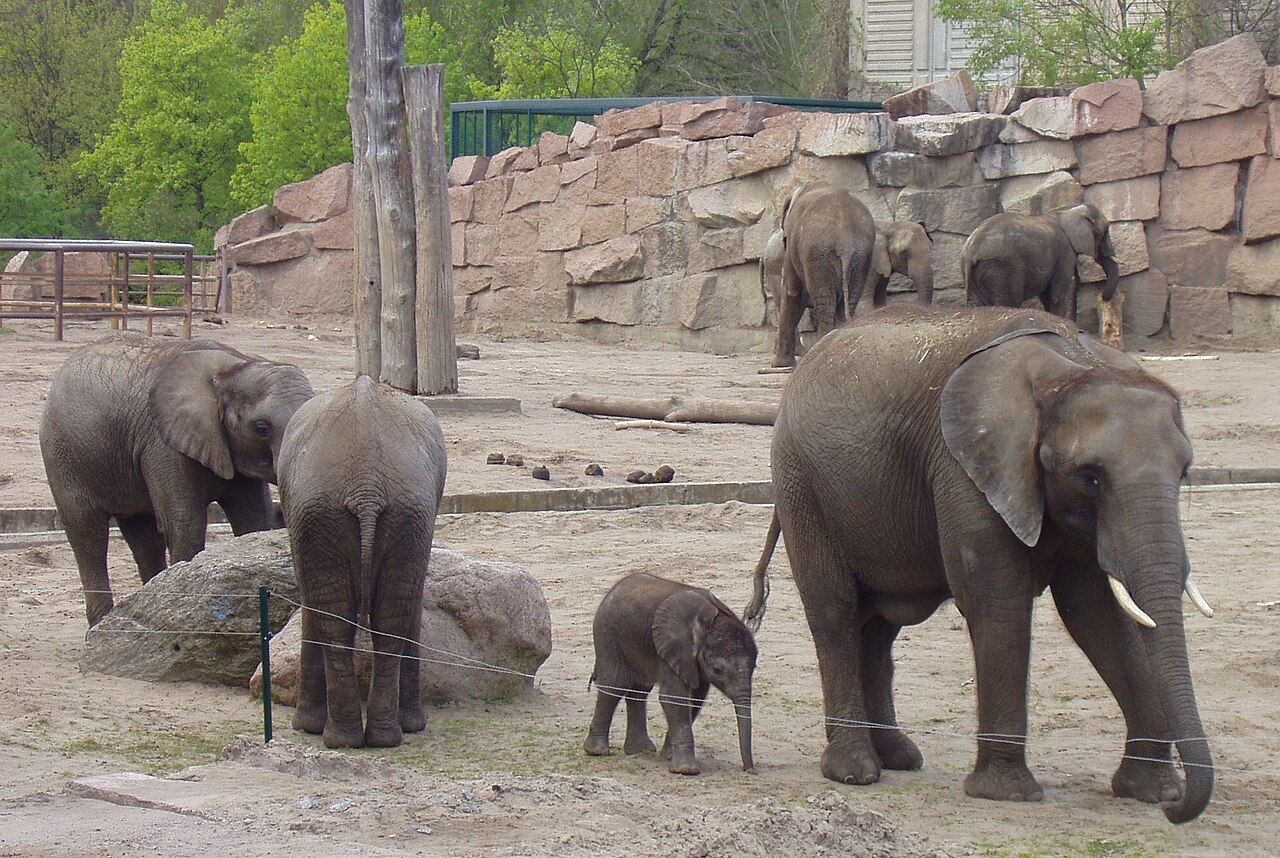
It was established in 1954.
Tierpark Berlin is a large landscape zoo in Friedrichsfelde, eastern Berlin. Founded in 1955 on the grounds of the former Friedrichsfelde Palace gardens, it combines animal habitats with extensive parkland and historic surroundings. The scale is central to the experience: this is a place for a long walk between geographically themed areas, not a compact collection of nearby enclosures. It suits travelers who want wildlife, gardens, mature trees, and a spacious day outdoors within Berlin's urban landscape. Tierpark Berlin is one of Europe's largest landscape zoos, situated in the Friedrichsfelde district of eastern Berlin. Established in 1955 on the grounds of the former Friedrichsfelde Palace gardens, it spans extensive parkland. The zoo houses numerous animal species across themed geographic zones. Its setting incorporates historic palace grounds, creating a distinctive combination of cultural heritage and wildlife conservation. The facility serves educational, research, and recreational purposes for visitors. No. These are separate facilities. Tierpark Berlin is located in eastern Berlin's Friedrichsfelde district, while the Zoological Garden occupies a site in Charlottenburg. They operate independently with distinct animal collections, histories, and layouts.
Checked 2026-08-26 · Source
Animal areas include geographic settings associated with Africa, Asia, the Arctic, and other regions. Visitors can encounter elephants, big cats, primates, hoofed animals, and many other species across the grounds. Friedrichsfelde Palace adds architectural and historical interest within the zoo setting. Paths pass through gardens, mature trees, water features, and landscaped spaces. Educational displays and children's play areas broaden the visit beyond animal viewing. Because the enclosures are dispersed, the route itself forms a substantial part of the day's experience. The zoo features animal exhibits organized by continental regions, including African savanna, Asian tropics, and Arctic zones.
Checked 2026-08-26 · Source
Plan a full day if you want to explore Tierpark Berlin broadly. The large grounds and dispersed enclosures involve considerable walking, and a rushed schedule can reduce time for observing animals, resting, or visiting the palace setting. With less time, choose a smaller group of geographic zones and accept that the visit will be selective. Families benefit from pauses and a flexible route. Returning on another day can reveal different animal activity because behavior changes with weather, season, and time.
Checked 2026-08-26 · Source
Spring and summer bring lush vegetation and comfortable conditions for a long outdoor walk, while winter offers a different atmosphere and often a quieter setting. Animal activity changes through the day, so an early start can be rewarding before the grounds become tiring or busy. Weekdays generally make unhurried viewing easier than weekends and school holidays. Wear clothing for changing weather and plan rest stops. The zoo works best when treated as the day's main destination rather than squeezed between distant central sights.
Checked 2026-08-26 · Source
Tierpark Berlin is a managed zoo attraction with admission categories that may distinguish adults, children, seniors, families, groups, or longer-term visitors. Include an entrance cost in the day's planning and remember that the large grounds make the visit substantial enough to justify a dedicated block of time. The animal habitats, palace setting, landscaped paths, and educational features form one broad experience rather than a short, single-building attraction.
Checked 2026-08-26 · Source
Tierpark Berlin is in Friedrichsfelde in eastern Berlin. The surrounding district is served by Berlin's public transport network, including connections associated with the Friedrichsfelde area, and the grounds are reached by walking from nearby stops. From central Berlin, allow roughly thirty to forty minutes depending on the starting point and connection. Its eastern location makes it convenient to combine with other plans in that part of the city, but less efficient as a quick detour from western Berlin.
Checked 2026-08-26 · Source
Tierpark's scale means comfortable shoes, water, sun protection, and weather-ready clothing are useful throughout the year. Rain can make some paths muddy or uneven, while older landscape routes may include changes in level. Restrooms and refreshment facilities are distributed across the grounds, so do not wait until the last moment to plan a break. Children need close supervision near water and enclosure barriers. Animal visibility changes with behavior and weather, and indoor or sheltered areas may be more useful during poor conditions.
Checked 2026-08-26 · Source
Tierpark offers personal photography across outdoor habitats, landscaped paths, palace views, and indoor animal areas. Mesh, glass, reflections, and distance can affect images, so move patiently and use the clearest available angle rather than pressing against barriers. Early or late daylight can give outdoor subjects more texture. Avoid flash when it could disturb animals, and keep cameras and tripods from narrowing busy paths. The best photographs respect animal welfare while showing the relationship between the habitats and the expansive landscape zoo.
Checked 2026-08-26 · Source
No. Tierpark Berlin is a separate zoo in eastern Berlin's Friedrichsfelde district, while Berlin Zoological Garden is in the western Charlottenburg area.
Allow a full day for a broad visit because the large landscape grounds and dispersed animal areas require substantial walking.
The zoo includes elephants, big cats, primates, hoofed animals, and other species arranged across geographic areas including African, Asian, and Arctic settings.
Yes. The former palace gardens form the historic setting of the zoo, and Friedrichsfelde Palace remains within the grounds as an additional architectural feature.
Use Berlin's public transport network toward the Friedrichsfelde area, then walk from the nearby connection to the zoo grounds; the journey commonly takes about thirty to forty minutes from central areas.
Bring comfortable shoes, water, sun protection, and weather-appropriate clothing because the visit involves extensive outdoor walking between animal areas and landscaped spaces.
Loading the interactive map…
The interactive map could not be loaded.
Last updated:
Source: OpenStreetMap contributors, Wikidata ·