
2 min walk
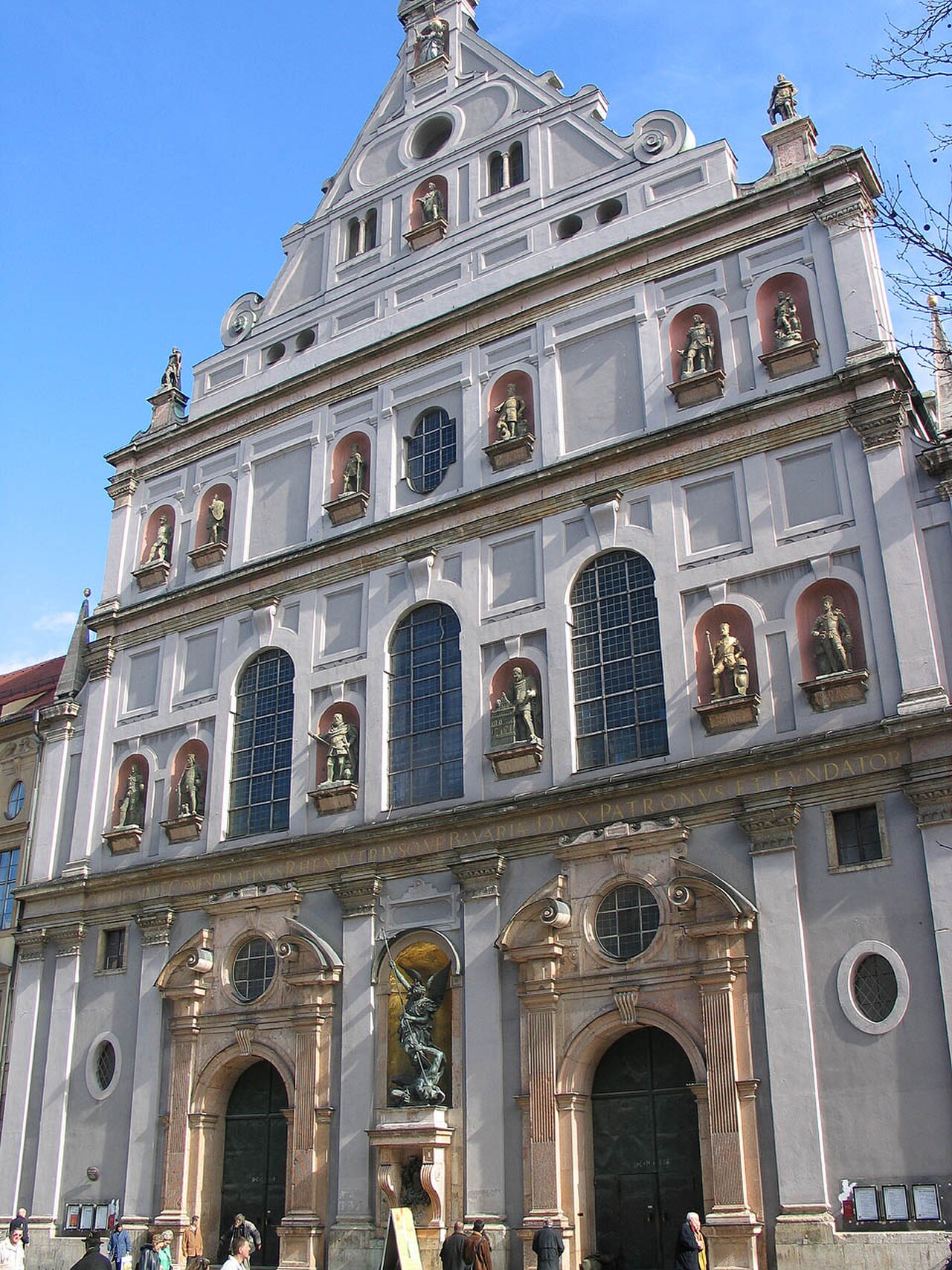
St. Michael's Church
- High · Heritage site
- Place of worship
Language · 11 published
Museum · Munich
Reviewed by Elena Voss · Roavina Travel Editor

| Monday | 09:30 – 17:00 |
|---|---|
| Tuesday | 09:30 – 17:00 |
| Wednesday | 09:30 – 17:00 |
| Thursday | 09:30 – 17:00 |
| Friday | 09:30 – 17:00 |
| Saturday | 09:30 – 17:00 |
| Sunday | 09:30 – 17:00 |
Checked 2026-08-31 · Source
Read from the OpenStreetMap access tags; anything not listed has no tag recorded.
Set the group type to family in the planner and the day window contracts to about three quarters of a solo day.
This place is a Museum. It opened in 1938.
Deutsches Jagd- und Fischereimuseum is a specialised Munich museum about hunting and fishing. Its city-centre setting inside a former Augustinian church gives the visit a strong architectural character as well as an exhibition focus. The museum suits travellers who want a smaller, subject-specific cultural stop alongside Munich’s better-known art, history, and royal collections. The Deutsches Jagd- und Fischereimuseum is a hunting and fishing museum located in Munich. It occupies a former Augustinian church in the city centre, near the pedestrian zone. The building's ecclesiastical architecture provides a distinctive setting for its collections. The museum documents the history, traditions, and cultural significance of hunting and fishing in Germany. It serves as a specialised institution within Munich's museum landscape, appealing to visitors with specific interests in these fields and those exploring the city's diverse cultural offerings beyond its major art and history institutions. The museum contains weapons and taxidermy animals that may disturb or bore younger visitors. Parental discretion is advised based on individual child sensitivities.
Checked 2026-08-26 · Source
The galleries bring together hunting weapons, fishing equipment, traps, rods, crossbows, historical firearms, and taxidermy specimens. Decorative objects connected with hunting culture include painted targets and ceremonial pieces. Displays connect practical techniques with regional traditions and the way hunting and fishing have been represented in German art and society. The former church remains part of the experience, adding an atmospheric backdrop to the collections. The museum displays hunting weapons, fishing equipment, and related artefacts across its galleries. Exhibits include historical firearms, crossbows, traps, and rods alongside taxidermy specimens of native and exotic animals. Decorative arts connected to hunting culture, such as painted targets and ceremonial objects, feature prominently. The collection illustrates techniques, regional traditions, and the evolution of equipment. Religious architectural elements from the church conversion remain visible, creating atmospheric exhibition spaces. Thematic displays address both practical aspects of hunting and fishing and their representation in art and society through the centuries.
Checked 2026-08-26 · Source
Allow about one to two hours for Deutsches Jagd- und Fischereimuseum. A shorter visit can cover the principal themes, while visitors interested in weapon craftsmanship, fishing methods, animal specimens, or decorative arts can spend longer with individual objects. The compact scale makes the museum easy to combine with a walk through Munich’s pedestrian centre and nearby historic sights. Visitors typically spend between one and two hours exploring the museum's galleries. The compact size of the institution allows for a focused visit without overwhelming scale. Those with strong interest in weaponry, natural history, or folk traditions may prefer longer stays to examine detailed craftsmanship in individual pieces.
Checked 2026-08-26 · Source
The museum works particularly well as an indoor stop during unsettled weather, because the collections are presented inside the former church. Weekday mornings can make it easier to examine the displays at an unhurried pace. The central pedestrian area becomes busier during major Munich visitor periods, including Oktoberfest and the Christmas-market season, so pair the museum with nearby sights according to the atmosphere you prefer.
Checked 2026-08-26 · Source
Plan Deutsches Jagd- und Fischereimuseum as a paid cultural attraction only after confirming the current arrangement for your visit, because the supplied place record does not state an admission amount, concession structure, free-entry policy, or payment method. The museum’s specialist subject makes it most valuable to travellers who already want hunting, fishing, natural-history, or material-culture exhibits rather than a general art collection.
Checked 2026-08-26 · Source
The museum is in Munich’s central pedestrian zone, within walking distance of Marienplatz. Marienplatz is served by the U-Bahn and S-Bahn, making it a practical arrival point from across the city and region. Once in the old town, walking is the simplest way to approach the former church. Central vehicle access and parking are less convenient than public transport.
Checked 2026-08-26 · Source
The museum’s taxidermy, hunting weapons, traps, and hunting imagery are central to the displays and may be unsuitable for visitors who dislike preserved animals or hunting themes. The historic church conversion may include steps or uneven flooring. Move carefully through the galleries, give fragile objects space, and plan the stop around the interests and sensitivities of everyone in your group.
Checked 2026-08-26 · Source
The former church interior and the museum’s displays provide strong visual subjects, from architectural details to fishing equipment, weapons, and animal specimens. Keep cameras and phones clear of cases and other visitors, and follow any gallery signs governing image-making. Avoid flash unless it is expressly permitted, since bright light can disrupt the visit and may be unsuitable for sensitive exhibits.
Checked 2026-08-26 · Source
The museum presents hunting weapons, fishing equipment, traps, rods, crossbows, firearms, taxidermy specimens, painted targets, and ceremonial objects in a former Augustinian church.
Allow about one to two hours, with extra time if you want to study the craftsmanship, specimens, regional traditions, and decorative objects in detail.
It is in Munich’s city-centre pedestrian zone, within walking distance of Marienplatz and its U-Bahn and S-Bahn connections.
Children who enjoy animals, equipment, and unusual historical objects may find it engaging, but taxidermy and hunting weapons can be unsettling for some younger visitors.
The museum occupies a former Augustinian church, so ecclesiastical architecture forms an atmospheric setting for the hunting and fishing collections.
Look for the former church’s architectural details, painted targets, ceremonial objects, fishing equipment, historic weapons, and carefully arranged animal specimens.
Loading the interactive map…
The interactive map could not be loaded.
Last updated:
Source: OpenStreetMap contributors, Wikidata ·