
3 min walk
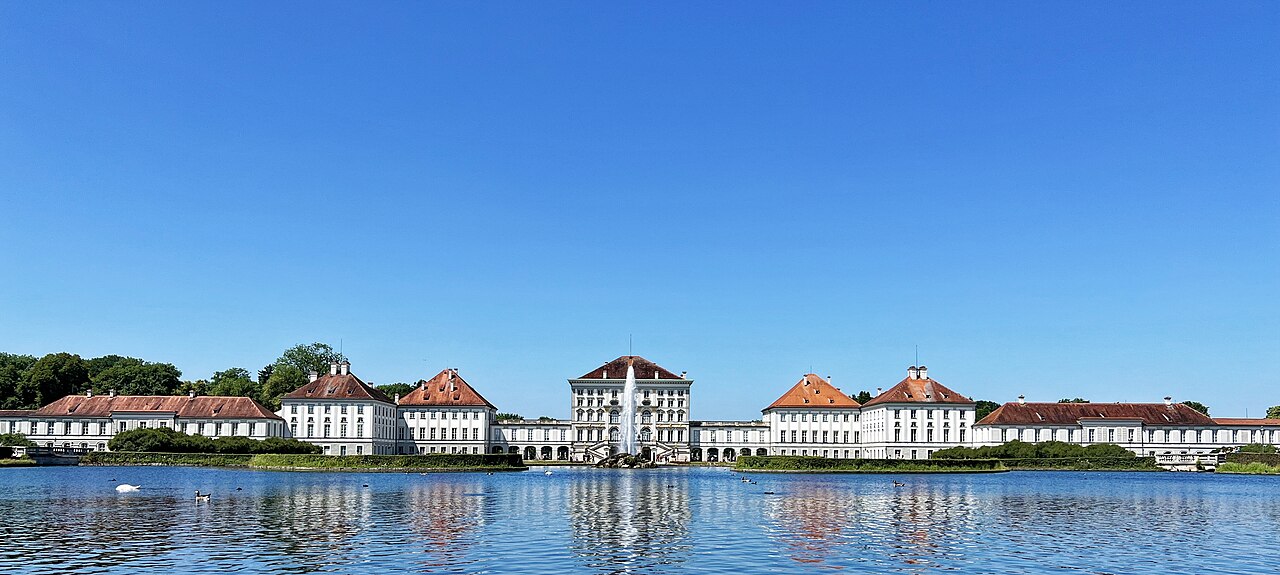
Nymphenburg Palace
- Must see · Heritage site
- Historic monument
Language · 11 published
Museum · Munich
Marstallmuseum Nymphenburg
Reviewed by Elena Voss · Roavina Travel Editor
| Monday | 09:00 – 18:00 |
|---|---|
| Tuesday | 09:00 – 18:00 |
| Wednesday | 09:00 – 18:00 |
| Thursday | 09:00 – 18:00 |
| Friday | 09:00 – 18:00 |
| Saturday | 09:00 – 18:00 |
| Sunday | 09:00 – 18:00 |
Checked 2026-08-31 · Source
Read from the OpenStreetMap access tags; anything not listed has no tag recorded.
Set the group type to family in the planner and the day window contracts to about three quarters of a solo day.
This place is a Museum. It was established in 1952.
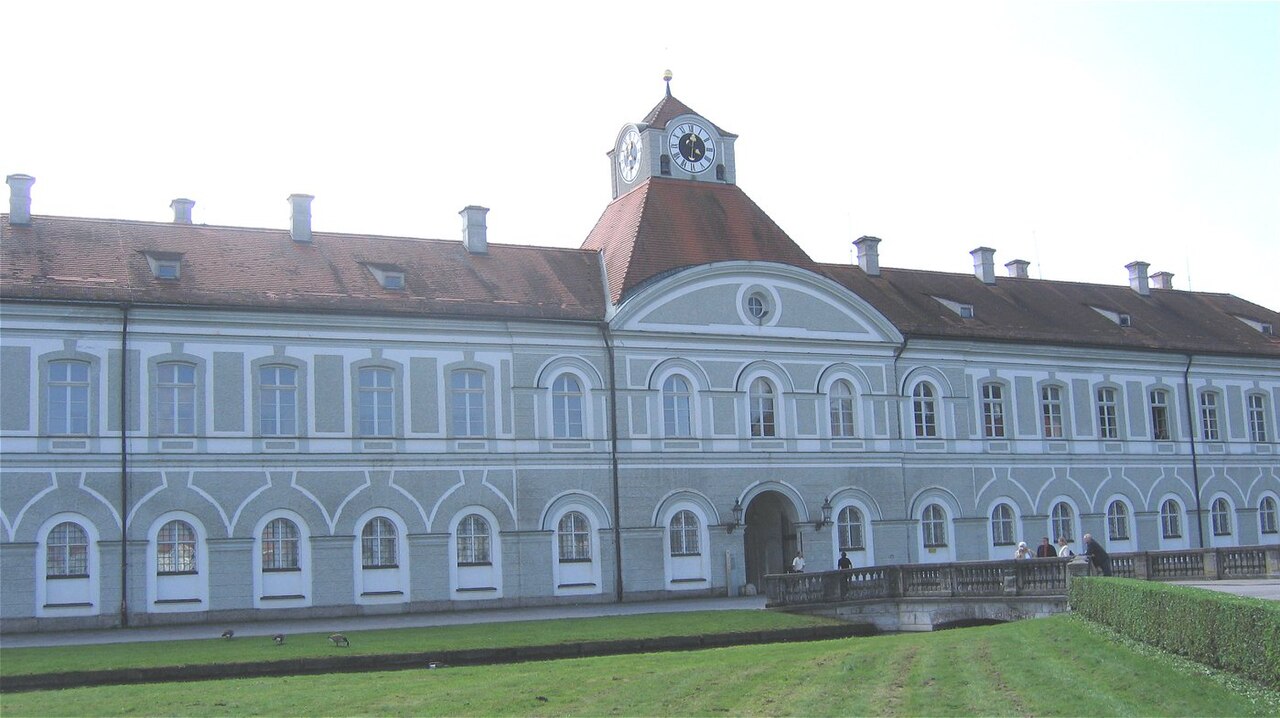
Marstallmuseum is a museum of royal carriages, sleighs and riding equipment within the grounds of Nymphenburg Palace in Munich. It occupies the former royal stables and preserves vehicles associated with Bavarian rulers, particularly during the eighteenth and nineteenth centuries. The museum offers a focused way to explore court culture, ceremonial movement and craftsmanship while remaining part of a larger palace visit. The Marstallmuseum Nymphenburg is a museum of court carriages and sleighs located within the grounds of Nymphenburg Palace in Munich. It occupies the former royal stables building. The museum preserves an important collection of vehicles used by Bavarian rulers, particularly from the 18th and 19th centuries. It forms part of the wider Nymphenburg Palace complex, which is one of Munich's most significant historical sites and a major destination for visitors interested in Bavarian court culture and transportation history. Visitors should verify current ticket configurations with official sources.
Checked 2026-08-26 · Source
The displays include ceremonial coaches, sleighs, riding equipment and state vehicles used for coronations, weddings and other formal occasions. Decorative carving, painted surfaces, upholstery and metalwork show the wealth and visual language of the Bavarian court. Objects connected with King Ludwig II add historical interest. Together, the vehicles explain how royal transport combined practical movement with ceremony, representation and highly specialised craftsmanship. The museum displays ceremonial carriages, sleighs, and riding equipment associated with the Bavarian Wittelsbach dynasty. The collection includes state vehicles used for coronations, weddings, and other formal occasions. Decorative elements and craftsmanship demonstrate the wealth and artistic standards of the Bavarian court. Some exhibits relate to famous historical figures including King Ludwig II. The displays illustrate the evolution of royal transport and the ceremonial traditions of the former kingdom. Visitors can examine the detailed construction and ornamentation of these historical vehicles.
Checked 2026-08-26 · Source
Allow about forty-five minutes to one hour for the Marstallmuseum itself. That gives enough time to move through the compact displays and study the most ornate vehicles without rushing. Visitors interested in decorative arts, carriage construction or Bavarian royal history may stay longer. If you are also visiting the palace, Amalienburg or the park, plan the entire Nymphenburg complex as a much longer outing. A typical visit to the Marstallmuseum requires approximately 45 minutes to one hour for a meaningful examination of the main exhibits.
Checked 2026-08-26 · Source
The museum is an indoor stop that fits naturally into a Nymphenburg visit in any season. Morning usually gives you more space to examine the vehicles and their details before busier periods. Summer and major Munich visitor periods can make the wider palace complex lively, while winter can feel calmer. Leave time for the walk through the palace grounds, particularly when combining several buildings.
Checked 2026-08-26 · Source
Marstallmuseum belongs to the Nymphenburg Palace complex, so it works best when considered alongside the other palace buildings rather than as an isolated museum. A combined visit can connect royal transport with the palace interiors and park setting. Before entering, identify which parts of the complex you want to see and allow time for their separate approaches. The museum’s compact scale makes it an easy addition to a broader palace route.
Checked 2026-08-26 · Source
The museum is inside Nymphenburg Palace grounds in Munich’s Neuhausen-Nymphenburg district, west of the city centre. Tram services reach the palace area, after which you walk through the grounds to the relevant entrance. Cycling is practical on Munich’s network, while drivers face the normal limitations of a busy urban attraction. Allow extra time after arrival because the palace estate is extensive and the museum is not immediately beside every entrance.
Checked 2026-08-26 · Source
This is a historic building containing delicate vehicles and decorative objects, so barriers and handling rules matter throughout the visit. Crowding can make it harder to see details in front of popular carriages. The approach from public transport involves outdoor walking across the palace grounds. If you choose a combined visit, keep track of the buildings included in your route and leave enough time to reach each one without turning the museum into a rushed stop.
Checked 2026-08-26 · Source
The carriage collection provides detailed subjects: painted panels, gilded ornament, wheels, harnesses and the craftsmanship of the former court workshops. In the confined stables rooms, step aside before taking photographs so other visitors can pass. Keep clear of barriers and follow signs around individual objects. Exterior views of the historic building and the palace grounds add useful context to photographs taken inside the museum.
Checked 2026-08-26 · Source
It is in the former royal stables within the grounds of Nymphenburg Palace, west of Munich’s city centre.
About forty-five minutes to one hour is suitable for the museum alone. A palace-and-park visit requires considerably longer.
You can see ceremonial carriages, sleighs, riding equipment and state vehicles linked with Bavarian rulers and court ceremonies.
Yes. The museum sits within the palace grounds and combines naturally with the palace buildings, Amalienburg and the park.
Use tram services to the Nymphenburg Palace area, then walk through the estate to the museum. Cycling is also practical from nearby districts.
It brings royal transport, Bavarian court history and exceptional decorative craftsmanship together in a compact museum inside a historic palace estate.
Loading the interactive map…
The interactive map could not be loaded.

Last updated:
Source: OpenStreetMap contributors, Wikidata ·