
3 min walk
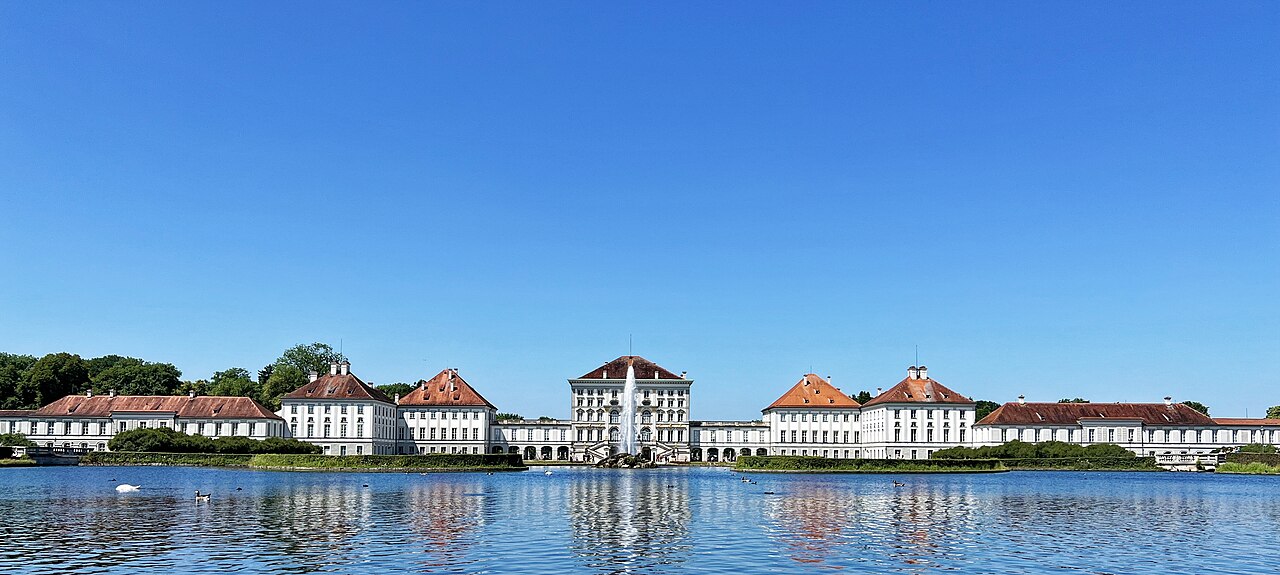
Nymphenburg Palace
- Must see · Heritage site
- Historic monument
Language · 11 published
Museum · Munich
Porzellanmuseum München
Reviewed by Elena Voss · Roavina Travel Editor
| Monday | 09:00 – 18:00 |
|---|---|
| Tuesday | 09:00 – 18:00 |
| Wednesday | 09:00 – 18:00 |
| Thursday | 09:00 – 18:00 |
| Friday | 09:00 – 18:00 |
| Saturday | 09:00 – 18:00 |
| Sunday | 09:00 – 18:00 |
Checked 2026-08-31 · Source
Read from the OpenStreetMap access tags; anything not listed has no tag recorded.
Set the group type to family in the planner and the day window contracts to about three quarters of a solo day.
This place is a Museum.
Nymphenburg Porcelain Museum is a specialist collection within the grounds of Nymphenburg Palace in Munich. It focuses on the history and artistry of the Nymphenburg Porcelain Manufactory, one of Europe’s oldest porcelain producers. The museum places decorative objects in a palace setting, making it a natural companion to the wider estate. Visitors can connect porcelain craftsmanship with the court culture, interiors and formal landscape of Nymphenburg. The Nymphenburg Porcelain Museum is a specialist museum located within the grounds of Nymphenburg Palace in Munich. It is dedicated to the history and artistry of porcelain manufacture, with particular emphasis on the products of the Nymphenburg Porcelain Manufactory, one of Europe's oldest and most prestigious porcelain producers. The museum occupies rooms within the palace complex, allowing visitors to combine porcelain appreciation with exploration of the broader baroque palace estate. Its collections represent centuries of decorative arts craftsmanship. Ticket inclusions vary and should be verified through official Nymphenburg Palace channels before purchase. Visitors should inquire directly with palace visitor services regarding specialized tour offerings.
Checked 2026-08-26 · Source
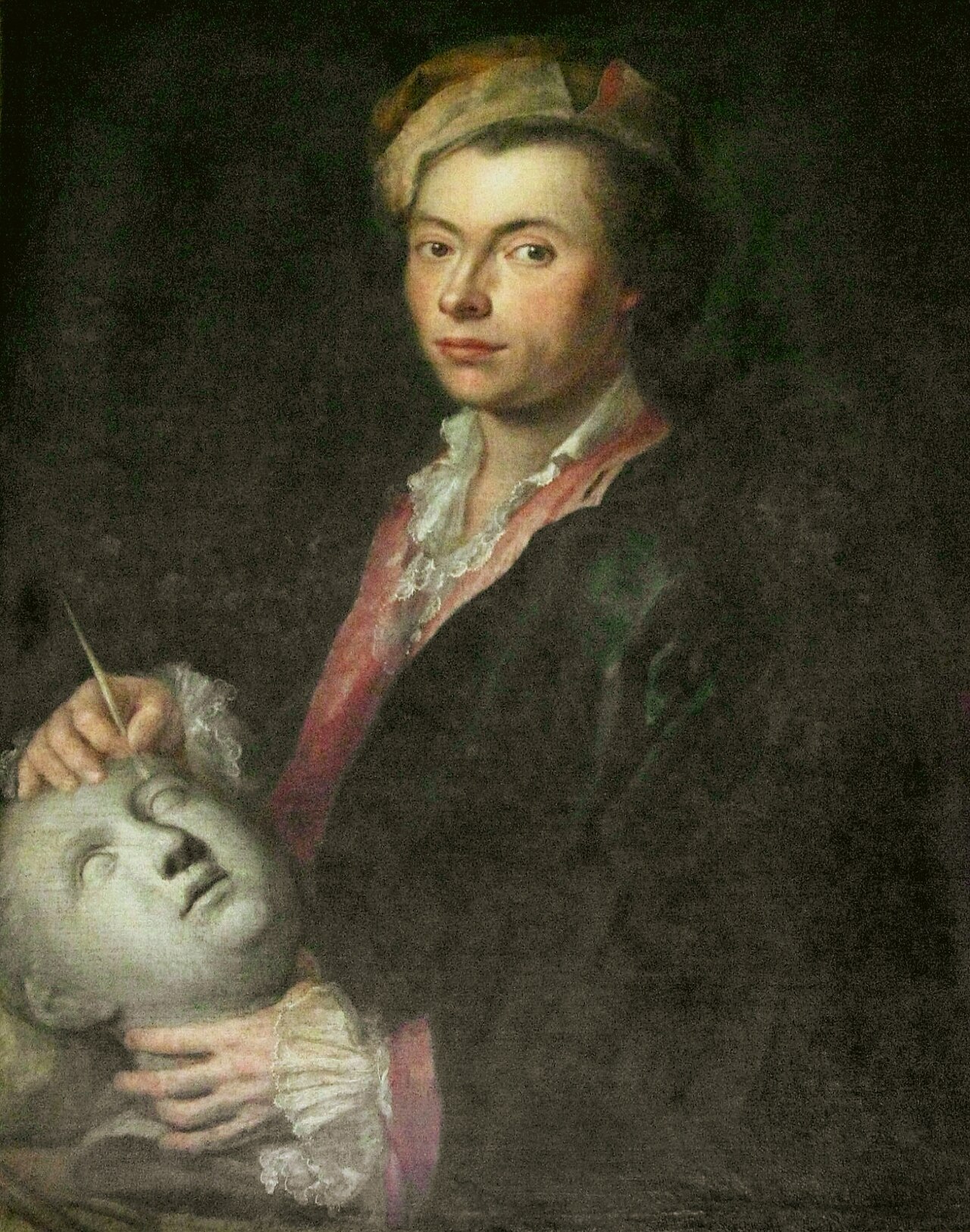
The displays cover porcelain from the manufactory’s early period in the mid-eighteenth century through later and contemporary production. Tableware, figurines and decorative pieces show changing forms, painting styles, glazes and uses. Historical commissions sit alongside objects that demonstrate technical refinement and evolving European taste. Look closely at the relationship between shape, surface and painted detail: the collection is most rewarding when individual pieces are examined as works of both design and skilled manufacture. The museum displays porcelain objects spanning multiple periods, including tableware, figurines, and decorative pieces. Highlights include works from the manufactory's founding period in the mid-eighteenth century through to contemporary production. The collection showcases the technical refinement and artistic evolution of Nymphenburg porcelain, with pieces demonstrating various painting styles, glazes, and forms.
Checked 2026-08-26 · Source
Allow about forty-five minutes to one hour for a focused visit to the porcelain collection. The museum is compact, but visitors interested in decorative arts can spend longer comparing painting, glazes and forms across different periods. Most people combine it with Nymphenburg Palace, the palace interiors or the park. For that wider experience, reserve substantially more time and treat the porcelain museum as one carefully chosen part of the estate route.
Checked 2026-08-26 · Source
Morning is a good time for examining delicate objects with less pressure around the display cases. Summer and December holiday periods can bring more visitors to the Nymphenburg estate, while the indoor museum remains useful in unsettled weather. If you want to include the park, allow the season to shape that part of the day. The combination of palace, porcelain and landscape gives the visit a different rhythm from a standalone museum stop.
Checked 2026-08-26 · Source
Place the porcelain museum within your wider Nymphenburg plan. The estate includes several attractions, and a visitor choosing palace interiors, the park and other buildings needs to shape the day around the complete route. The compact collection does not require a separate full day, but it adds depth to a palace visit by showing the objects and craftsmanship associated with Bavarian court life. Keep enough flexibility to explore the collection at a thoughtful pace.
Checked 2026-08-26 · Source
Nymphenburg Palace and the porcelain museum are west of Munich’s central area. Tram services reach the palace vicinity, followed by a walk through the grounds toward the entrance complex. Cycling connects well with western Munich, while drivers need to plan around the approach to a major visitor site. From central Munich, allow roughly twenty to thirty minutes for the journey, then add walking time across the estate.
Checked 2026-08-26 · Source
Porcelain is fragile, so keep hands away from the objects and follow the movement rules around display cases. The museum forms part of a larger palace complex, which means you may walk between different sectors during the same outing. Crowding can make close examination harder at popular cases. Dress in layers for the transition between indoor rooms and the park. The best route gives the collection its own attention before moving on to the palace or grounds.
Checked 2026-08-26 · Source
The porcelain collection rewards detail photographs of painted decoration, glaze, silhouettes and repeated patterns. Display cases can create reflections, so move slowly and look for a clear angle without leaning against barriers. Keep equipment compact in the intimate rooms and avoid blocking another visitor’s view. If you continue into the palace grounds, exterior photographs of Nymphenburg add the architectural and landscape context that the porcelain displays cannot provide on their own.
Checked 2026-08-26 · Source
It is within the grounds of Nymphenburg Palace in western Munich, together with other palace and estate attractions.
The collection includes Nymphenburg tableware, figurines and decorative porcelain from the manufactory’s eighteenth-century beginnings through later production.
Around forty-five minutes to one hour suits the porcelain museum alone. Combining it with the palace and park requires substantially more time.
Yes. The museum is part of the Nymphenburg estate and fits naturally with the palace interiors, other buildings and the park.
Take a tram toward Nymphenburg Palace, then walk through the grounds to the entrance complex. From central Munich, the transit journey generally takes twenty to thirty minutes.
It shows how Nymphenburg porcelain developed through changing forms, glazes, painting styles and court commissions, adding a focused decorative-arts perspective to the palace visit.
Loading the interactive map…
The interactive map could not be loaded.

Last updated:
Source: OpenStreetMap contributors, Wikidata ·