
91 min walk
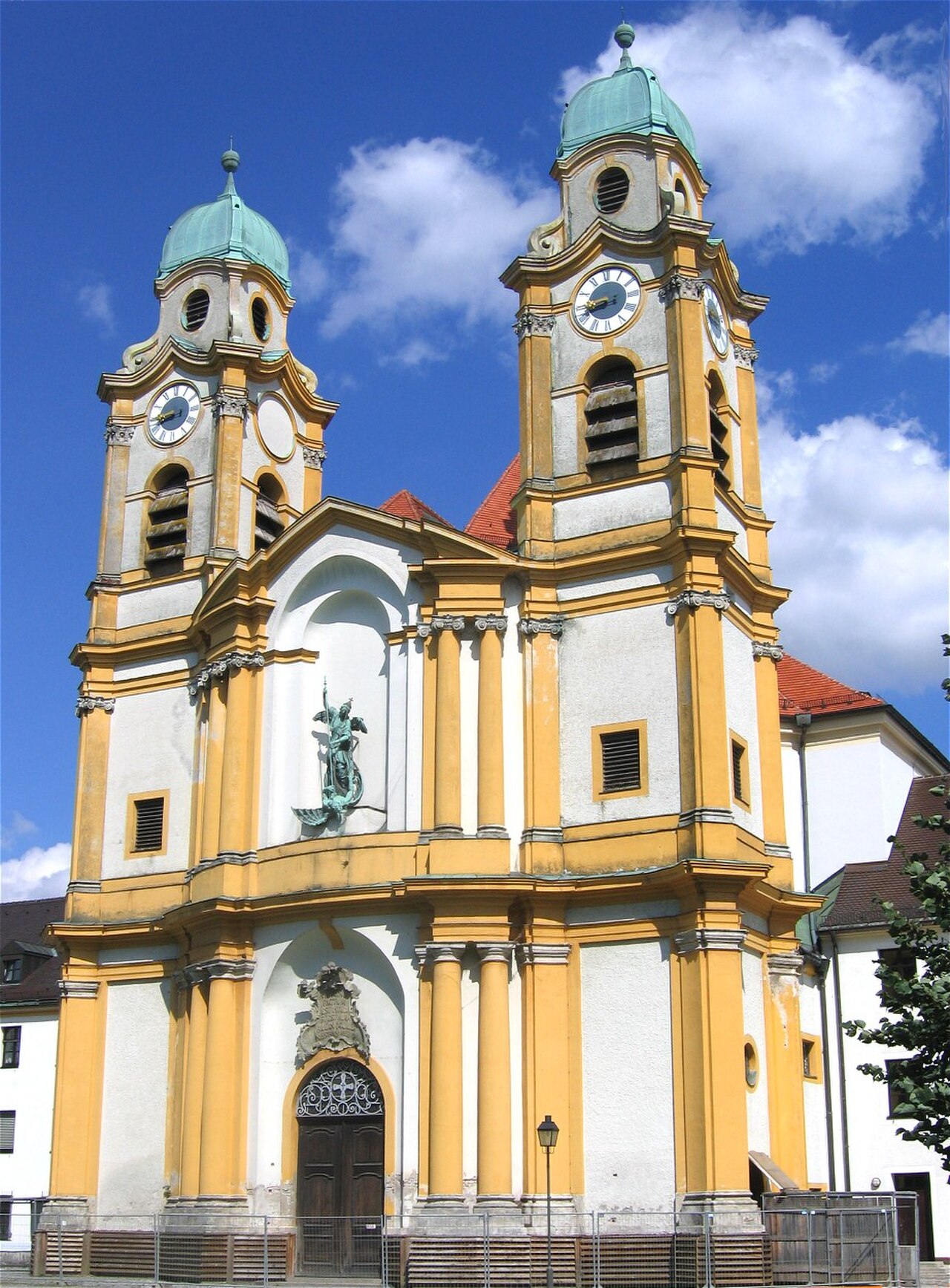
St Michael in Berg am Laim
- Must see · Heritage site
- Historic monument
Museum · Munich
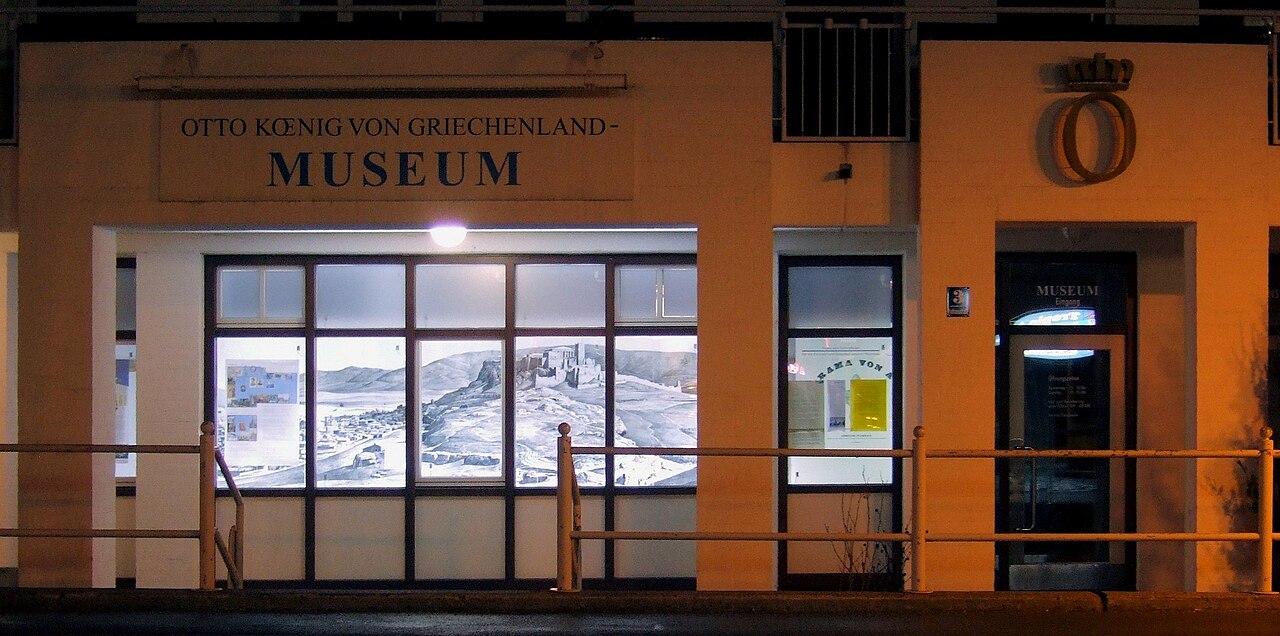
Otto-König-von-Griechenland-Museum
Closed today, Sunday. Next open Thursday at 15:00 — the planner will not place a stop here on a Sunday.
Plan around it| Monday | Closed |
|---|---|
| Tuesday | Closed |
| Wednesday | Closed |
| Thursday | 15:00 – 18:00 |
| Friday | Closed |
| Saturday | 10:00 – 13:00 |
| Sunday | Closed |
Checked 2026-08-31 · Source
| Per person | Free entry |
|---|
Checked 2026-08-31 · Source
Read from the OpenStreetMap access tags; anything not listed has no tag recorded.
Set the group type to family in the planner and the day window contracts to about three quarters of a solo day.
Otto König von Griechenland-Museum presents the story of Otto, the Bavarian prince who became the first modern King of Greece in 1832. The subject connects Munich with nineteenth-century European monarchy, Greek state formation and the Wittelsbach dynasty. It is a focused heritage stop for travelers who enjoy political history, royal biographies and the links between Bavaria and Greece. Its specialized theme gives a quieter counterpoint to Munich’s larger palace and art museums. The Otto-König-von-Griechenland-Museum is a Munich museum dedicated to Otto, the Bavarian prince who became the first modern King of Greece in 1832. Located in the city associated with his origins, the institution preserves and presents material connected to this significant nineteenth-century European dynastic transfer. The museum occupies a position within Munich's broader landscape of royal and regional heritage sites, reflecting Bavaria's extensive historical ties to Mediterranean monarchical politics through the Wittelsbach family. The museum's specialized historical focus on nineteenth-century dynastic politics and documentary collections may not engage younger visitors. Families should assess children's existing interest in royal history or Greek independence before planning attendance.
Checked 2026-08-26 · Source
The displays focus on Otto’s life, reign and connection with Bavaria. Visitors encounter material connected with his upbringing, his selection as Greek king, his arrival in Nafplio and his later return to Bavaria. Historical objects, documents, portraits and memorabilia help frame the personal side of a major dynastic transition. Read the displays as a biographical journey: begin with Otto’s Bavarian origins, then follow the political circumstances that carried him to Greece and shaped his later life. The museum's collections concentrate on artifacts, documents, and memorabilia relating to Otto of Greece's life, reign, and subsequent return to Bavaria. The displays contextualize his Bavarian upbringing, his selection by the Great Powers, his arrival in Nafplio, and his eventual residence in Bamberg after leaving Greece.
Checked 2026-08-26 · Source
Allow around forty-five to ninety minutes for the museum. A shorter visit suits travelers who want the main biographical outline and representative objects. Stay toward the longer end if you read historical text carefully, compare portraits and documents, or already know something about Greek independence and Bavarian royal history. The focused scale also makes the museum easy to combine with another central Munich heritage stop during the same half-day. Visitor duration at the Otto-König-von-Griechenland-Museum typically extends between forty-five minutes and ninety minutes, depending upon individual engagement with documentary materials and detailed historical narratives.
Checked 2026-08-26 · Source
This is an indoor history visit that fits naturally into a Munich day built around museums and royal heritage. Plan it when you want concentrated historical reading rather than a large, busy attraction. Its subject rewards an unhurried pace, especially when you are interested in how Bavarian dynastic history reached the eastern Mediterranean. Pairing it with nearby cultural sights creates a balanced day, while the compact visit leaves room for walking, cafés and further galleries.
Checked 2026-08-26 · Source
Admission information is not included in this guide, so the museum works best as one stop within a flexible cultural itinerary rather than the sole purpose of a long journey. The attraction’s value lies in its concentrated subject: Otto’s biography, his Greek kingship and the Bavarian setting behind it. Travelers planning several museum visits can place this specialized collection between broader palace, art or city-history experiences.
Checked 2026-08-26 · Source
The museum is in Munich, making it suitable for a city-center cultural route. Use Munich’s public-transport network or walk from another central attraction when your itinerary allows. A map search for the museum’s name gives the most direct approach from your accommodation or previous stop. Build in time for the surrounding streets: the experience is strongest when the museum is understood as part of Munich’s wider royal and historical landscape.
Checked 2026-08-26 · Source
The museum has a narrow historical focus, so it suits visitors drawn to monarchy, diplomacy and Greek-Bavarian connections more than travelers seeking interactive entertainment. Much of the experience depends on reading and context. Bring patience for documentary material and portraits, and place the visit beside a broader Munich sight if your group has different interests. The museum becomes more rewarding when you approach it with a clear question about Otto’s unusual change of country and crown.
Checked 2026-08-26 · Source
Treat the interiors and historical material with the care expected in a museum devoted to royal documents and personal objects. Follow the signs and staff directions in each display area, and avoid using a flash unless permission is clearly given. The best photographs, where permitted, are details that help you remember the story rather than a rapid record of every case. Leave space for other visitors and keep equipment compact in the galleries.
Checked 2026-08-26 · Source
It tells the story of Otto, the Bavarian prince who became the first modern King of Greece, linking Munich’s royal history with nineteenth-century Greece.
Allow roughly forty-five to ninety minutes, depending on how closely you read the documents, portraits and biographical interpretation.
Otto was a Bavarian prince from the Wittelsbach family who became King of Greece in 1832 and later returned to Bavaria.
No. Its subject is specifically Otto, his Greek reign and the Bavarian dynastic background connected with his life.
It is especially suited to travelers interested in royal history, Greek state formation, diplomacy, biography and connections between Bavaria and Greece.
Yes. Its focused visit fits well into a half-day route that also includes Munich’s broader royal, art or city-history attractions.
Loading the interactive map…
The interactive map could not be loaded.
Last updated:
Source: OpenStreetMap contributors, Wikidata ·