
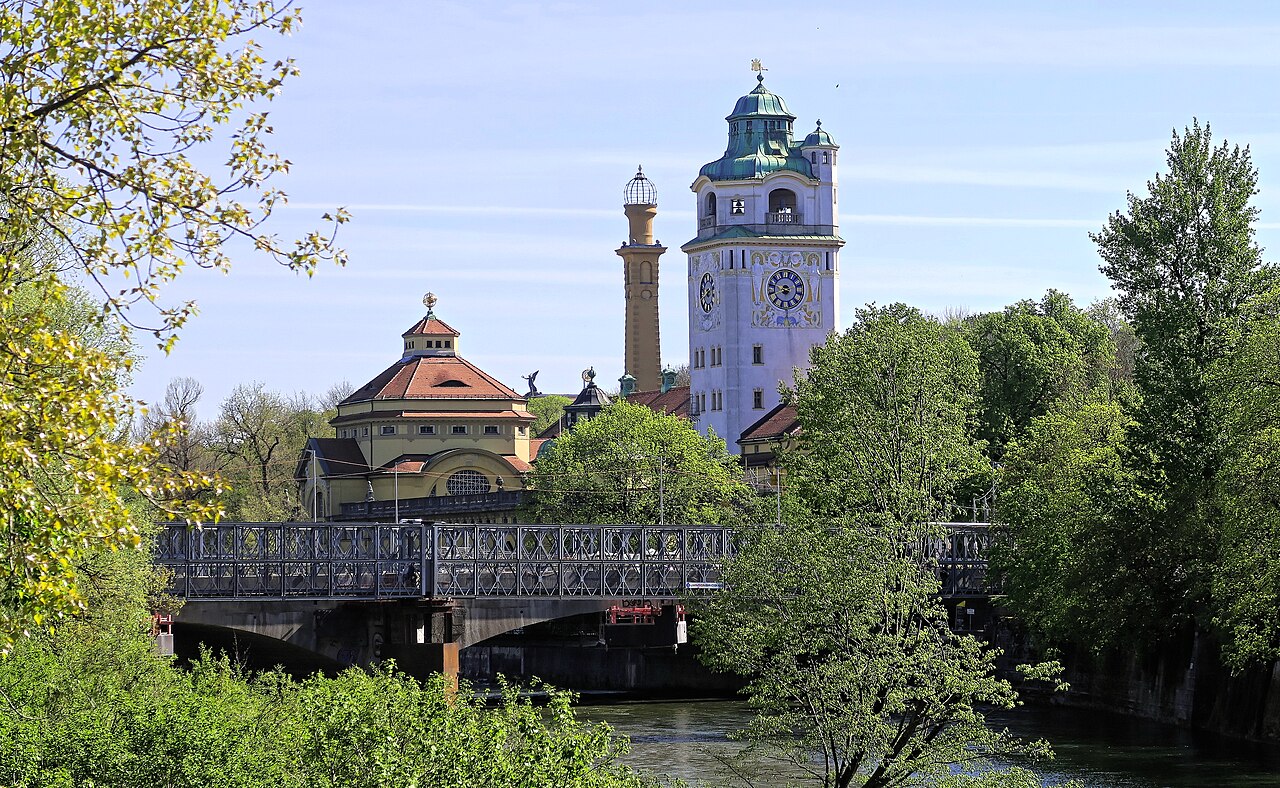
3 min walk
Müllersches Volksbad
- Must see · Heritage site
- Historic monument
Language · 11 published
Museum · Munich
Reviewed by Elena Voss · Roavina Travel Editor
| Monday | Closed |
|---|---|
| Tuesday | 10:00 – 18:00 |
| Wednesday | 10:00 – 18:00 |
| Thursday | 10:00 – 18:00 |
| Friday | 10:00 – 18:00 |
| Saturday | 10:00 – 18:00 |
| Sunday | 10:00 – 18:00 |
Checked 2026-08-31 · Source
Read from the OpenStreetMap access tags; anything not listed has no tag recorded.
Set the group type to family in the planner and the day window contracts to about three quarters of a solo day.
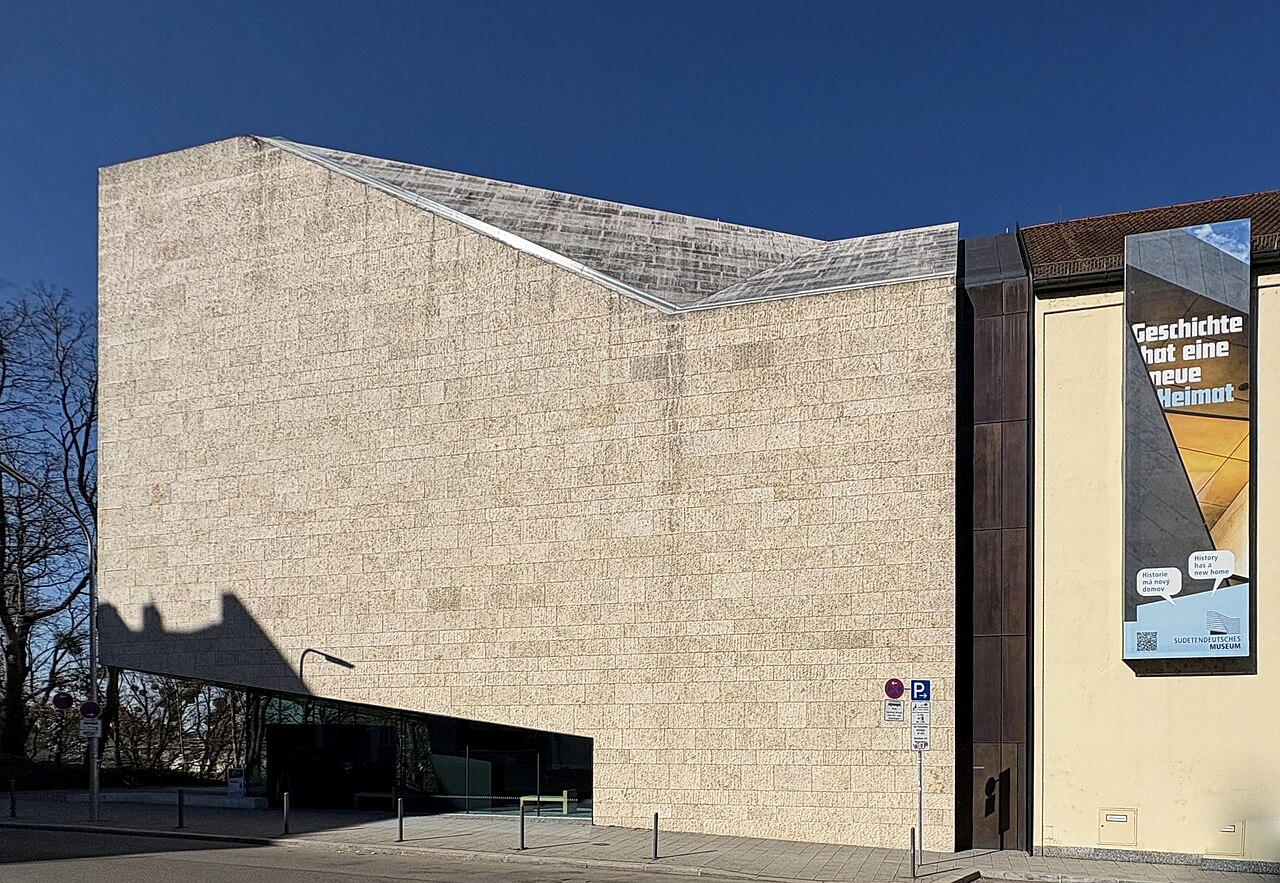
This place is a Museum. It opened in 2020.
The Sudetendeutsches Museum in Munich presents the history and cultural heritage of the Sudeten Germans, an ethnic German population historically associated with Bohemia, Moravia and Silesia. Its subject reaches from regional settlement and everyday life to the upheavals of the twentieth century. The museum is also a place for understanding displacement after the Second World War. Plan this stop as a focused historical visit, especially if you want a quieter complement to Munich’s major art and palace museums. The Sudetendeutsches Museum is a cultural institution in Munich dedicated to preserving and presenting the history, heritage, and cultural contributions of the Sudeten Germans. These were ethnic Germans who historically inhabited the Sudetenland region of Bohemia, Moravia, and Silesia, areas that became part of Czechoslovakia after World War I. The museum serves as a memorial and documentation center for this displaced population, whose members were expelled from their homeland following World War II under the Potsdam Agreement. A flexible visit lets travellers connect Sudetendeutsches Museum with the rest of the day without treating one room, viewpoint or photograph as the whole experience. The useful pace depends on personal interest and conditions on arrival. The museum's specialized historical content regarding displacement and ethnic conflict may not engage younger children. Parental discretion is advised based on individual maturity and interest in history.
Checked 2026-08-26 · Source
Displays cover Sudeten German folk culture, traditional crafts, regional clothing and historical objects. The wider story includes settlement, economic development and cultural life, followed by the Munich Agreement, wartime experience and postwar expulsion. Documents, photographs and personal testimonies add personal detail to the political history. A library and archival holdings support deeper study, including family-history research. Move through the galleries slowly: objects and testimony are most meaningful when read alongside the regional and historical explanations.
Checked 2026-08-26 · Source
Allow about one to two hours for the museum’s permanent displays and any temporary exhibition presented during your visit. That is enough time to read the principal explanations, examine the objects and pause at the personal testimonies without rushing. Visitors with a family-history or academic interest can spend longer with the library and archives. Because the subject is concentrated rather than encyclopedic, the museum works well as a substantial half-day stop rather than an all-day commitment.
Checked 2026-08-26 · Source
An indoor museum visit fits Munich throughout the year, including cold or wet winter days when outdoor sightseeing is less comfortable. Spring through autumn makes it easy to pair the museum with a walk through the surrounding city. Give yourself enough time to read, since the historical sequence depends on context rather than quick visual impressions. The most rewarding visit is one where you can engage with the twentieth-century sections without hurrying toward the next attraction.
Checked 2026-08-26 · Source
Treat the visit as a museum stop whose payment details belong with the practical planning information for your chosen date. Once inside, the permanent galleries are the core experience: budget time for the exhibitions themselves, and consider the library and archives only if your interests extend beyond a standard visit.
Checked 2026-08-26 · Source
The museum is in Munich and belongs naturally in a city day built around indoor cultural sights. Munich’s U-Bahn, S-Bahn, tram and bus network connects the city’s districts, while walking or cycling can suit visitors already exploring the surrounding area. Use the museum’s OpenStreetMap location as the destination when planning the final approach. Leave room for the walk from the transport connection, and avoid placing the museum between outdoor stops if the weather is poor.
Checked 2026-08-26 · Source
The museum deals with ethnic conflict, forced migration, wartime experience and the loss of a homeland. Its exhibitions deserve the same attention and restraint as any memorial or displacement museum. The Sudeten German perspective is central, so read the displays as an account of that community’s experience within the broader history of Central Europe. Visitors who prefer light sightseeing may find the subject emotionally demanding; the museum is best approached with time for reflection rather than treated as a rapid photo stop.
Checked 2026-08-26 · Source
The museum’s value lies in its objects, documents, photographs and recorded personal experiences, so photography should remain secondary to looking and reading. Move carefully through display areas and keep other visitors’ concentration in mind. Archival material and temporary displays may require particular care. If you take photographs for personal memory, frame the objects respectfully and avoid turning testimonies about displacement into casual background imagery. The galleries reward attention to captions and context more than a large number of images.
Checked 2026-08-26 · Source
It focuses on Sudeten German history and culture, including folk traditions, regional life, twentieth-century war experience and postwar expulsion.
The collections include crafts, regional clothing, historical objects, documents, photographs and personal testimonies, with library and archival holdings for deeper study.
Allow about one to two hours for the exhibitions; family-history and academic research can justify a longer visit.
Yes. Its indoor galleries make it a practical cultural stop during wet or cold weather, with the exhibitions providing a focused alternative to outdoor sightseeing.
The museum maintains archival and library holdings that can support research into Sudeten German family and regional history.
The museum covers settlement, economic and cultural development, the Munich Agreement, wartime experiences and the postwar expulsion of Sudeten Germans.
Loading the interactive map…
The interactive map could not be loaded.
Last updated:
Source: OpenStreetMap contributors, Wikidata ·