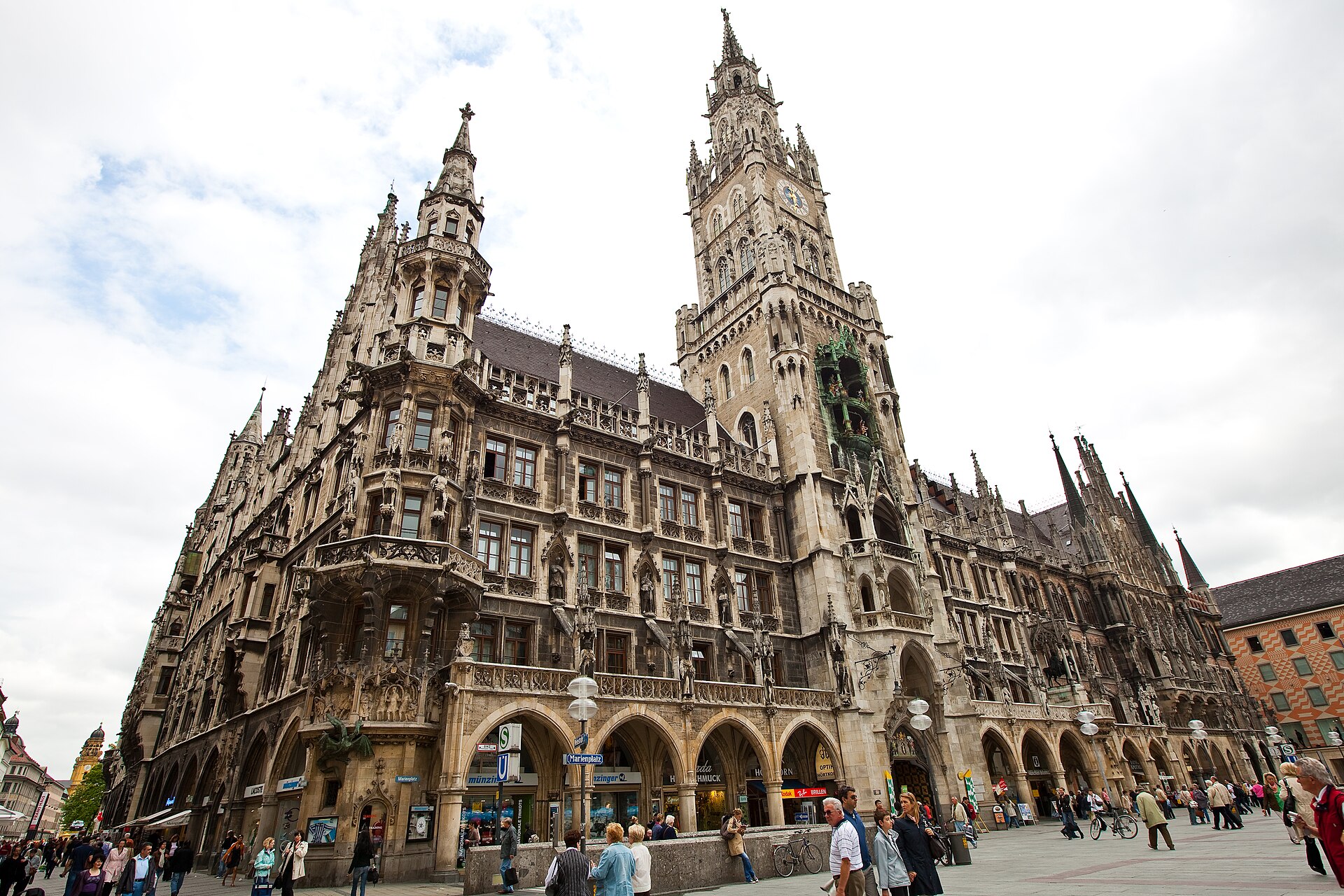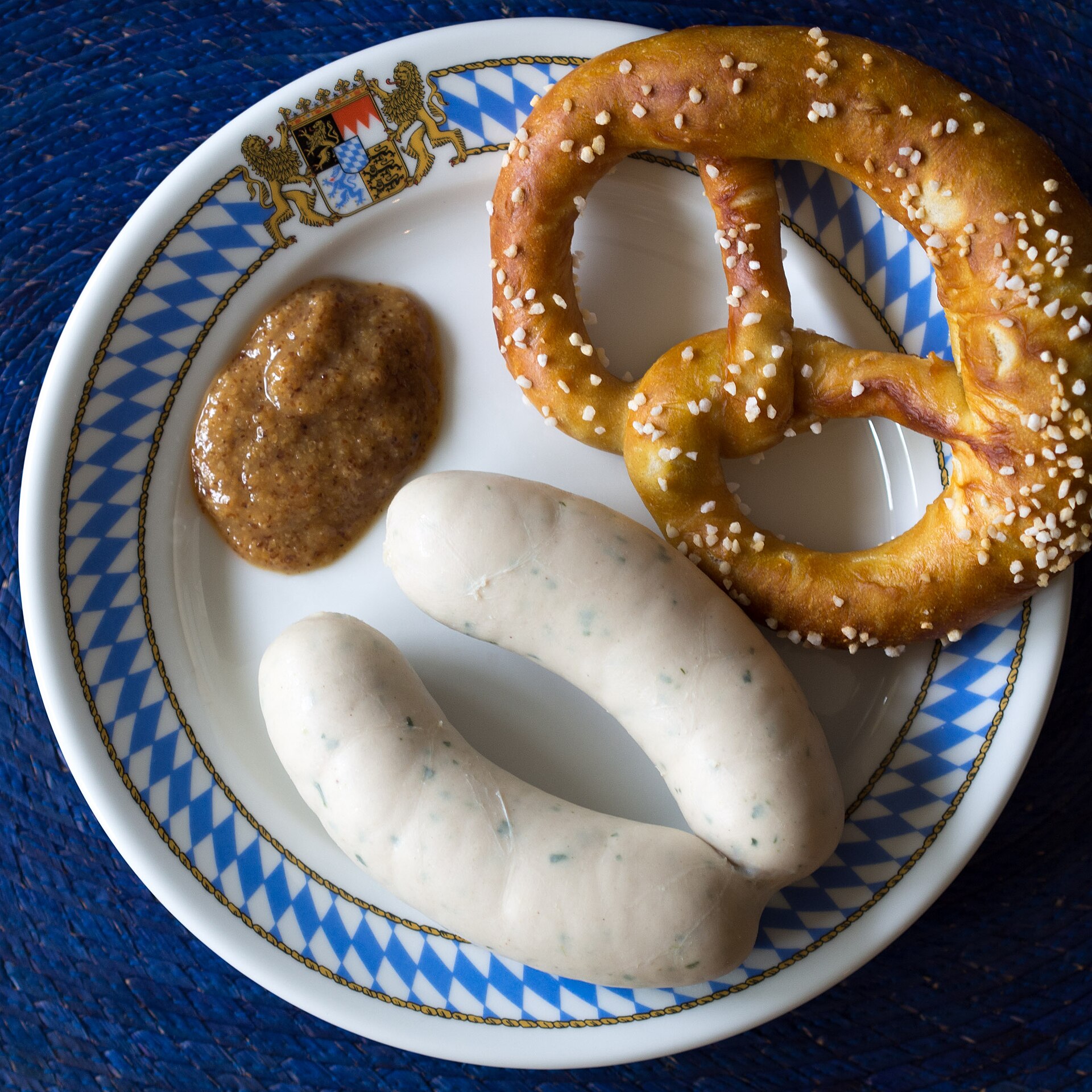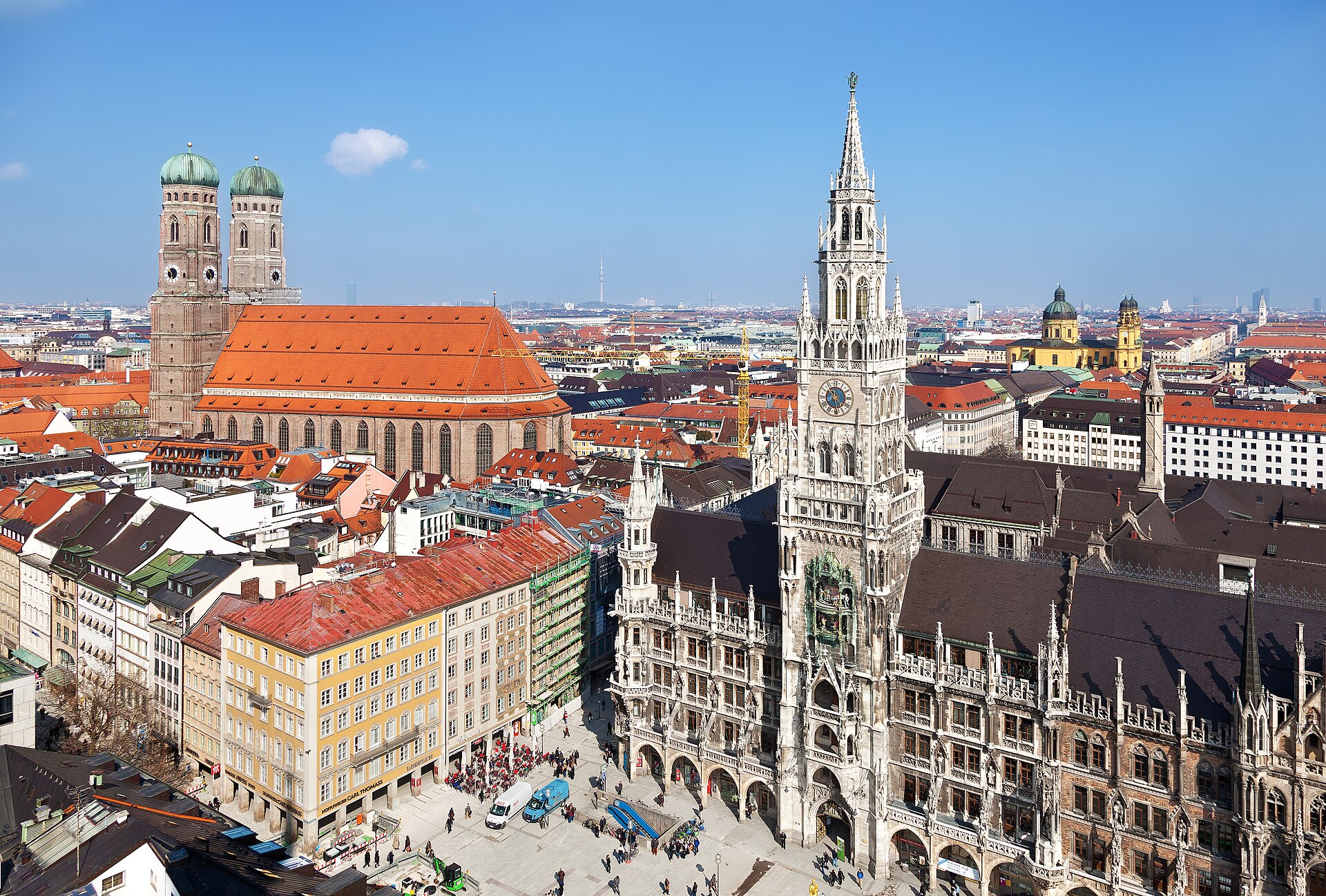
A photograph of Munich

City guide · Germany

Munich

Munich's visitor core is centred on Marienplatz and the Altstadt, with the Residenz, major churches and markets within walking distance. The museum quarter lies...

Photograph · Thomas Wolf, www.foto-tw.de · CC BY-SA 3.0 de

3,799 Places
Suggested stay
Not recorded
Getting around
Walk, U-Bahn, S-Bahn, tram and bus

Turn this list into a plan

Set your days, your pace and the hours you actually want to be out. The planner works around closing days and travel time, and leaves room to eat.

Plan Munich

Reviewed by Elena Voss · Roavina Travel Editor

Munich's visitor core is centred on Marienplatz and the Altstadt, with the Residenz, major churches and markets within walking distance. The museum quarter lies northwest, the English Garden stretches north, and the main station stands west of the old centre. Nymphenburg Palace, Olympiapark and BMW Welt form separate outer clusters that are best reached by public transport.

Checked 2026-08-26

Practical information

Language spoken
German
National practical orientation; regional and minority languages may also be used
Dialling code
+49
International calling code; local area and mobile prefixes still apply
Currency
Euro (EUR)
Use the official local currency; card acceptance varies by place
Emergency number
112 medical/fire · 110 police
Use only for an emergency; tourist assistance may use a separate number
Plug type
Type C and F · 230 V
Check that chargers support the recorded voltage before using an adapter
Tap water
Safe from the mains
Public drinking water is regulated under national drinking-water rules

Planning a visit

September · September balances a 18.8°C daily maximum with 86.3 mm precipitation in Munich, a strong early-autumn combination.

  1. January: viable with meaningful trade-offs
  2. February: viable with meaningful trade-offs
  3. March: good time to visit
  4. April: good time to visit
  5. May: best time to visit
  6. June: good time to visit
  7. July: good time to visit
  8. August: good time to visit
  9. September: best time to visit — current month
  10. October: good time to visit
  11. November: viable with meaningful trade-offs
  12. December: viable with meaningful trade-offs

Sources

Top things to see

Ranked by importance — sitelinks, pageviews and heritage status, not editor preference.

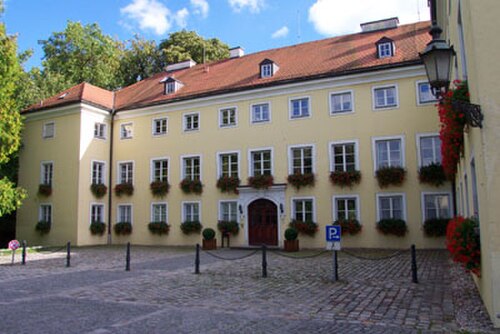
  1. Fürstenried Palace Fürstenried Palace
    32 45 min

    Fürstenried Palace

    Schloss Fürstenried

    Fürstenried Palace, also known as Schloss Fürstenried, is a Baroque palace in Munich’s southwestern Fürstenried district. Elector Max Emanuel of Bavaria built it in the early eighteenth century as a hunting lodge.

    • Notable
    • Historic monument
  2. Ismaning Palace Ismaning Palace
    33 45 min

    Ismaning Palace

    Schloss Ismaning

    Ismaning Palace is a Baroque palace in the municipality of Ismaning, northeast of Munich. Unlike a palace preserved solely as a museum, it functions as a municipal administrative center and cultural venue.

    • Notable
    • Historic monument
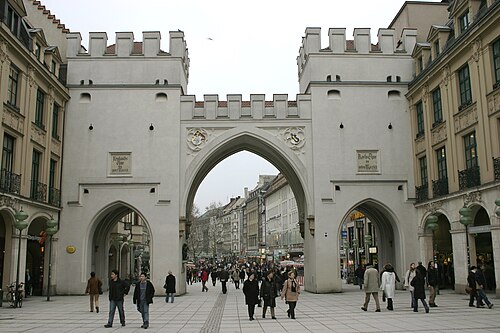
  3. Karlstor (München) Karlstor (München)
    34 45 min

    Karlstor (München)

    Karlstor

    Karlstor is one of three remaining medieval city gates in Munich, Germany. It stands at the western end of Neuhauser Straße, marking the boundary between the historic city center and the Karlsplatz area.

    • Notable
    • Historic monument
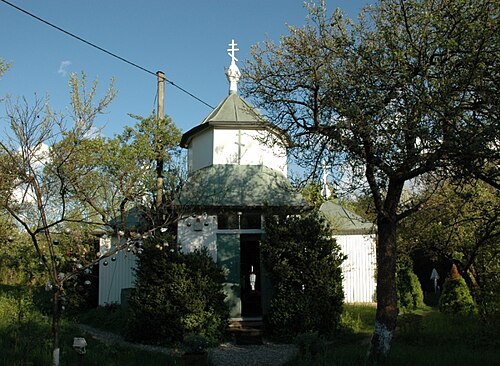
  4. Ost-West Friedenskirche Ost-West Friedenskirche
    35 45 min

    Ost-West Friedenskirche

    Ost-West-Friedenskirche

    Ost-West-Friedenskirche, or East-West Peace Church, is a religious building in Munich where worship and community life meet themes of peace, reconciliation, and unity.

    • Notable
    • Historic monument
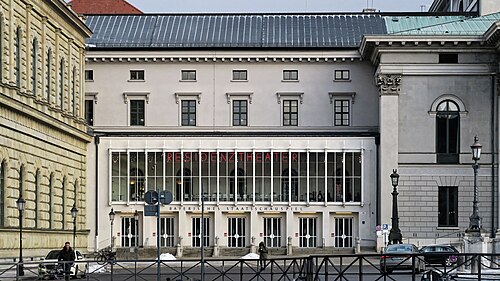
  5. Residenz Theatre Residenz Theatre
    36 45 min

    Residenz Theatre

    Residenztheater

    The Residenztheater is a prominent theatre located within the Munich Residenz complex, the former royal palace of the Wittelsbach monarchs in Bavaria.

    • Notable
    • Historic monument
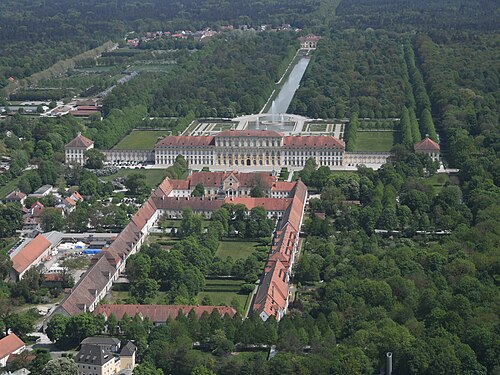
  6. Schleißheim palace complex Schleißheim palace complex
    37 45 min

    Schleißheim palace complex

    Neues Schloss Schleißheim

    The Schleißheim palace complex, locally known as Neues Schloss Schleißheim, stands among the most significant Baroque palace ensembles in Germany. Located in the Munich metropolitan area, this architectural complex comprises multiple palaces and extensive gardens developed over several centuries.

    • Notable
    • Historic monument
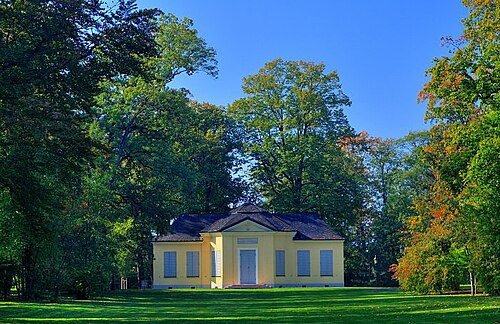
  7. Schlosspavillon Ismaning Schlosspavillon Ismaning
    38 45 min

    Schlosspavillon Ismaning

    Schlosspavillon

    Schlosspavillon is a compact historic pavilion within the Schloss Ismaning complex in Ismaning, about thirteen kilometres northeast of central Munich. Its appeal lies in its focused scale and its role within a former aristocratic landscape.

    • Notable
    • Historic monument
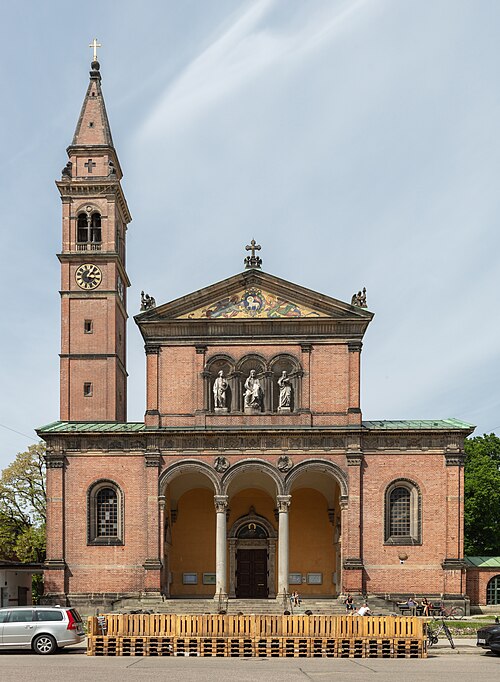
  8. St. Ursula St. Ursula
    39 45 min

    St. Ursula

    Kirche St. Ursula

    St. Ursula is an active Catholic church in Munich, also known locally as Kirche St. Ursula. It serves the local Catholic community and welcomes visitors interested in religious architecture and the atmosphere of a working place of worship.

    • Notable
    • Historic monument
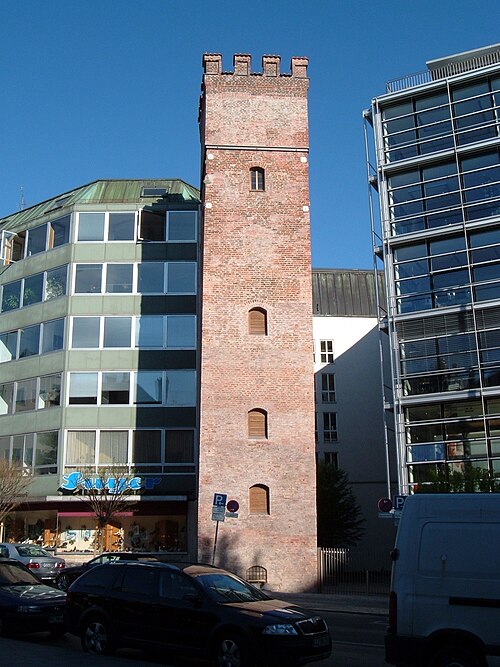
  9. Löwenturm Löwenturm
    40 45 min

    Löwenturm

    Löwenturm, or Lion Tower, is a historic tower structure within Munich’s urban heritage. Its name refers to the lion motif associated with Bavarian and Munich heraldic symbolism.

    • Notable
    • Historic monument

Source: OpenStreetMap contributors, Wikidata ·

How the city is laid out

Use Marienplatz as the centre of the Altstadt. The Residenz and Odeonsplatz sit north, Viktualienmarkt lies south, and the main station is west along the central shopping axis. The Kunstareal museum district is northwest of the old town, while the English Garden runs north from the centre. Nymphenburg, Olympiapark and the BMW complex require dedicated trips beyond the compact core.

Checked 2026-08-26

Getting around

Walk inside the Altstadt and use the integrated U-Bahn, S-Bahn, tram and bus network for outer districts. Munich's official city portal describes these four modes as the public transport system, with S-Bahn connections to the airport and regional network. Tickets depend on the relevant fare zones, so confirm the destination and validity area before travel rather than relying on distance alone.

Checked 2026-08-26

More city guides

Common questions

How many days should I spend in Munich?

A fixed duration is not recorded. Plan the Altstadt first, then add the museum quarter, English Garden and one or more outer clusters according to interest.

Can I walk around central Munich?

Yes. Marienplatz, the Residenz, Viktualienmarkt and the principal old-town churches form a compact walking area. Public transport is more efficient for Nymphenburg and Olympiapark.

What public transport serves Munich?

Munich's integrated system includes U-Bahn, S-Bahn, trams and buses. The same network structure connects the centre with outer districts and airport S-Bahn services.

How do I reach Munich Airport by public transport?

The city's official transport guide identifies S-Bahn lines S1 and S8 as airport connections. Check the required fare zones before buying or activating a ticket.

Which Munich attractions need separate transport trips?

Nymphenburg Palace, Olympiapark and the BMW complex lie beyond the compact Altstadt. Group each outer area rather than returning to the centre between nearby stops.