
3 min walk
Olympiapark
- Must see · Heritage site
- Nature site
Language · 11 published
Historic monument · Munich
Ost-West-Friedenskirche
Reviewed by Elena Voss · Roavina Travel Editor
Read from the OpenStreetMap access tags; anything not listed has no tag recorded.
Set the group type to family in the planner and the day window contracts to about three quarters of a solo day.
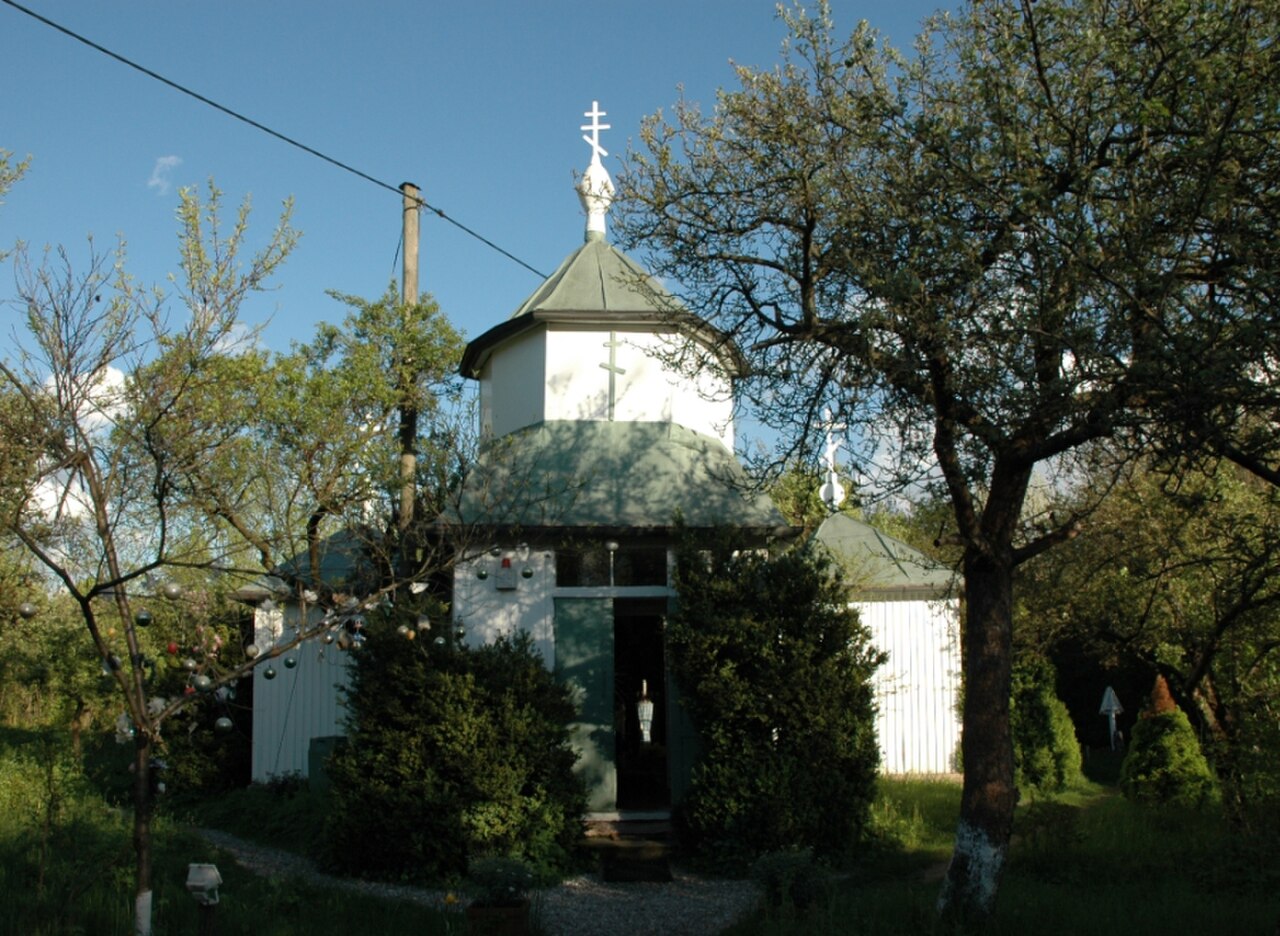
This place is a Attraction. It was established in 1952. It was designed by Timofey Prokhorov. It is built of construction waste.
Ost-West-Friedenskirche, or East-West Peace Church, is a religious building in Munich where worship and community life meet themes of peace, reconciliation, and unity. Its name evokes the relationship between eastern and western traditions and the history of division and rapprochement in Germany and Europe. Travelers should approach it as a place of worship rather than a conventional sightseeing attraction. The church contributes to Munich’s varied ecclesiastical landscape and offers a quieter experience centered on spiritual atmosphere, reflection, and the meaning carried by its peace-oriented identity. Its importance is symbolic and communal as well as architectural.
Checked 2026-08-26 · Source
Inside, visitors encounter a worship space arranged for prayer, services, and community gathering. The described interior includes an altar area and seating, with musical accompaniment associated with church use. Decorative details may express the themes of peace and unity that shape the church’s name, but the guide does not identify a named art program or specific permanent objects. The strongest experience is contemplative rather than museum-like: enter quietly, take in the atmosphere, and allow the religious setting to guide the visit. The building’s functional simplicity supports reflection and worship instead of a long sequence of ornamental rooms or exhibitions.
Checked 2026-08-26 · Source
Allow around thirty to sixty minutes for a respectful visit, including time to observe the worship space and sit quietly. A service or personal period of meditation may naturally make the visit longer. The church is compact and is better suited to a focused pause than an extended museum circuit. If you are exploring nearby Munich districts, add walking and transit time separately. Keep your schedule flexible enough to avoid rushing through an active religious setting. The value of the stop comes from its atmosphere and peace symbolism, so a shorter, attentive visit is more appropriate than hurried photography.
Checked 2026-08-26 · Source
Weekday mornings can suit travelers looking for a quieter moment of contemplation, provided the church is available for visitors. If you intend to attend worship, shape your visit around the church’s service schedule and behave as a participant or respectful guest rather than a sightseeing customer. Interior space also offers shelter in poor Munich weather. Religious calendars can change the character of the building through services, ceremonies, and community use. Plan this stop with patience: the best time depends on whether your purpose is quiet reflection, prayer, or appreciation of the church’s peace-oriented symbolism within the city.
Checked 2026-08-26 · Source
Ost-West-Friedenskirche is presented as an active place of worship rather than a commercial attraction. Ordinary worship and quiet visitation are described in religious rather than ticketed terms. Donations may support the church and its community work, while a concert or special cultural event can have its own arrangement. Carrying a small amount for a voluntary contribution may be useful if you wish to donate, but donation is separate from admission. The main preparation is cultural: dress and behave respectfully, keep the atmosphere quiet, and avoid treating the church like a paid exhibition venue.
Checked 2026-08-26 · Source
The church sits within Munich’s urban public-transport network, which includes U-Bahn, S-Bahn, trams, and buses. The supplied guide does not name the nearest station or a walking distance, so plan the final approach as an ordinary city walk from the transit connection that serves your route. Cycling can work within Munich’s urban network. Drivers should expect the usual city constraints around street parking and garages. Public transport is generally the practical choice for a visit from central Munich, especially when the church is one stop in a wider district itinerary rather than a standalone destination.
Checked 2026-08-26 · Source
Ost-West-Friedenskirche is an active religious setting. Remain quiet during services, keep phones unobtrusive, and avoid blocking worshippers or the altar area. Modest clothing that covers shoulders and knees is a considerate choice. Ask before photographing people or conducting any organised shoot. The guide does not describe step-free access, toilets, or other visitor facilities, so the experience should be planned around a brief visit to the worship space. General urban awareness is sufficient for the surrounding Munich journey. Renovation, private ceremonies, or community activity can change how the church feels when you arrive.
Checked 2026-08-26 · Source
Exterior views from public thoroughfares offer the clearest photographic opportunity. Inside, treat photography as secondary to worship and reflection: never photograph during a service, and ask permission before using a camera around clergy or visitors. Use discreet, non-flash photography only where permitted by the church’s instructions. Tripods, commercial equipment, and organised shoots require particular care in a functioning worship space. The church’s peace symbolism can guide quiet compositions of the building and its surroundings. Drone flights remain subject to German aviation rules and local restrictions, regardless of the modest scale of the site.
Checked 2026-08-26 · Source
It is a Munich church and community place whose name centers on peace, reconciliation, and unity between eastern and western traditions. The visit is primarily spiritual and contemplative.
Allow about thirty to sixty minutes for quiet observation, prayer, or reflection. Attendance at a service or a longer personal meditation can extend the visit naturally.
The described interior is a worship space with an altar area, seating, and musical facilities. Its main appeal is the atmosphere of prayer and the church’s peace-oriented symbolism rather than a museum collection.
Keep quiet, especially during worship, dress modestly, avoid obstructing services, and respect people who are praying. Ask permission before photographing the interior or anyone inside.
Exterior photography from public areas is the clearest option. Interior photography should remain discreet and follow church instructions; do not photograph services or worshippers without permission.
Its distinctive quality is the combination of active worship with the peace and reconciliation themes expressed by the name Ost-West-Friedenskirche. It represents a contemplative part of Munich’s ecclesiastical landscape.
Loading the interactive map…
The interactive map could not be loaded.
Last updated:
Source: OpenStreetMap contributors, Wikidata ·