Tymon Park
Tymon Park is a large public park in Dublin and an important green space for outdoor leisure and exercise. Its broad grounds give the city a place for walking, recreation and time outside the built-up centre.
- High
- Nature site
City guide · Ireland
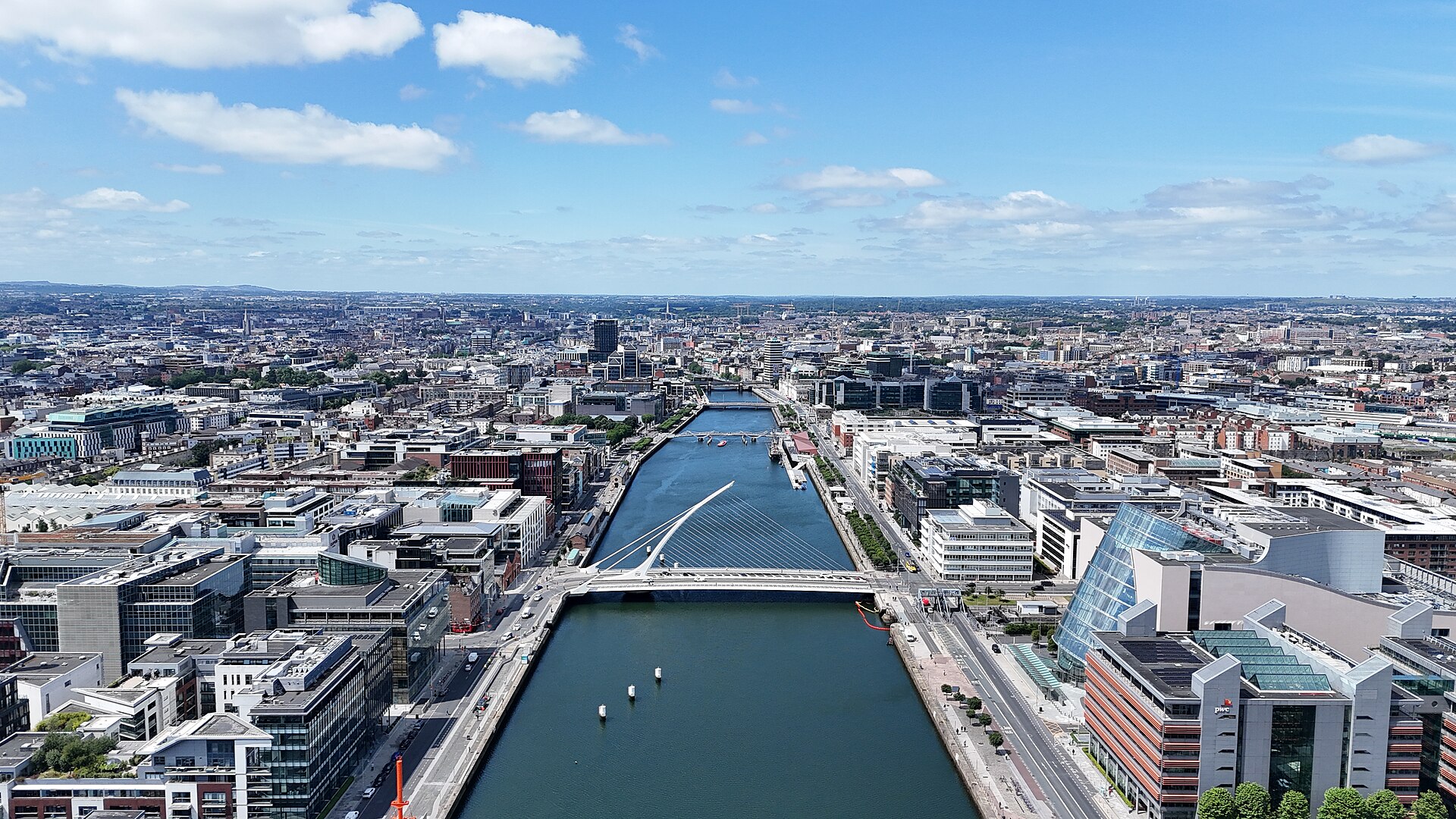
Dublin is a compact capital divided by the River Liffey, with most central sights within a practical walking area. The medieval and Georgian cores sit south of...
Photograph · 瑞丽江的河水 · CC BY-SA 4.0
Set your days, your pace and the hours you actually want to be out. The planner works around closing days and travel time, and leaves room to eat.
Editorial responsibility: Elena Voss · Roavina Travel Editor
Dublin is a compact capital divided by the River Liffey, with most central sights within a practical walking area. The medieval and Georgian cores sit south of the river, while O’Connell Street and several cultural districts lie north. DART rail opens the coast in both directions, and Luas trams and buses cover trips beyond the centre. Keep the central day on foot and use rail for a dedicated coastal outing.
Checked 2026-08-26
November · November averages 10.3°C by day and 4.5°C by night in Dublin, so cool conditions remain the main constraint on long outdoor days.
Ranked by importance — sitelinks, pageviews and heritage status, not editor preference.
79 places match
Category
Typical visit duration
Good for
Interests
Tymon Park is a large public park in Dublin and an important green space for outdoor leisure and exercise. Its broad grounds give the city a place for walking, recreation and time outside the built-up centre.
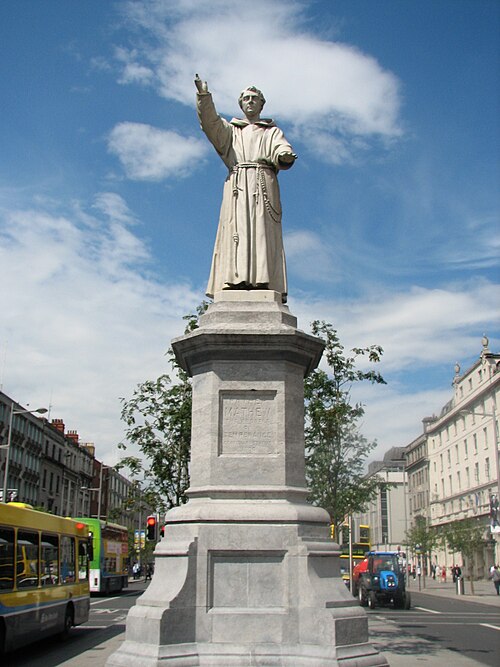
Theobald Mathew
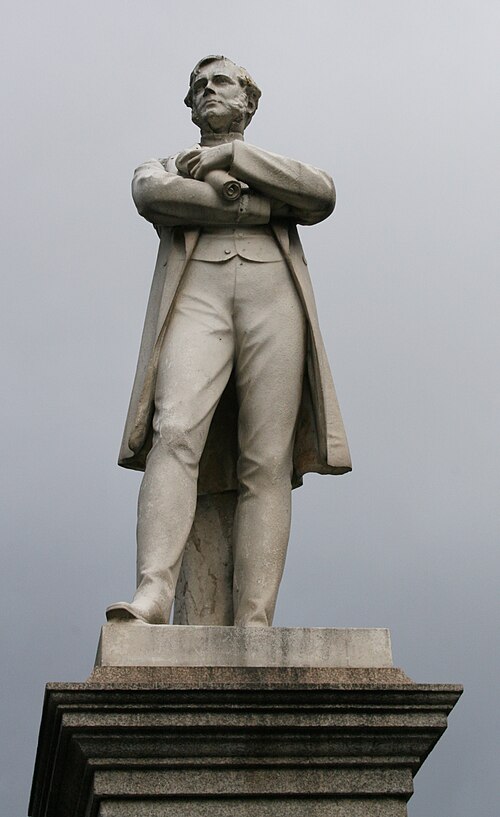
The Father Mathew monument commemorates Theobald Mathew, an Irish Catholic temperance reformer who led the Total Abstinence Society in nineteenth-century Ireland. The statue stands as public sculpture in Dublin, representing Mathew's historical significance in Irish social history.
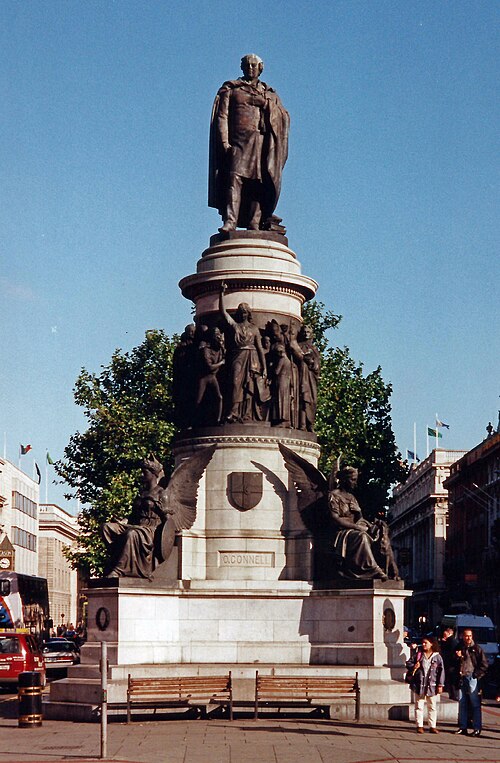
Daniel O'Connell
The O'Connell Monument is a public memorial statue honouring Daniel O'Connell, the nineteenth-century Irish political leader known as The Liberator. Located on O'Connell Street in central Dublin, the monument stands as a prominent feature of the city's main thoroughfare.
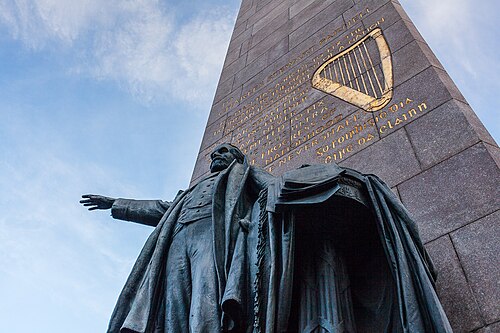
Charles Stewart Parnell Monument
The Charles Stewart Parnell Monument is a public memorial located on O'Connell Street in Dublin, Ireland. It commemorates Charles Stewart Parnell, a prominent nineteenth-century Irish nationalist politician who served as Member of Parliament and led the Irish Parliamentary Party.
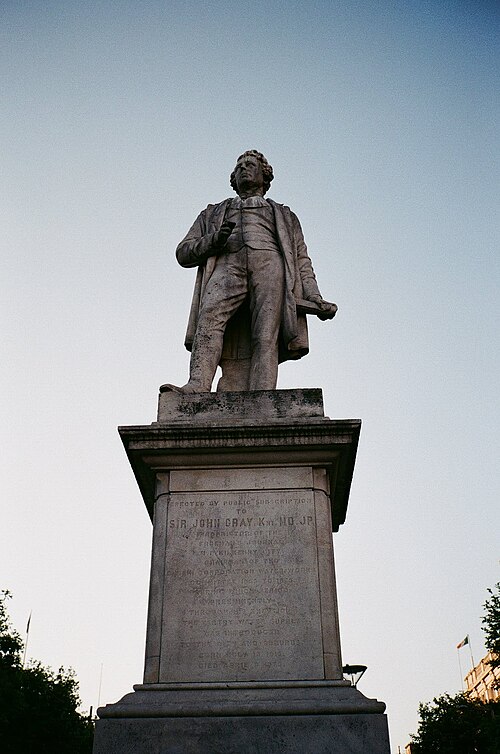
Sir John Gray Knt MD JP
The Sir John Gray monument is Thomas Farrell’s 1879 memorial to the newspaper proprietor, parliamentarian and Dublin waterworks chairman.
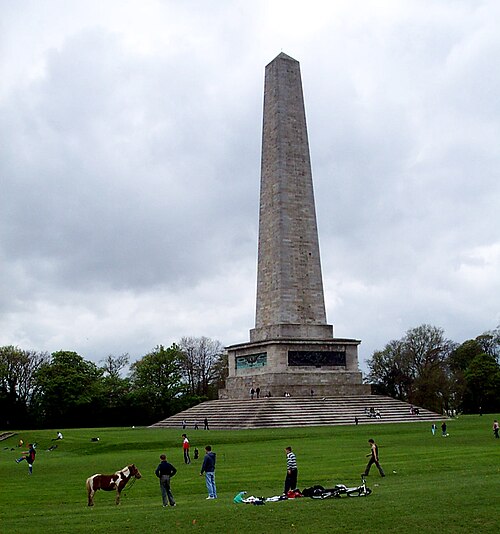
The Wellington Monument is a monumental obelisk in Dublin's Phoenix Park. It commemorates Arthur Wellesley, the first Duke of Wellington, an Anglo-Irish military and political figure associated with the victory at Waterloo.
William Smith O'Brien Monument
The William Smith O'Brien Monument is a public memorial in Dublin commemorating the 19th-century Irish nationalist and Member of Parliament. O'Brien was a leading figure in the Young Irelander movement and participated in the 1848 rebellion.
Burrow Beach is a sandy coastal beach located in the Sutton area of Dublin, Ireland. It sits on the northern side of Dublin Bay, facing Howth Head across the water.
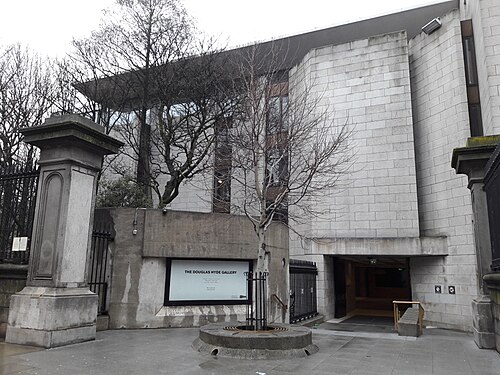
The Douglas Hyde Gallery is a contemporary art gallery at Trinity College Dublin. Named after Douglas Hyde, Ireland's first President, it is part of the cultural life of the university and presents changing exhibitions rather than a conventional historic collection.
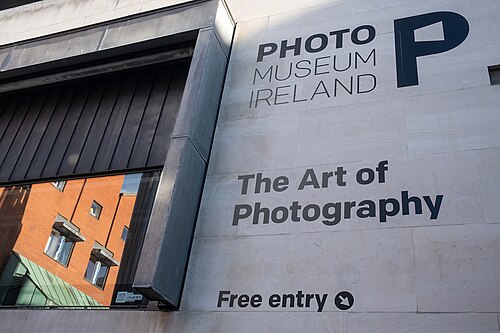
The Gallery of Photography is a photography exhibition space located in Dublin, Ireland. It operates as a venue dedicated to photographic arts, presenting works through curated exhibitions.
Mill Street House is a named visitor point in Dublin, on Mill Street south of the River Liffey. The listing places it within the central urban fabric, close to the Liberties and the wider historic city centre.
St Assam's Church
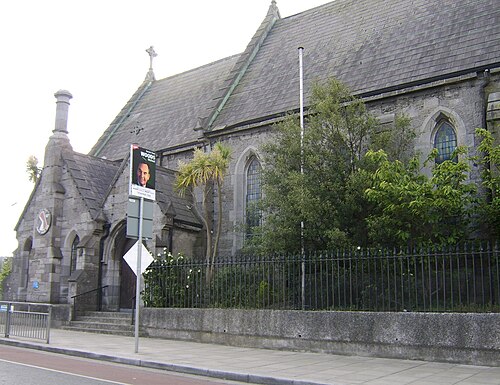
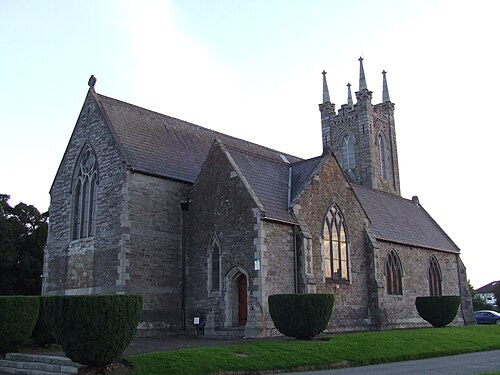
St. Assam's Church is a named church in Dublin and a place of worship within the city. Its principal character is religious and community-oriented, so visitors should approach it as a sacred building rather than as a conventional museum attraction.
Saint Brigid's Church
St Brigid's Church is a Catholic parish church in Castleknock, a suburban district west of Dublin city centre. It serves local worshippers and functions as a religious and community gathering place.
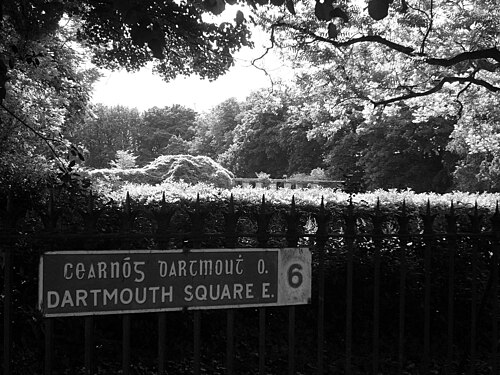
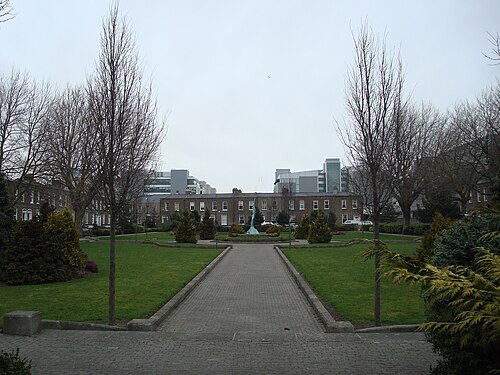
Dartmouth Square is a Georgian garden square located in Dublin's south inner city. It forms part of the historic streetscape of Ranelagh and Rathmines, areas developed during the 18th and 19th centuries.
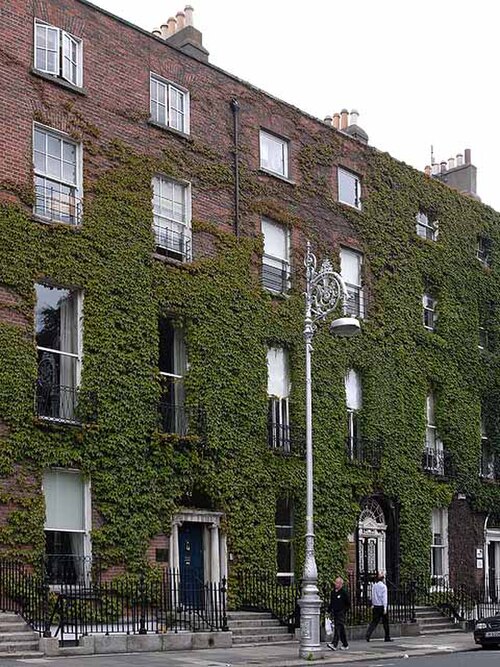
Fitzwilliam Square is a Georgian garden square in south-central Dublin. Its surrounding terrace of historic townhouses creates a remarkably unified streetscape, with repeated proportions, elegant entrances and restrained façades.
Mountpleasant Square Park
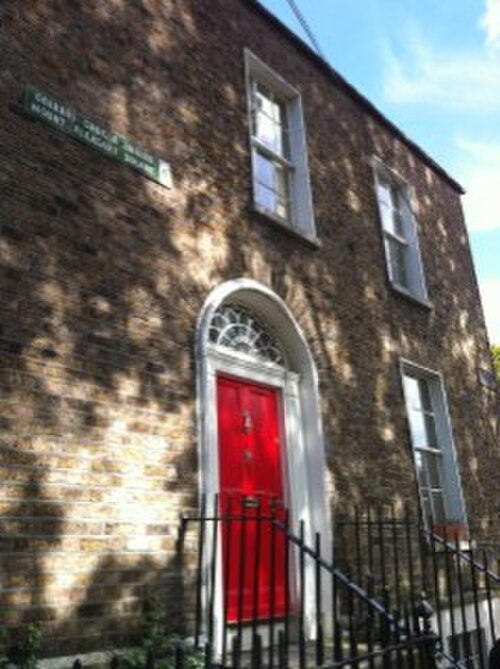
Mount Pleasant Square is a Georgian garden square located in the Ranelagh area of Dublin, Ireland. It forms part of the city's notable collection of 18th and 19th century residential squares, characteristic of Dublin's architectural heritage.
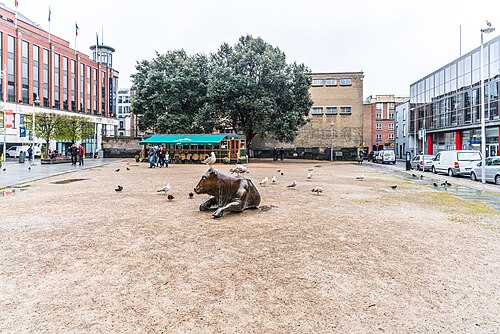
Pearse Square is a public urban square in Dublin, part of the city's Georgian streetscape.
Wolfe Tone Square is a public square in Dublin, named after Theobald Wolfe Tone, a leading figure in Irish republican history. The square functions as an open urban space, gathering point and pedestrian thoroughfare within the city centre.
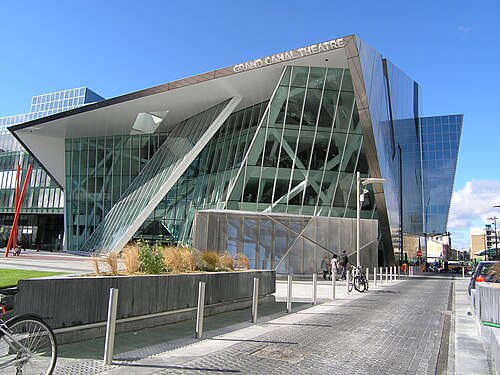
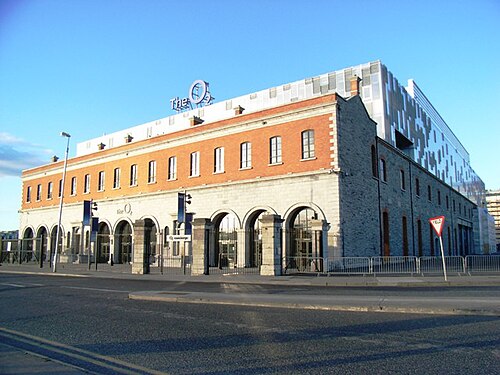
Bord Gáis Energy Theatre is a performing arts venue located in Dublin, Ireland. The theatre presents large-scale musicals, opera, ballet, drama, and concerts. It opened in 2010 and was designed by architect Daniel Libeskind.
Gate Theatre and Assembly Rooms
Gate Theatre is a Dublin performing-arts venue known for presenting live drama. It has hosted Irish and international theatrical work and forms part of the city’s strong theatre culture.
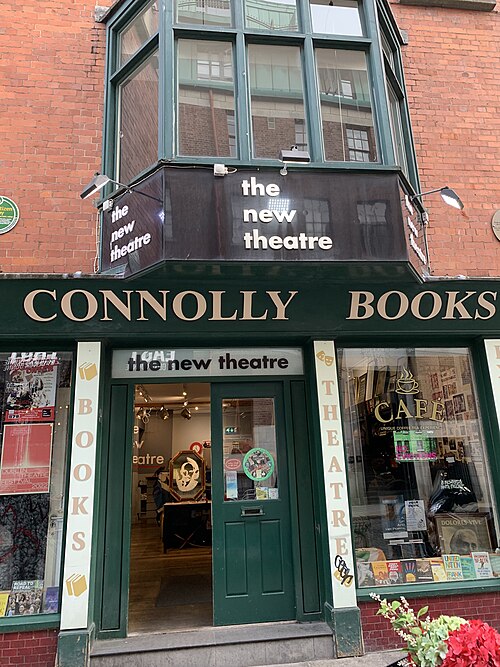
The New Theatre
New Theatre is a performing arts venue in Dublin, Ireland, offering audiences a place to experience live theatrical work and cultural events. Its programming connects contemporary and classic dramatic traditions with Dublin’s wider theatre culture.
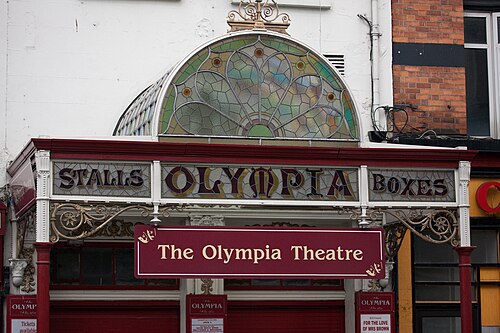
Olympia Theatre is a long-established Dublin theatre and music venue in the city centre. It brings together theatrical productions, live concerts and touring entertainment in a setting with historic character.
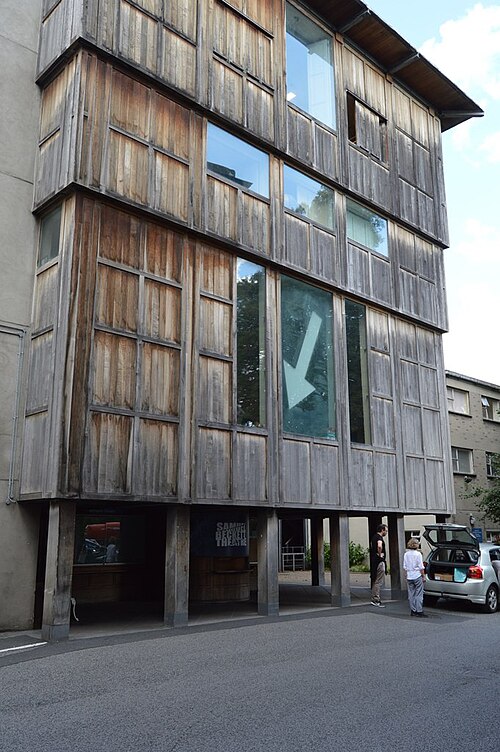
Samuel Beckett Theatre is a performing arts venue on the Trinity College Dublin campus in central Dublin. Its name honours the Irish playwright Samuel Beckett, while its programme serves the wider theatrical life of the university and the city.
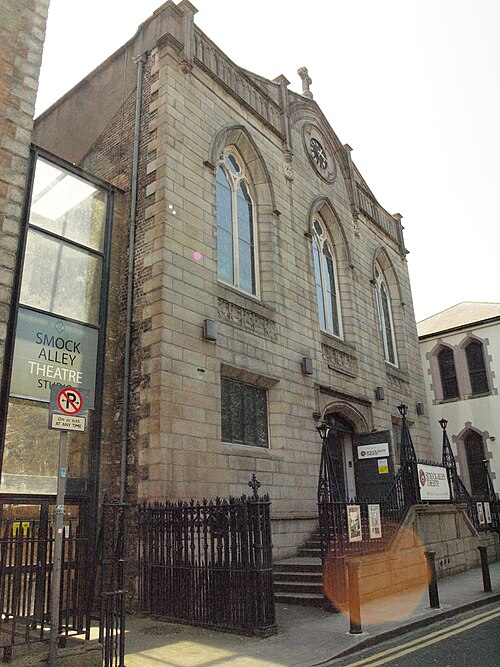
Smock Alley Theatre is a historic theatre venue located in Dublin, Ireland.
3Arena is a major indoor amphitheatre located in Dublin, Ireland. The venue opened in December 2008 and was originally known as The O2. It was renamed 3Arena in 2014 following a sponsorship change.
The River Liffey is Dublin’s clearest organising line. South of it, Trinity College, Temple Bar, Dublin Castle, the cathedrals and the Georgian squares form overlapping walking zones. North of it, O’Connell Street, the Custom House and the Docklands lead toward the coast. Phoenix Park lies west of the centre and needs its own transport connection. DART stations extend the visitor map to coastal places such as Howth and Dún Laoghaire without turning them into central stops.
Checked 2026-08-26
Walk through the central core, then use Dublin Bus, Luas, DART and commuter rail for longer journeys. Transport for Ireland presents these as the main visitor network and provides a combined journey planner. A Leap product can simplify payment across supported services, but route choice still matters because the two Luas lines, coastal DART and city buses serve different corridors. Give coastal destinations a separate half-day rather than combining opposite ends of the DART line.
Checked 2026-08-26
Suggested stay for a first visit: 2–3 days. Add the third day for a DART trip along the coast, Phoenix Park or a less compressed museum route.
May through September offers longer daylight for walking and coastal trips. Dublin can be wet in any season, so a flexible indoor alternative matters more than choosing a supposedly rain-free month.
Yes. Most central sights on both sides of the Liffey fit into connected walking routes. Use public transport for Phoenix Park, farther neighbourhoods and coastal destinations rather than stretching one central itinerary.
Dublin Bus, Luas trams, DART and commuter rail form the main network. Transport for Ireland provides visitor guidance and a journey planner covering these services.
Treat the coast as a separate half-day or day. DART makes places north and south of the city accessible, but combining opposite coastal branches with a full central route creates unnecessary backtracking.