National Gallery of Ireland
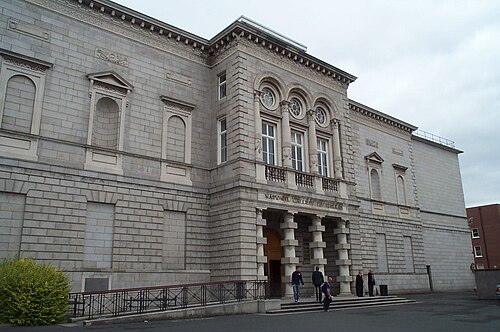
The National Gallery of Ireland is a major public art museum located in Dublin. It occupies a prominent position in the city centre, near Merrion Square.
- Must see
- Art and culture venue
- Dublin
Language · 11 published
Country guide
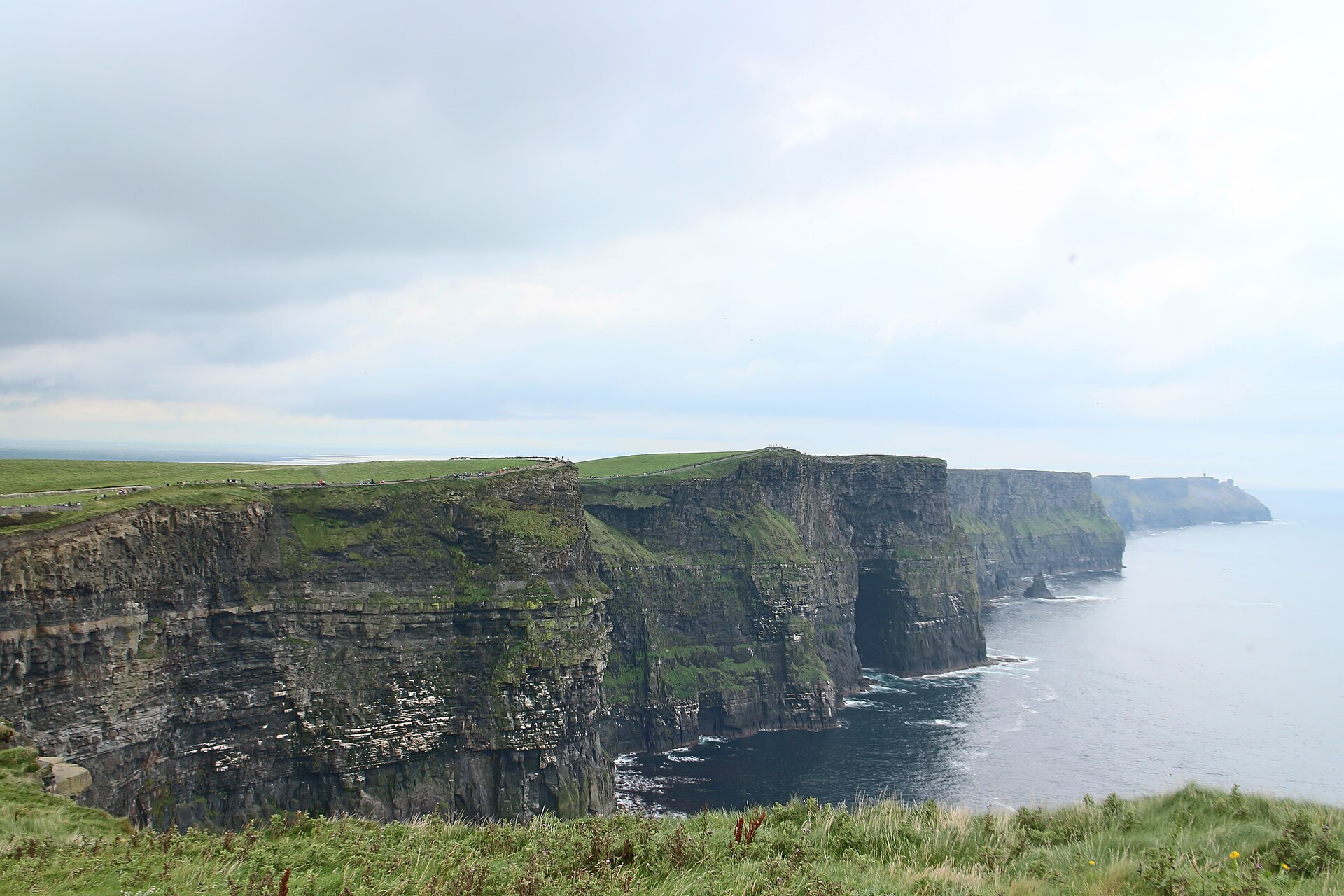
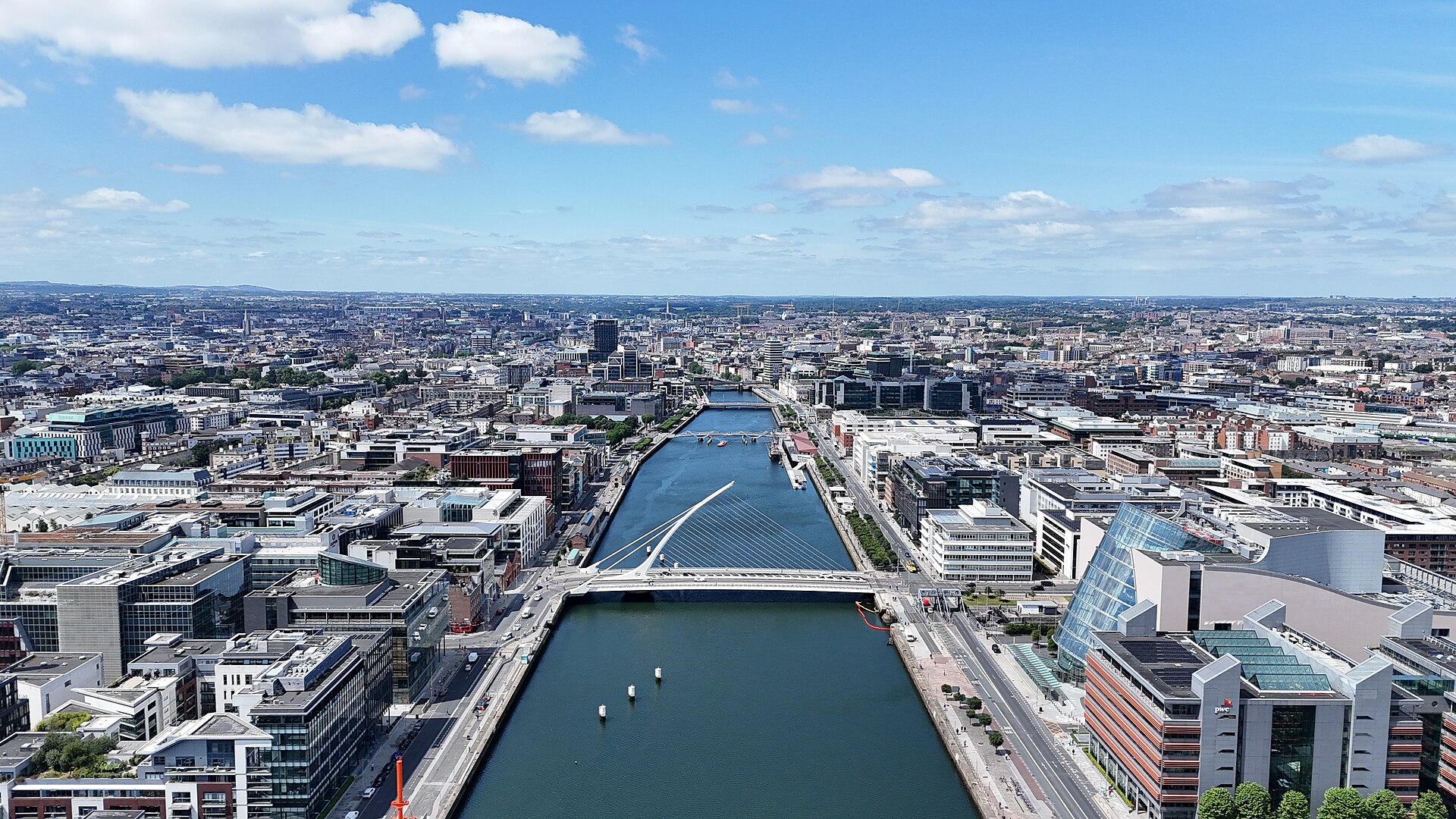
Ireland here means the state covering 26 of the island's 32 counties; the other six are Northern Ireland, and the two share the republic's only land border. About 5.4 million people live in the 26, more than 1.5 million of them in Dublin on the east coast, where most arrivals begin. Everything else is a direction away from the capital - the Atlantic west and its cliffs and harbour towns, the Celtic Sea to the south beyond Cork, the Irish Sea coast running north. The island is small enough to cross by car in a day, which regularly tempts people into trying it.
Reviewed by Elena Voss · Roavina Travel Editor
Every city catalogued in this country so far, ranked by how much there is to see.
Photograph · 瑞丽江的河水 · CC BY-SA 4.0
Ranked by importance — sitelinks, pageviews and heritage status, not editor preference.
15 places match
Category
Typical visit duration
Interests
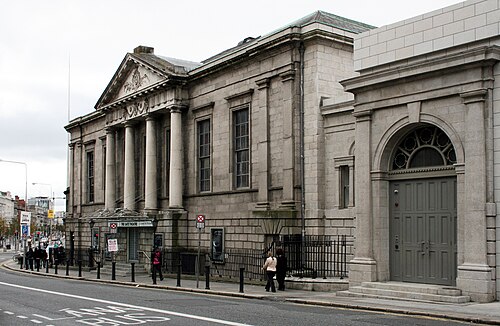
The National Gallery of Ireland is a major public art museum located in Dublin. It occupies a prominent position in the city centre, near Merrion Square.
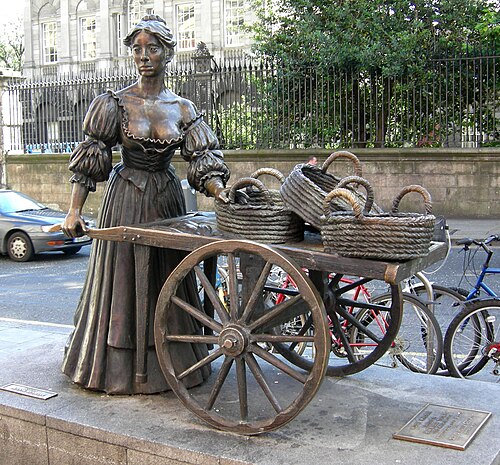
Molly Malone is a bronze statue located on Suffolk Street in Dublin city centre.
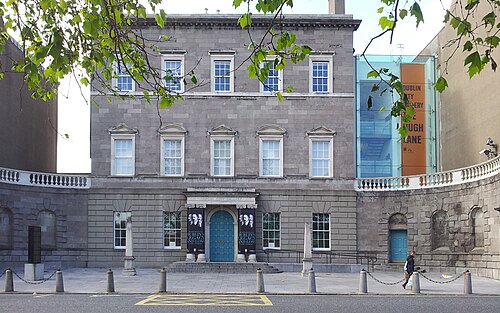
The Hugh Lane Gallery is a municipal art gallery in Dublin, Ireland. Established through a bequest from Sir Hugh Lane, who perished aboard the RMS Lusitania in 1915, the institution occupies a purpose-built structure on Parnell Square North.
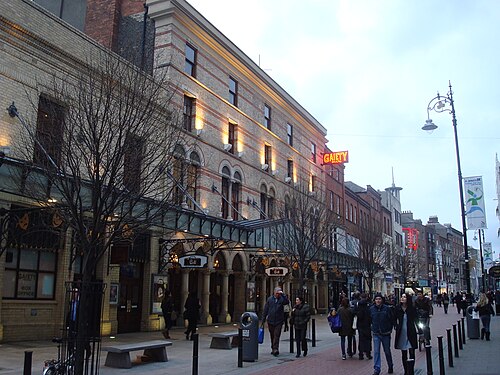
The Gaiety Theatre is a historic theatre located on South King Street in Dublin, Ireland. Established in the 19th century, it stands as one of the city's prominent Victorian-era theatrical venues.
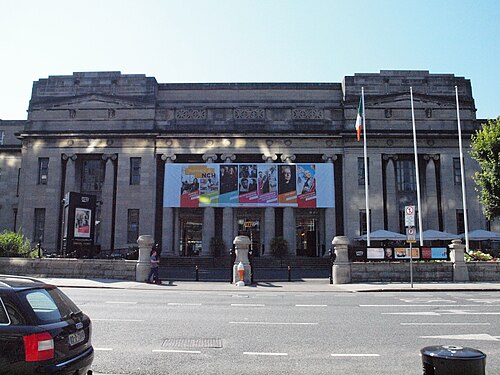
The National Concert Hall is Ireland's principal national venue for classical music and other live performances. Located in Dublin, it occupies a building that was formerly part of University College Dublin.
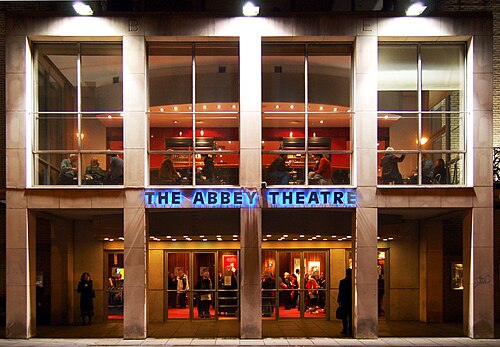
The Abbey Theatre is a theatre located in Dublin, Ireland. It is the national theatre of Ireland and one of the country's most prominent cultural institutions.
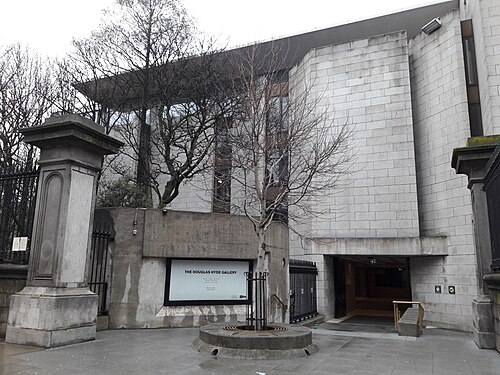
The Douglas Hyde Gallery is a contemporary art gallery at Trinity College Dublin. Named after Douglas Hyde, Ireland's first President, it is part of the cultural life of the university and presents changing exhibitions rather than a conventional historic collection.
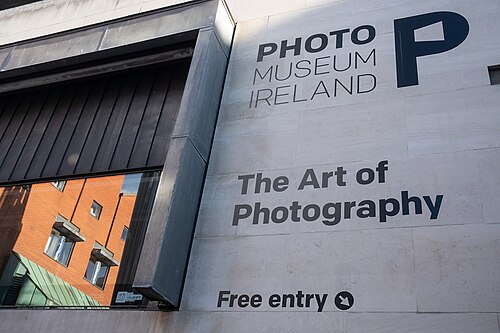
The Gallery of Photography is a photography exhibition space located in Dublin, Ireland. It operates as a venue dedicated to photographic arts, presenting works through curated exhibitions.
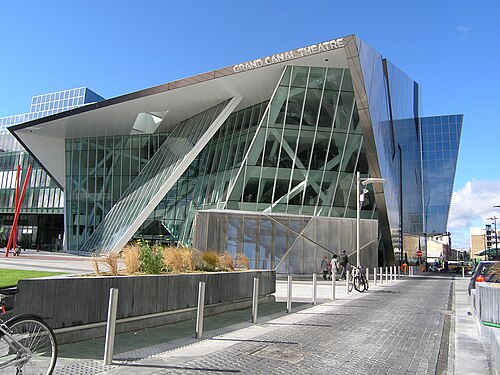
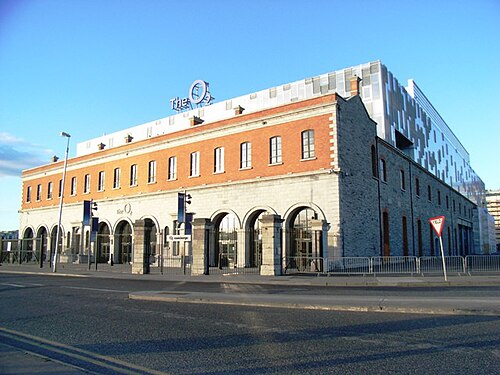
Bord Gáis Energy Theatre is a performing arts venue located in Dublin, Ireland. The theatre presents large-scale musicals, opera, ballet, drama, and concerts. It opened in 2010 and was designed by architect Daniel Libeskind.
Gate Theatre and Assembly Rooms
Gate Theatre is a Dublin performing-arts venue known for presenting live drama. It has hosted Irish and international theatrical work and forms part of the city’s strong theatre culture.
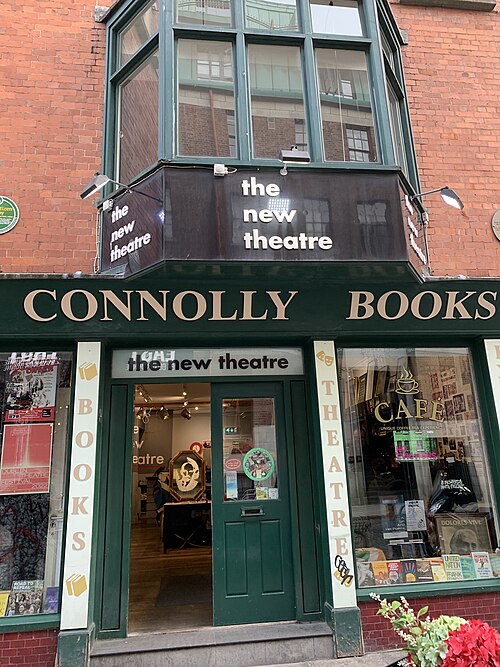
The New Theatre
New Theatre is a performing arts venue in Dublin, Ireland, offering audiences a place to experience live theatrical work and cultural events. Its programming connects contemporary and classic dramatic traditions with Dublin’s wider theatre culture.
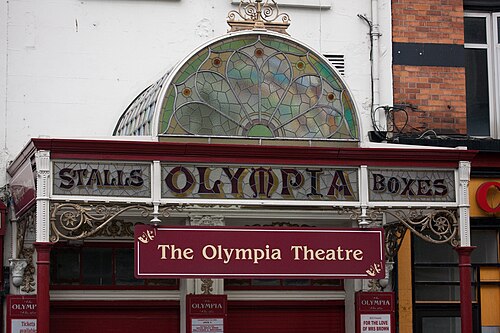
Olympia Theatre is a long-established Dublin theatre and music venue in the city centre. It brings together theatrical productions, live concerts and touring entertainment in a setting with historic character.
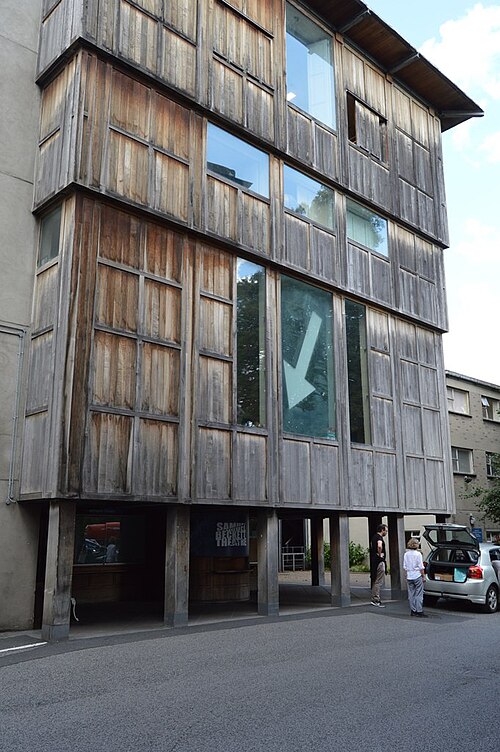
Samuel Beckett Theatre is a performing arts venue on the Trinity College Dublin campus in central Dublin. Its name honours the Irish playwright Samuel Beckett, while its programme serves the wider theatrical life of the university and the city.
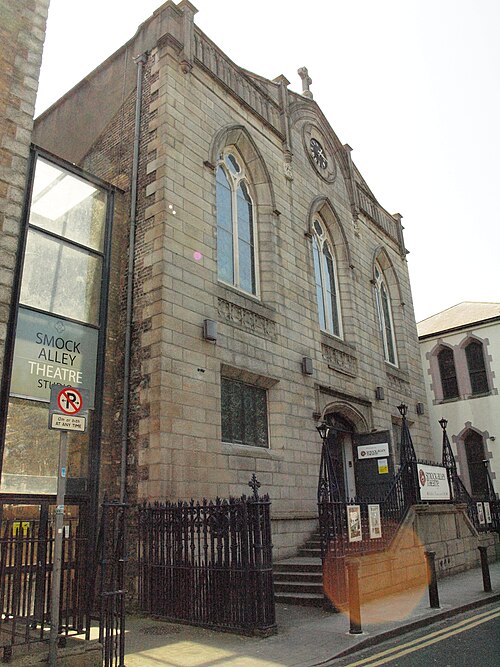
Smock Alley Theatre is a historic theatre venue located in Dublin, Ireland.
3Arena is a major indoor amphitheatre located in Dublin, Ireland. The venue opened in December 2008 and was originally known as The O2. It was renamed 3Arena in 2014 following a sponsorship change.
Source: OpenStreetMap contributors, Wikidata ·
Seven to ten days supports Dublin plus one coherent coastal or western circuit. A shorter trip should choose either the southwest, Galway and Connemara, or Northern Ireland connections rather than tracing the entire island.
Irish Immigration explains the documents examined at the border. Visa need, passport validity and supporting evidence depend on nationality; Ireland is not part of Schengen, so a Schengen permission alone does not settle Irish entry.
Dublin is the largest air gateway, with Shannon and Cork useful for western and southern routes. Intercity rail and coach links serve the main cities, while rural peninsulas and small settlements often require a car or planned bus connection.
May to September offers longer daylight for road and coastal itineraries. Rain and wind remain possible throughout the year, so ferry crossings and exposed walks need a current forecast rather than a seasonal assumption.
Ireland uses the euro (EUR). The cited national tourism source does not record a universal payment rule; confirm card acceptance for rural transport, small accommodation and deposits, and retain an alternative.
Emergency services in Ireland answer 112 or 999. Type G sockets use 230 V, and mains tap water is recorded as safe.