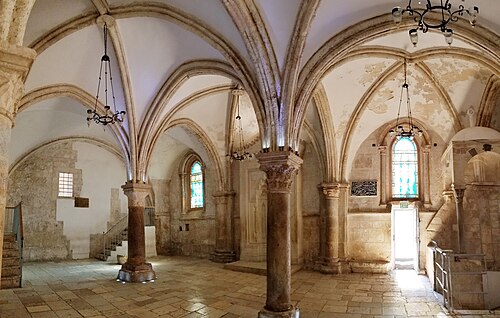
Cenacle
علية صهيون
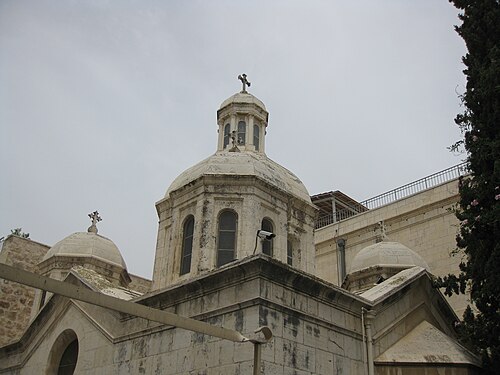
The Room of the Last Supper, also called the Cenacle, is an upper-floor chamber in Jerusalem traditionally venerated as the site of Jesus's final meal with his disciples.
- Must see
- Place of worship
City guide · Israel
Jerusalem’s visitor geography centres on the Old City, but major museums, markets and neighbourhoods extend far beyond its walls. The Old City is a dense walkin...
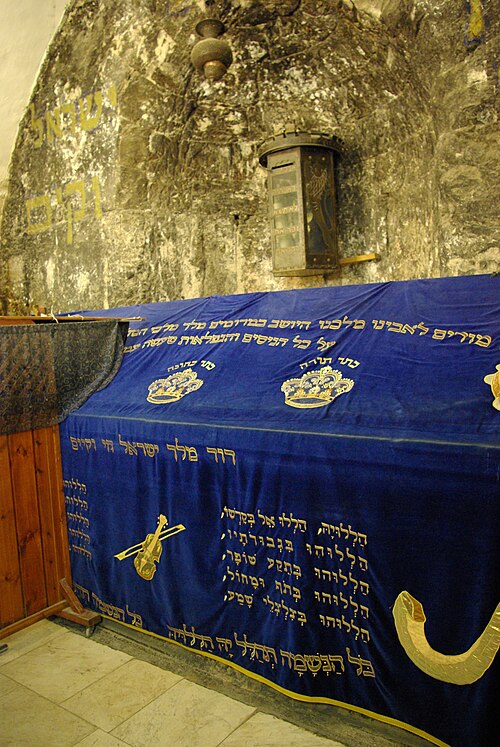
Photograph · askii · CC BY-SA 2.0
Set your days, your pace and the hours you actually want to be out. The planner works around closing days and travel time, and leaves room to eat.
Reviewed by Elena Voss · Roavina Travel Editor
Jerusalem’s visitor geography centres on the Old City, but major museums, markets and neighbourhoods extend far beyond its walls. The Old City is a dense walking zone divided into distinct quarters, while the modern centre follows Jaffa Road toward Mahane Yehuda. Yad Vashem, the Israel Museum, Mount Herzl and Ein Karem require separate journeys, so avoid treating every landmark as one continuous walk.
Checked 2026-08-26
September · September in Jerusalem has mean high 28.4°C, mean low 18.7°C, rainfall 0.6 mm, and 0.4 rain days. Dry, warm conditions make Jerusalem's hills and historic streets easier to explore. September supports a full day of outdoor stops in Jerusalem.
Ranked by importance — sitelinks, pageviews and heritage status, not editor preference.
20 places match
Category
Typical visit duration
Interests
علية صهيون
The Room of the Last Supper, also called the Cenacle, is an upper-floor chamber in Jerusalem traditionally venerated as the site of Jesus's final meal with his disciples.
David's Tomb is a sacred site on the ground floor of a historic building on Mount Zion in Jerusalem. It sits beneath the Cenacle, the traditional location of the Upper Room.
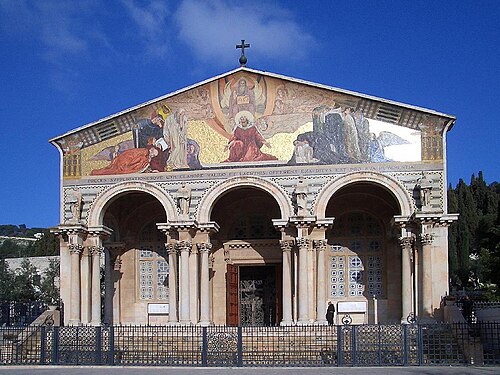
كنيسة كل الأمم
The Church of All Nations, also called the Basilica of the Agony, is a Roman Catholic church beside the Garden of Gethsemane on Jerusalem’s Mount of Olives.
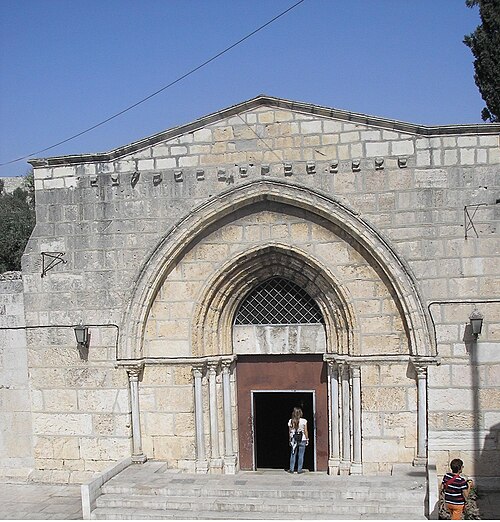
قبر السيدة العذراء مريم
The Tomb of the Virgin Mary is a Christian shrine in Jerusalem traditionally believed to be the burial place of Mary, mother of Jesus.
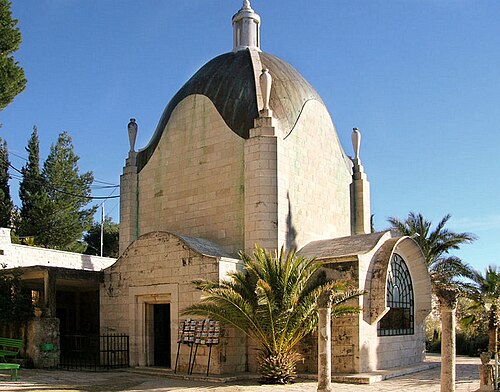
Dominus Flevit Church is a Roman Catholic church on the Mount of Olives in Jerusalem. Its name means "The Lord Wept" in Latin, referencing the Gospel account of Jesus weeping over the city.
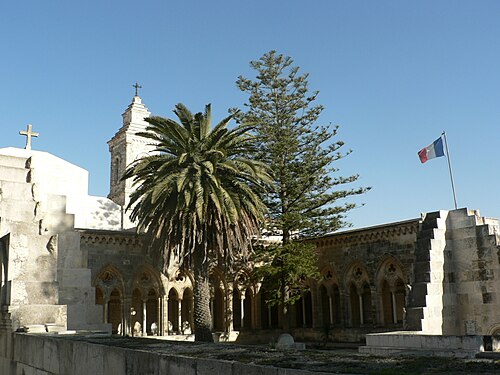
Église du Pater Noster
The Church of the Pater Noster stands on the Mount of Olives in Jerusalem, traditionally identified as the place where Jesus taught his disciples the Lord's Prayer.
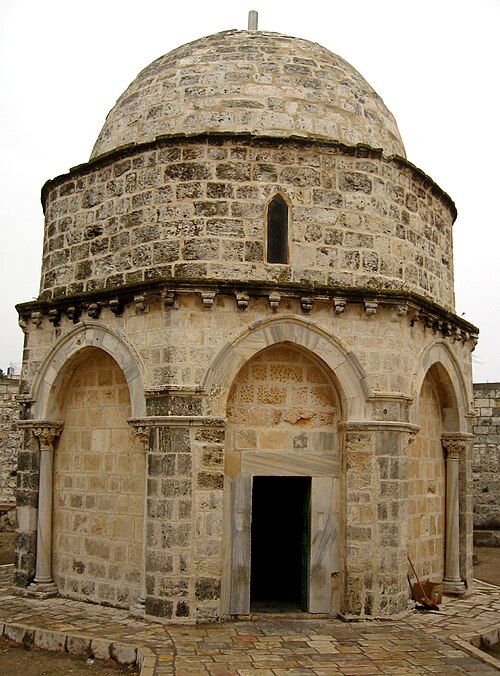
كنيسة الصعود
The Chapel of the Ascension is a Christian shrine on the Mount of Olives in Jerusalem. It marks the traditional site where believers hold that Jesus ascended into heaven forty days after resurrection.
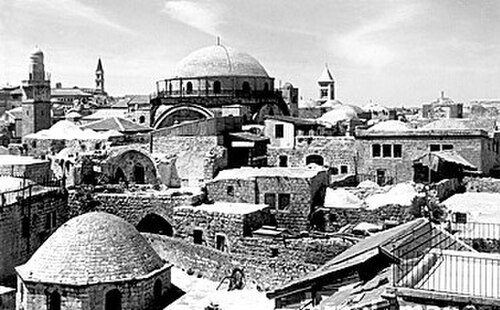
בית הכנסת החורבה
The Hurva Synagogue is a prominent Jewish house of worship in the Old City of Jerusalem, situated in the Jewish Quarter.
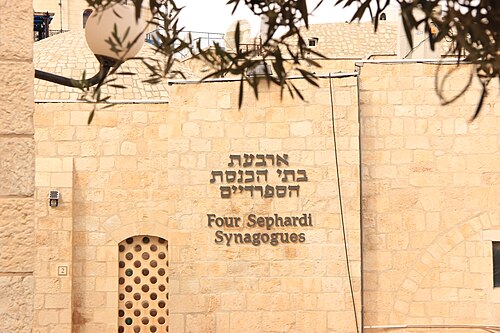
ארבעת בתי הכנסת הספרדיים
The Four Sephardic Synagogues constitute a historic synagogue complex in the Jewish Quarter of the Old City of Jerusalem.
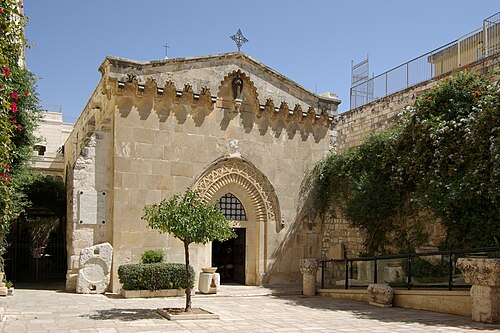
The Church of the Flagellation is a Roman Catholic church located in the Old City of Jerusalem. It stands within the Franciscan Monastery of the Flagellation complex near the traditional Via Dolorosa path.
Church of the Condemnation
The Church of the Condemnation is a Roman Catholic chapel in Jerusalem's Old City, situated along the Via Dolorosa. It commemorates the traditional site where Jesus was condemned to death by Pontius Pilate.
الكنيسة اللوثرية
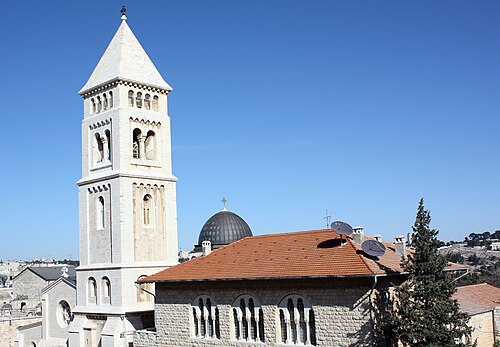
The Lutheran Church of the Redeemer stands in the Old City of Jerusalem, serving as a Protestant house of worship within the Christian Quarter. Completed in the late nineteenth century, it represents German Lutheran presence in the Holy Land.
כנסיית המשיח
Christ Church Jerusalem is a historic Anglican church within the Old City walls near Jaffa Gate. Founded in the nineteenth century, it is recognised as the oldest Protestant church in the Middle East.
השילוש הקדוש
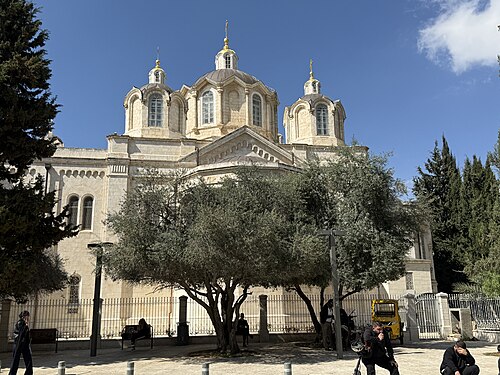
Holy Trinity Cathedral is a Christian religious site in Jerusalem. It serves the Russian Orthodox community and stands as a significant place of worship within the city's diverse religious landscape.
The walled Old City forms the historic core, with Jaffa Gate linking it to Mamilla and the modern centre. Jaffa Road runs northwest through the city centre and Mahane Yehuda toward the main transport corridor. The Israel Museum and government precinct lie to the west, while Mount Herzl and Yad Vashem are farther out. Mount Zion and the Mount of Olives should be planned as separate elevated clusters.
Checked 2026-08-26
Walk inside the Old City and between nearby central districts, allowing extra time for stone surfaces, slopes and security checks. Use light rail and buses for the modern centre and outer museums. The government tourist office provides maps and current public-transport guidance; consult it or the relevant operator before travel because services and access arrangements can change.
Checked 2026-08-26
A fixed official stay length is not recorded. Build the visit around the Old City first, then add the modern centre, major museums and separate hilltop clusters according to time.
Yes, and walking is the practical way to explore its lanes. Expect slopes, worn stone surfaces, stairs and busy access points.
Yad Vashem, Mount Herzl, the Israel Museum and some outer neighbourhoods sit beyond the compact Old City and central walking area. Use light rail or buses where appropriate.
The Ministry of Tourism’s Jerusalem office provides maps, brochures and guidance on sites, tours and public transportation.
Treat it as a separate elevated cluster. Although visually close to the Old City, the terrain and approach make a dedicated route more practical.