Berjaya Times Square Theme Park
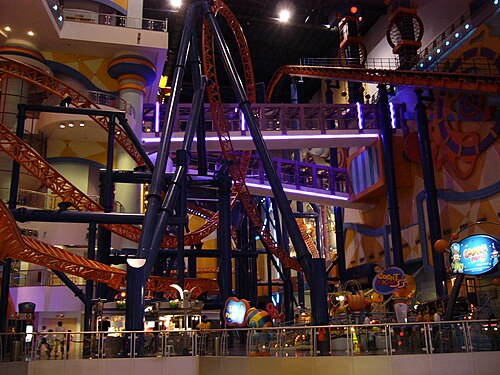
Berjaya Times Square Theme Park is an indoor amusement park inside the Berjaya Times Square shopping complex in Kuala Lumpur’s Bukit Bintang area.
- Must see
- Entertainment venue
City guide · Malaysia
Kuala Lumpur is Malaysia's national capital and its principal urban centre, developed around the meeting of the Klang and Gombak rivers. The visitor city is pol...
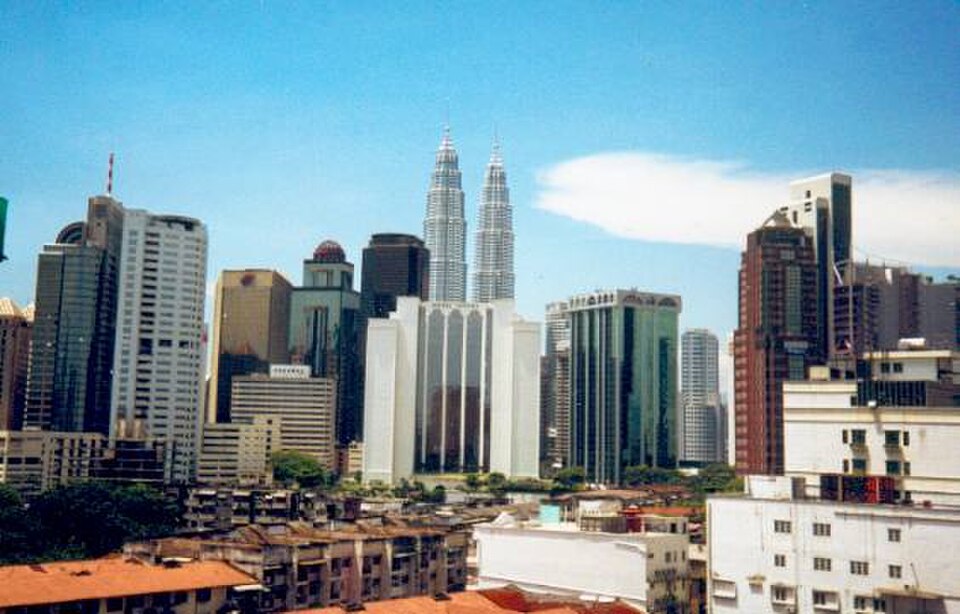
Photograph · thomasgl · Public domain
Set your days, your pace and the hours you actually want to be out. The planner works around closing days and travel time, and leaves room to eat.
Editorial responsibility: Elena Voss · Roavina Travel Editor
Kuala Lumpur is Malaysia's national capital and its principal urban centre, developed around the meeting of the Klang and Gombak rivers. The visitor city is polycentric: the colonial-era core around Merdeka Square, Chinatown and the river confluence sits west of the modern towers at KLCC, while Bukit Bintang forms the main shopping and evening district between them. Museums, markets, religious sites, parks and high-rise viewpoints are spread across these adjoining centres rather than enclosed in one old town.
Checked 2026-08-26
November · November in Kuala Lumpur has mean high 31.6°C, mean low 23.2°C, rainfall 287.8 mm, and 18 rain days. Heavy rain across most of the month can disrupt outdoor plans. A flexible November itinerary in Kuala Lumpur is more realistic than a long exposed walking day.
Ranked by importance — sitelinks, pageviews and heritage status, not editor preference.
2 places match
Category
Typical visit duration
Good for
Interests
Berjaya Times Square Theme Park is an indoor amusement park inside the Berjaya Times Square shopping complex in Kuala Lumpur’s Bukit Bintang area.
Sunway Lagoon is an amusement park in Sunway City, Subang Jaya, Selangor, owned by the Sunway Group. It began operating on 24 October 1992 and was officially opened by former Prime Minister Mahathir Mohamad on 29 April 1993.
Use three central clusters. Merdeka Square, the river confluence, Central Market and Chinatown form the historic western core. KLCC lies to the east around the Petronas Twin Towers, Suria KLCC, the convention centre and the park. Bukit Bintang sits southwest of KLCC and links major shopping streets, food areas and entertainment. The wider city continues into lake gardens, museum districts and residential suburbs, while Batu Caves and Putrajaya are separate excursions outside the compact central pattern. Plan routes around rail stations because major roads can interrupt apparently short walks.
Checked 2026-08-26
Rapid KL rail and bus services are the practical backbone for moving between the central clusters. The network joins LRT, MRT, monorail and bus routes, and the official journey planner reports current service information. Walk within Chinatown, the Merdeka area, KLCC or Bukit Bintang, but use rail between them when heat, rain or large road junctions make a direct walk uncomfortable. Airport rail and intercity services are separate products, so confirm the correct operator and ticket before departure rather than assuming an urban pass covers them.
Checked 2026-08-26
Suggested stay for a first visit: 3–4 days. Plan by clusters: the historic Merdeka and Chinatown area, KLCC, Bukit Bintang, then any museum, garden or out-of-centre excursion that matters to you.
The historic cluster is around Merdeka Square, the Klang-Gombak river confluence, Central Market and Chinatown. KLCC and Bukit Bintang are separate modern centres to the east and southeast.
Use Rapid KL rail between central districts and walk within each cluster. The official journey planner combines current rail and bus information and should be checked before travel.
The districts are connected through the city, but heat, rain and major roads can make the walk less practical than the map suggests. Rail is the reliable default between clusters.
No. Both are separate excursions outside the compact Merdeka, KLCC and Bukit Bintang pattern. Plan their transport independently rather than adding them to a central walking route.