


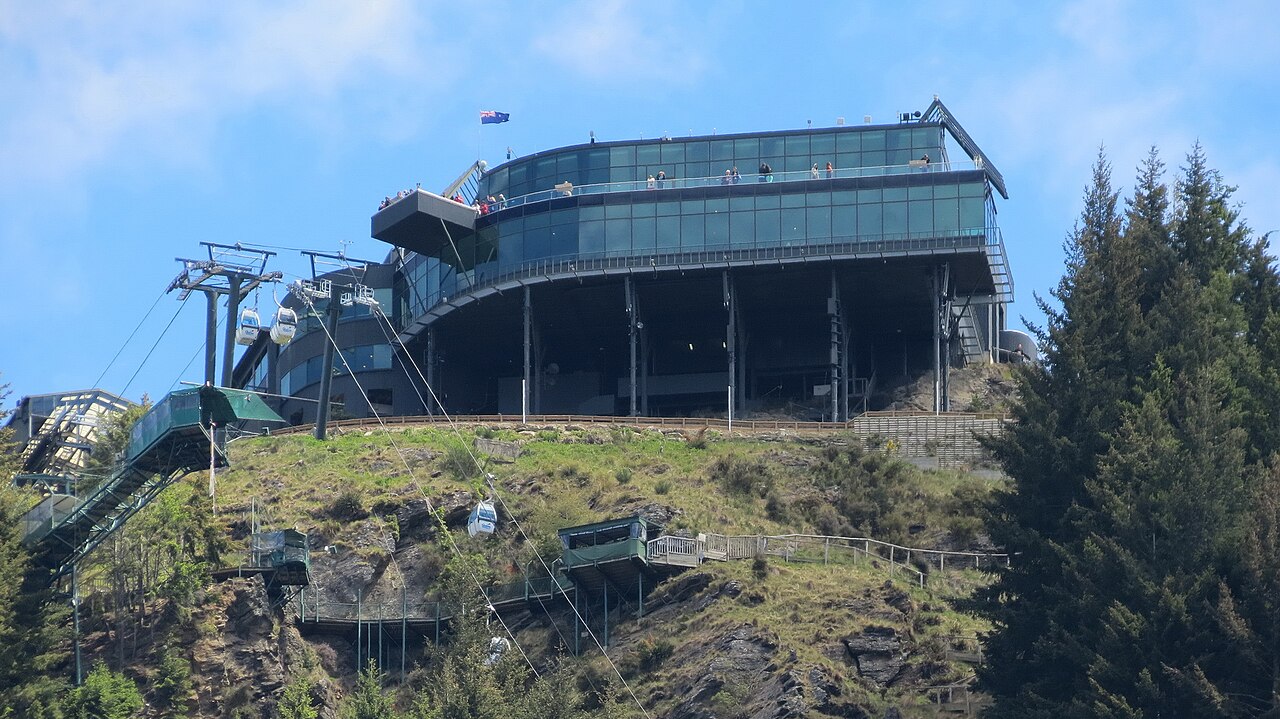
2 min walk
Skyline Queenstown
- Must see
- Activity
Activity · Queenstown
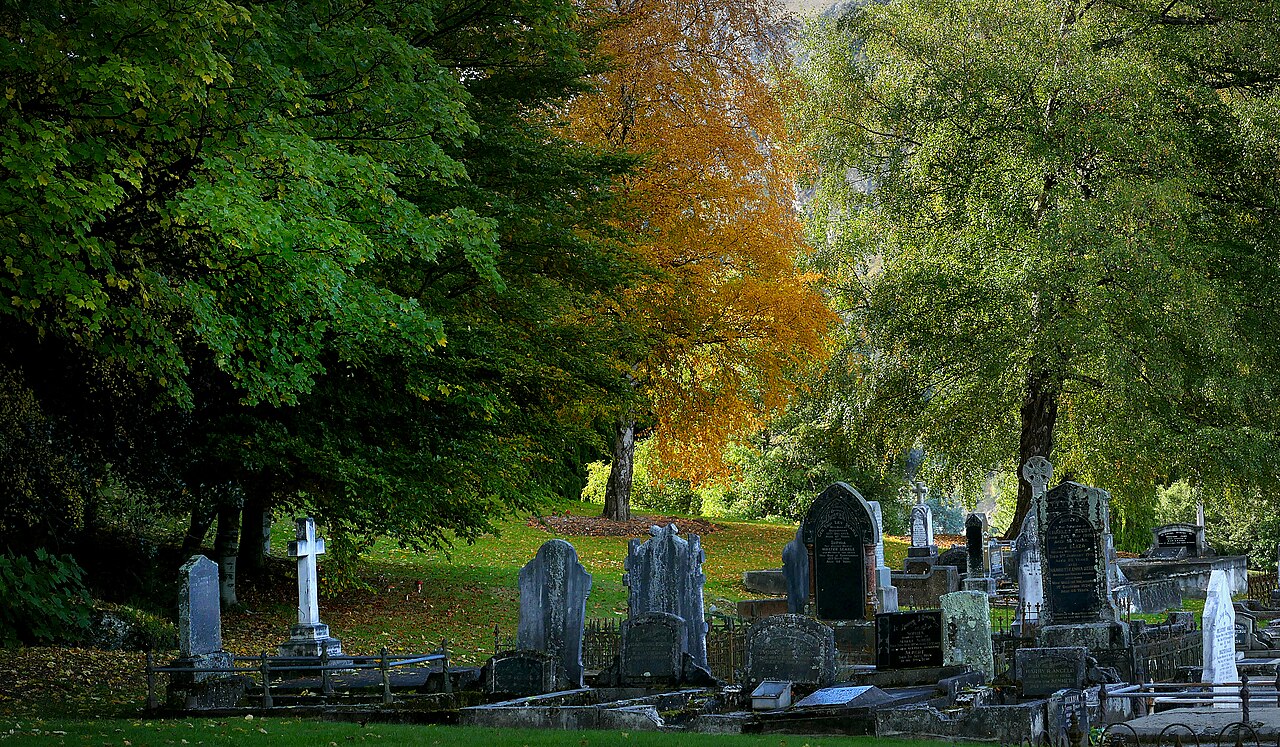
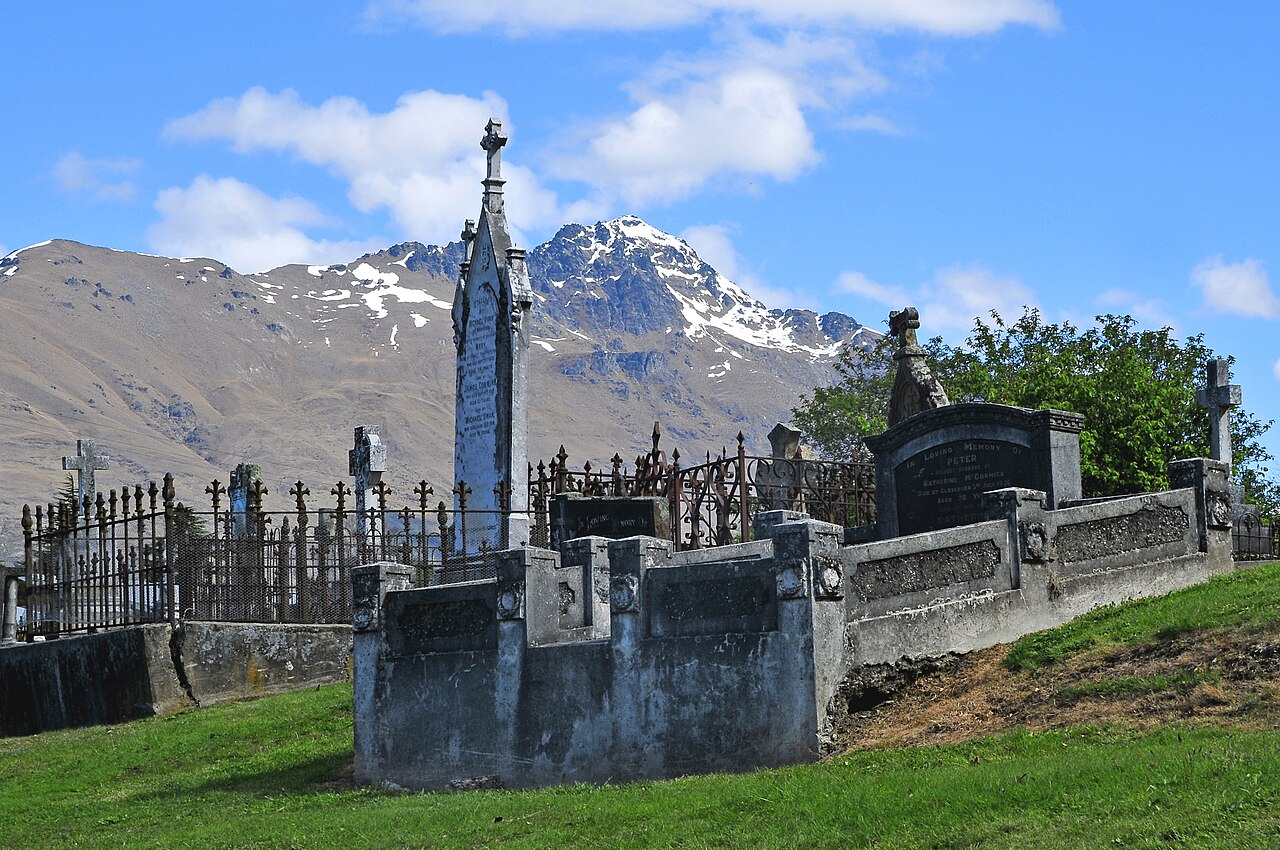
Queenstown Cemetery is a burial ground and a quiet heritage place within the Queenstown area. Its graves and memorials connect visitors with local families, settlement and community life across generations. The site offers a reflective counterpoint to Queenstown's adventure-focused attractions. Come for a calm walk, historical curiosity or family research, while remembering that the cemetery remains a place of mourning and remembrance.
Checked 2026-08-26 · Source
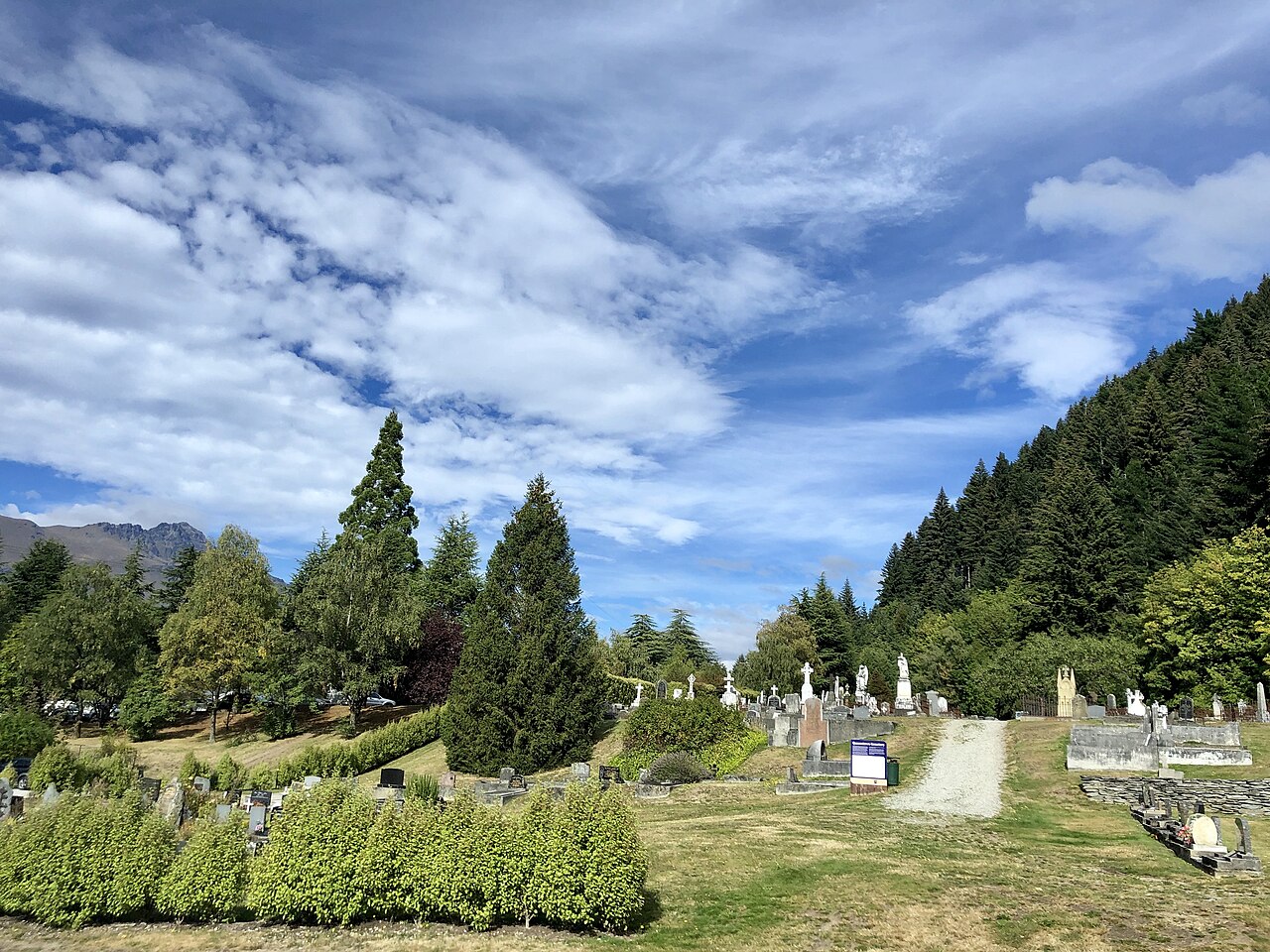
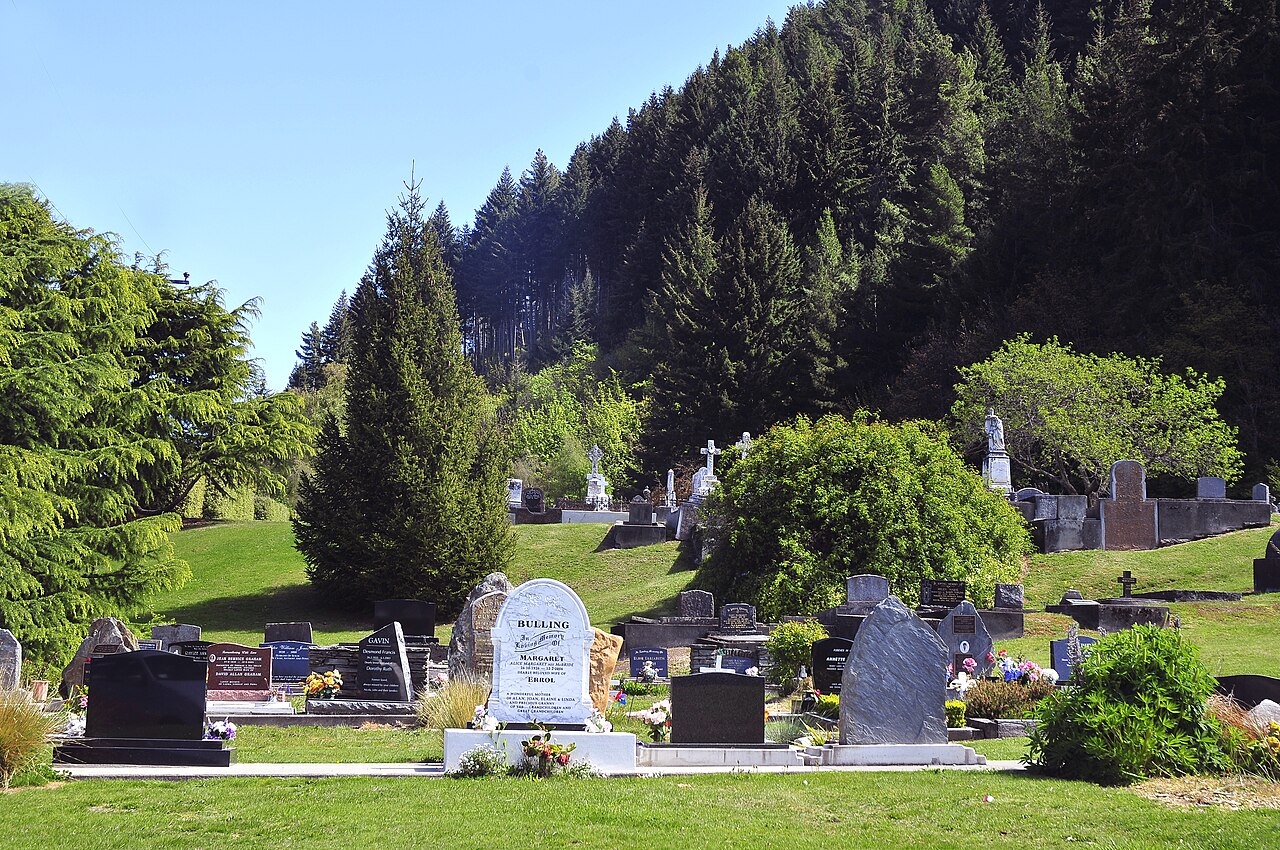
The grounds contain burial plots, headstones and memorials from different generations. Changes in stonework, inscriptions and memorial styles can give the site a visual sense of Queenstown's community history. The experience is self-directed, with no named exhibition or visitor programme described. Walk slowly through the grounds, read inscriptions where appropriate and treat every memorial as part of a living community's memory. The landscape includes maintained grounds typical of municipal cemetery operations. Visitors may observe traditional cemetery features including pathways, fencing, and landscaping elements. The site lacks the interpretive signage or visitor facilities common at heritage attractions, requiring self-directed exploration.
Checked 2026-08-26 · Source
A short visit can take around thirty minutes, while a slower circuit with time for inscriptions and reflection may take up to an hour. Family-history research can extend the visit because locating names and comparing memorial details requires patience. The grounds are compact compared with a large rural cemetery, making Queenstown Cemetery easy to pair with another nearby stop in a heritage-minded itinerary.
Checked 2026-08-26 · Source
Daylight is the most suitable time for walking among graves and reading inscriptions. Choose a quiet period when you can move without disturbing mourners, funerals or grounds work. Queenstown's changing weather can affect comfort, with cold, frost, snow or wet paths possible in winter. A calm, dry part of the day gives the best conditions for a respectful walk and careful observation.
Checked 2026-08-26 · Source
Queenstown Cemetery is a community burial ground rather than a commercial attraction, so plan for a quiet public visit rather than a ticketed experience. No admission system or guided visitor product is described. There is no reason to organise the stop around a paid entry slot. Any visit should be measured by time for reflection, reading and respectful movement through the grounds.
Checked 2026-08-26 · Source
Use the cemetery's mapped position to plan the journey from central Queenstown or your accommodation. A map-based approach is useful for the final connection. Allow extra time if your route includes slopes, since Queenstown's terrain can make a short distance more demanding on foot.
Checked 2026-08-26 · Source
Keep voices low and give mourners privacy. Stay on appropriate paths, avoid stepping on graves and never move flowers, objects or memorial items. Weathered ground and uneven pathways require careful footing, especially after rain or during frost. Leave gates, fences and maintenance equipment undisturbed. If a funeral or private ceremony is taking place, give the people involved space and return at another time.
Checked 2026-08-26 · Source
Photograph the cemetery as a place of history and landscape, not as a backdrop for intrusive images. Wide views of paths, grounds and older memorials are more considerate than close images of recent graves. Avoid photographing mourners and stop immediately if someone asks. Commercial work and substantial equipment can change the character of the visit, so keep the approach quiet, limited and respectful.
Checked 2026-08-26 · Source
You can see burial plots, headstones and memorials representing local community history across generations.
Allow about thirty minutes for a brief circuit or up to an hour for slower reading and reflection.
No. It is a burial ground and heritage place where visitors should behave quietly and respectfully.
Daylight offers the clearest conditions for walking and reading inscriptions while reducing disruption to the community.
Give mourners complete privacy and return later rather than entering during a ceremony.
Use quiet, wide compositions, avoid mourners and recent graves, and keep photography secondary to remembrance.
Loading the interactive map…
The interactive map could not be loaded.
Last updated:
Source: OpenStreetMap contributors, Wikidata ·