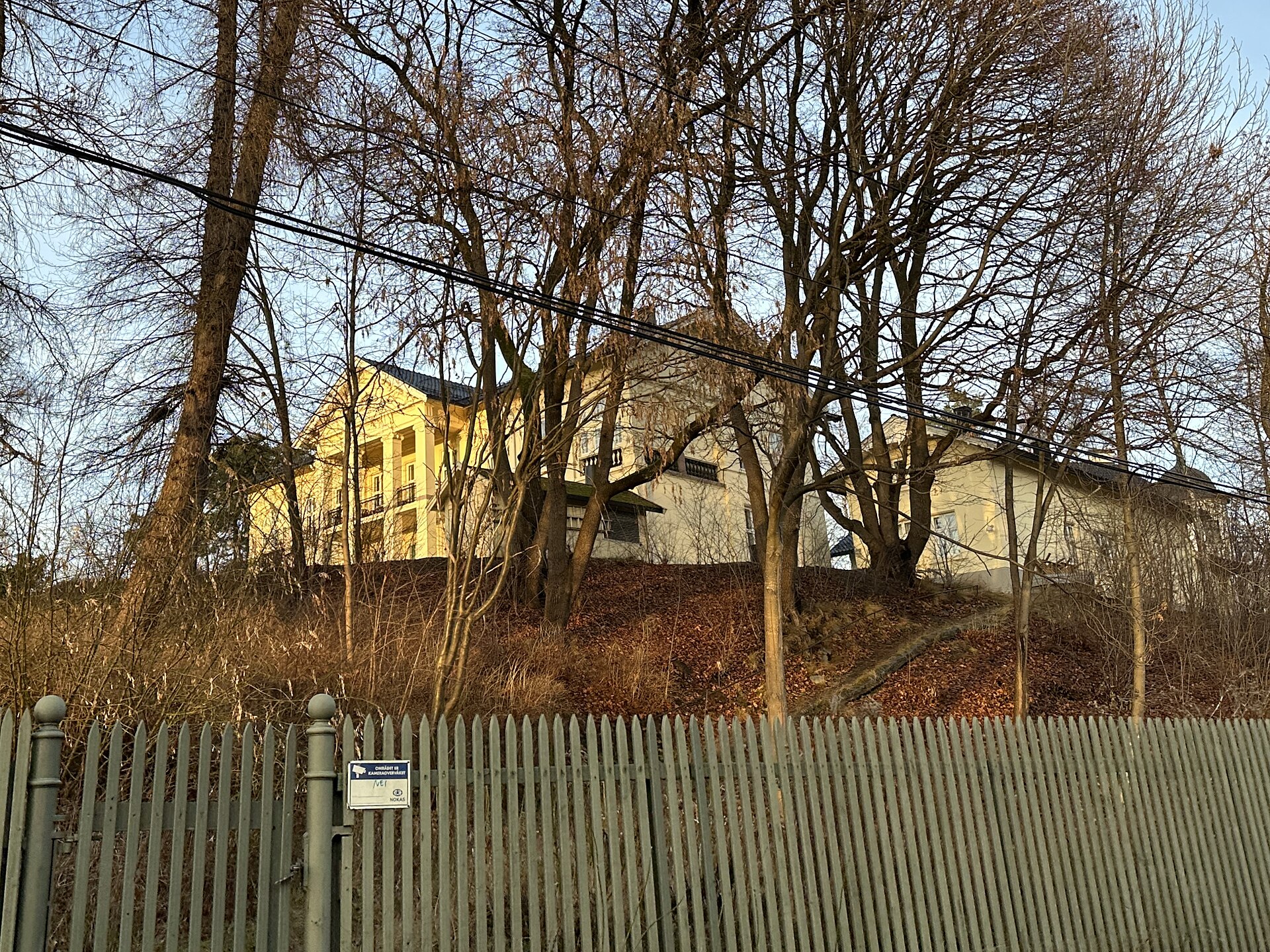
30 min walk
Madserud gård
- High
- Historic site
Museum · Oslo
Kulturhistorisk museum
The Museum of Cultural History (Kulturhistorisk museum, KHM) is a group of museums belonging to the University of Oslo. It was created in 1999 by merging the University's Collection of National Antiquities, the Viking Ship Museum at Bygdøy, the Coin Cabinet and the Ethnographic Museum, and took its present name in 2004. The museum describes itself as Norway's leading research museum in the field of cultural history, and it also carries out archaeological excavations in southern and eastern Norway.
Checked 2026-11-05 · Source
The museum's collections hold more than three million objects: archaeological finds from the Stone Age to the Middle Ages, and coin and ethnographic collections that show the world's cultural diversity. Visitors meet them in its museums: the Historical Museum in central Oslo, which shows selected objects from Norway's largest cultural history collections; the Museum of the Viking Age at Bygdøy, home of the world's best-preserved Viking ships, which opens in 2027; and the Museum of University History.
Checked 2026-11-05 · Source
At the Historical Museum in central Oslo, which shows selected objects from Norway's largest cultural history collections.
More than three million objects.
Loading the interactive map…
The interactive map could not be loaded.
Last updated:
Source: OpenStreetMap contributors, Wikidata ·