Check the spelling, or browse the hierarchy from the country page.
City guide · Portugal
Nightlife, Theme: Museums, Up to 1 hour in Lisbon, Portugal
Lisbon is Portugal's capital, built on hills along the north bank of the Tagus estuary. The lower Baixa grid forms the central hinge between the older slopes of...
Editorial responsibility: Elena Voss
· Roavina Travel Editor
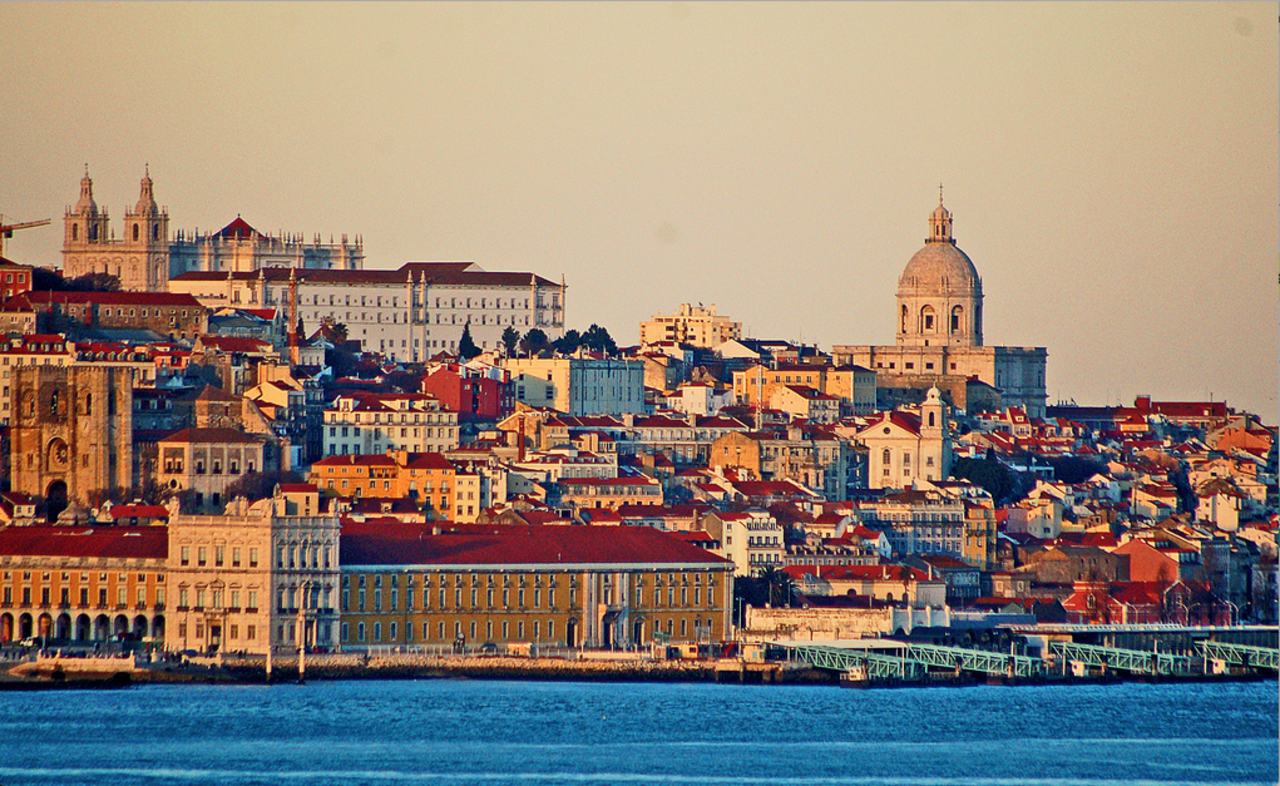
Lisbon is Portugal's capital, built on hills along the north bank of the Tagus estuary. The lower Baixa grid forms the central hinge between the older slopes of Alfama and Mouraria to the east and Chiado, Bairro Alto and Estrela to the west. Belém is a separate riverside monument cluster farther west, while Parque das Nações occupies a modern eastern waterfront. Viewpoints, steep lanes, tiled facades and river crossings make the city's geography part of the visit rather than a background to isolated monuments.
November · November in Lisbon has mean high 18.1°C and rainfall 133.9 mm. Cooler, wetter weather can limit time on Lisbon's steep streets and viewpoints. A flexible November itinerary in Lisbon is more realistic than a long exposed walking day.
January: viable with meaningful trade-offs
Jan
February: good time to visit
Feb
March: good time to visit
Mar
April: best time to visit
Apr
May: best time to visit
May
June: best time to visit
Jun
July: best time to visit
Jul
August: best time to visit
Aug
September: best time to visit
Sep
October: good time to visit
Oct
November: viable with meaningful trade-offs — current month
The list is built from real place data, so an empty result means the combination genuinely has no match — not that the page failed. Loosen one filter and the ranking returns.
Baixa lies in the low central valley between Lisbon's hills and is the easiest orientation point. Alfama and the castle climb east from the river; Mouraria and Graça continue around the northern side of that ridge. Chiado and Bairro Alto rise west of Baixa, with Cais do Sodré below them on the waterfront. Belém is well west of the centre and should be treated as its own cluster. Across the Tagus, Cacilhas is reached by ferry and gives a different riverbank perspective rather than another central neighbourhood.
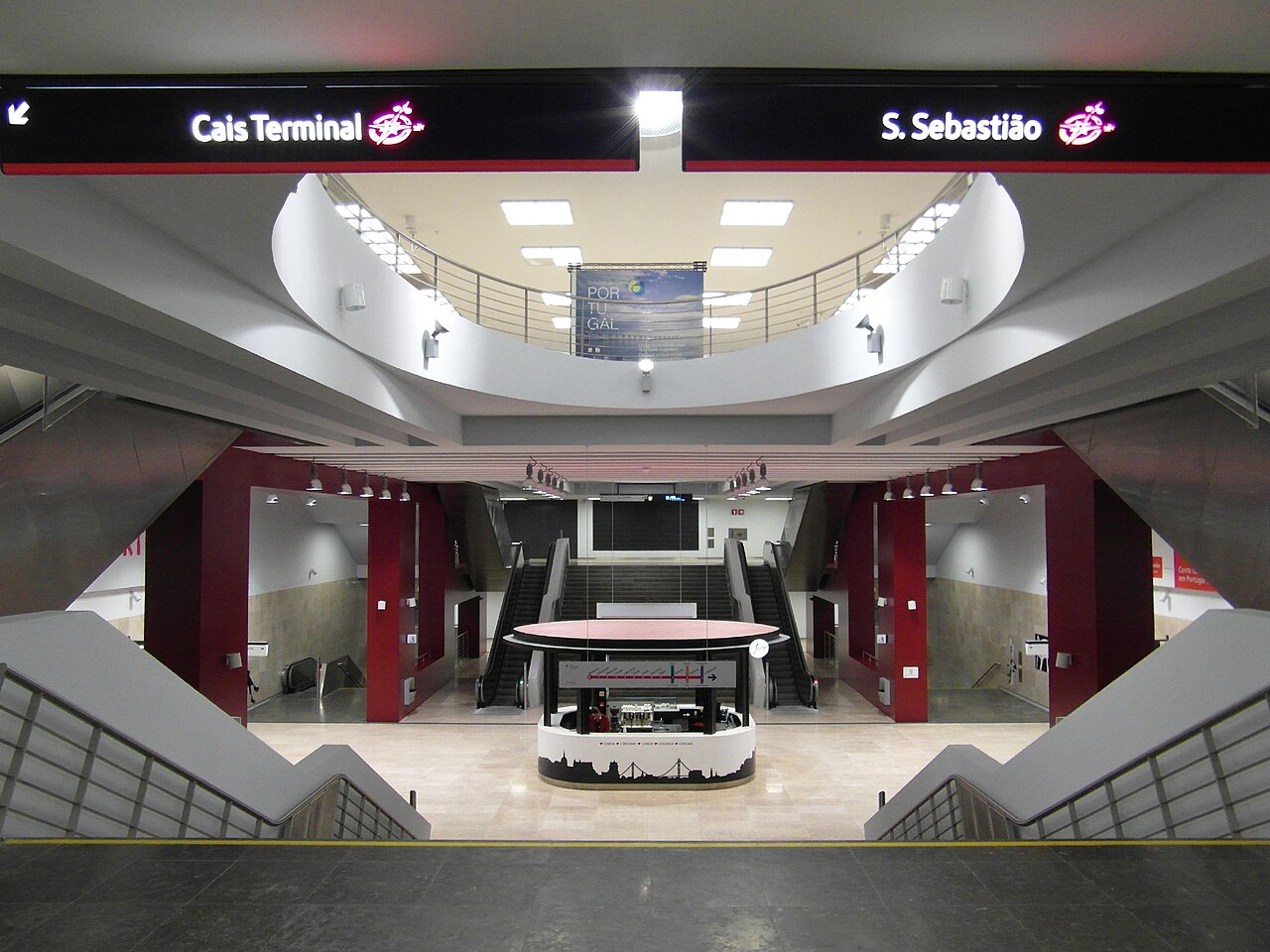
Walk within Baixa, Chiado and each hill district, but combine metro, Carris buses, trams and funiculars when elevation or distance makes walking inefficient. Lisbon City Council identifies Carris as the operator for buses, trams and elevators, while Metropolitano de Lisboa runs the metro. Urban trains serve routes such as Cascais and Sintra, and Transtejo or Soflusa ferries cross the Tagus. These are related but distinct services, so verify the current fare product and operator coverage before relying on one ticket for an entire itinerary.
Suggested stay for a first visit: 3–4 days. Plan separate clusters for Baixa and the central hills, Belém, and any river crossing or regional rail excursion that fits your priorities.
Which district is easiest for orientation?
Baixa is the low central grid. Alfama and Graça rise east, Chiado and Bairro Alto rise west, and the riverfront runs below them toward Belém.
Do I need public transport in central Lisbon?
Yes for some journeys. The centre is walkable in clusters, but hills and changes in elevation make the metro, trams, buses and funiculars useful even over modest map distances.
Is Belém part of the central walking route?
Treat Belém as a separate western riverfront cluster. It is connected by public transport but sits beyond the Baixa, Chiado and Alfama sightseeing core.
How do I cross the Tagus from Lisbon?
Transtejo and Soflusa operate passenger ferries within the metropolitan transport system. Check the current route and timetable for the crossing you need rather than assuming every waterfront terminal serves the same destinations.
Cookie choices
Advertising is currently off. Where consent is required, optional cookies wait for your choice. Declining switches analytics off.