
3 min walk
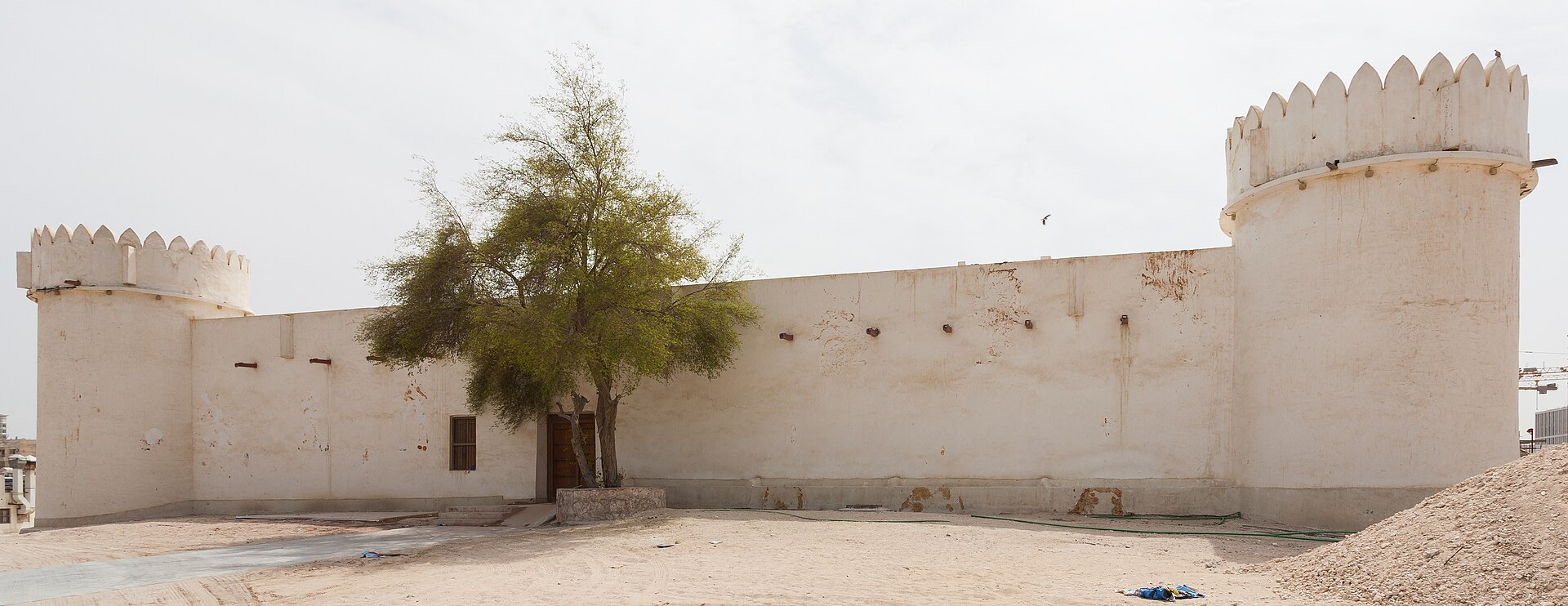
Al Koot Fort
- Must see
- Historic monument
Language · 11 published
Market · Doha
سوق واقف
Reviewed by Elena Voss · Roavina Travel Editor
| Monday | 00:00 – 23:59 |
|---|---|
| Tuesday | 00:00 – 23:59 |
| Wednesday | 00:00 – 23:59 |
| Thursday | 00:00 – 23:59 |
| Friday | 00:00 – 23:59 |
| Saturday | 00:00 – 23:59 |
| Sunday | 00:00 – 23:59 |
Checked 2026-08-31 · Source
Read from the OpenStreetMap access tags; anything not listed has no tag recorded.
Set the group type to family in the planner and the day window contracts to about three quarters of a solo day.
This place is a Shopping mall.
Souq Waqif is a restored traditional market in the heart of Doha, Qatar's capital. The name translates approximately to 'the standing market,' referencing its historical origins as a trading site where Bedouin merchants would stand to sell goods. The Qatari government undertook significant restoration work to preserve and reconstruct the souq's traditional architectural character, using original materials and techniques where possible. The result is a pedestrian-focused quarter that blends heritage presentation with contemporary commercial activity, serving as both a functioning marketplace and a cultural destination for residents and visitors.
Checked 2026-08-31 · Source
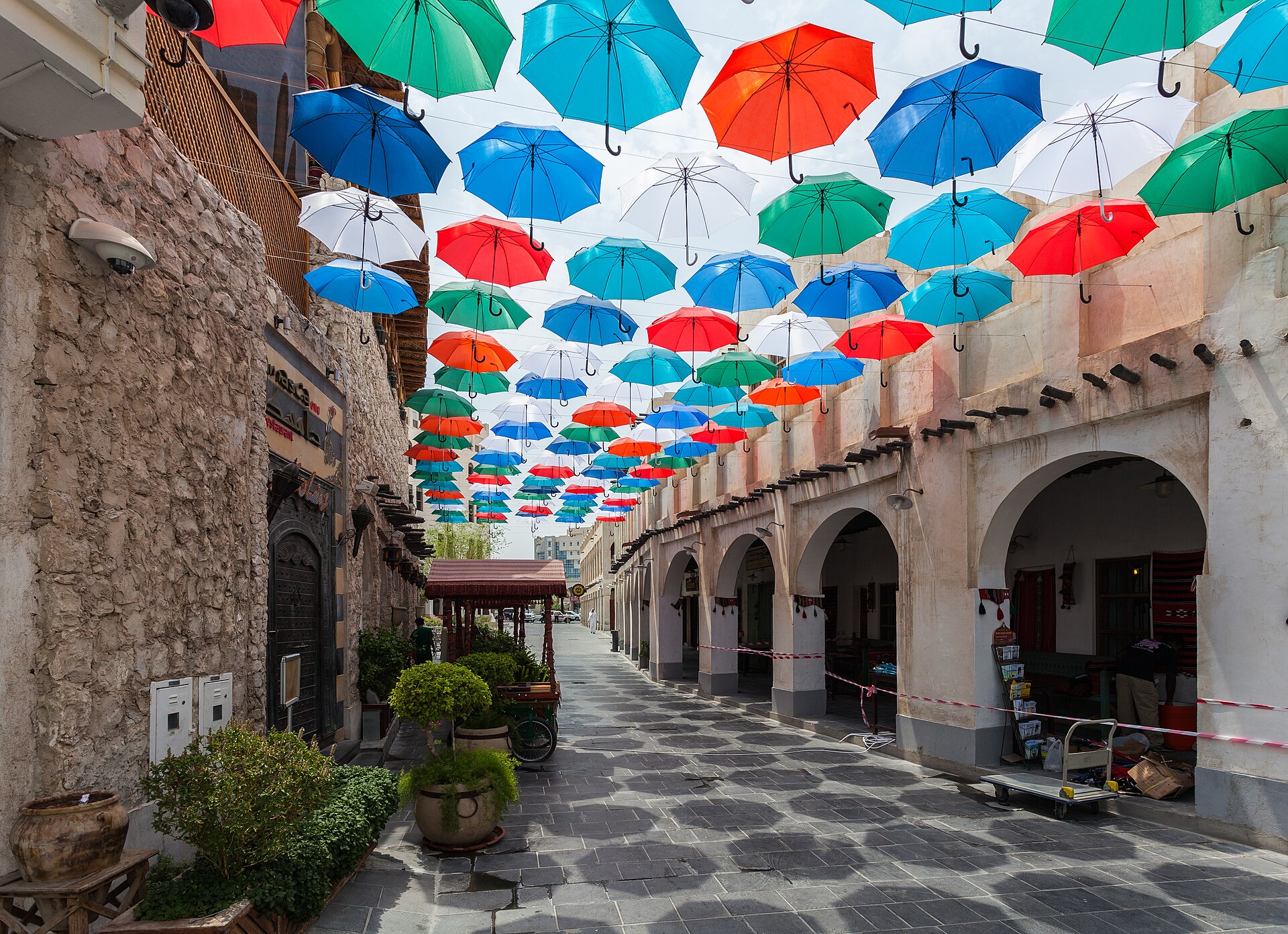
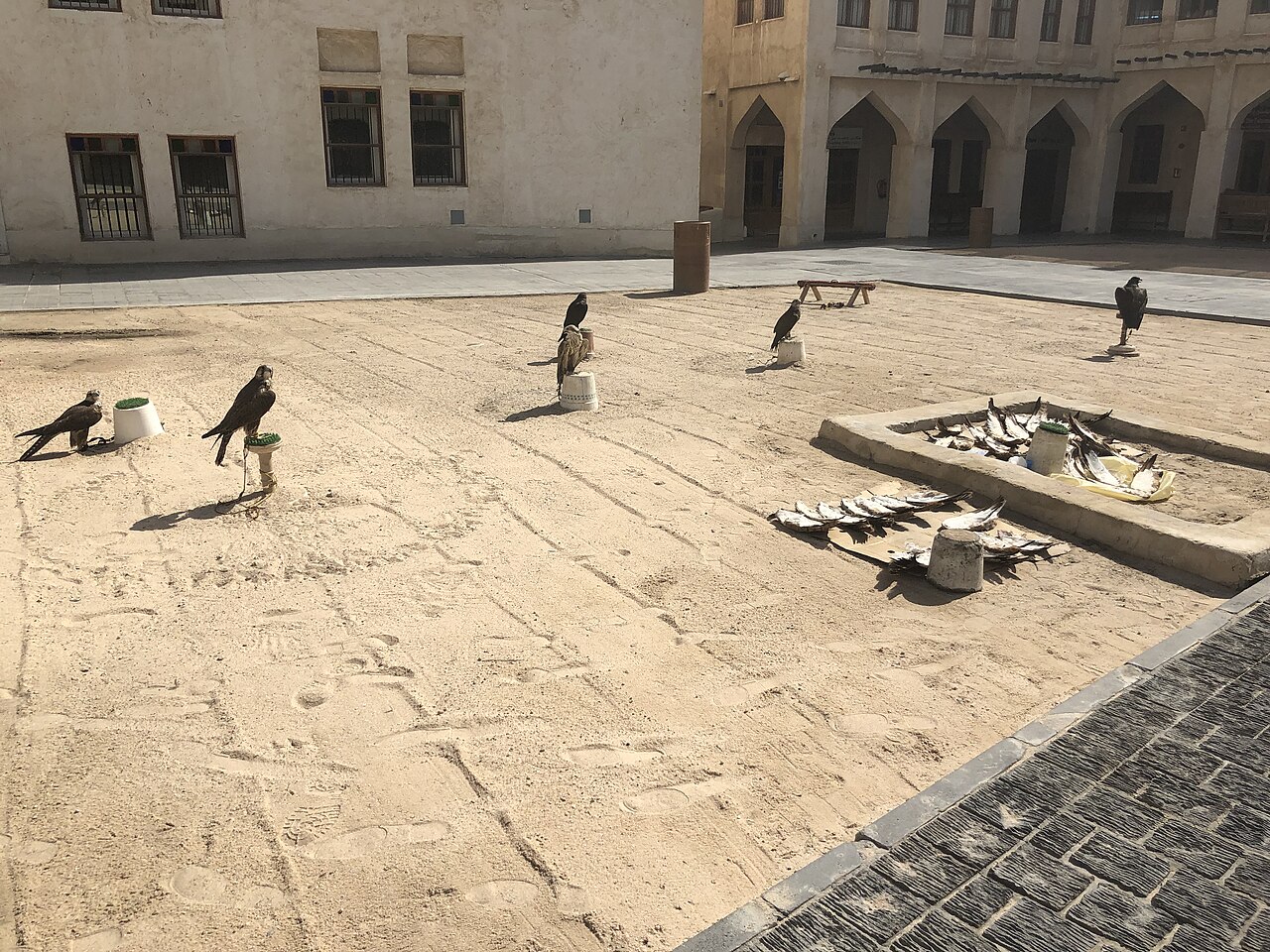
The souq contains numerous narrow alleyways lined with small shops and stalls. Merchandise categories include traditional garments such as thobes and abayas, spices, perfumes and oud, handicrafts, and souvenirs. The Gold Souq section specialises in jewellery. Falconry shops display equipment and birds, reflecting Gulf heritage. The souq also encompasses numerous restaurants and cafés, ranging from casual shisha venues to established dining operations serving regional cuisines. A number of art galleries and cultural spaces occupy units within the complex. Live performance spaces host traditional music and dance on occasion, particularly in evening hours.
Checked 2026-08-31 · Source
A thorough exploration of Souq Waqif's main walkways and subsidiary alleys requires approximately two to three hours for most visitors. Those intending to dine should extend this estimate, as evening meals in the district often proceed at a leisurely pace consistent with regional custom. Visitors with specific shopping objectives—such as fabric selection, perfume blending, or gold purchases—may require additional time for vendor comparison and negotiation. The surrounding district, including the nearby waterfront Corniche and adjacent cultural institutions, can reasonably sustain a half-day or full-day itinerary when combined with the souq itself.
Checked 2026-08-31 · Source
Daily: 24 hours The public souq is open around the clock with no regular closure day. Individual shops, restaurants and attractions inside it may keep shorter hours. Evening hours bring heightened atmosphere as lighting, pedestrian traffic, and dining activity increase. Daytime visits offer cooler interior spaces and reduced crowding in certain sections. Summer midday temperatures in Doha can exceed comfortable thresholds for extended outdoor walking, making early morning or evening visits preferable during June through September. Ramadan observance modifies operating rhythms throughout the city, with evening activity intensifying after iftar.
Checked 2026-08-31 · Source
Free general access. The Falcon Souq, camel pen and Emiri Stables are also free to visit; purchases, dining and separately organised activities are additional. Souq Waqif operates as an open public market with no general admission charge. Individual shops, restaurants, and any special exhibitions or events set their own pricing. Costs for meals, goods, and services vary substantially by vendor and category. Bargaining remains customary for many categories of merchandise, though fixed pricing operates in established restaurants and some retail operations. Visitors should establish prices before accepting services, particularly for tailoring, guided activities, or commissioned craftwork, and retain awareness that displayed items may not always indicate final negotiated costs.
Checked 2026-08-31 · Source
Take Doha Metro’s Gold Line to the named Souq Waqif station. Visit Qatar also identifies Karwa taxi, Uber and private car as arrival options, with underground parking available. The operator lists six car parks and on-site metro, taxi and bus connections. The souq occupies a central Doha location proximate to the Corniche waterfront promenade. The Doha Metro Gold Line serves the district via Souq Waqif station, providing connection to the broader network. Multiple bus routes operate in surrounding streets. Taxis and ride-hailing services discharge passengers at designated points near the market perimeter; vehicle access to interior alleyways is restricted. Walking access connects to nearby landmarks including the Museum of Islamic Art and the National Museum of Qatar via the Corniche. Parking structures exist in the vicinity, though spaces fill during peak evening and weekend periods.
Checked 2026-08-31 · Source
Accessible Qatar’s audit covers the souq’s common areas but not individual shops or restaurants. Level routes are integrated into the market for wheelchair users and visitors with reduced mobility. Accessible toilets are available near the restaurants and in the newer car park. The restaurant-area accessible toilet lacks clear signage, an emergency alarm and a full-length mirror. The car-park accessible cubicle is smaller than standard and lacks some accessibility features. The tourist-information office is not wheelchair accessible, although wheelchairs are available to borrow. The restored traditional architecture includes uneven surfaces, steps, and narrow passages that may challenge mobility-impaired visitors or those with strollers. Evening crowds concentrate in restaurant quarters and performance areas, requiring awareness of personal belongings. Spices and perfume samples may provoke sensitivities in some individuals. Live animal displays in the falconry section warrant respectful observation without unauthorised handling.
Checked 2026-08-31 · Source
The architectural restoration provides extensive visual interest: timber-framed balconies, plasterwork, decorative doors, and alleyway perspectives. Evening artificial lighting creates atmospheric conditions distinct from daylight documentation. The falconry shops and traditional craft demonstrations offer subject matter unavailable elsewhere. Tripod use may attract security attention in certain areas; discretion is advisable. Interior photography in shops and restaurants requires explicit permission from proprietors. Human subjects, including vendors, performers, and other visitors, should not be photographed without clear consent, particularly in contexts involving traditional dress or family groups. The nearby spiral minaret of the souq mosque presents an identifiable skyline element.
Checked 2026-08-31 · Source
No. General access is free, as are the Falcon Souq, camel pen and Emiri Stables; shopping, food and separately organised activities cost extra.
No. The current Doha City Guidebook lists Souq Waqif as open 24 hours, so Friday is not a market-wide closure day.
The market includes spice, perfume, jewellery, carpet, souvenir and traditional-clothing shops, plus the Falcon Souq, camel pen, Emiri Stables and Souq Waqif Art Centre.
Yes. Souq Waqif has restaurants, cafés and street vendors; local women also sell dishes such as samosas, stuffed vine leaves, meat stews and sweet dumplings in the central courtyard.
The operator lists ten ATMs, six car parks, several public toilets, a police station and cart-based carrier services for shoppers’ goods.
Visit Qatar identifies after dusk as a popular time and says the souq is busiest during the cooler months, when its courtyards often host cultural performances and exhibitions.
Loading the interactive map…
The interactive map could not be loaded.

Last updated:
Source: OpenStreetMap contributors, Wikidata ·