Saudi Arabia Museum of Contemporary Art
The Saudi Arabia Museum of Contemporary Art (SAMOCA) is a dedicated institution for contemporary art located in Riyadh's JAX District, an emerging cultural zone in the Saudi capital.
- Must see
- Museum

City guide · Saudi Arabia
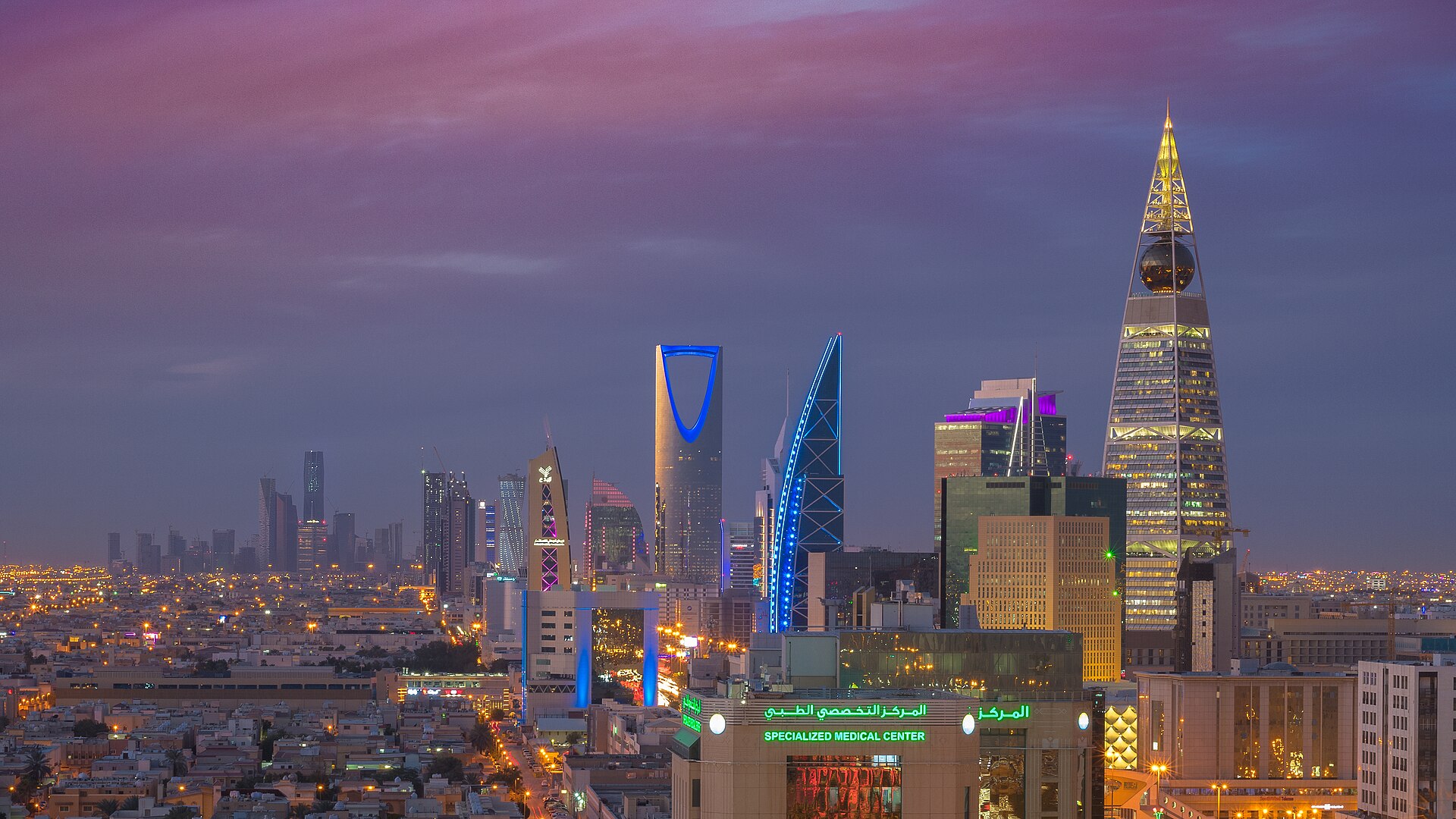
Riyadh is a broad inland capital with historic, cultural and business districts separated by long urban corridors. Qasr Al Hukm and Al Masmak define the old cen...
Photograph · B.alotaby · CC BY-SA 4.0
Set your days, your pace and the hours you actually want to be out. The planner works around closing days and travel time, and leaves room to eat.
Reviewed by Elena Voss · Roavina Travel Editor
Riyadh is a broad inland capital with historic, cultural and business districts separated by long urban corridors. Qasr Al Hukm and Al Masmak define the old central core; the National Museum and King Abdulaziz Historical Centre form a nearby cultural cluster. Olaya and the Kingdom Centre run north through the modern city, while KAFD and Diriyah sit farther northwest. Build each day around one corridor rather than crossing the capital repeatedly.
Checked 2026-08-26
September · September remains extremely hot in Riyadh at a 40.6°C mean high, despite zero normal rainfall.
Ranked by importance — sitelinks, pageviews and heritage status, not editor preference.
13 places match
Category
Typical visit duration
Interests
The Saudi Arabia Museum of Contemporary Art (SAMOCA) is a dedicated institution for contemporary art located in Riyadh's JAX District, an emerging cultural zone in the Saudi capital.
عالم البوليفارد
Boulevard World is a seasonal entertainment zone in Riyadh, known locally as بوليفارد وورلد. It operates as part of the broader Riyadh Season initiative. The destination features international pavilions and themed areas representing multiple countries.
Al Faisal Museum for Arab-Islamic Art is a Riyadh cultural museum devoted to Arab and Islamic artistic heritage. Its collections connect visitors with the visual traditions, materials, and craftsmanship of Islamic civilization.
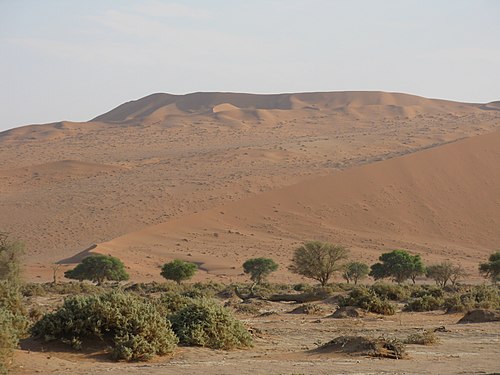
The Red Sand Dunes are an open desert landscape near Riyadh, known for reddish sand formations associated with the Najd region. The dunes offer a strong contrast with the capital’s buildings, roads, and broad urban districts.
Arabian Horse Museum is a standalone cultural attraction in Riyadh devoted to the heritage of the Arabian horse.
World Sights Park, known locally as حديقة المعالم العالمية, is a Riyadh attraction built around the idea of encountering representations of famous places from around the world in one outdoor setting.
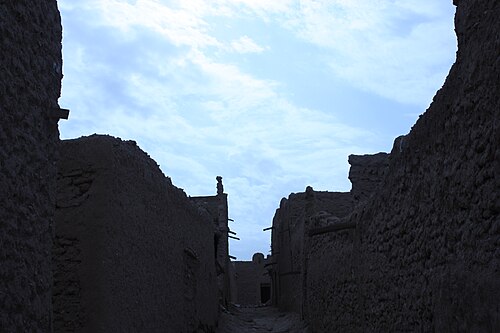
Diriyah Museum is a cultural institution located in the Diriyah area of Riyadh, Saudi Arabia.
Old Riyadh centres on Qasr Al Hukm, Al Masmak and Al Zal Market. The National Museum lies north of this core in the King Abdulaziz Historical Centre. Olaya Road forms the principal modern spine through towers, hotels and shopping areas. KAFD occupies a newer northern district, while the Diplomatic Quarter and historic Diriyah lie west and northwest. Desert-edge destinations such as Wadi Hanifah or Jebel Fihrayn require separate road planning outside the central visitor grid.
Checked 2026-08-26
Use Riyadh Metro and the integrated bus network for journeys that align with their routes, then use a taxi or other regulated road transport for destinations beyond convenient stations. Riyadh Municipality describes the public transport project as an integrated train-and-bus network, while official journey tools handle route planning and tickets. Distances and summer heat make long cross-city walks impractical; walking is best reserved for individual heritage, museum or business clusters.
Checked 2026-08-26
No fixed stay length is recorded. Plan separate blocks for Old Riyadh, the National Museum area, Olaya, KAFD or Diriyah, then add any desert-edge excursion independently.
Walking works inside Qasr Al Hukm, a museum complex or another defined cluster. The city's major districts are too dispersed for a continuous sightseeing walk.
Yes. Riyadh Municipality describes an integrated metro and bus network developed under the King Abdulaziz Public Transport Project.
Al Masmak, Qasr Al Hukm and Al Zal Market form the old-city cluster. The National Museum and King Abdulaziz Historical Centre belong to another nearby cultural block.
No. Historic Diriyah lies northwest of the central core and deserves a planned journey rather than an improvised extension of an Olaya or downtown walk.