546 min walk
Diplomatic Quarter
- Must see
- Activity
Language · 11 published
Activity · Riyadh
Reviewed by Elena Voss · Roavina Travel Editor
| Monday | 00:00 – 23:59 |
|---|---|
| Tuesday | 00:00 – 23:59 |
| Wednesday | 00:00 – 23:59 |
| Thursday | 00:00 – 23:59 |
| Friday | 00:00 – 23:59 |
| Saturday | 00:00 – 23:59 |
| Sunday | 00:00 – 23:59 |
Checked 2026-08-31 · Source
Read from the OpenStreetMap access tags; anything not listed has no tag recorded.
Set the group type to family in the planner and the day window contracts to about three quarters of a solo day.
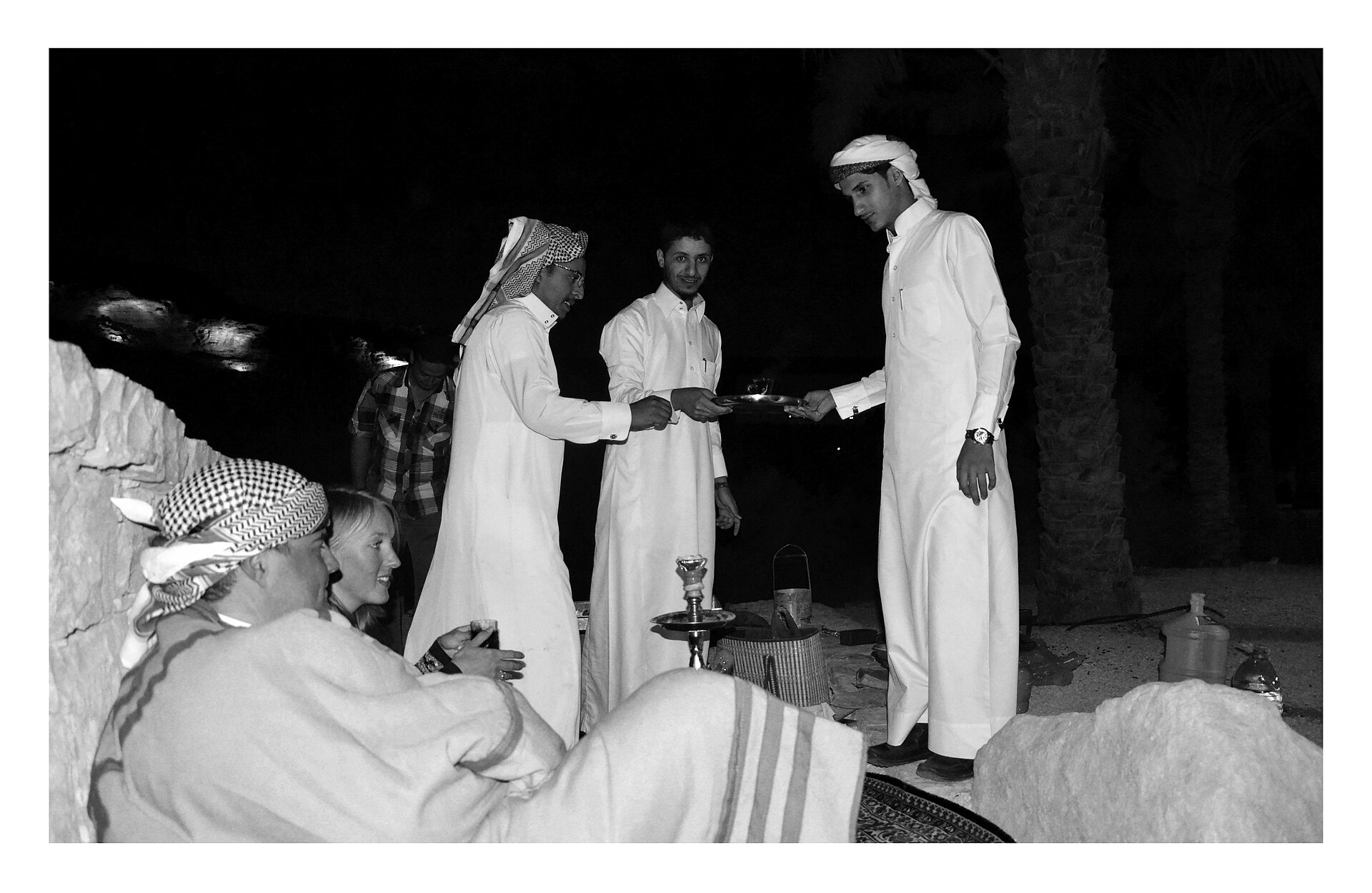
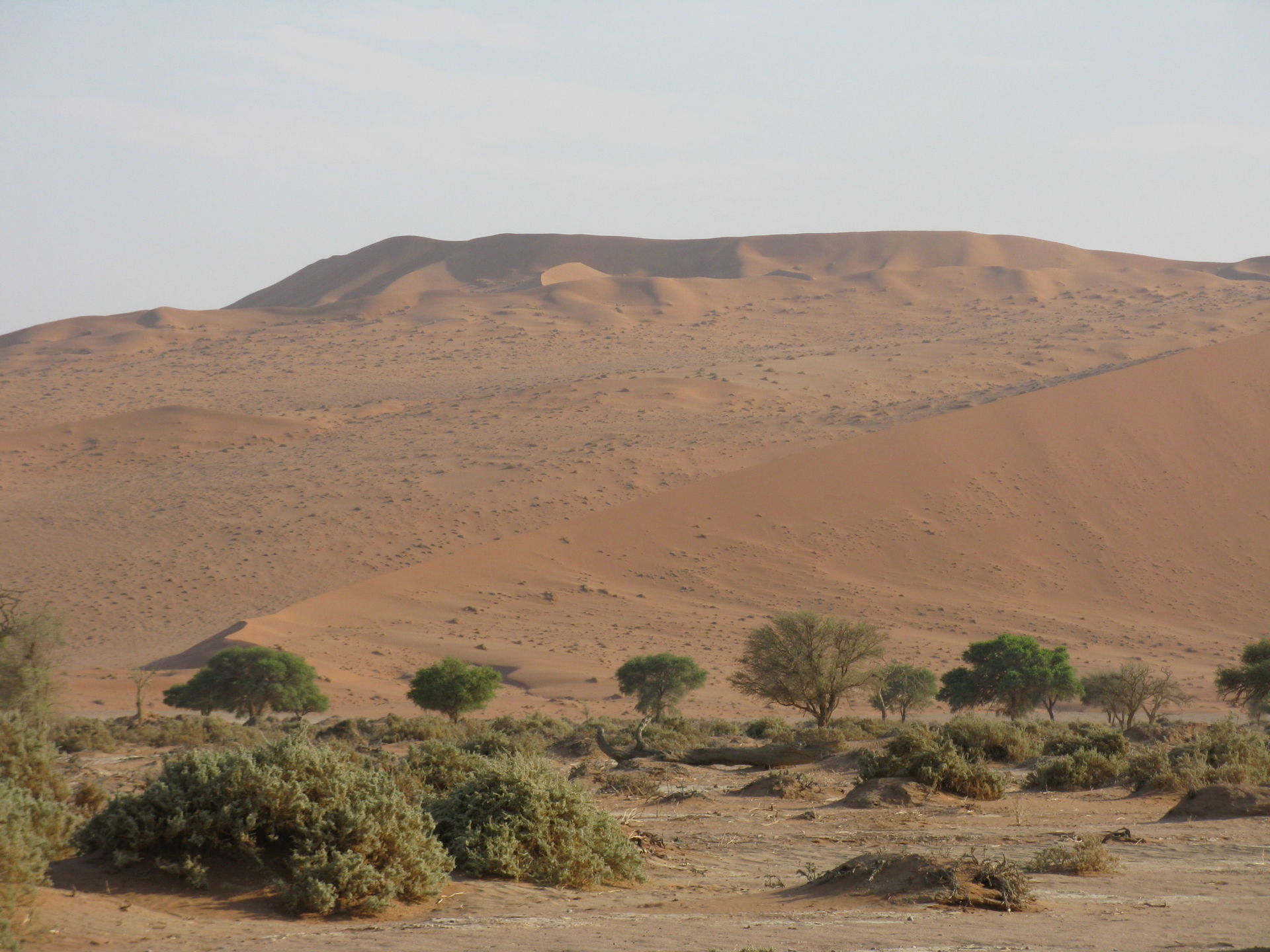
The Red Sand Dunes are an open desert landscape near Riyadh, known for reddish sand formations associated with the Najd region. The dunes offer a strong contrast with the capital’s buildings, roads, and broad urban districts. Visitors come for open horizons, desert scenery, walking, photography, sand driving, sunset views, and evening gatherings. The setting is natural and undeveloped, so the experience depends on the landscape rather than built attractions. The Red Sand Dunes are a natural desert landscape near Riyadh, Saudi Arabia. The local name is كثبان الرمال الحمراء. This area features distinctive reddish sand formations characteristic of the Najd region. The dunes attract visitors seeking desert experiences outside the capital. The terrain offers a contrast to Riyadh's urban environment. The site has become known among residents and visitors for recreational desert activities. The red coloration comes from mineral content in the sand. No fee structure is documented. The dunes are described as a natural area without an established ticketed entrance. Guided activities and equipment hire can carry separate charges. A four-wheel-drive vehicle is advisable for loose sand. Ordinary cars may be limited to firmer approach roads and nearby areas.
Checked 2026-08-26 · Source
The main features are wind-shaped dunes, changing ridgelines, reddish sand, and broad desert views. There are no described permanent buildings, marked trails, shelters, staffed visitor points, or developed services. Vegetation is sparse to absent, leaving the contours and textures of the sand as the central attraction. Expect an outdoor landscape where you provide your own food, water, shade, navigation, and vehicle support. The absence of infrastructure is part of the character of the visit. The landscape consists primarily of sand dunes with reddish pigmentation. Visitors typically find open desert terrain suitable for driving and walking. There are no permanent facilities, structures, or amenities described in available information. The area lacks developed infrastructure such as restrooms, shelters, or marked trails. Natural features include varying dune heights and wind-formed patterns in the sand. Vegetation is sparse to absent. Nighttime visits may offer dark-sky conditions.
Checked 2026-08-26 · Source
A half-day trip gives enough time to travel from Riyadh, explore several dune viewpoints, walk on the sand, and watch the light change. A shorter outing can suit visitors who want photographs and a brief desert experience. Sunset visits can extend into the evening, while camping may turn the outing into an overnight stay. Build flexible time into the plan because driving, sand conditions, and activity choices determine the pace.
Checked 2026-08-26 · Source
Cooler months provide the most comfortable conditions for walking and outdoor activity. During summer, early morning and evening are more manageable than the middle of the day, when Riyadh’s desert heat can be severe. Sunset brings warmer color and longer shadows across the dune faces. Weekends can bring more visitors from Riyadh. Wind and sandstorms can reduce visibility, so treat changing weather as a central part of desert planning.
Checked 2026-08-26 · Source
The Red Sand Dunes are described as a natural area without an established ticketed entrance. A self-drive outing therefore centers on transport, fuel, food, water, and equipment rather than a museum-style admission purchase. Commercial dune-bashing trips, guided excursions, or equipment hire can have their own charges. The landscape itself has no described staffed gate, annual pass, or formal ticketing structure.
Checked 2026-08-26 · Source
Private vehicle travel is the principal way to reach the dunes from Riyadh. Four-wheel drive is advisable for driving across loose sand, while ordinary cars may be limited to firmer approaches and roadside areas. Routes can shift between paved roads and desert tracks. Navigation applications help with the approach, but visitors unfamiliar with dune terrain benefit from traveling with experienced drivers or in a convoy rather than entering remote sand alone.
Checked 2026-08-26 · Source
Carry ample water, sun protection, food, communication equipment, and supplies for the vehicle. Heat, dehydration, loose sand, poor visibility, and sudden changes in traction create real desert hazards. A recovery kit is important for any vehicle entering sand. Tell someone your route and expected return time. Mobile coverage can be unreliable, and remote terrain offers no described nearby staffed assistance. Avoid steep dune edges and do not drive beyond your experience.
Checked 2026-08-26 · Source
The dunes are strongest for landscape photography at sunrise, sunset, and during the softer light of early evening. Wind-created ripples, footprints, ridge lines, and broad horizons provide changing patterns and scale. Fine sand can damage cameras and lenses, so keep equipment protected between shots. Night visits offer dark desert skies. Leave dune surfaces undisturbed where possible, and follow Saudi regulations for any drone use.
Checked 2026-08-26 · Source
The dunes are described as a natural area without an established ticketed entrance. Guided activities and equipment hire can carry separate charges.
A four-wheel-drive vehicle is advisable for loose sand. Ordinary cars may be limited to firmer approach roads and nearby areas.
No permanent restrooms, shelters, restaurants, or staffed services are described. Bring food, water, shade, and other supplies for a self-sufficient outing.
A half-day allows time for travel, dune exploration, walking, and sunset viewing. Photography outings can be shorter, while camping can extend the visit overnight.
Bring water, food, sun protection, communication equipment, navigation support, and vehicle-recovery supplies suited to loose desert sand.
Sunrise, sunset, and early evening provide softer light, stronger color, and longer shadows across the red sand and wind-shaped ridges.
Loading the interactive map…
The interactive map could not be loaded.
Last updated:
Source: OpenStreetMap contributors ·