Al-Balad, Jeddah
جدة التاريخية
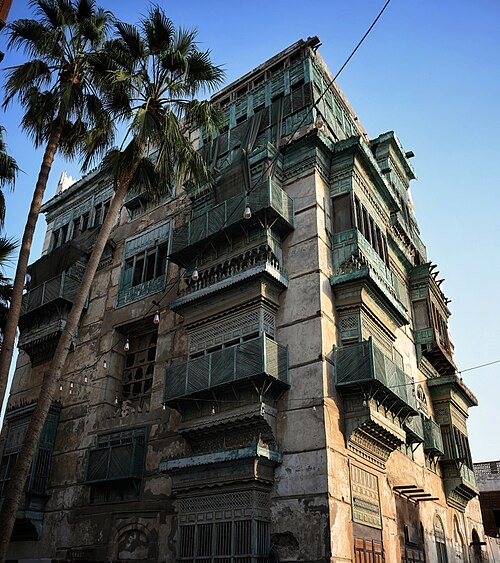
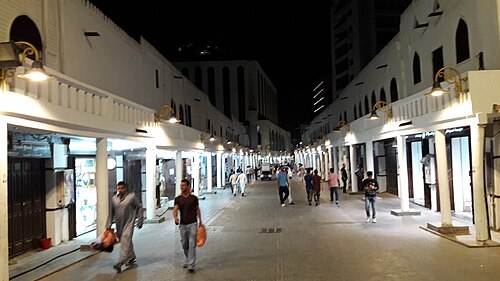
Al-Balad is Historic Jeddah, the old port district beside the Red Sea and a UNESCO World Heritage Site. The official Jeddah Historic District programme describes a 2.
- Must see
- Historic monument
- Jeddah
Country guide
At 2,149,690 square kilometres, Saudi Arabia is the largest country in the Middle East and the only one with coastline on both the Red Sea and the Arabian Gulf...
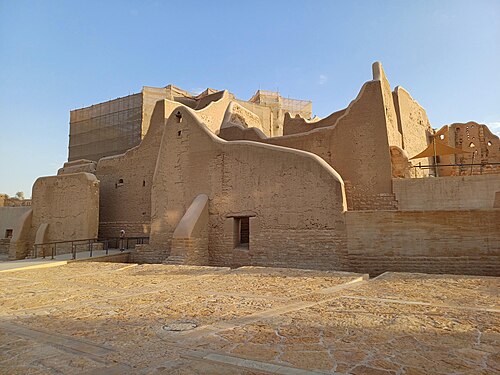
Photograph · Saudi Press Agency (SPA) · CC BY-SA 4.0
Reviewed by Elena Voss · Roavina Travel Editor
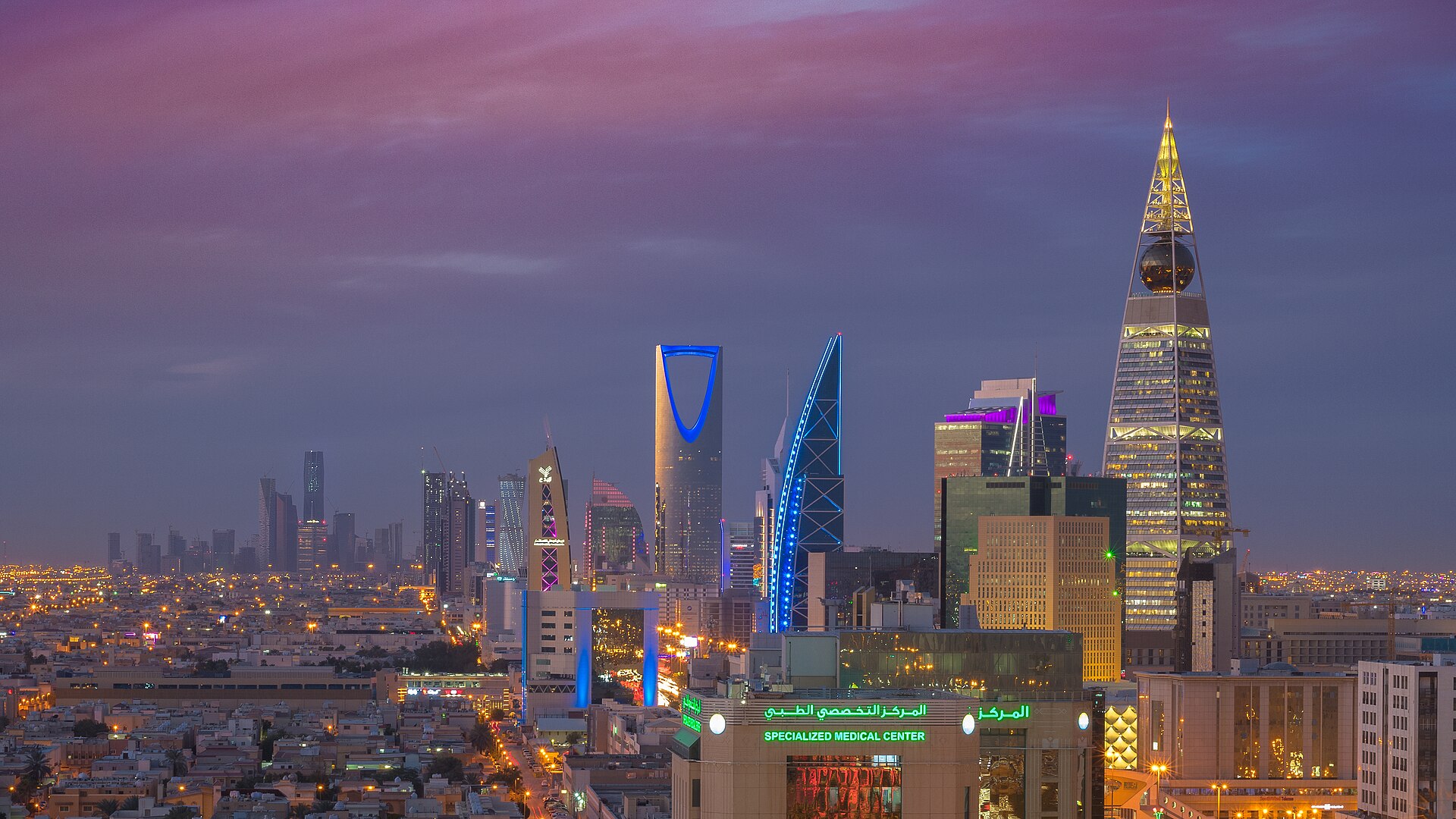
At 2,149,690 square kilometres, Saudi Arabia is the largest country in the Middle East and the only one with coastline on both the Red Sea and the Arabian Gulf — which is the fact that separates its cities. Riyadh, the capital, stands inland at the centre and is built at driving scale. Jeddah on the Red Sea is the older port, with a coral-stone historic quarter and the water at the end of the street, while Mecca and Medina, the two holiest cities in Islam, are closed to non-Muslims. The 33.7 million people counted in 2024 are gathered into a handful of centres with long empty desert in between.
Checked 2026-08-25
Every city catalogued in this country so far, ranked by how much there is to see.
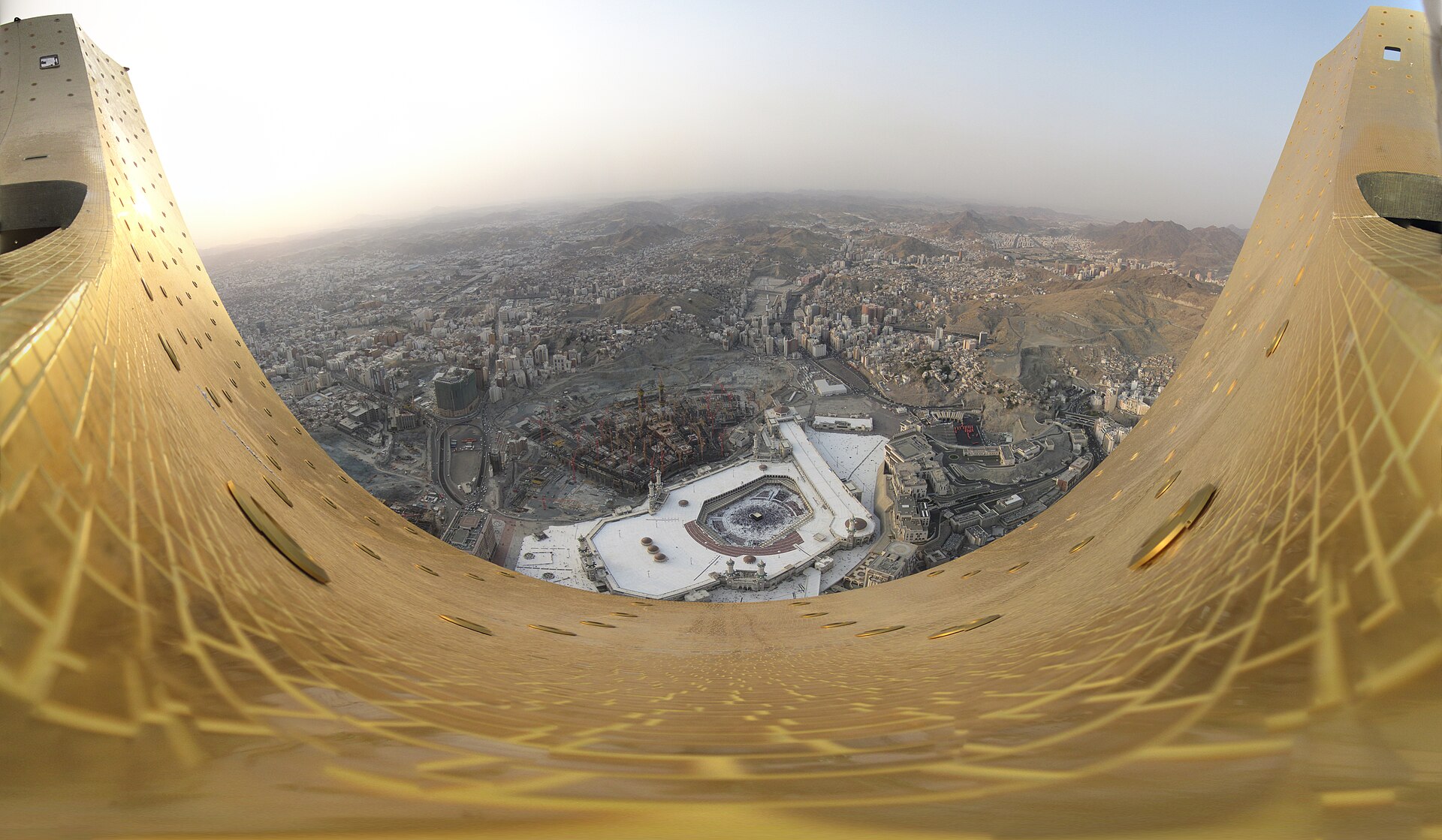
Photograph · B.alotaby · CC BY-SA 4.0
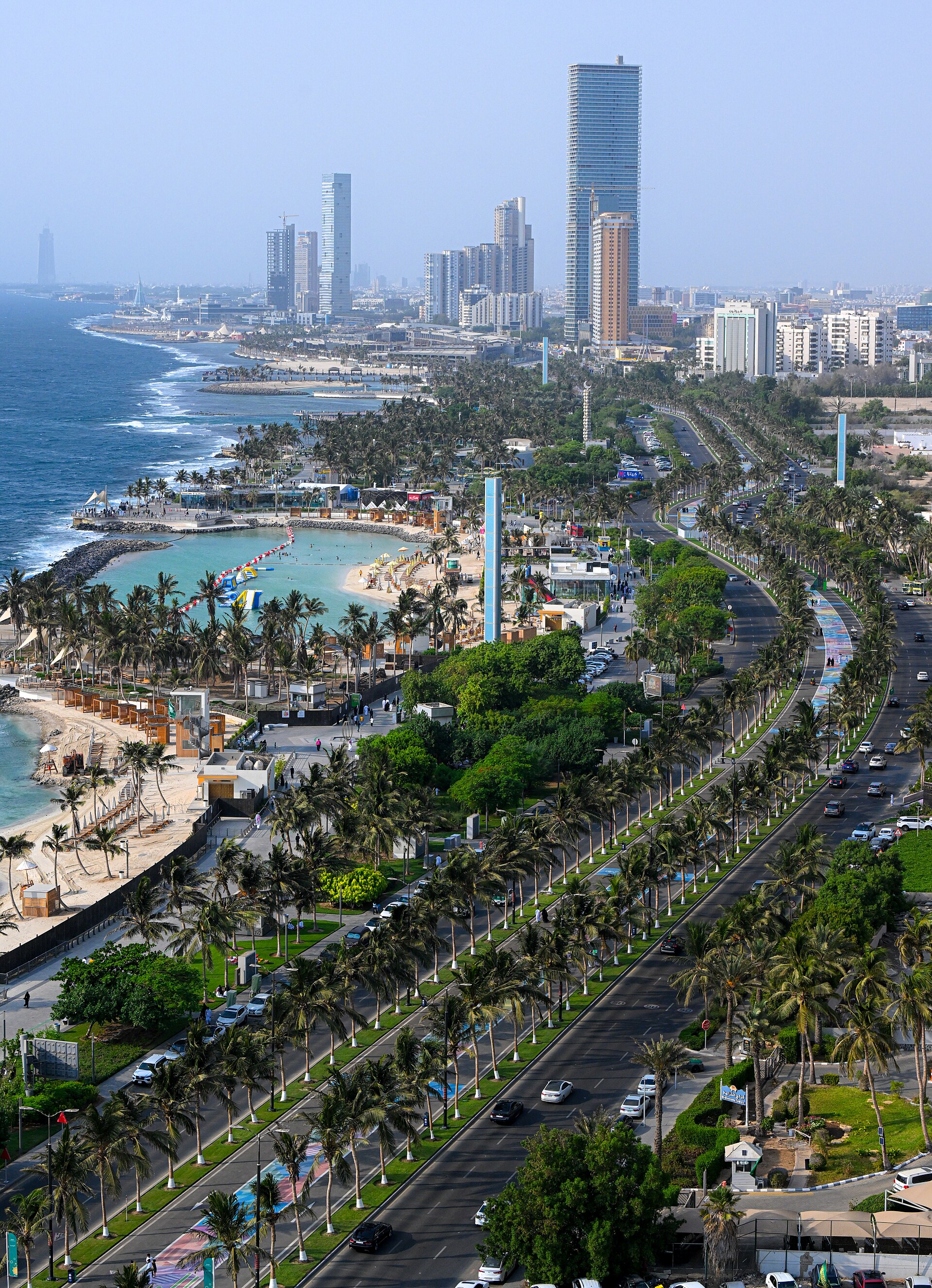
Photograph · Wurzelgnohm · CC0
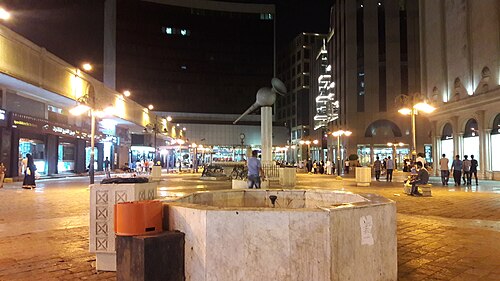
Photograph · Saudi Press Agency (SPA) · CC BY-SA 4.0
Ranked by importance — sitelinks, pageviews and heritage status, not editor preference.
28 places match
Category
Typical visit duration
Interests
جدة التاريخية
Al-Balad is Historic Jeddah, the old port district beside the Red Sea and a UNESCO World Heritage Site. The official Jeddah Historic District programme describes a 2.
الطريف
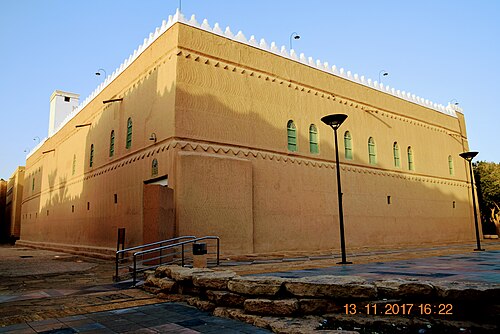
At-Turaif District is the historic quarter of Diriyah, northwest of Riyadh. It was the original seat of the House of Saud and the capital of the first Saudi state from 1744 until the Ottoman-Egyptian campaign of 1818.
قصر المربع
Murabba Historical Palace is a restored royal residence in Riyadh's King Abdulaziz Historical Centre. Built during the early twentieth century, it served as a residence for King Abdulaziz, founder of the modern Saudi state.
بوليفارد رياض سيتي
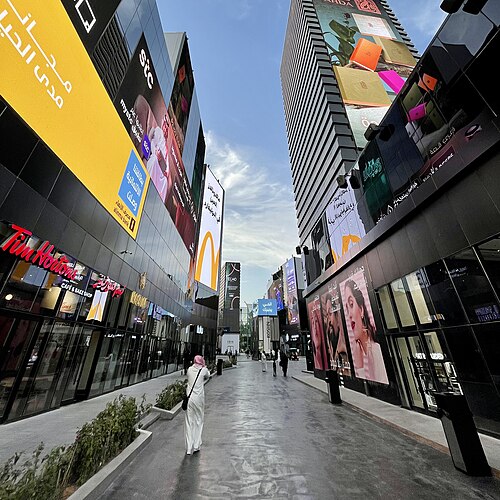
Boulevard Riyadh City, بوليفارد رياض سيتي, is a large entertainment and leisure destination in Riyadh. It combines urban promenades with dining, retail, and programmed entertainment, reflecting the city’s expanding role as a regional leisure hub.
سوق العلوي
Souq Al Alawi is a traditional marketplace situated within Al-Balad, the historic district of Jeddah.
Al Falak Square, or ميدان الفلك, is a public landmark in Jeddah. It occupies a site formerly associated with a non-visitor airport terminal function and now serves as a civic urban space.
Al Fordha Gate is a historic entrance in Al-Balad, Jeddah’s old town. It marks the transition from the contemporary city into a district known for coral-stone buildings, wooden roshan balconies, merchant houses, souqs, and narrow lanes.
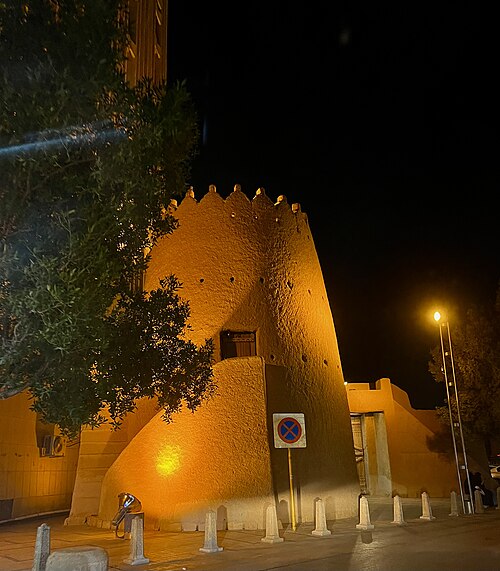
Al-Shafi'i Mosque is an active historic mosque in Jeddah, Saudi Arabia. Its local name is مسجد الشافعي. The mosque maintains an independent religious function and is kept as a separate point of interest from the broader historic district stops.
دروازة الثميري
Al Thumairi Gate, known locally as بوابة الثميري, stands as a historic entry point within Riyadh's urban fabric. The structure represents part of the defensive architecture that once defined the old city boundaries.
عين زبيدة
Ain Zubaida is a historic water source in Mecca associated with the infrastructure that supported pilgrims.
باب مكة
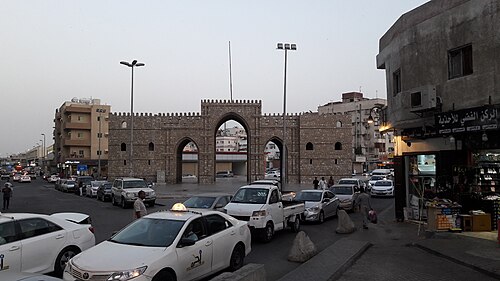
Bab Makkah, known locally as باب مكة, is a historic city gate in Jeddah, Saudi Arabia. The name translates to Mecca Gate, reflecting its historical significance as a departure point for pilgrims traveling to the holy city of Mecca.
Bab Sharif Gate stands as a historic gateway in Jeddah's Al-Balad district, the city's UNESCO-recognized old town. The structure replaces a former excess mall entry with a design rooted in traditional Hijazi architecture.
بيت الشربتلي
Bait Al-Sharbatly is a historic building in Jeddah, Saudi Arabia, bearing the local name بيت الشربتلي. It stands within the city's historic core, reflecting the architectural heritage of the Red Sea coastal settlement.
دوار الدراجة
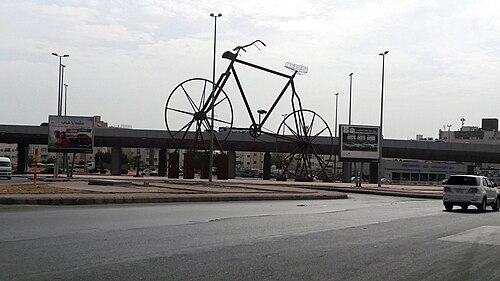
Bicycle Roundabout, locally known as دوار الدراجة, is a distinctive traffic circle in Jeddah, Saudi Arabia.
Bait Baeshen is a heritage house museum in Jeddah, Saudi Arabia. The local name is بيت باعشن. It stands as an independently visitable historic residence, preserved separately from broader district heritage stops.
الجمرة الكبرى
Al-Jamrah al-Kubra, known as the Great Jamrah, is the largest of the three stone pillars at Mina, near Mecca, Saudi Arabia. It forms part of the Hajj pilgrimage ritual of Rami al-Jamarat, where pilgrims throw pebbles at the pillars.
الجمرة الصغرى
Al-Jamrah al-Sughra, the Small Jamrah, is one of the three stone pillars at Mina that pilgrims strike with pebbles during the Stoning of the Devil ritual in Hajj.
الجمرة الوسطى
Al-Jamrah al-Wusta, the Middle Pillar, stands among the three jamarat in Mina near Mecca where pilgrims perform the ritual stoning during Hajj.
Khuzam Palace Main Gate stands as a surviving palace landmark in Jeddah, representing an era of architectural heritage that has endured amid rapid urban transformation.
Ribat Al-Khunji Al-Kabeer is a historic building in Jeddah, Saudi Arabia, known locally as رباط الخنجي الكبير. The site occupies ground that formerly served as a cemetery, giving the building a distinctive connection with the changing use of urban space.
شارع قابل
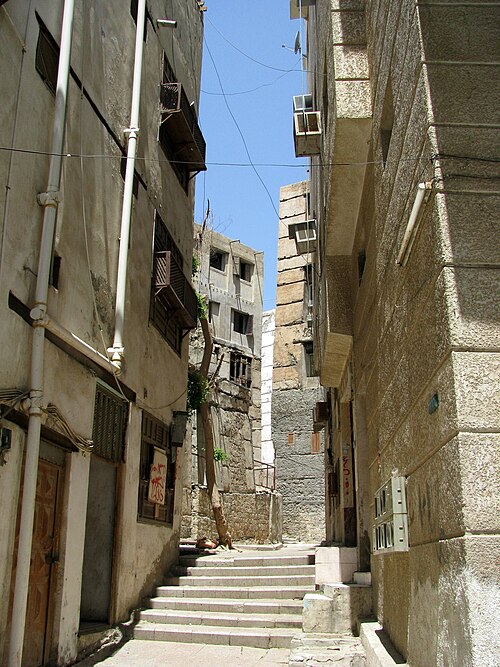
Qabil Street, known locally as شارع قابل, is a historic commercial thoroughfare in Jeddah's Al-Balad district. The street occupies a significant position within the UNESCO World Heritage-listed old town, representing traditional Hijazi urban fabric.
دوار الكرة الأرضية
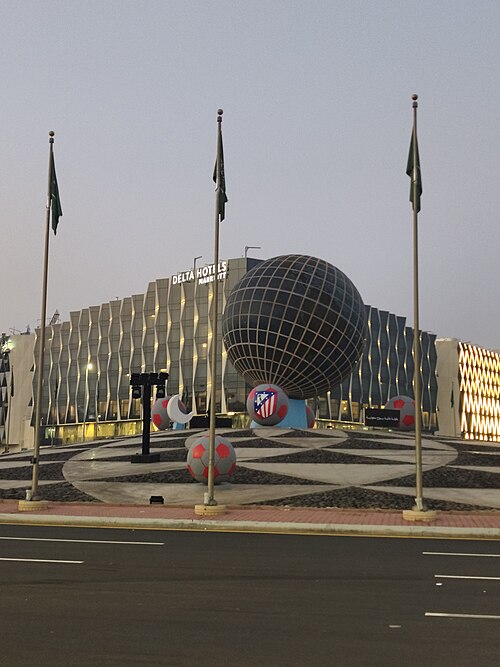
The Globe Roundabout is a notable urban landmark in Jeddah, Saudi Arabia. Locally known as دوار الكرة الأرضية, it functions as a distinctive traffic circle within the city's public-space network.
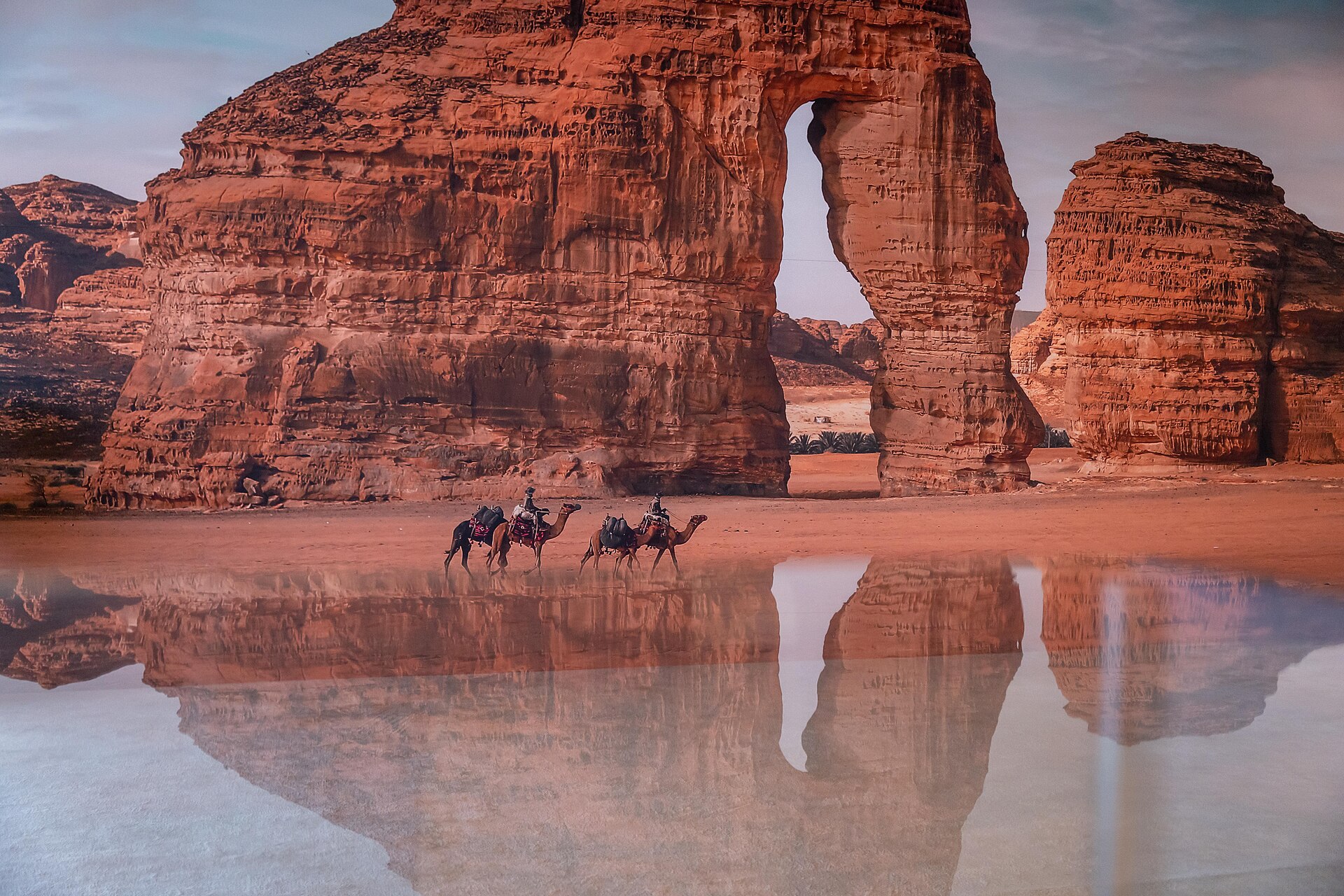
Eight to twelve days can combine three days in Riyadh, three in Jeddah, and a dedicated AlUla leg. Makkah is subject to religious eligibility and pilgrimage permissions and must not be planned as an ordinary sightseeing stop.
Saudi entry depends on nationality and purpose, with tourist eVisa and pilgrimage permissions following different rules. Confirm eligibility through the official Saudi visa service and the relevant pilgrimage authority before booking.
Domestic flights cover Saudi Arabia's long distances, while Haramain high-speed rail serves Makkah, Jeddah, the airport, and Madinah. Other routes rely on buses or cars, and desert excursions require an appropriate vehicle and reliable operator.
November through February offers the most practical outdoor conditions for Riyadh, Jeddah, and desert excursions. Pilgrimage periods can change access and demand independently of weather, so check the religious calendar and permit rules.
Saudi Arabia uses the riyal (SAR). Cards are common in cities, but carry a SAR backup for smaller stops and verify the local-currency total before accepting payment.
Use 911 as the unified emergency number where supported and 997 for ambulance service in Saudi Arabia. Type G sockets supply 230 V; tap-water guidance is not recorded here.