
7 min walk · Savski Venac
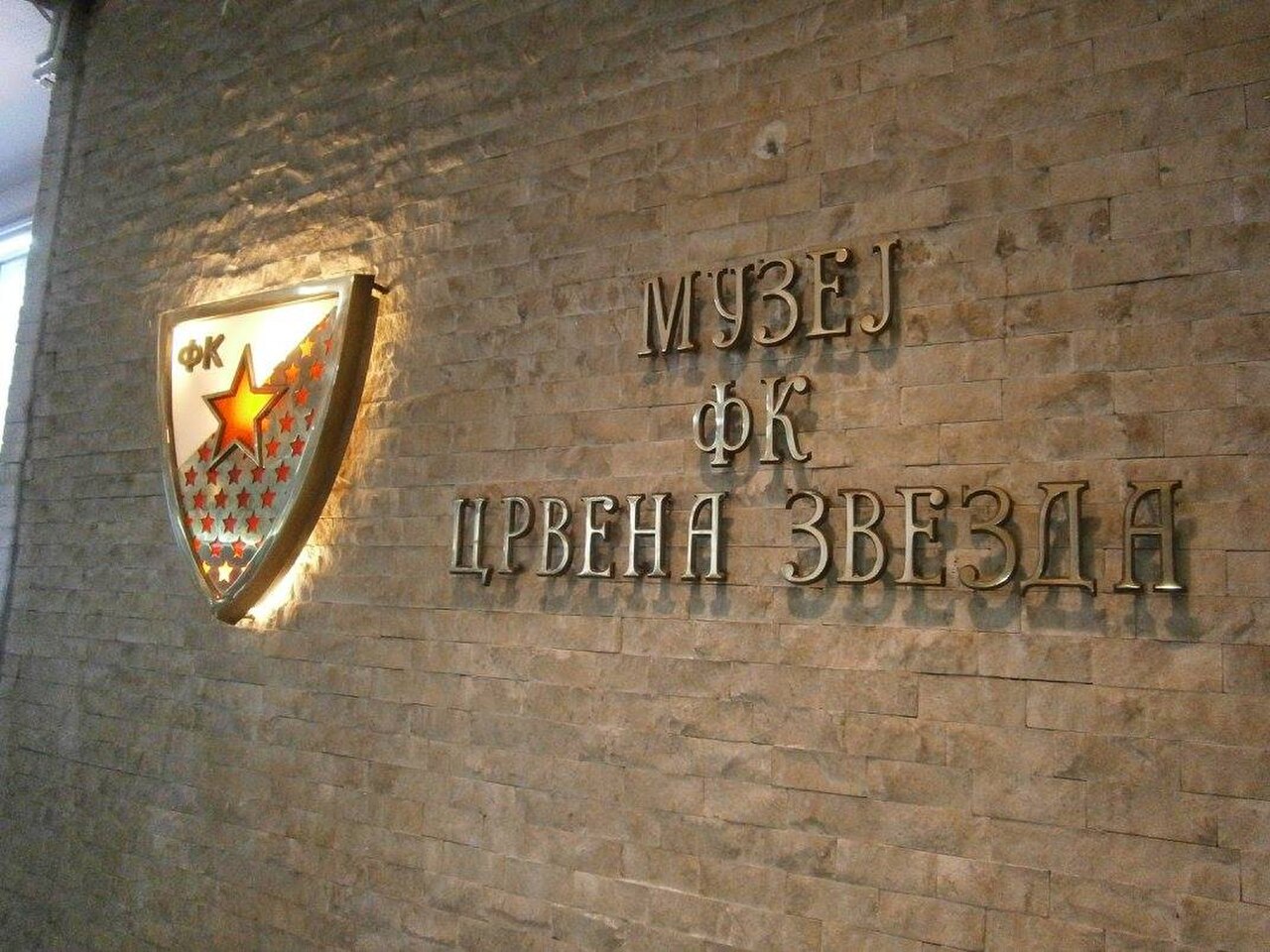
Red Star FC Museum
- High
- Museum
Language · 11 published
Nature site · Voždovac, Belgrade
Спомен-парк Топовске шупе
Reviewed by Elena Voss · Roavina Travel Editor
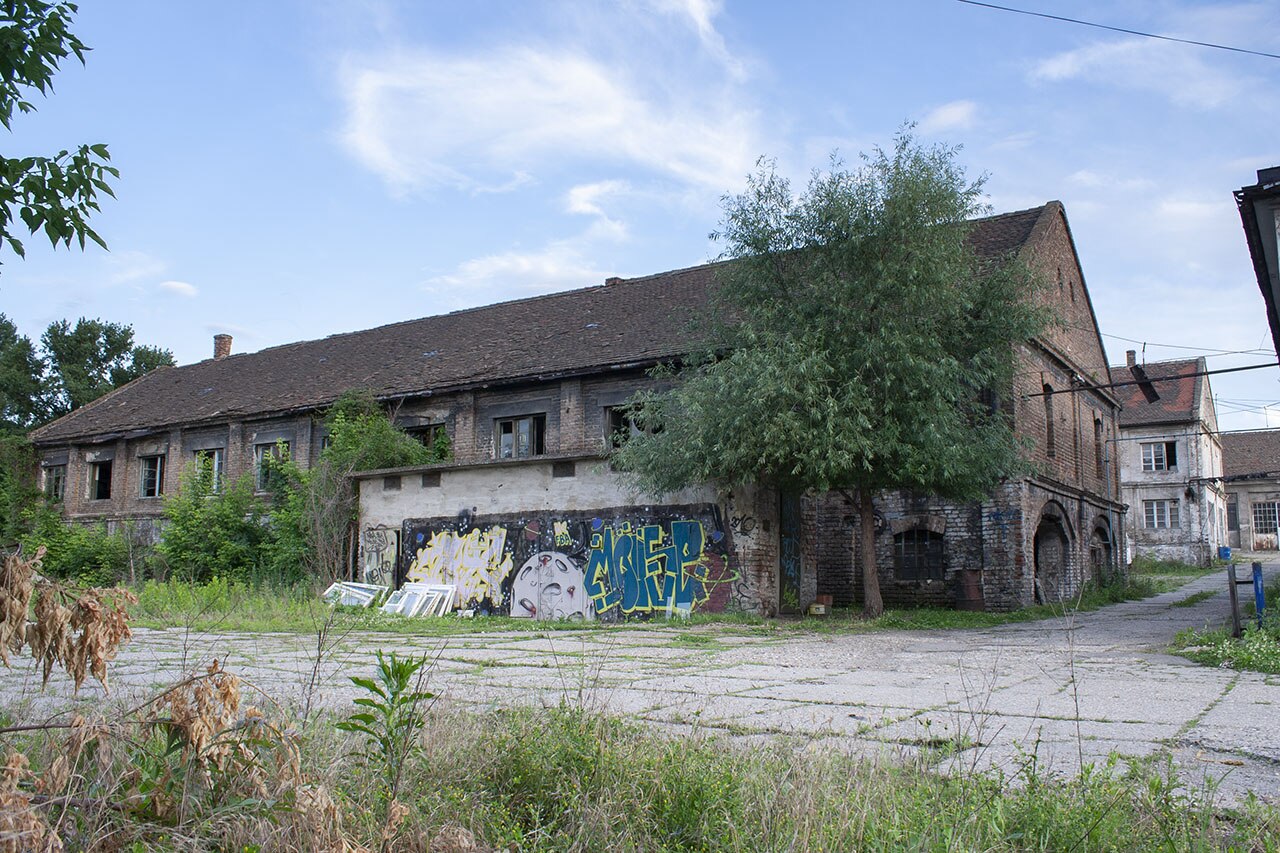
This place is a Park. It was established in 1941.
Topovske Šupe was a German occupation camp in Belgrade that operated from August to November 1941. It held Jewish men from Belgrade, Smederevo and Banat, alongside Roma men from Belgrade. Estimates count about 5,000 Jewish men and 1,500 Roma men who passed through. The surviving camp buildings at Autokomanda make this a place of Holocaust and Roma-persecution remembrance, not a conventional museum. Its historical weight comes from the people imprisoned there and from the evidence of persecution attached to a location that remains on private property. The site connects Belgrade’s urban landscape with the history of wartime persecution.
Checked 2026-09-02 · Source
A guided visit focuses on the former camp entrance, the remaining internment buildings and the rear plateau behind them. The precise starting point can vary with group size. This is a place-based historical interpretation: the guide explains the camp, the prisoners and the persecution carried out during the German occupation. Visitors should not expect a permanent exhibition, display cases, museum galleries or a conventional visitor centre. The experience is the setting itself, together with the guide’s account of what happened to Jewish and Roma men held at Topovske Šupe. The physical remains provide the setting for understanding the camp’s history rather than a collection of movable exhibits.
Checked 2026-09-02 · Source
Allow approximately one hour and thirty minutes for the guided visit. That estimate covers the organised historical tour, including movement between the relevant points and the guide’s explanation. Keep additional time free for reaching the meeting point, receiving group instructions and orienting yourself around Autokomanda. The visit is not a quick photo stop, and its pace depends partly on the group and the chosen starting point. Avoid placing another fixed-time attraction immediately afterwards, especially if you are unfamiliar with this part of Belgrade. Keeping the surrounding schedule open gives the tour enough space for its historical context and measured pace.
Checked 2026-09-02 · Source
There are no regular public opening hours. The Centre for Public History says that visits can be organised throughout the year by prior arrangement, with at least three weeks’ advance reservation required for guided visits. Plan around a confirmed booking rather than an unannounced arrival. The private-property status makes advance coordination essential, regardless of season. A reserved visit is also the appropriate way to approach this memorial location, whose history concerns mass persecution and the Jewish and Roma victims imprisoned in occupied Belgrade. Availability therefore depends on arranging a guided visit, not on choosing a particular weekday or season.
Checked 2026-09-02 · Source
There is no general admission ticket published for Topovske Šupe. Access is arranged through a guided visit organised by the Centre for Public History, rather than through an independently operated museum entrance. The supplied organiser page does not state a base adult price, so no ticket amount can be recorded. The practical requirement is to reserve the tour and obtain its applicable conditions from the organiser. Do not plan around buying a ticket on arrival: entry depends on prior coordination and the agreed guided-visit arrangement. This distinction matters because the former camp is not presented as a continuously open ticketed attraction.
Checked 2026-09-02 · Source
The former camp is at Autokomanda, at the beginning of Tabanovačka Street in Belgrade. City transport information identifies the Tabanovačka stop as served by buses 18, 39 and 18N. For a guided visit, follow the Centre for Public History’s meeting instructions: the group starts either at the former camp entrance or on the rear plateau, depending on group size. Confirm the exact meeting point before travelling, because this is not a staffed public venue. Allow orientation time around the busy Autokomanda roundabout. The transport stop and the former camp entrance are reference points for reaching the arranged meeting location.
Checked 2026-09-02 · Source
Do not arrive expecting an open museum, ticket office or unrestricted access. The original camp buildings are on private property, and guided visits require at least three weeks’ advance reservation. Follow the organiser’s instructions for the confirmed meeting point and remain with the group. This is a historical site of imprisonment and persecution, so quiet, respectful behaviour is appropriate. Group size can affect where the visit begins, so the booking instructions are part of the practical preparation.
Checked 2026-09-02 · Source
Photography is secondary to the memorial character of Topovske Šupe and to the privacy of the property. Do not photograph people, private areas or restricted interiors without permission. The surviving buildings and setting are historical evidence, but this is a place for attentive listening and remembrance rather than staged tourism. For images intended for publication, ask the Centre for Public History about permission and any property-related limits. The private setting makes consideration for residents, property and fellow visitors especially important throughout the tour.
Checked 2026-09-02 · Source
Topovske Šupe operated from August to November 1941, during the German occupation of Belgrade.
The former camp is at Autokomanda, at the beginning of Tabanovačka Street in Belgrade.
The camp held Jewish men from Belgrade, Smederevo and Banat, as well as Roma men from Belgrade.
Available estimates count about 5,000 Jewish men and 1,500 Roma men who passed through Topovske Šupe.
The Centre for Public History organises guided visits by reservation. Book at least three weeks in advance because the original buildings are privately owned.
A guided visit lasts approximately one hour and thirty minutes, excluding time needed to reach the meeting point.
Loading the interactive map…
The interactive map could not be loaded.
Last updated:
Source: OpenStreetMap contributors, Wikidata ·