Check the spelling, or browse the hierarchy from the country page.
City guide · South Africa
Historic sites, Theme: Art in Johannesburg, South Africa
Johannesburg is a large, decentralised city whose major visitor sites are separated by substantial road distances. The historic centre, Constitution Hill and Br...
Editorial responsibility: Elena Voss
· Roavina Travel Editor
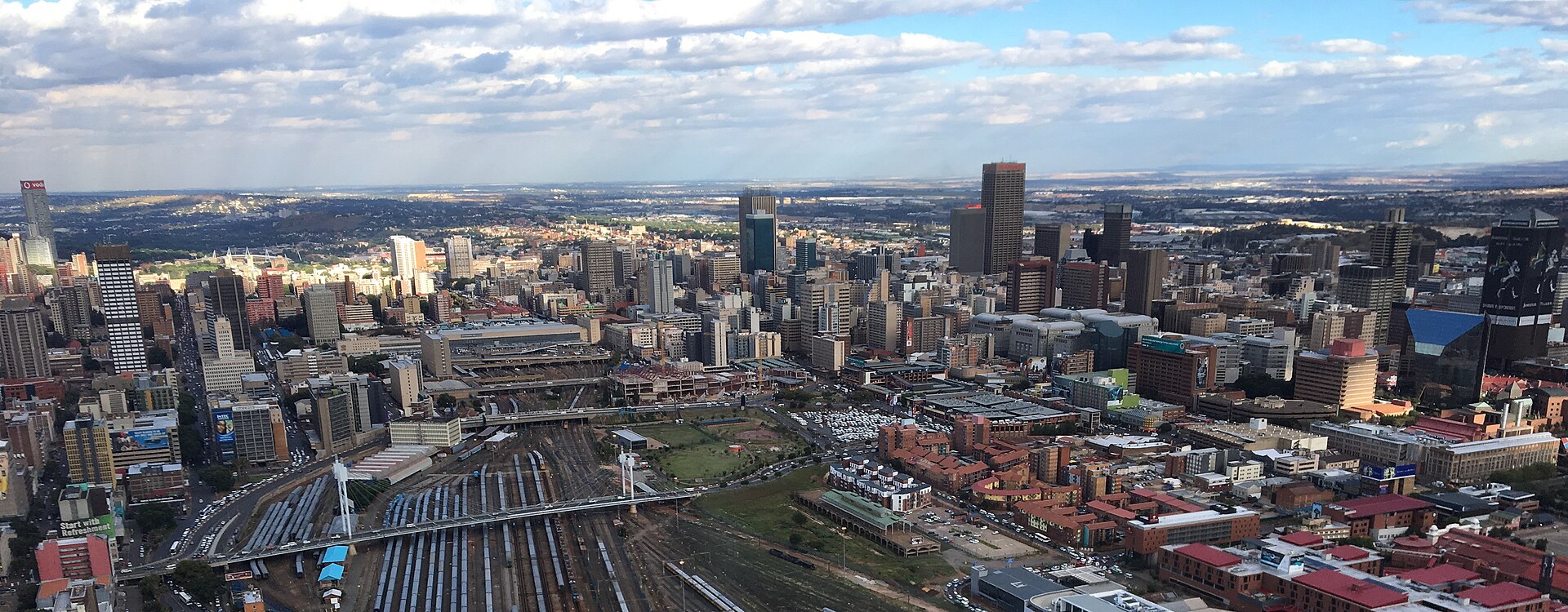
Johannesburg is a large, decentralised city whose major visitor sites are separated by substantial road distances. The historic centre, Constitution Hill and Braamfontein form one urban cluster; Soweto is a distinct southwestern route; Rosebank and Sandton form northern hubs. A practical itinerary groups places geographically and arranges transport before departure instead of treating the city as a walkable chain of landmarks.
November · November in Johannesburg has mean high 24.2°C, mean low 12.7°C, rainfall 117 mm, and 15.2 rain days. Summer rain or cooler conditions make a flexible itinerary more sensible. A flexible November itinerary in Johannesburg is more realistic than a long exposed walking day.
January: viable with meaningful trade-offs
Jan
February: viable with meaningful trade-offs
Feb
March: good time to visit
Mar
April: good time to visit
Apr
May: best time to visit
May
June: good time to visit
Jun
July: good time to visit
Jul
August: best time to visit
Aug
September: best time to visit
Sep
October: good time to visit
Oct
November: viable with meaningful trade-offs — current month
Nothing in Johannesburg matches all of those filters
The list is built from real place data, so an empty result means the combination genuinely has no match — not that the page failed. Loosen one filter and the ranking returns.
The central business district contains mining-era architecture, museums and regenerated precincts, with Braamfontein and Constitution Hill immediately north. Rosebank and Sandton are separate northern centres linked by Gautrain. Soweto lies southwest and contains Vilakazi Street, Mandela House and the Hector Pieterson precinct. The Apartheid Museum and Gold Reef City sit south of the centre, while the Cradle of Humankind is a regional excursion beyond the urban core.
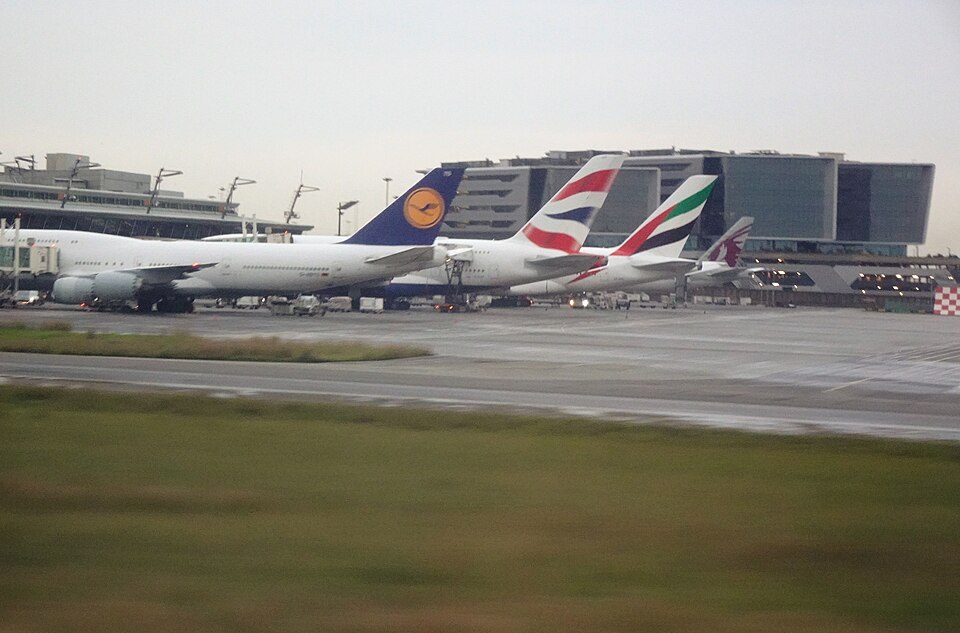
Use Gautrain for the airport, Sandton, Rosebank and selected regional connections, then combine buses, registered shuttles, ride-hailing or a rental car elsewhere. Joburg Tourism lists Gautrain, buses, car rental and tour operators as practical options. Walking is useful inside a defined precinct, but distances between precincts are too large for a citywide walking plan, and transfers should be arranged with the return journey in mind.
Suggested stay for a first visit: 3–4 days. Build separate blocks for the central precincts, Soweto, the southern museum cluster and the northern Rosebank or Sandton corridor.
Is Johannesburg a walkable sightseeing city?
Only within individual precincts. The principal visitor areas are widely separated, so a citywide itinerary needs rail, bus, shuttle, ride-hailing or car transfers.
Which Johannesburg sights belong in one route?
Constitution Hill and Braamfontein combine naturally. Mandela House and the Hector Pieterson precinct form a Soweto route, while the Apartheid Museum and Gold Reef City make a southern cluster.
Where is Gautrain most useful for visitors?
Gautrain is useful for travel between the airport, Sandton, Rosebank and its other served stations. Many museums and heritage areas still require a road connection.
Should transport be arranged before outer-district visits?
Yes. Confirm both outward and return journeys when a destination lies outside the Gautrain corridor or involves several separated stops.
Cookie choices
Advertising is currently off. Where consent is required, optional cookies wait for your choice. Declining switches analytics off.