Origins Centre
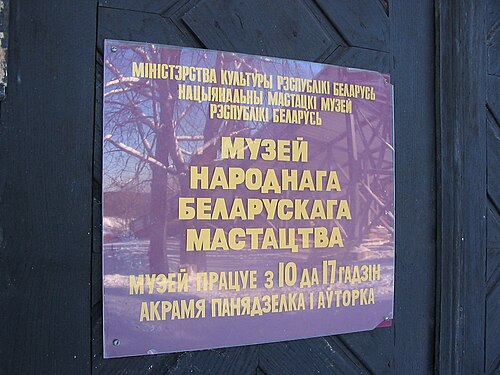
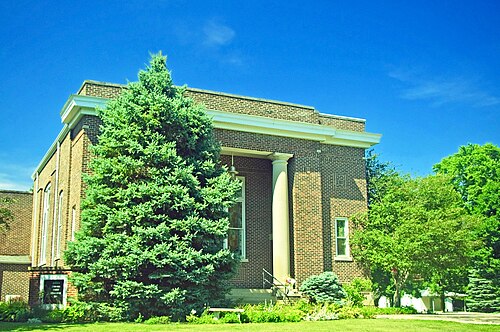
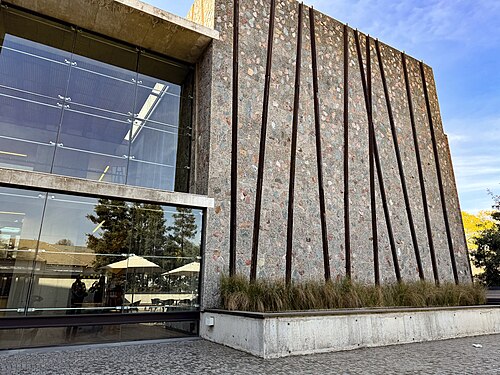
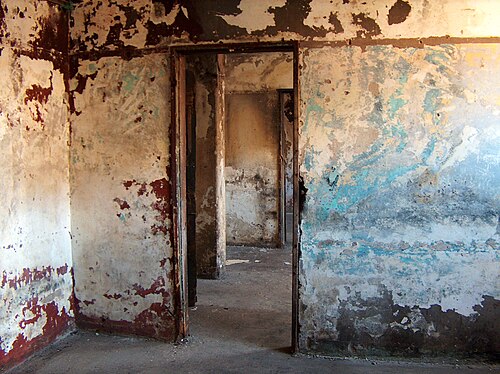
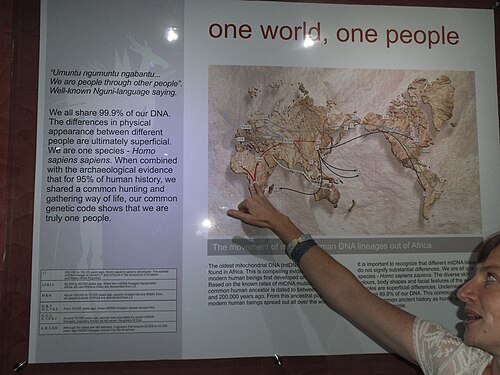
Origins Centre Museum is a museum at the University of the Witwatersrand in Johannesburg. The museum explores human origins, archaeology, rock art, indigenous knowledge, and southern African heritage.
- Must see
- Museum
City guide · South Africa
Johannesburg is a large, decentralised city whose major visitor sites are separated by substantial road distances. The historic centre, Constitution Hill and Br...
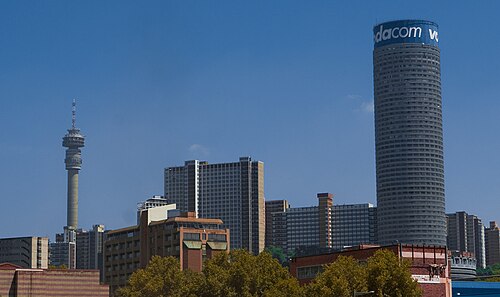
Photograph · Mark Hillary · CC BY 2.0
Set your days, your pace and the hours you actually want to be out. The planner works around closing days and travel time, and leaves room to eat.
Reviewed by Elena Voss · Roavina Travel Editor
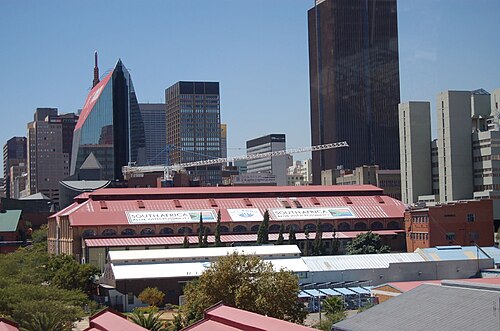
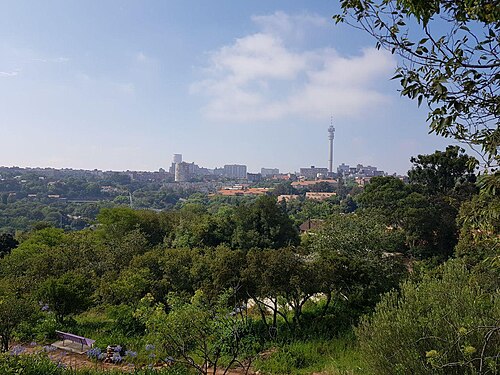
Johannesburg is a large, decentralised city whose major visitor sites are separated by substantial road distances. The historic centre, Constitution Hill and Braamfontein form one urban cluster; Soweto is a distinct southwestern route; Rosebank and Sandton form northern hubs. A practical itinerary groups places geographically and arranges transport before departure instead of treating the city as a walkable chain of landmarks.
Checked 2026-08-26
September · September in Johannesburg has mean high 22.8°C, mean low 9.3°C, rainfall 27 mm, and 3.7 rain days. Dry, mild weather gives Johannesburg a reliable outdoor sightseeing window. September supports a full day of outdoor stops in Johannesburg.
Ranked by importance — sitelinks, pageviews and heritage status, not editor preference.
51 places match
Category
Typical visit duration
Interests
Origins Centre Museum is a museum at the University of the Witwatersrand in Johannesburg. The museum explores human origins, archaeology, rock art, indigenous knowledge, and southern African heritage.
Maboneng
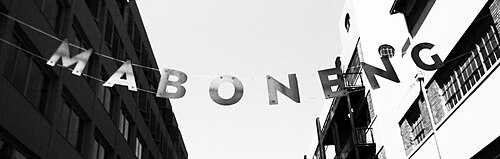
Maboneng Precinct is a regenerated inner-city district in eastern Johannesburg, South Africa. The name means place of light in Sesotho.
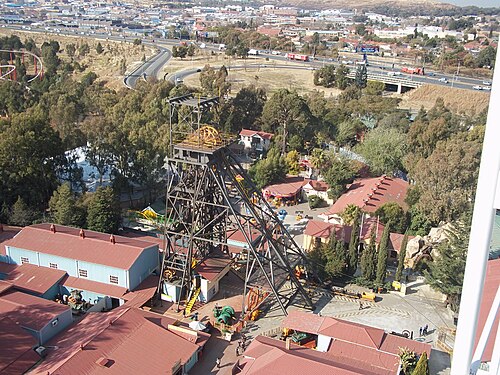
Gold Reef City is a major theme park and reconstructed gold-rush attraction situated on a historic gold mining site in Johannesburg. It combines amusement park rides with heritage attractions that recreate the atmosphere of the 1886 Witwatersrand Gold Rush.
Wits Art Museum is the public art museum of the University of the Witwatersrand in Johannesburg. The museum collects, preserves, and exhibits African and South African art within a university setting.
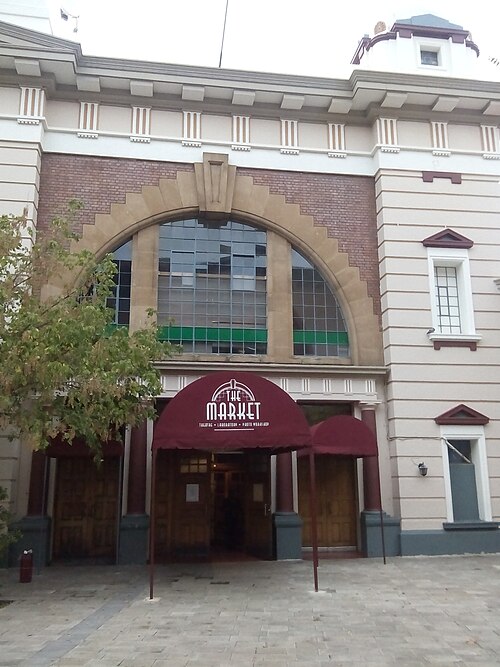
The Market Square
Market Theatre is a landmark performing-arts venue in Newtown, Johannesburg. The theatre became known during apartheid for providing a platform for protest theatre and multiracial audiences when such gatherings were restricted.
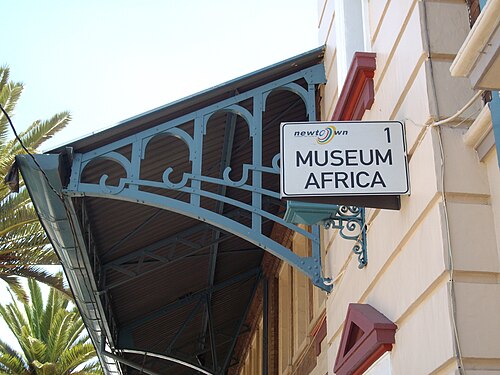
Museum Africa
Museum Africa is a museum in Newtown devoted to the social, cultural, and urban history of Johannesburg and Africa. It places the city within wider African stories of movement, work, community, political change, and cultural expression.
Newtown
Newtown Cultural Precinct is a revitalised former market and industrial district in central Johannesburg. The area has been transformed into a cultural hub that concentrates several significant institutions within walkable proximity.
The Johannesburg Holocaust and Genocide Centre is a museum and educational facility located in the Rosebank area of Johannesburg. It examines the Holocaust alongside other genocides globally, with particular attention to South African human-rights history.
Sci-Bono Discovery Centre is an independently entered science museum located in Newtown, Johannesburg. It operates with its own exhibitions and visitor programme, distinguishing it from other institutions in the precinct.
Liliesleaf Farm is a liberation-history museum in Rivonia, northern Johannesburg. The property served as an underground headquarters for the African National Congress during the early 1960s.
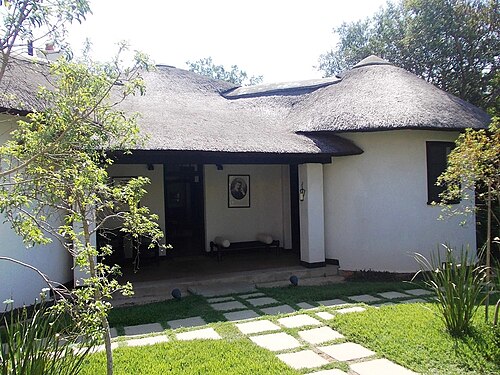
Satyagraha House is a historic residence in Johannesburg where Mohandas Gandhi lived during his early political activism in South Africa. The house is associated with the development of Satyagraha, his philosophy of nonviolent resistance.
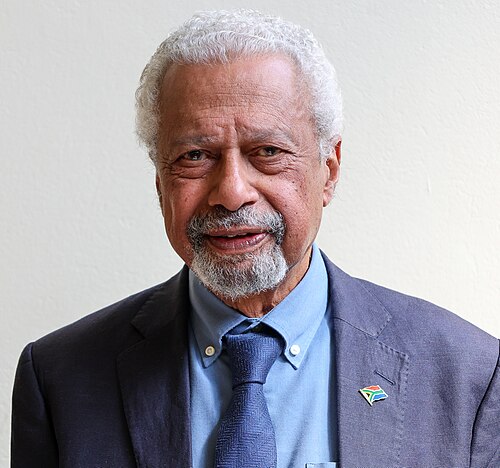
The Nelson Mandela Foundation is an archive, exhibition, and research centre in Houghton, Johannesburg. It preserves and interprets Nelson Mandela’s papers, photographs, personal effects, and public legacy.
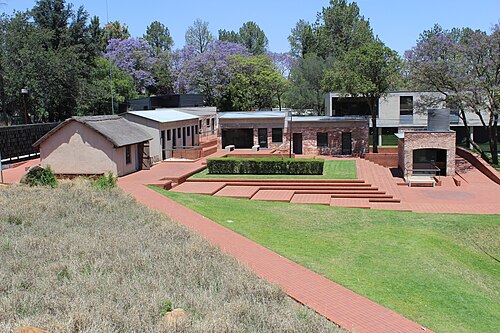
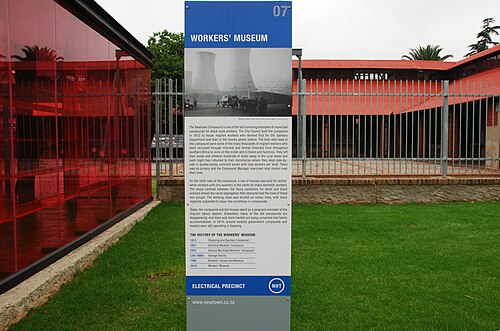
The Workers' Museum occupies a former municipal compound in Newtown, Johannesburg. It preserves the history of migrant labourers who constructed and sustained the mining city from the late 19th century onward.
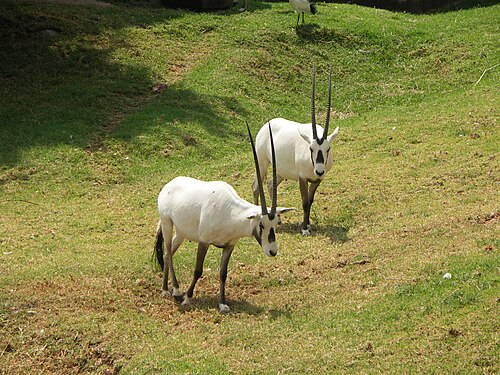
Johannesburg Zoo is a long-established urban zoo located in Johannesburg, South Africa. It stands as one of the city's foremost family attractions, drawing visitors across generations.
Ponte City
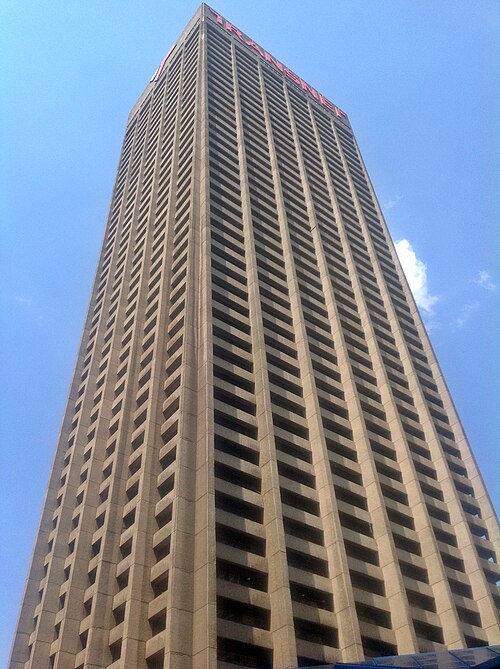
Ponte City Apartments is a cylindrical residential skyscraper in the Hillbrow neighbourhood of Johannesburg, South Africa. Completed in 1975, the 54-storey building was designed by architects Manfred Hermer and Rodney Grosskopff.
Main Street
Main Street Mining District is a historic corridor in central Johannesburg where the city’s gold-rush origins remain visible in streets, buildings, monuments, and public art.
Chancellor House is a modest three-storey building in Johannesburg that served as the law offices of Nelson Mandela and Oliver Tambo from 1952 to 1960.
Gandhi Square is a historic public square in central Johannesburg, named after Mahatma Gandhi who lived and worked in the city during the early twentieth century.
Walter Sisulu National Botanical Gardens
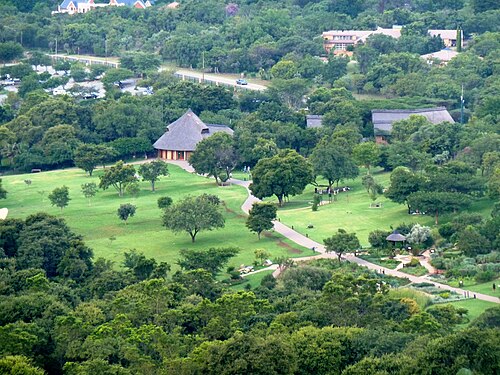
Walter Sisulu National Botanical Garden is a major nature destination in western Gauteng, managed by the South African National Biodiversity Institute. Its landscape combines indigenous vegetation, open grassland, rocky cliffs, walking trails, wildlife habitat, and a prominent waterfall.
Carlton Centre is a landmark skyscraper complex in central Johannesburg, associated with the city’s mining-era commercial growth. The Top of Africa viewing deck provides the visitor focus, taking travelers above the inner city for a broad perspective across Johannesburg.
Johannesburg Botanical Gardens
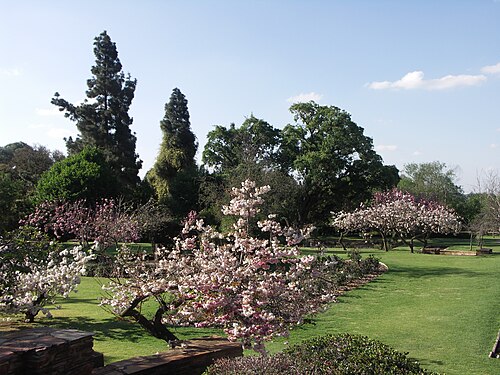
Johannesburg Botanical Garden is a large metropolitan green space beside Emmarentia Dam. The garden combines landscaped planting areas, broad lawns, and water-side scenery, creating a slower outdoor contrast to Johannesburg’s built-up districts.
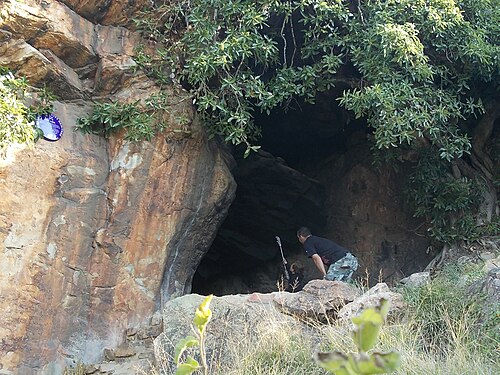
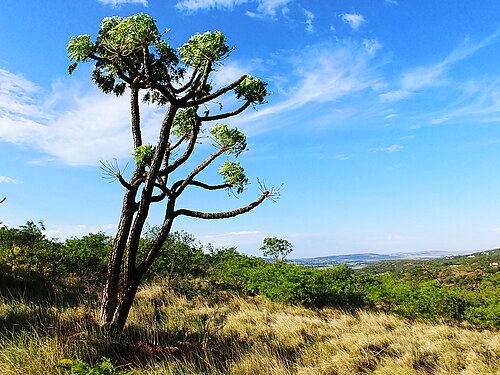
Melville Koppies Nature Reserve is an ancient quartzite ridge preserved inside Johannesburg. It gives travellers a close view of Highveld grassland, rocky outcrops and indigenous vegetation within the city.
The Wilds Nature Reserve
The Wilds is a restored inner-city ridge park in Johannesburg. Its elevated ground lifts visitors above surrounding neighbourhoods and creates a strong sense of open space within the city.
Delta Park is a large northern-suburbs park and wetland reserve in Johannesburg. It protects an area of open landscape within the metropolitan environment, combining public recreation with conservation.
Klipriviersberg Nature Reserve is a large protected Highveld landscape in southern Johannesburg. Rolling grassland, indigenous vegetation and archaeological evidence give the reserve a character that feels far removed from the surrounding metropolitan development.
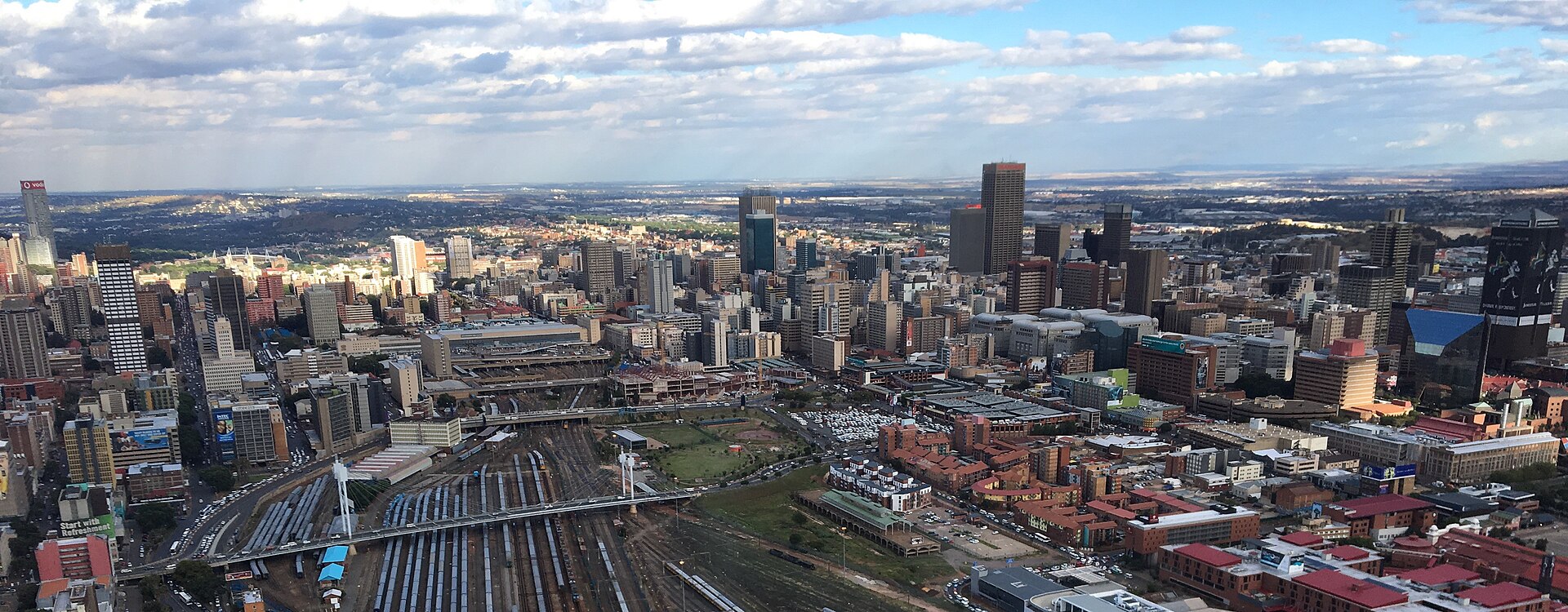
The central business district contains mining-era architecture, museums and regenerated precincts, with Braamfontein and Constitution Hill immediately north. Rosebank and Sandton are separate northern centres linked by Gautrain. Soweto lies southwest and contains Vilakazi Street, Mandela House and the Hector Pieterson precinct. The Apartheid Museum and Gold Reef City sit south of the centre, while the Cradle of Humankind is a regional excursion beyond the urban core.
Checked 2026-08-26
Use Gautrain for the airport, Sandton, Rosebank and selected regional connections, then combine buses, registered shuttles, ride-hailing or a rental car elsewhere. Joburg Tourism lists Gautrain, buses, car rental and tour operators as practical options. Walking is useful inside a defined precinct, but distances between precincts are too large for a citywide walking plan, and transfers should be arranged with the return journey in mind.
Checked 2026-08-26
No fixed stay length is recorded. Build separate blocks for the central precincts, Soweto, the southern museum cluster and the northern Rosebank or Sandton corridor.
Only within individual precincts. The principal visitor areas are widely separated, so a citywide itinerary needs rail, bus, shuttle, ride-hailing or car transfers.
Constitution Hill and Braamfontein combine naturally. Mandela House and the Hector Pieterson precinct form a Soweto route, while the Apartheid Museum and Gold Reef City make a southern cluster.
Gautrain is useful for travel between the airport, Sandton, Rosebank and its other served stations. Many museums and heritage areas still require a road connection.
Yes. Confirm both outward and return journeys when a destination lies outside the Gautrain corridor or involves several separated stops.