,_Table_Mountain_--_2024_--_2762%2B64%2B66%2B68%2B70%2B72.jpg)


01
1 hr 30 min
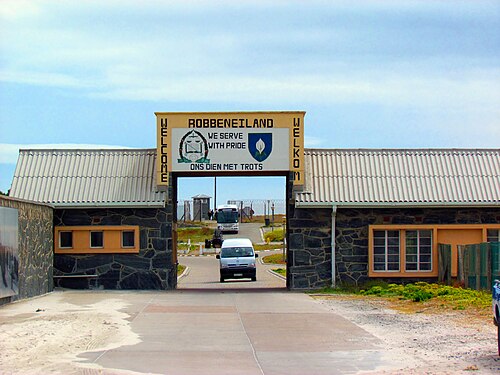
Robben Island Museum
Robben Island Museum is a UNESCO World Heritage Site located in Table Bay, approximately seven kilometres off the coast of Cape Town.
- Must see
- Museum
- Cape Town
Language · 11 published
Country guide
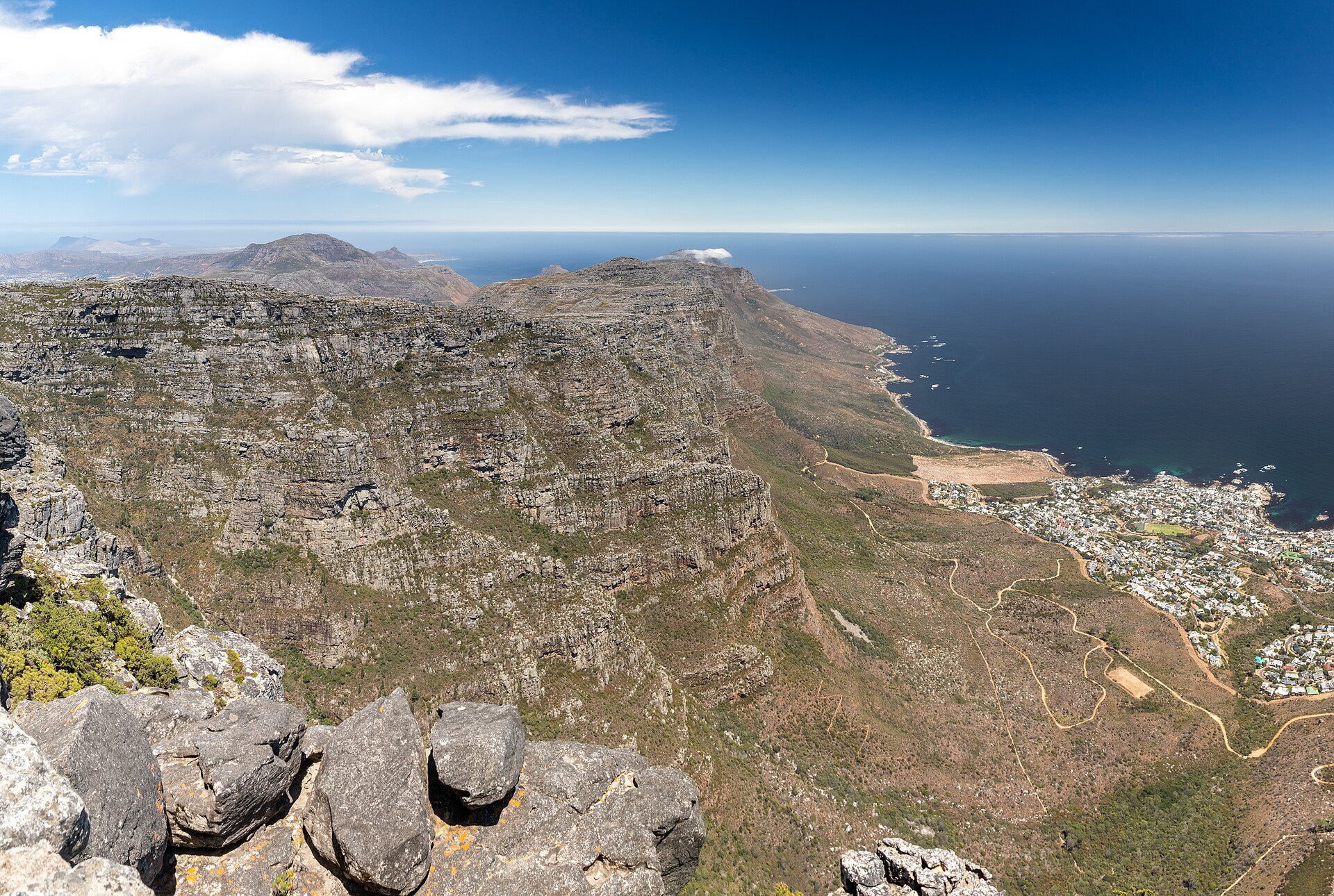
Nine provinces and 2,798 kilometres of coast, running from the South Atlantic round to the Indian Ocean, wrap 1,221,037 square kilometres and more than 63 million people. It has three capitals rather than one, which is fair warning about how spread out everything else is. Cape Town sits under a mountain in the southwestern corner and is the reason most first visits happen; Johannesburg inland is the economic centre and the airport nearly everyone arrives through; Durban on the Indian Ocean coast is the warm-water city. The game reserves are a separate journey again, hours from any of the three.
Reviewed by Elena Voss · Roavina Travel Editor
Every city catalogued in this country so far, ranked by how much there is to see.

Photograph · Diego Delso · CC BY-SA 4.0
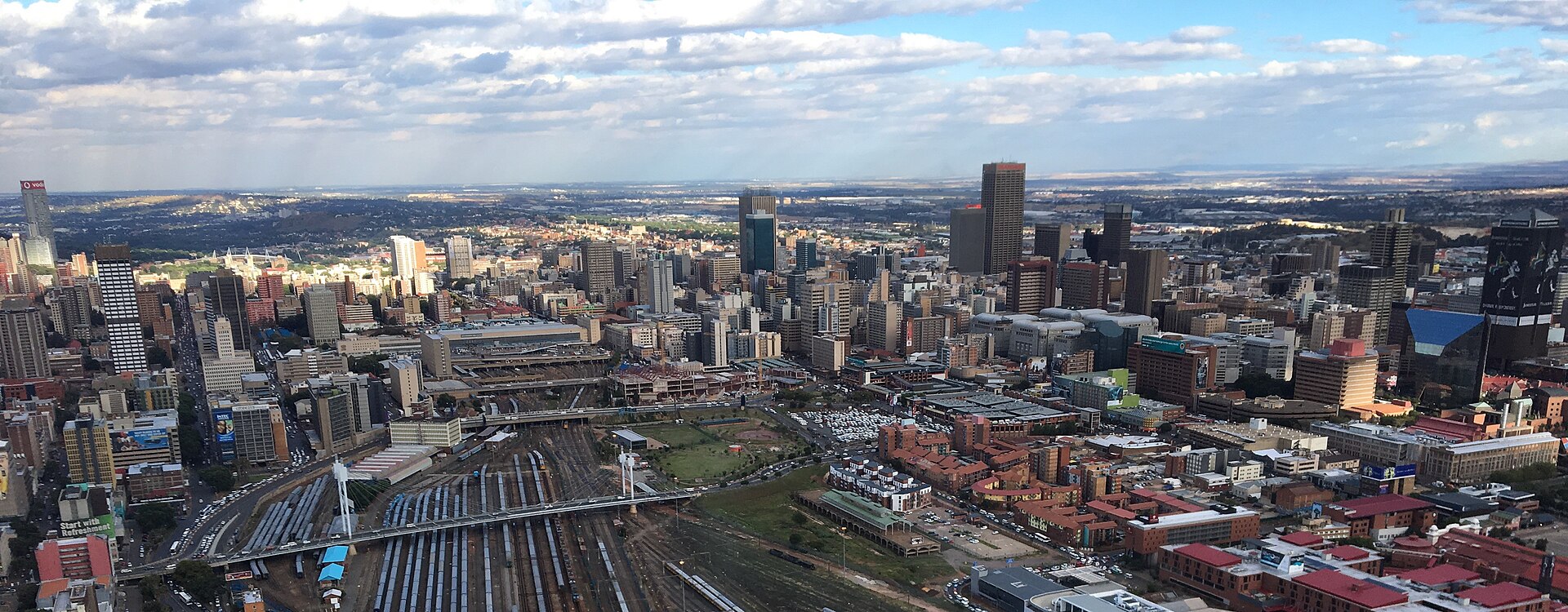
Photograph · Mark Hillary · CC BY 2.0
Ranked by importance — sitelinks, pageviews and heritage status, not editor preference.
42 places match
Category
Typical visit duration
Interests
Robben Island Museum is a UNESCO World Heritage Site located in Table Bay, approximately seven kilometres off the coast of Cape Town.
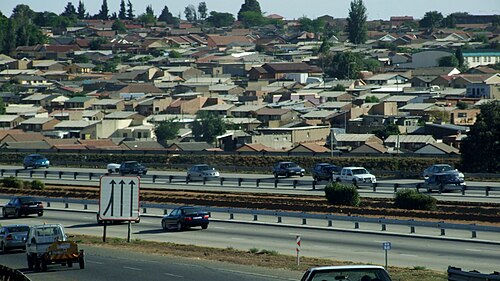
Soweto is a township southwest of Johannesburg, South Africa, established as a segregated residential area during apartheid. It became central to the anti-apartheid struggle, notably the 1976 Soweto Uprising.
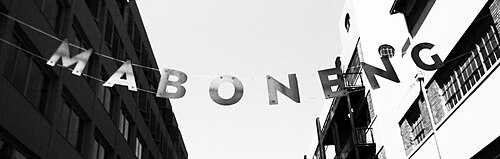
Maboneng
Maboneng Precinct is a regenerated inner-city district in eastern Johannesburg, South Africa. The name means place of light in Sesotho.
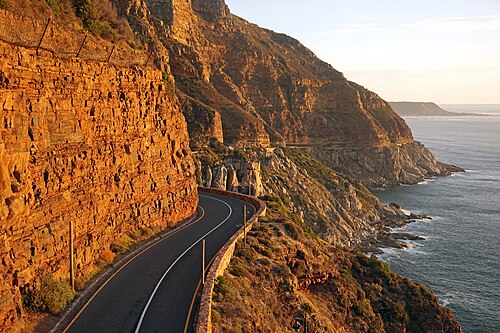
Chapman's Peak Drive is a spectacular coastal road that winds along the Atlantic-facing cliffs between Hout Bay and Noordhoek on the Cape Peninsula. The route is carved into the steep mountainside, offering dramatic ocean views from elevated vantage points.
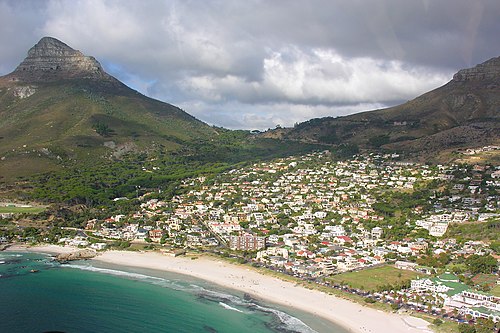
Camps Bay is an Atlantic seaboard suburb of Cape Town, South Africa, distinguished by its wide crescent beach and dramatic mountain scenery.
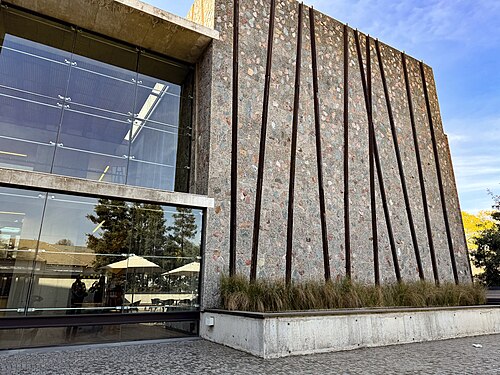
The Johannesburg Holocaust and Genocide Centre is a museum and educational facility located in the Rosebank area of Johannesburg. It examines the Holocaust alongside other genocides globally, with particular attention to South African human-rights history.
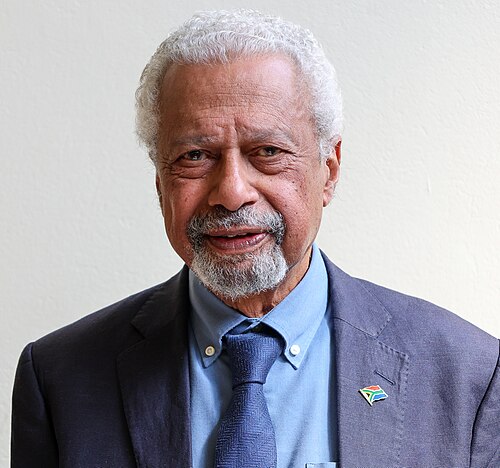
The Nelson Mandela Foundation is an archive, exhibition, and research centre in Houghton, Johannesburg. It preserves and interprets Nelson Mandela’s papers, photographs, personal effects, and public legacy.
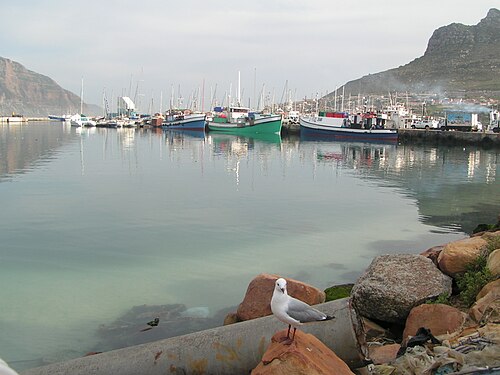
Hout Bay Harbour is a working fishing harbour situated in the coastal suburb of Hout Bay, approximately 20 kilometres south of Cape Town's city centre.
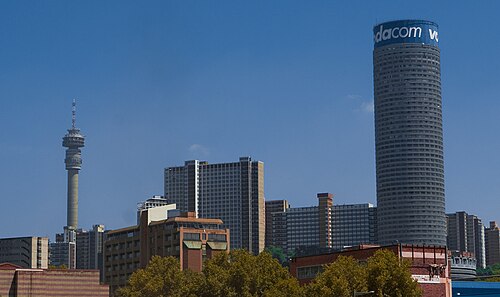
Ponte City
Ponte City Apartments is a cylindrical residential skyscraper in the Hillbrow neighbourhood of Johannesburg, South Africa. Completed in 1975, the 54-storey building was designed by architects Manfred Hermer and Rodney Grosskopff.
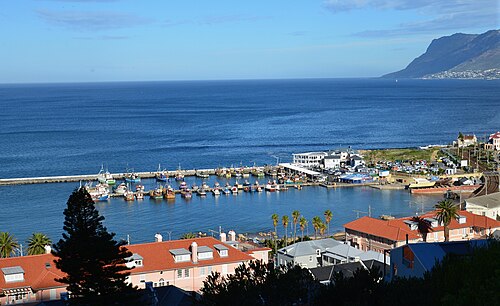
Kalk Bay is a historic fishing village on the False Bay coastline of Cape Town. It retains a working harbour where small-scale fishers still operate, alongside a main road lined with independent businesses.
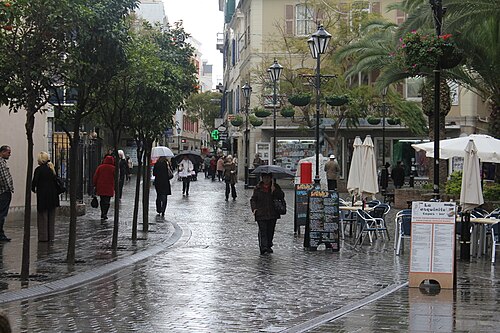
Main Street
Main Street Mining District is a historic corridor in central Johannesburg where the city’s gold-rush origins remain visible in streets, buildings, monuments, and public art.
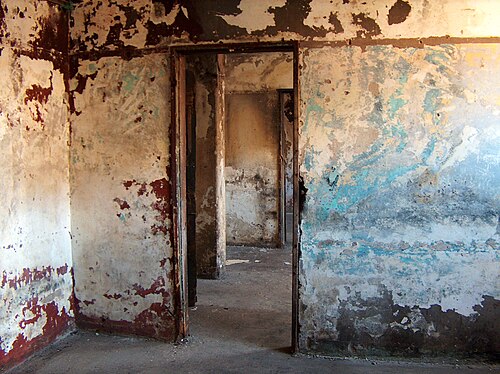
Chancellor House is a modest three-storey building in Johannesburg that served as the law offices of Nelson Mandela and Oliver Tambo from 1952 to 1960.
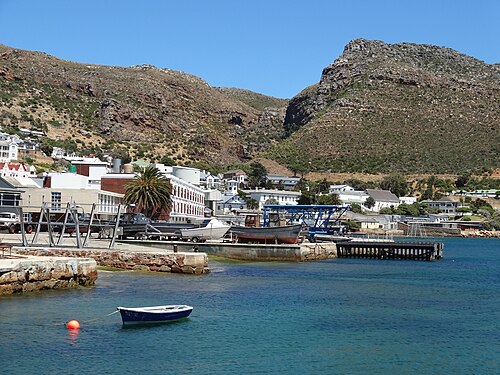
Simon's Town Historic Mile is a heritage walking route through the central area of Simon's Town, a naval town on the False Bay coast of the Cape Peninsula.
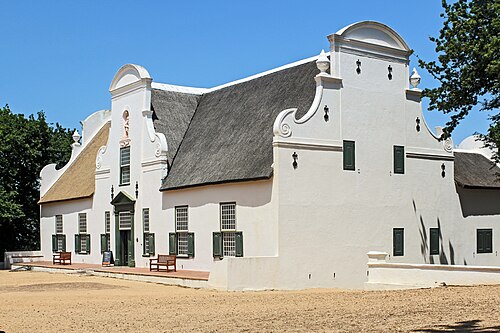
Groot Constantia Manor House
Groot Constantia is a historic wine estate in Cape Town’s Constantia Valley. With origins in the seventeenth century, it combines a working vineyard with Cape Dutch heritage, wine experiences, and grounds suited to a slower half-day visit.

Zeitz Museum of Contemporary Art Africa (MOCAA)
Zeitz MOCAA is a museum of contemporary African art housed in a converted historic grain silo at the V&A Waterfront in Cape Town.
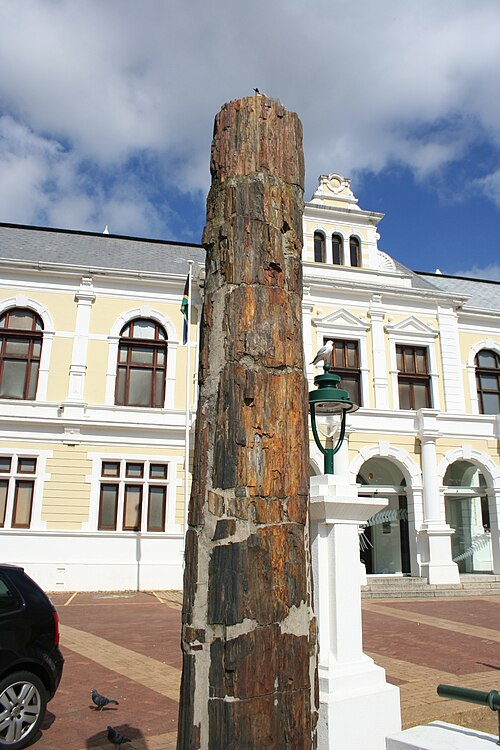
Iziko South African Museum is South Africa's national natural-history museum, situated in Cape Town's historic Company's Garden. Established in the nineteenth century, it holds the status of a flagship heritage institution under the Iziko Museums of South Africa network.
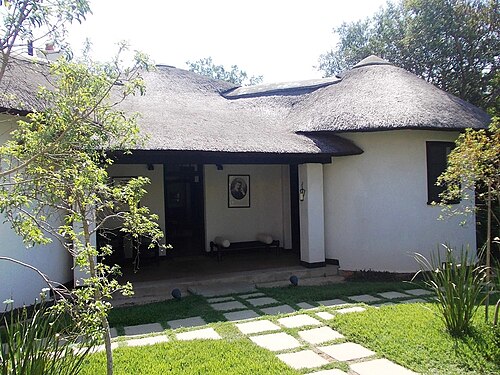
Satyagraha House is a historic residence in Johannesburg where Mohandas Gandhi lived during his early political activism in South Africa. The house is associated with the development of Satyagraha, his philosophy of nonviolent resistance.
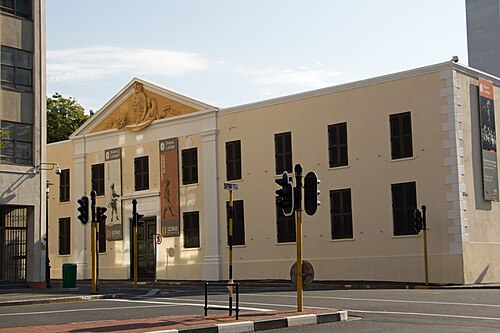
Iziko Slave Lodge
Iziko Slave Lodge is a heritage museum in central Cape Town, housed in one of South Africa’s oldest surviving buildings.
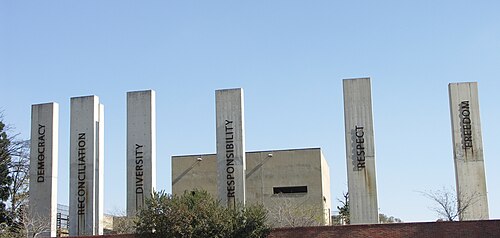
The Apartheid Museum is a Johannesburg museum dedicated to South Africa’s apartheid era and the country’s transition to democracy.
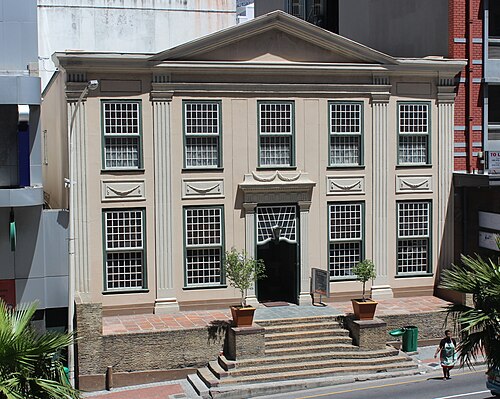
Koopmans-de Wet House is a historic house museum on Strand Street in central Cape Town. It preserves the domestic world associated with Marie Koopmans-de Wet and her sister, prominent figures in nineteenth-century Cape society.
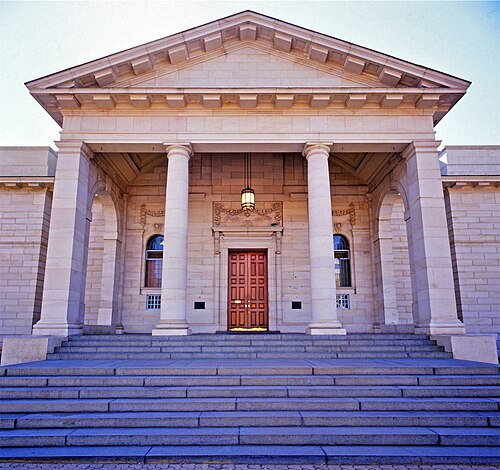
Johannesburg Art Gallery is a public art museum in Joubert Park, in Johannesburg’s inner city.
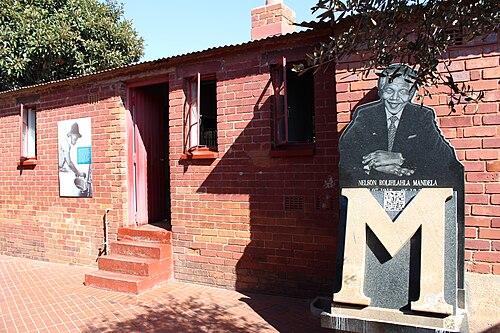
Mandela House is Nelson Mandela’s former home on Vilakazi Street in Orlando West, Soweto. Mandela lived in the house before his imprisonment and returned there briefly after his release in 1990.
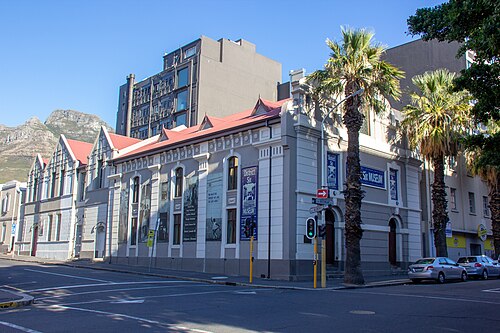
The District Six Museum is a community museum in Cape Town that preserves the memory of District Six, a vibrant multiracial neighbourhood demolished under apartheid-era forced removals.
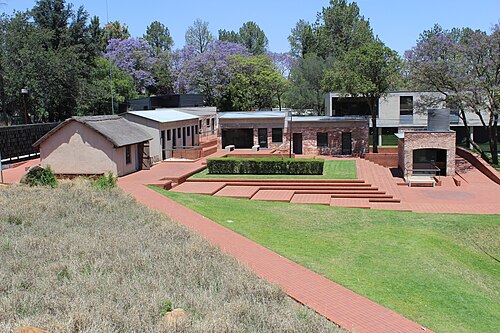
Liliesleaf Farm is a liberation-history museum in Rivonia, northern Johannesburg. The property served as an underground headquarters for the African National Congress during the early 1960s.
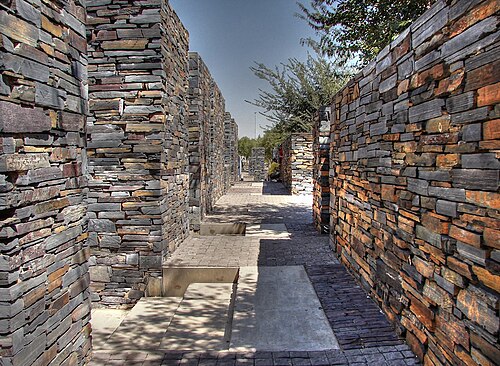
The Hector Pieterson Museum is a memorial museum in Soweto dedicated to the 1976 Soweto uprising.
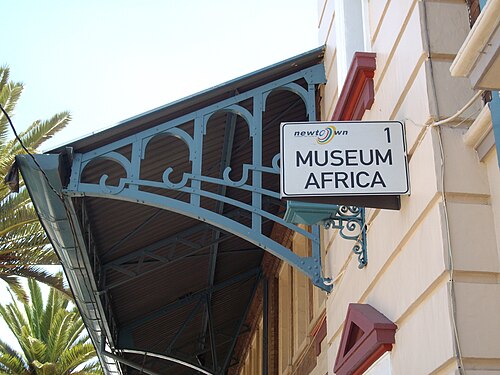
Museum Africa
Museum Africa is a museum in Newtown devoted to the social, cultural, and urban history of Johannesburg and Africa. It places the city within wider African stories of movement, work, community, political change, and cultural expression.
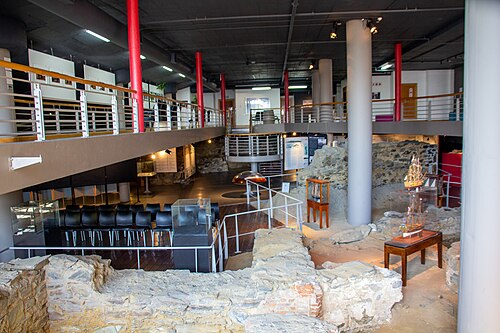
Chavonnes Battery Museum
The Chavonnes Battery Museum preserves exposed eighteenth-century fortifications of the Dutch East India Company at Cape Town's V&A Waterfront. The site reveals original defensive walls and archaeological remains of a coastal battery built to protect Table Bay.
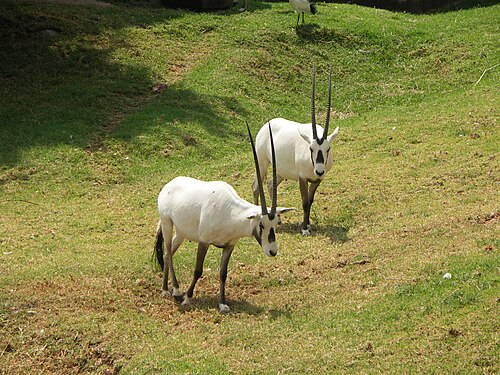
Johannesburg Zoo is a long-established urban zoo located in Johannesburg, South Africa. It stands as one of the city's foremost family attractions, drawing visitors across generations.
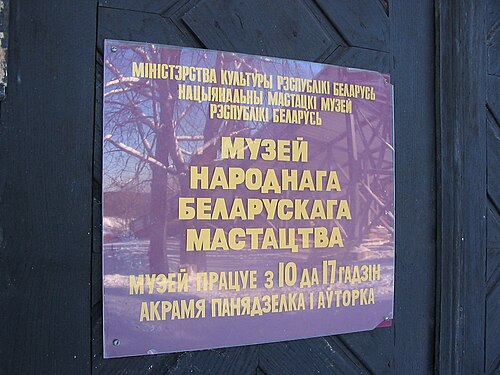
Wits Art Museum is the public art museum of the University of the Witwatersrand in Johannesburg. The museum collects, preserves, and exhibits African and South African art within a university setting.
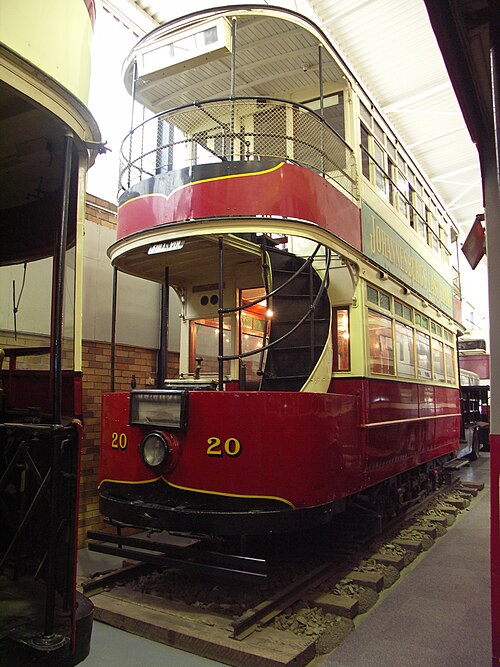
James Hall Museum of Transport
The James Hall Museum of Transport is a Johannesburg museum devoted to the history of transport in South Africa.
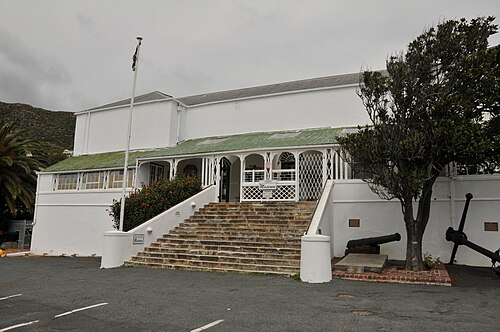
Simonstown Museum
Simon's Town Museum is a local heritage museum in Simon's Town on the eastern side of the Cape Peninsula, about forty kilometres south of Cape Town's central business district.
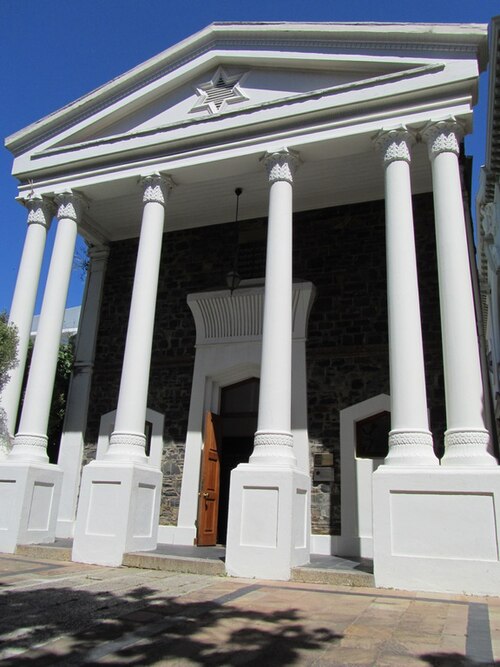
The South African Jewish Museum in Cape Town presents the history and influence of Jewish communities in South Africa. Beside the historic Gardens Synagogue, it connects community memory, migration and religious life with the wider story of the country.
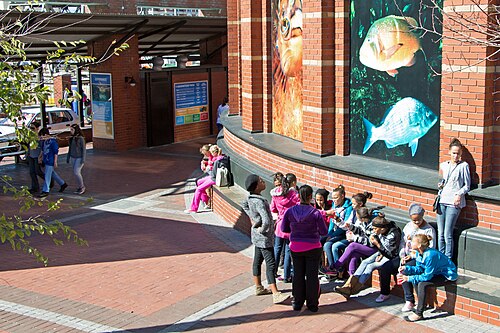
Two Oceans Aquarium is a public aquarium situated at Cape Town's V&A Waterfront. The facility takes its name from the unique marine environment at the southern tip of Africa, where the Atlantic and Indian Oceans converge.
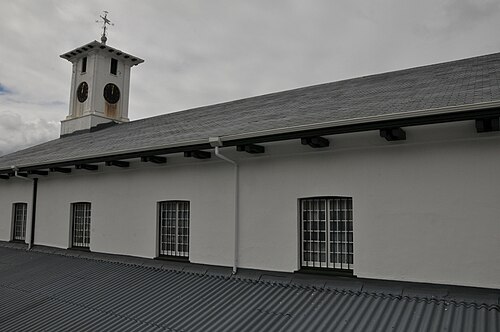
The South African Naval Museum is a military heritage institution located in Simon's Town, the historic home of South Africa's naval base. It occupies buildings within the naval dockyard complex, reflecting the area's longstanding maritime military significance.
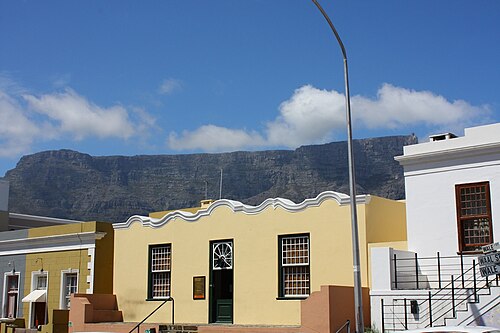
Bo-Kaap Museum
The Bo-Kaap Museum is a historic house museum located in the Bo-Kaap neighbourhood of Cape Town. It occupies one of the area's characteristic nineteenth-century houses, preserving the domestic heritage of a community historically associated with the Cape Malay culture.
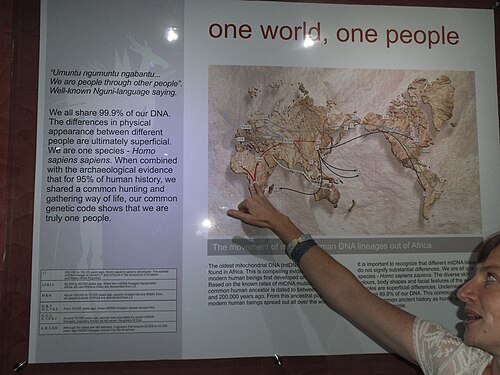
Origins Centre Museum is a museum at the University of the Witwatersrand in Johannesburg. The museum explores human origins, archaeology, rock art, indigenous knowledge, and southern African heritage.
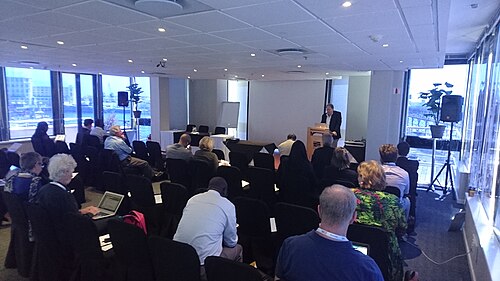
The Cape Town Diamond Museum is a specialist museum located at the V&A Waterfront. It presents South Africa's diamond heritage through exhibits on historical mining operations and the development of diamond cutting craftsmanship.
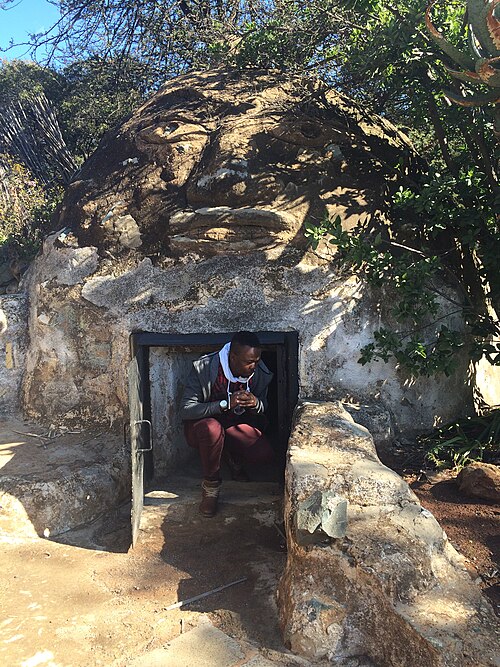
Credo Mutwa Cultural Village is an outdoor sculpture garden and cultural site in Soweto, Johannesburg.
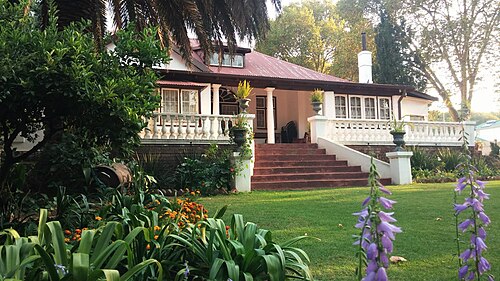
Lindfield Victorian House Museum is a preserved Victorian-era residence in Johannesburg, locally known as Lindfield House.
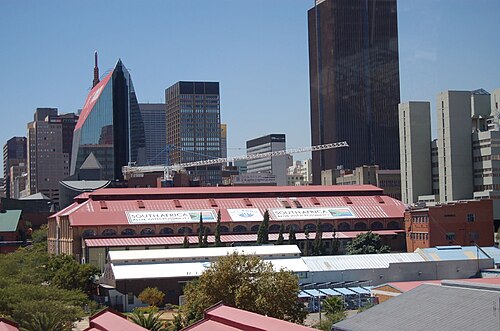
Sci-Bono Discovery Centre is an independently entered science museum located in Newtown, Johannesburg. It operates with its own exhibitions and visitor programme, distinguishing it from other institutions in the precinct.
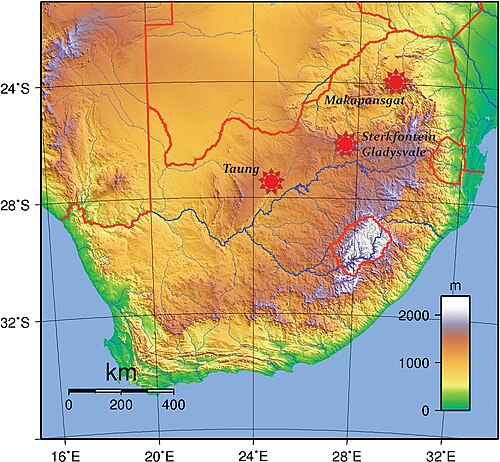
Sterkfontein Caves forms the principal fossil cave system within the Cradle of Humankind, a UNESCO World Heritage Site located northwest of Johannesburg.
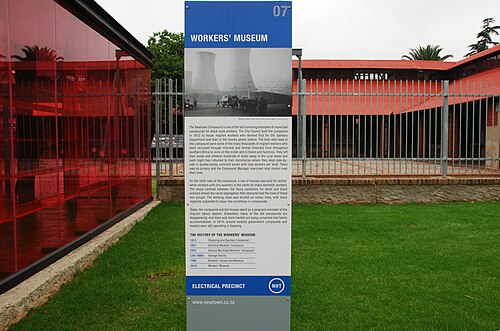
The Workers' Museum occupies a former municipal compound in Newtown, Johannesburg. It preserves the history of migrant labourers who constructed and sustained the mining city from the late 19th century onward.
Source: OpenStreetMap contributors, Wikidata ·
Ten to sixteen days is suitable for one South African region or a two-hub trip. Cape Town, Johannesburg, safari areas and the Garden Route are far enough apart that flights or long road days must be part of the plan.
South Africa’s Department of Home Affairs publishes visa-exempt country information. Confirm the passport-specific rule, allowed stay and any transit requirement there before travel.
Johannesburg and Cape Town are the largest air hubs, with domestic flights connecting major regions. Parks and rural routes often require driving or arranged transfers, and urban public transport differs substantially by city.
March to May and September to November are broad shoulder periods, but Cape weather and inland safari seasons do not follow one calendar. Wildlife goals, road conditions and the chosen coast should determine dates.
South African rand (ZAR) is the recorded currency. National figures for visitor card acceptance and transaction fees are Not recorded; confirm payment and deposit terms with lodges, rental firms and remote operators.
From a mobile phone, 112 is the general emergency route; police use 10111 and ambulance services 10177. South Africa uses Type M and N plugs at 230 V, and tap-water guidance is Not recorded nationally here.