

01
2 hours
Gyeongbokgung Palace
경복궁
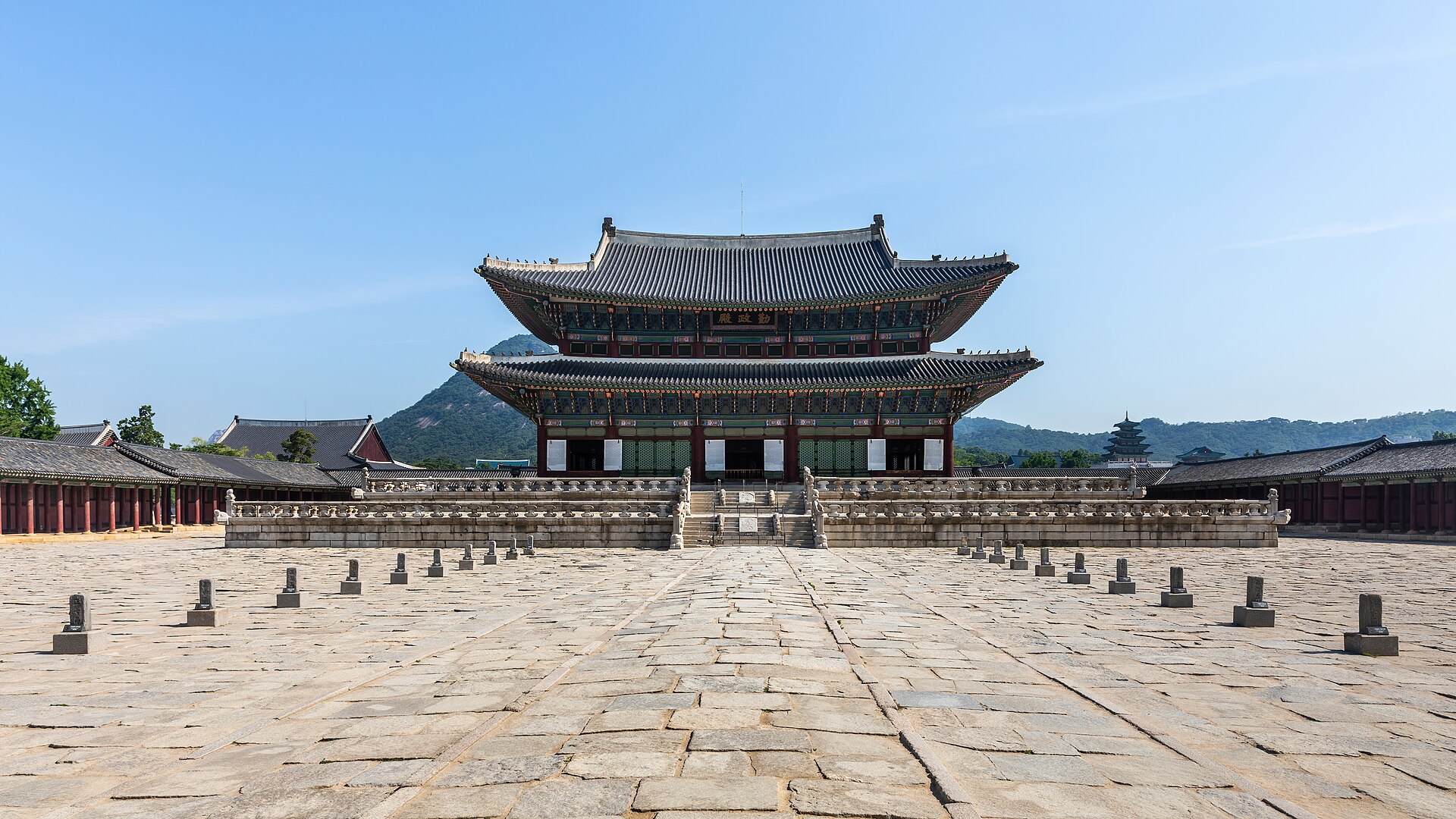
Gyeongbokgung was the first royal palace of the Joseon dynasty, established in 1395 a year after Hanyang, now Seoul, was chosen as the capital.
- Must see
- Historic monument
City guide · South Korea
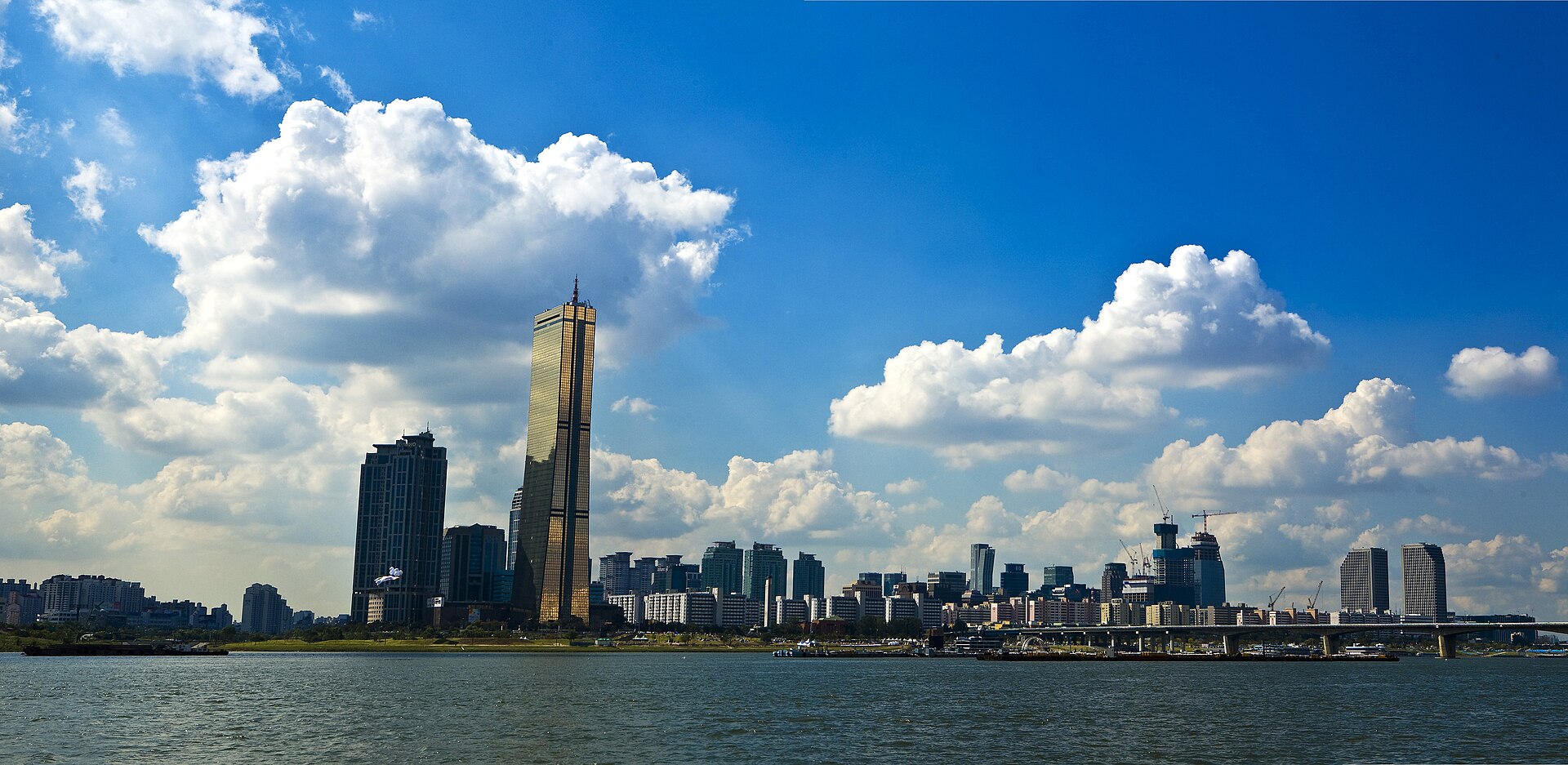
Seoul is South Korea's capital, spread across both banks of the Han River. The historic palace city lies north of the river around Jongno, Gwanghwamun and Namsa...
Photograph · USAGI_POST · CC0
Set your days, your pace and the hours you actually want to be out. The planner works around closing days and travel time, and leaves room to eat.
Reviewed by Elena Voss · Roavina Travel Editor
Seoul is South Korea's capital, spread across both banks of the Han River. The historic palace city lies north of the river around Jongno, Gwanghwamun and Namsan, while later commercial and residential centres extend south into Gangnam and east and west along the metropolitan rail corridors. The city is best approached as linked districts rather than one continuous centre: royal palaces and traditional neighbourhoods, central markets and museums, riverside areas, university quarters, and the newer southern business districts each form practical sightseeing clusters.
Checked 2026-08-26
September · September cools Seoul to a 26.2°C mean high, while rainfall falls to 141.5 mm over 9.1 days.
Ranked by importance — sitelinks, pageviews and heritage status, not editor preference.
5 places match
Category
Typical visit duration
Interests
경복궁
Gyeongbokgung was the first royal palace of the Joseon dynasty, established in 1395 a year after Hanyang, now Seoul, was chosen as the capital.
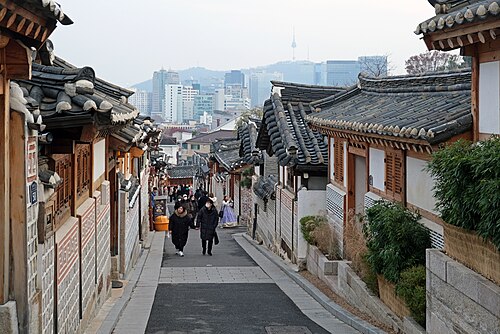
북촌한옥마을 ДЕРЕВНЯ
Bukchon is a lived-in neighbourhood rather than a museum village, and every rule a visitor meets there follows from that one fact.
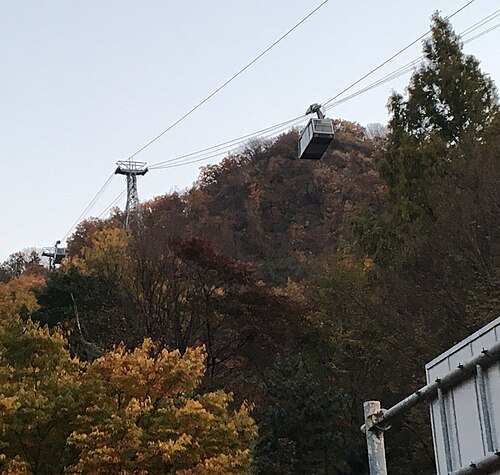
남산서울타워
Namsan Seoul Tower is a working broadcast mast with an observation deck bolted onto it, standing on the summit of Namsan, the wooded hill that sits in the middle of central Seoul.
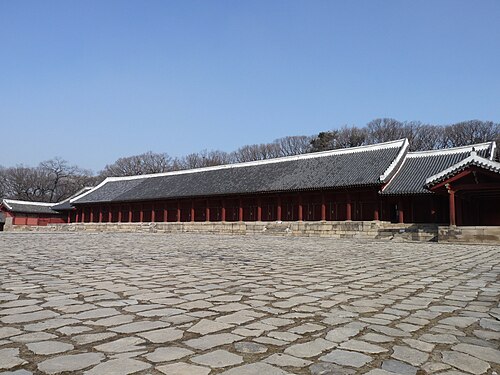
종묘
Jongmyo is the Confucian royal ancestral shrine of the Joseon dynasty, and it is a working ritual precinct rather than a temple or a palace.
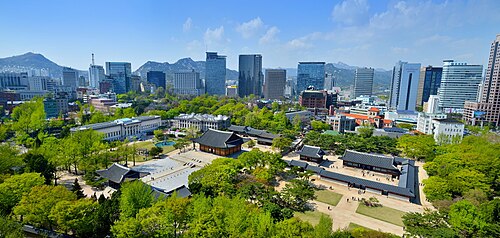
덕수궁
Deoksugung is the palace of the Korean Empire, and the Royal Palaces and Tombs Center's own history of it is unusually blunt about how it became one.
The Han River is the clearest dividing line. North of it, the palace-and-Namsan core includes Gwanghwamun, Jongno, Bukchon, Insadong, Dongdaemun and Myeongdong. Westward, Hongdae and the university districts form another cluster; Yeouido occupies an island in the river. South of the Han, Gangnam, Apgujeong and Samseong are modern commercial areas with their own attractions. Seoul's official visitor maps divide suggested routes into the downtown palace and Namsan area, Apgujeong, Gangnam and Samseong, which is a useful way to avoid repeated cross-city travel.
Checked 2026-08-26
Use the subway as the default between districts and walk within each cluster. Stations and lines are colour-coded, exits are numbered, and major information appears in Korean and English. A Tmoney transport card can be used across the network; single-journey passes are also available from station machines. Buses reach areas beyond convenient rail stops, but the official visitor guide notes that they can be harder for first-time visitors despite colour-coded route types. Check the official transport page for current operating information before travel.
Checked 2026-08-26
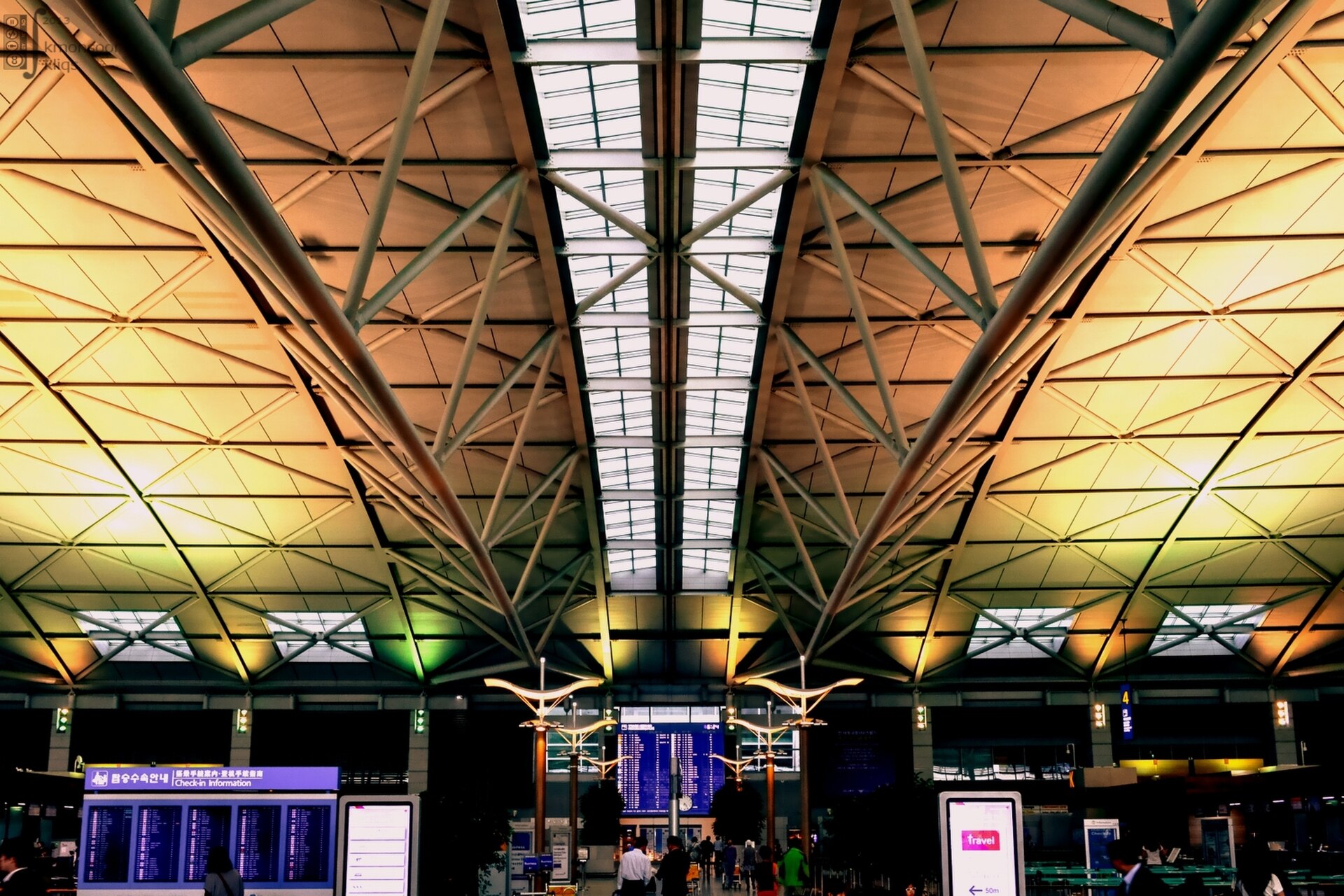
A fixed stay length is not recorded. Allocate time by district: the palace core, central markets and museums, a western neighbourhood such as Hongdae, and the southern districts if they match your interests.
The Han River. The older palace city and Namsan are north of it, while Gangnam, Apgujeong and Samseong form major visitor clusters on the south side.
Yes. Lines are colour-coded, station exits are numbered, and major signs use Korean and English. The official tourism guide recommends the subway as one of the most efficient ways to cross the city.
Use the subway for most cross-city journeys. Buses are useful for areas between stations, but route information can be less intuitive for a first visit even though services are colour-coded.
No. They sit in different city clusters on opposite sides of the Han River. Use the subway between them and reserve walking for the sights within each district.

