
16 min walk
Bonniers konsthall
- High
- Museum
Historic monument · Stockholm
Karlbergs slott
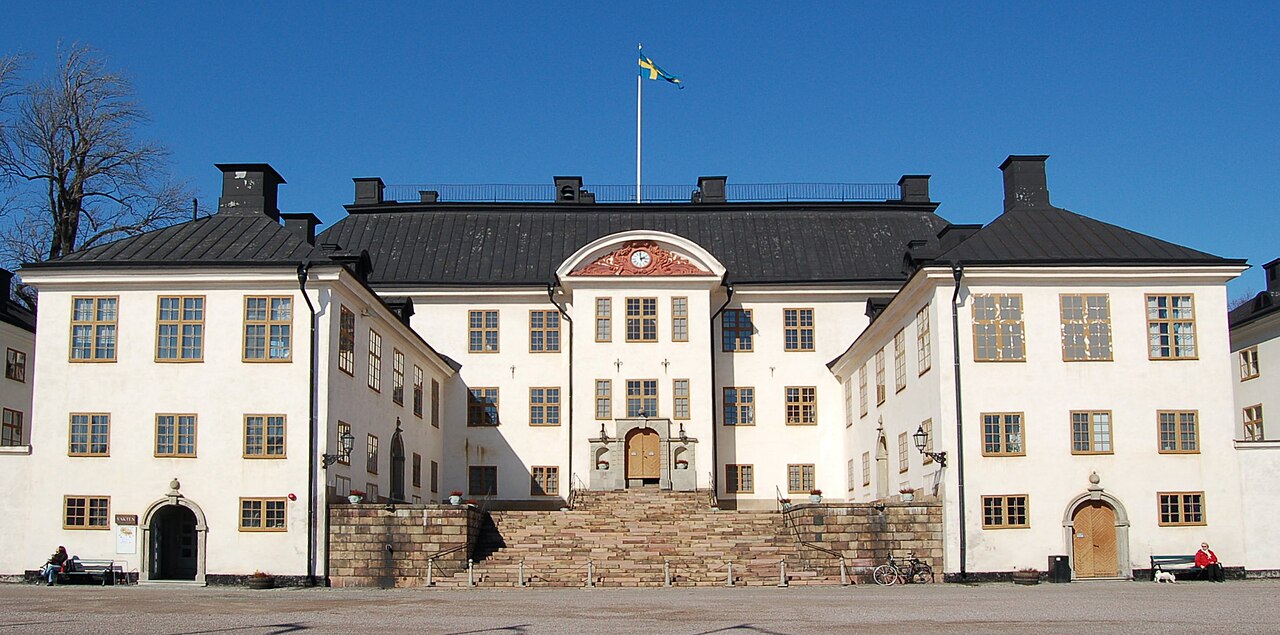
Karlberg Palace, or Karlbergs slott, is a historic palace complex in Stockholm’s Karlberg district beside the water. Its identity is closely tied to the military academy that uses the site, so travelers encounter a working institutional setting rather than a standard palace museum. The building remains valuable as part of Stockholm’s architectural and waterfront landscape. A visit is best understood as an exterior heritage stop: see the palace in context, appreciate its relationship with the water and surrounding city, and respect the institution that continues to operate there. Karlberg Palace, known locally as Karlbergs slott, is a palace complex in Stockholm. The building holds historical significance as a military academy location and retains architectural importance within the city.
Checked 2026-08-26 · Source
Karlberg Palace is not presented here as an ordinary walk-in interior attraction. The military-academic role of the complex shapes what a general visitor can experience, making the exterior, facade, waterfront setting, and surrounding approach the main points of interest. Look at the building as part of Stockholm’s historical landscape rather than expecting furnished rooms or museum galleries. The nearby water adds depth to the view, while the institutional character explains why the palace should be observed with restraint and from appropriate public spaces.
Checked 2026-08-26 · Source
Allow fifteen to thirty minutes for an exterior view, architectural observation, and a few photographs from suitable public vantage points. Add time if you are walking along the nearby water or combining Karlberg Palace with sights in Kungsholmen or Vasastaden. Since the main experience for a general traveler is outside the building, there is little reason to reserve a long museum-style block. The stop works well as a short heritage interlude within a broader Stockholm route, especially when you enjoy architecture and urban waterfront settings.
Checked 2026-08-26 · Source
Plan Karlberg Palace as a daylight outdoor stop, when the facade and its waterfront setting can be seen comfortably. Stockholm’s long summer days make walking and exterior photography easy, while winter offers a colder, quieter atmosphere and can bring snow or limited daylight. The institutional role of the complex means a normal tourist timetable is not the central feature of the visit. Choose a moment that fits the surrounding walk, and leave flexibility for weather and ground conditions along the water.
Checked 2026-08-26 · Source
For a general traveler, Karlberg Palace is primarily an exterior sight in the city’s waterfront landscape, not a conventional ticketed museum visit. The practical focus is reaching an appropriate public viewpoint and appreciating the palace from outside. The military-academic function of the site means interior access is separate from ordinary sightseeing. Build the stop around architecture, water, and context rather than expecting a standard admissions desk or a self-guided palace route. This makes Karlberg Palace a useful low-key addition to a Stockholm walking day.
Checked 2026-08-26 · Source
Karlberg Palace lies in a connected central Stockholm district, with Karlberg railway station providing a nearby rail link. Continue from the station on foot through public streets and paths toward the palace and waterfront surroundings. Walking or cycling along the water can make the approach part of the experience, while buses and the wider city transport network serve the surrounding districts. Treat the palace as an exterior destination and choose your viewing point with the working institutional setting in mind; do not turn entrances or restricted areas into sightseeing targets.
Checked 2026-08-26 · Source
Karlberg Palace is a functioning military-educational institution, so boundaries, entrances, and operational activity deserve particular respect. Stay in public spaces, do not enter areas intended for academy use, and avoid obstructing people who work or study on the site. The waterfront can bring cold, wind, uneven ground, and slippery surfaces, especially in winter. Visitor infrastructure around the palace is limited compared with a major tourist attraction, so plan the stop as a self-contained outdoor observation rather than relying on extensive on-site services.
Checked 2026-08-26 · Source
Photograph Karlberg Palace from suitable public spaces, using the facade, water, and surrounding landscape to show the building in context. Reflections and low seasonal light can add interest to waterfront compositions, while winter conditions create a more austere image. Keep cameras and tripods discreet near the institutional setting, and avoid photographing security-sensitive areas or people at work as subjects. The strongest photographs explain the palace’s character as both historic architecture and part of a living military-academic environment. Respectful distance is essential to the quality and appropriateness of the image.
Checked 2026-08-26 · Source
Karlberg Palace, or Karlbergs slott, is a historic palace complex beside the water in Stockholm’s Karlberg district and a military-academic institutional site.
The main experience is the palace exterior, facade, waterfront setting, and surrounding architectural context viewed from appropriate public spaces.
Allow fifteen to thirty minutes for an exterior visit, adding time if you include a walk along the water or nearby districts.
Karlberg railway station is nearby; from there, continue on foot through public streets and paths toward the palace and its waterfront surroundings.
The complex serves a military academy and remains a working institution, so the general visitor experience centres on exterior observation rather than routine interior touring.
Use public viewpoints, keep equipment discreet, avoid restricted or security-sensitive areas, and do not photograph people at work as subjects without consent.
Loading the interactive map…
The interactive map could not be loaded.
Last updated:
Source: OpenStreetMap contributors, Wikidata ·