
5 min walk
Strindberg Museum
- High
- Museum
Historic monument · Stockholm
Stockholms gamla observatorium
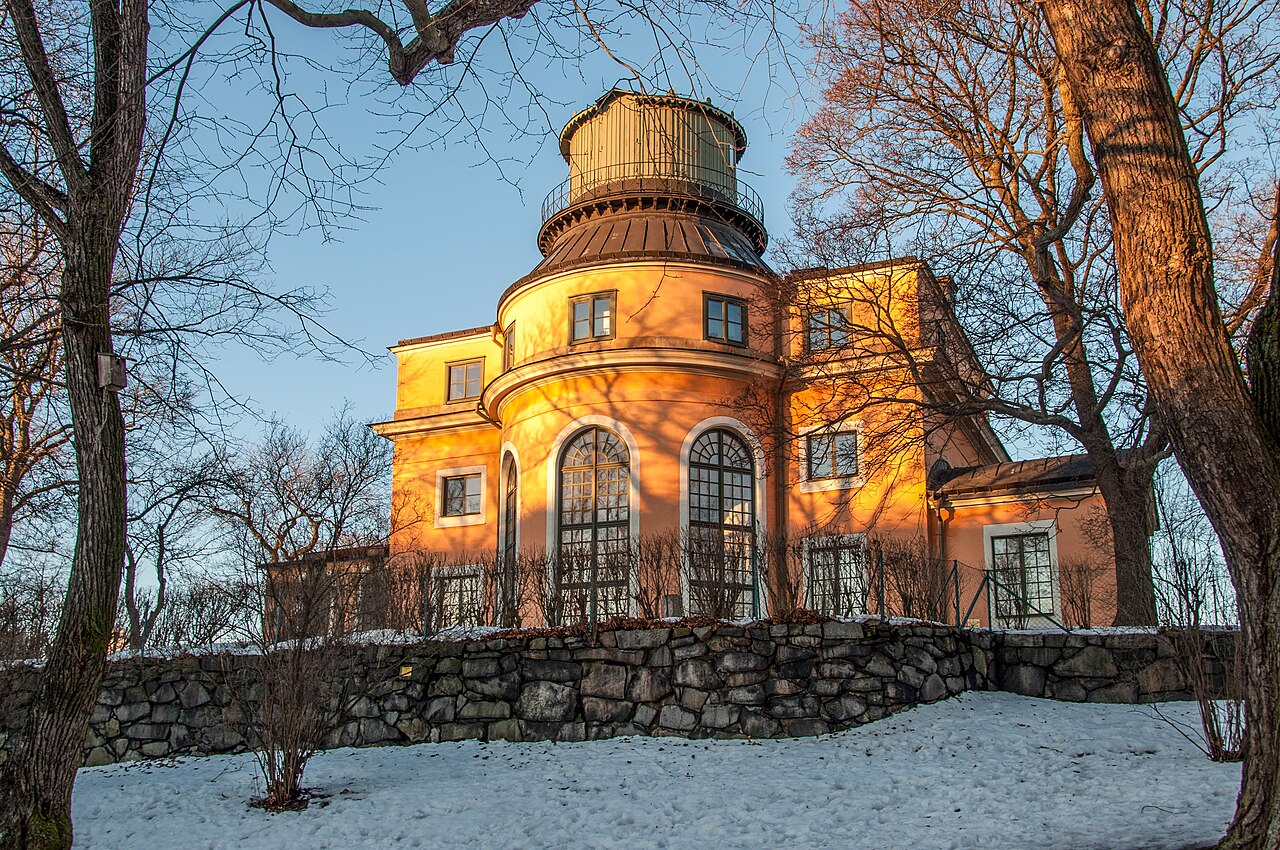
Stockholm Observatory, also known as Stockholms gamla observatorium, is a historic astronomical facility in Stockholm. It belongs on a city walk for travellers interested in science, architecture and the intellectual history of Sweden. The observatory represents an earlier era of astronomical research and gives the city a landmark connected with observing the sky rather than displaying art or royal life. See it as a heritage-focused stop: its appeal comes from the relationship between the building, scientific memory and Stockholm's urban setting. Stockholm Observatory, known locally as Stockholms gamla observatorium, is a historic astronomical facility in Stockholm. The building represents an important era of scientific research in Sweden. As an old observatory, it stands as a monument to the country's contributions to astronomy and celestial observation. The local name Stockholms gamla observatorium suggests it is an old observatory, implying historical rather than current scientific use, but active status is not confirmed.
Checked 2026-08-26 · Source
The observatory's significance is tied to spaces created for astronomical observation and scientific work. As you look at the site, focus on the character of a former research environment: an observatory was built around instruments, careful calculation and the study of the sky. The guide supports the place as a historic scientific landmark, not as a promise of a modern planetarium programme. If interior areas are available during your visit, approach them as part of the building's scientific heritage and give the architecture time to register.
Checked 2026-08-26 · Source
Allow around thirty minutes for an exterior-focused visit to Stockholm Observatory. That gives you time to take in the building, its historic character and its connection with Stockholm's scientific past. If you can enter accessible interior areas or join a heritage-focused visit, give yourself longer. The observatory is compact enough to fit beside other city sights, so it works well as one stop in a walking route rather than a full-day destination. Keep the pace flexible and let your interest in astronomy determine how long you stay.
Checked 2026-08-26 · Source
Visit Stockholm Observatory in daylight when you want to read the building as a historic landmark and enjoy its architectural setting. Summer brings long Nordic days and makes a longer city walk comfortable, while winter gives the observatory a sharper, more austere atmosphere in shorter daylight. Spring and autumn can suit travellers who prefer cooler walking conditions. Treat the site as a historical observatory rather than planning it around night-sky viewing. Its place in a wider Stockholm route matters more than trying to make it a standalone evening event.
Checked 2026-08-26 · Source
Plan Stockholm Observatory as a heritage sight whose main value is the building and its scientific association, while keeping your ticket budget flexible because no current admission amount is included here. Do not build the day's finances around a specific fee. Instead, place the observatory alongside other Stockholm sights and decide how much time you want to give the historic setting. If access is limited to the exterior, the stop still works as a concise architectural and science-history encounter within a broader route.
Checked 2026-08-26 · Source
Use the observatory's Stockholm location as one point in a central walking or public-transport route. The city has an extensive network of buses, metro services and regional trains, so plan the approach together with the other places on your day rather than making a separate cross-city journey. Once nearby, allow time to walk through the urban surroundings and take in the setting around the historic building. A route that links science, architecture and cultural sights will give this compact stop its strongest context.
Checked 2026-08-26 · Source
Approach Stockholm Observatory as a heritage building, where stairs, uneven surfaces or restricted areas may shape the visit. Wear shoes suitable for ordinary urban walking and take care around older architectural features. Stockholm's weather can change quickly, so a layer that handles wind or rain is useful on a route that includes outdoor time. Keep clear of boundaries and treat the scientific setting respectfully. Because the attraction is compact, combine it with nearby sights without rushing from one stop to the next.
Checked 2026-08-26 · Source
The observatory is a good subject for photographs that connect architecture with Stockholm's scientific history. Start with the exterior and frame the building within its urban surroundings rather than treating it as an isolated object. Daylight is especially useful for reading the structure's forms and details. Inside, follow the rules of any accessible area and keep equipment unobtrusive. Let the photograph support the visit: spend time noticing the observatory's character, then capture a few considered images before continuing through the city.
Checked 2026-08-26 · Source
It is a historic astronomical facility in Stockholm, also known as Stockholms gamla observatorium, connected with Sweden's scientific and astronomical heritage.
It is known as a historic site associated with astronomical observation and an earlier period of scientific research in Sweden.
Allow about thirty minutes for an exterior-focused visit, and more time if accessible interior areas or a heritage visit form part of your plans.
Daylight is best for appreciating the historic building and its architectural setting; summer also suits a longer walking route through Stockholm.
It adds a science-history and architecture perspective to Stockholm, especially for travellers who enjoy historic research sites and educational landmarks.
Wear comfortable shoes for urban walking and bring a layer suitable for Stockholm's changeable weather, especially when the visit forms part of an outdoor route.
Loading the interactive map…
The interactive map could not be loaded.
Last updated:
Source: OpenStreetMap contributors, Wikidata ·