.jpg)
1 min walk
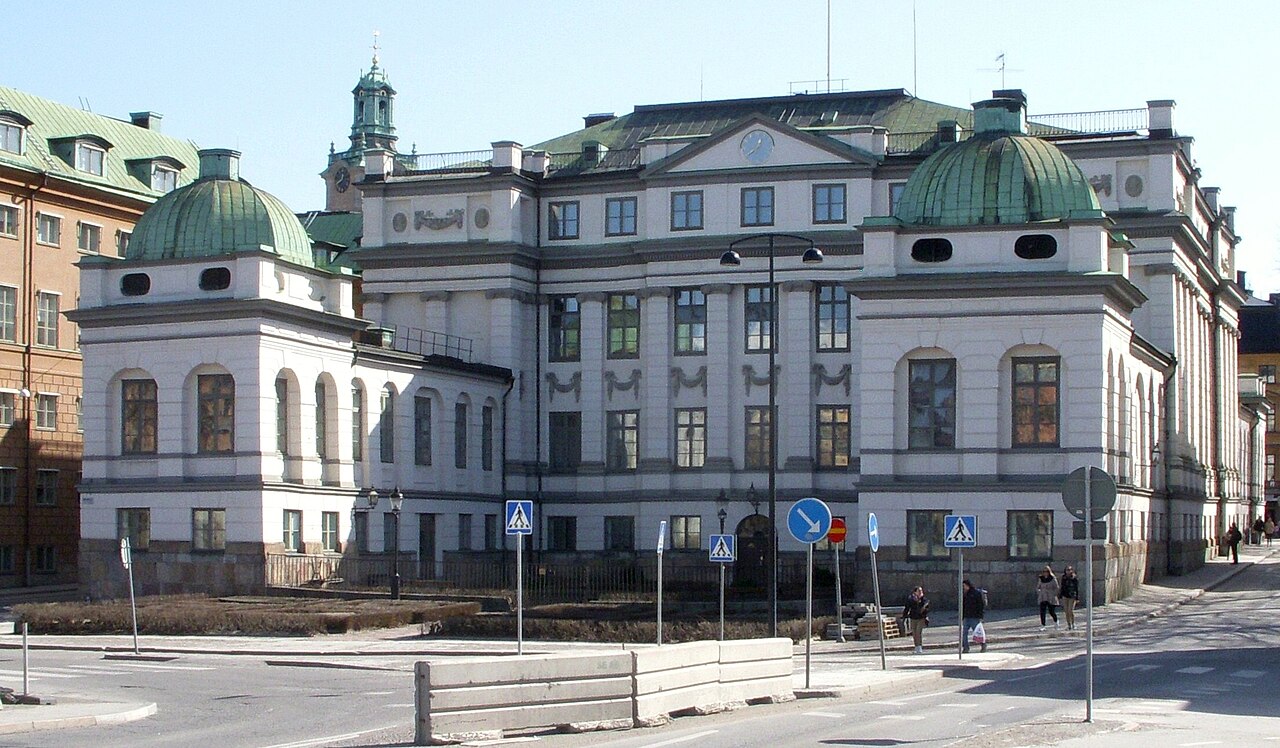
Bonde Palace
- High · Heritage site
- Historic monument
Historic monument · Stockholm
Riddarhuset
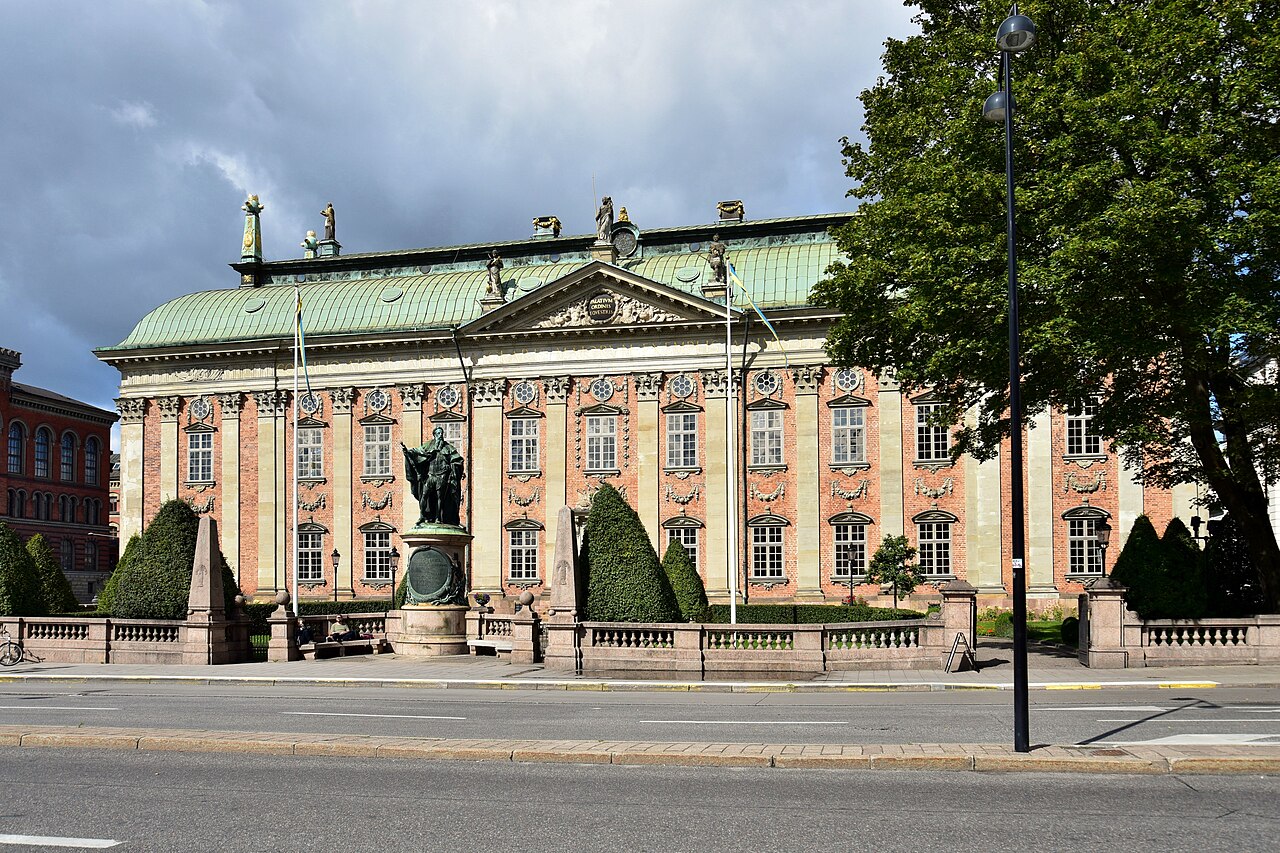
The Swedish House of Nobility, known in Stockholm as Riddarhuset, is a historic institution and building in Gamla Stan. It is associated with Sweden's noble families, their records, and the country's earlier system of estate-based political representation. The building remains connected to living noble families and institutional work, so its character differs from that of a conventional museum created solely for sightseeing. Travelers interested in heraldry, genealogy, constitutional history, and historic architecture will find the exterior and institutional identity especially relevant during a walk through Stockholm's Old Town.
Checked 2026-08-26 · Source
The building contains a grand session hall connected with historic noble assemblies, along with heraldic displays, portraits, coats of arms, and archives relating to Swedish noble houses. Genealogical records and family histories form an important part of its identity. Travelers should distinguish the building's historical interiors and institutional collections from a standard museum gallery: the site also serves ongoing ceremonial and archival purposes. The experience centers on the relationship between architecture, heraldry, and Sweden's social history. If access is available, look closely at the decorative details that express family lineage and institutional tradition.
Checked 2026-08-26 · Source
The time needed at the Swedish House of Nobility depends on the access available and your interest in the subject. A traveler viewing the exterior during a Gamla Stan walk may need only a short pause. An interior visit, when available, can take longer because the session hall, heraldic material, portraits, and architectural details reward careful attention. Genealogy enthusiasts may devote substantially more time to the archives than a casual visitor. Plan this stop flexibly alongside the rest of your Old Town route, allowing enough time for respectful observation without treating the active institution like a rapid photo stop.
Checked 2026-08-26 · Source
The Swedish House of Nobility is an active institutional venue, so the visitor experience can differ from a museum with a fixed sightseeing rhythm. Ceremonies, noble assemblies, archival work, and administrative activity are part of the building's identity and may shape how visitors encounter it. Exterior viewing fits naturally into a Gamla Stan walk in any season, while Stockholm's daylight and weather influence architectural photography. Summer provides longer light for the surrounding historic streets; winter brings shorter days and colder conditions. The building's ceremonial and archival character makes a calm, respectful approach appropriate whenever you visit.
Checked 2026-08-26 · Source
The Swedish House of Nobility is not presented as a conventional attraction with a simple everyday ticketing model. Its principal identity is institutional, with ceremonial, archival, and historical functions. Exterior viewing from the surrounding Gamla Stan streets is part of the public urban experience. Interior access, archive consultation, or special cultural programming may follow arrangements distinct from ordinary museum admission. Travelers should therefore treat the building as a historic institution first and a visitor stop second. Its architectural setting can still enrich an Old Town itinerary even when the interior is not part of the visit.
Checked 2026-08-26 · Source
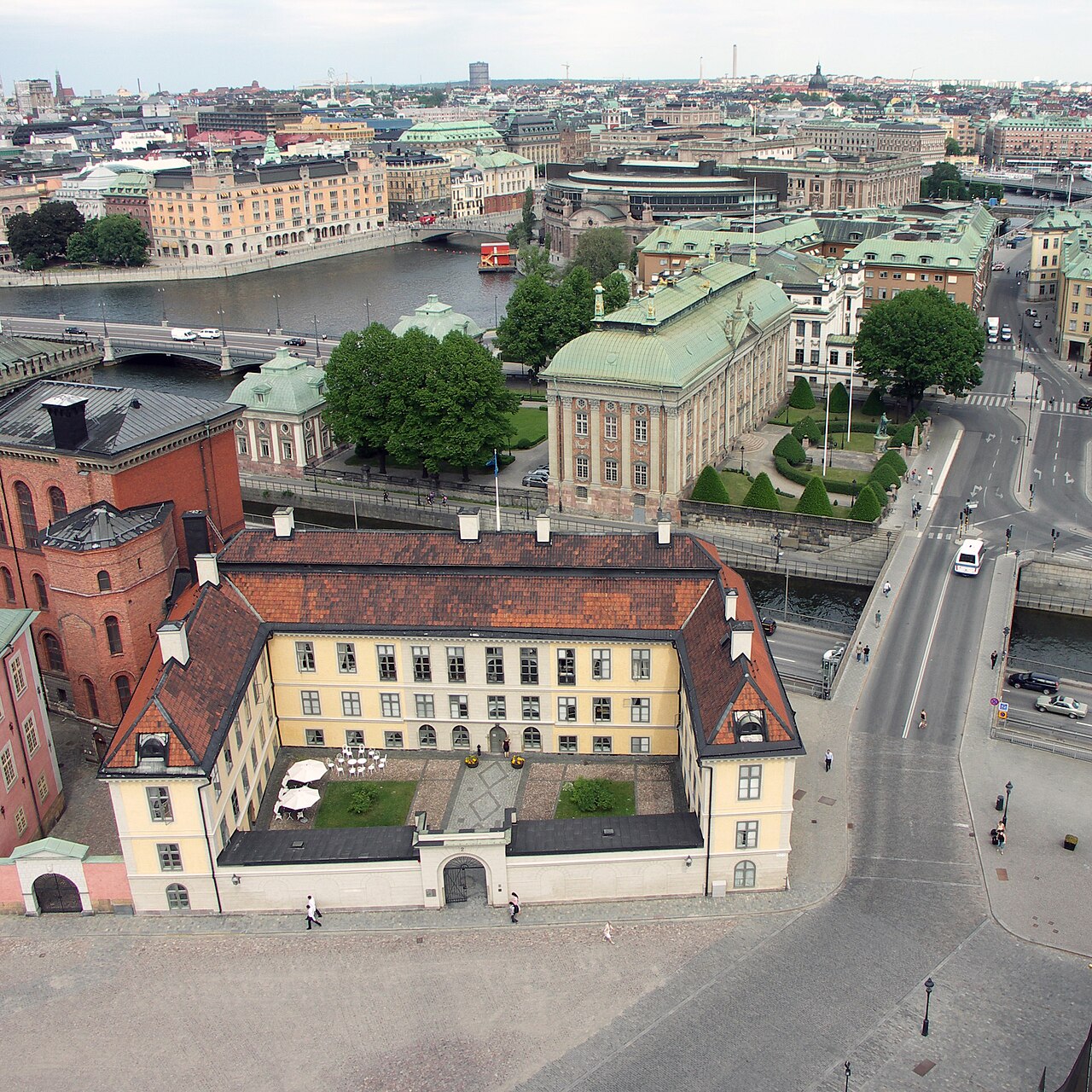
The Swedish House of Nobility is in Gamla Stan, Stockholm's historic Old Town on the central island. Gamla Stan metro station is served by the Red and Green lines, and buses operate in the surrounding central area. From Stockholm Central Station, travelers can walk across the bridges into the Old Town or combine walking with public transport. Once on the island, the compact historic street network makes exploration on foot the natural way to reach the building and continue toward nearby landmarks. Cobblestones and older street layouts shape the route, so allow time for a slower walk.
Checked 2026-08-26 · Source
The Swedish House of Nobility is a functioning institution, not simply a visitor-oriented museum. Keep voices low, follow any directions given at the entrance, and give priority to ceremonies, staff work, and archival activity. The building's historical records and noble-family material make respectful behavior particularly important. Inside Gamla Stan, cobblestones can make walking slower and less comfortable, especially in unsuitable footwear or poor weather. Do not expect the full range of museum amenities at this institutional site. The surrounding Old Town is busy, so combine careful navigation with patience around narrow streets and pedestrian traffic.
Checked 2026-08-26 · Source
The exterior of the Swedish House of Nobility can be photographed from public streets as part of the Gamla Stan streetscape. Use the building's façade, historic surroundings, and relationship with nearby streets for architectural compositions. Interior photography should be treated with care because the building contains archives, heraldic records, and active institutional spaces. Ask before photographing indoors, and avoid flash or equipment that disrupts ceremonies and other visitors. Tripods and commercial photography need particular consideration in narrow Old Town routes. A respectful documentary approach will capture the building's character better than a hurried image made without regard for its ongoing function.
Checked 2026-08-26 · Source
Riddarhuset is a historic building and institution in Gamla Stan associated with Sweden's noble families, heraldry, archives, and earlier estate-based political representation.
The building connects architecture with Swedish noble history through heraldic displays, portraits, coats of arms, genealogical records, and family histories.
It is in Gamla Stan, Stockholm's historic Old Town, within the central island's compact network of historic streets.
Yes. The building can be viewed from the surrounding public streets of Gamla Stan and included in an Old Town walking route.
It remains an active institution with ceremonial, archival, and administrative functions in addition to its historical significance.
Use quiet, respectful behavior and give priority to ceremonies, staff work, and archival activity because the building continues to function as an institution.
Loading the interactive map…
The interactive map could not be loaded.
Last updated:
Source: OpenStreetMap contributors, Wikidata ·