
1 min walk
Cepheus 25
- High · Heritage site
- Historic monument
Language · 11 published
Historic monument · Stockholm
Tessinska palatset
Reviewed by Elena Voss · Roavina Travel Editor
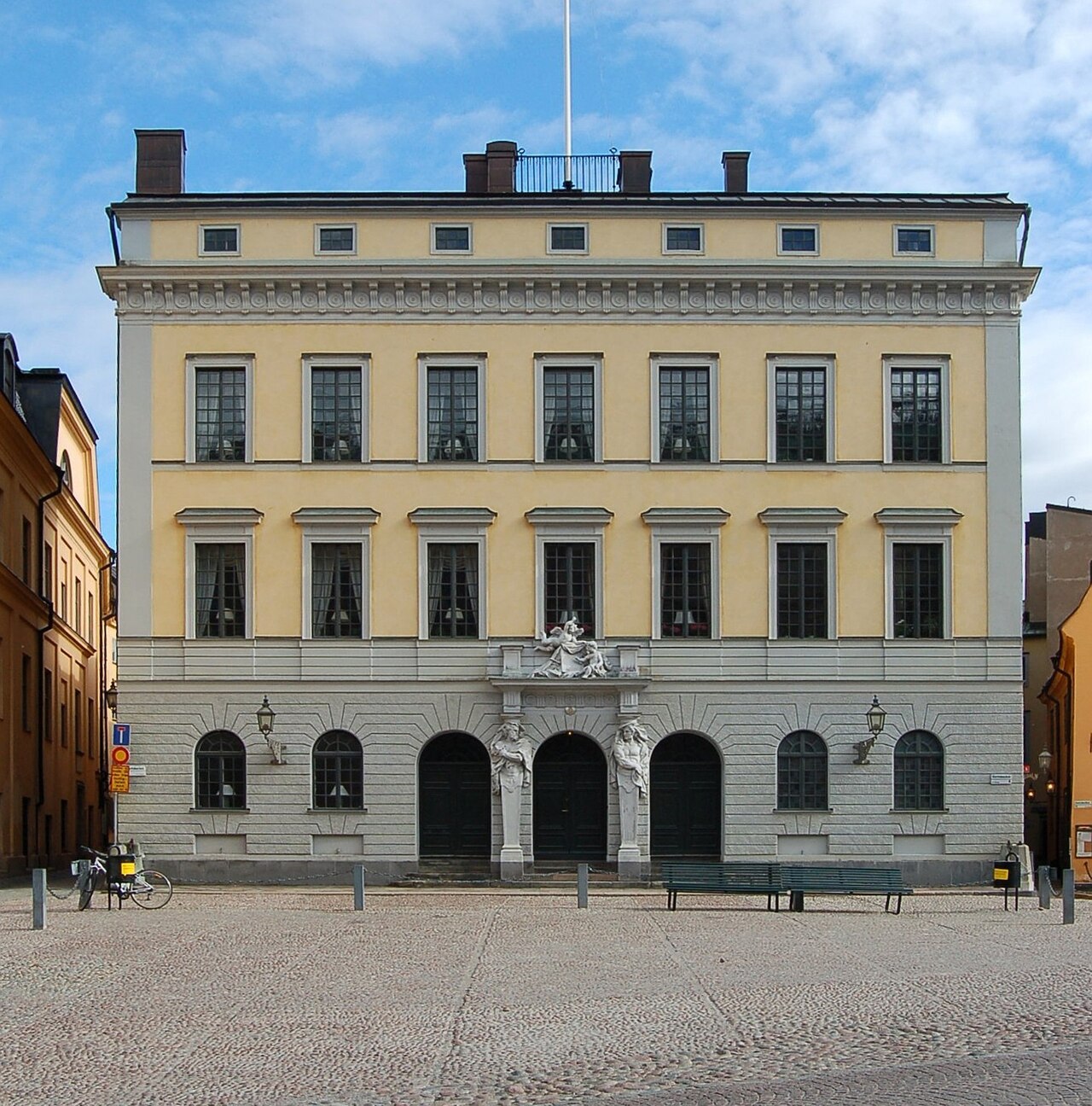
It was established in 1701. It was built in the baroque architecture style. It was designed by Nicodemus Tessin the Younger. It carries the governmental listed building complex heritage designation.
Tessin Palace stands in Stockholm’s Gamla Stan and was designed by Nicodemus Tessin the Younger as his private residence. The building represents Swedish Baroque architecture and reflects the ambitions of one of Sweden’s leading court architects. Its dense Old Town setting makes it part of a layered historic streetscape, where medieval lanes, noble residences, and later civic buildings sit close together. The palace is chiefly an architectural and historical landmark. Tessin Palace is a historic palace in Stockholm's Gamla Stan, the Old Town. Designed by architect Nicodemus Tessin the Younger, it was constructed as his private residence. The building exemplifies Swedish Baroque architecture and represents an important period in Stockholm's architectural development. The palace stands as a significant cultural monument in Sweden's capital, reflecting the tastes and status of its architect-owner who served as court architect. Its location in the dense medieval core of Stockholm makes it part of the historically layered urban fabric that attracts visitors to Gamla Stan.
Checked 2026-08-26 · Source
Tessin Palace is known for elaborate Baroque decoration, including period rooms, stucco work, and painted ceilings associated with its original residential design. These details express the taste and technical confidence of Nicodemus Tessin the Younger. The palace is not a conventional museum route with a guaranteed sequence of rooms for every visitor. Its principal public value lies in understanding the preserved architectural character and the role of a grand private residence within Gamla Stan. The interior of Tessin Palace contains elaborate Baroque decorations that were designed to showcase the architect's skill and sophistication. The building features period rooms with decorative schemes typical of the era, including stucco work and painted ceilings. As a private residence turned significant historic property, the palace preserves architectural details from its original construction period. Visitors interested in Swedish Baroque interior design would find the decorative elements noteworthy. The specific current state of furnishings and accessible rooms depends on operational decisions by the managing authority, which maintains the property as part of Sweden's cultural heritage.
Checked 2026-08-26 · Source
Plan Tessin Palace as a short architectural stop within a Gamla Stan walk. An exterior-focused visit can fit into roughly fifteen to thirty minutes, while any interior access would make the visit longer according to the rooms available. The surrounding Old Town deserves substantially more time, with narrow lanes and nearby historic buildings rewarding a slow route. This palace is best paired with other central Stockholm landmarks.
Checked 2026-08-26 · Source
Visit during daylight if your priority is the façade, street setting, and architectural photography. Gamla Stan remains a walkable district throughout the year, but winter darkness, cold, ice, and snow can make the approach less comfortable. Tessin Palace is a restricted historic property rather than a museum with a simple daily visitor rhythm, so treat it as one element of an Old Town walk rather than the day’s sole destination.
Checked 2026-08-26 · Source
The practical sightseeing experience is therefore centred on its historic setting and architectural character in Gamla Stan. Keep separate budget space for museums and other ticketed attractions elsewhere in the Old Town. Do not treat a walk past the palace as requiring a museum admission ticket.
Checked 2026-08-26 · Source
Gamla Stan metro station is the straightforward public-transport approach. From the station, continue on foot through the Old Town’s compact medieval street network toward the palace. Buses serve the surrounding central districts, and ferries reach nearby quays. Visitors already walking through Gamla Stan can include Tessin Palace naturally among the district’s historic buildings. Narrow passages and cobblestones make walking the final approach an essential part of the experience.
Checked 2026-08-26 · Source
Tessin Palace is not a conventional tourist facility, so respect the distinction between a historic landmark and an open museum. Follow signs and any on-site instructions, and do not enter residential or institutional areas without permission. Gamla Stan’s cobbles and narrow lanes can be difficult in wet, icy, or crowded conditions. Keep your pace considerate in busy passages, and treat the building’s heritage fabric and any continuing functions with care.
Checked 2026-08-26 · Source
The façade and surrounding Gamla Stan streets provide the most accessible photographic subjects. Frame the palace with the Old Town’s narrow lanes to show how the Baroque residence fits into Stockholm’s compact historic core. Work without obstructing pedestrians, particularly where the street narrows. If interior access is available, follow the instructions in that space and avoid flash around decorative surfaces. The building’s period architecture rewards detail shots as well as wider contextual views.
Checked 2026-08-26 · Source
It is Nicodemus Tessin the Younger’s former private residence and an important example of Swedish Baroque architecture.
Nicodemus Tessin the Younger designed the palace as his private residence.
Use Gamla Stan metro station, then walk through the Old Town’s historic street network.
The palace is associated with Baroque period rooms, stucco decoration, and painted ceilings.
Allow roughly fifteen to thirty minutes for an exterior-focused stop, then continue through Gamla Stan.
Yes. The palace stands within Stockholm’s historic Old Town and fits naturally into a walking tour of the district.
Loading the interactive map…
The interactive map could not be loaded.
Last updated:
Source: OpenStreetMap contributors, Wikidata ·