.jpg)
.jpg)


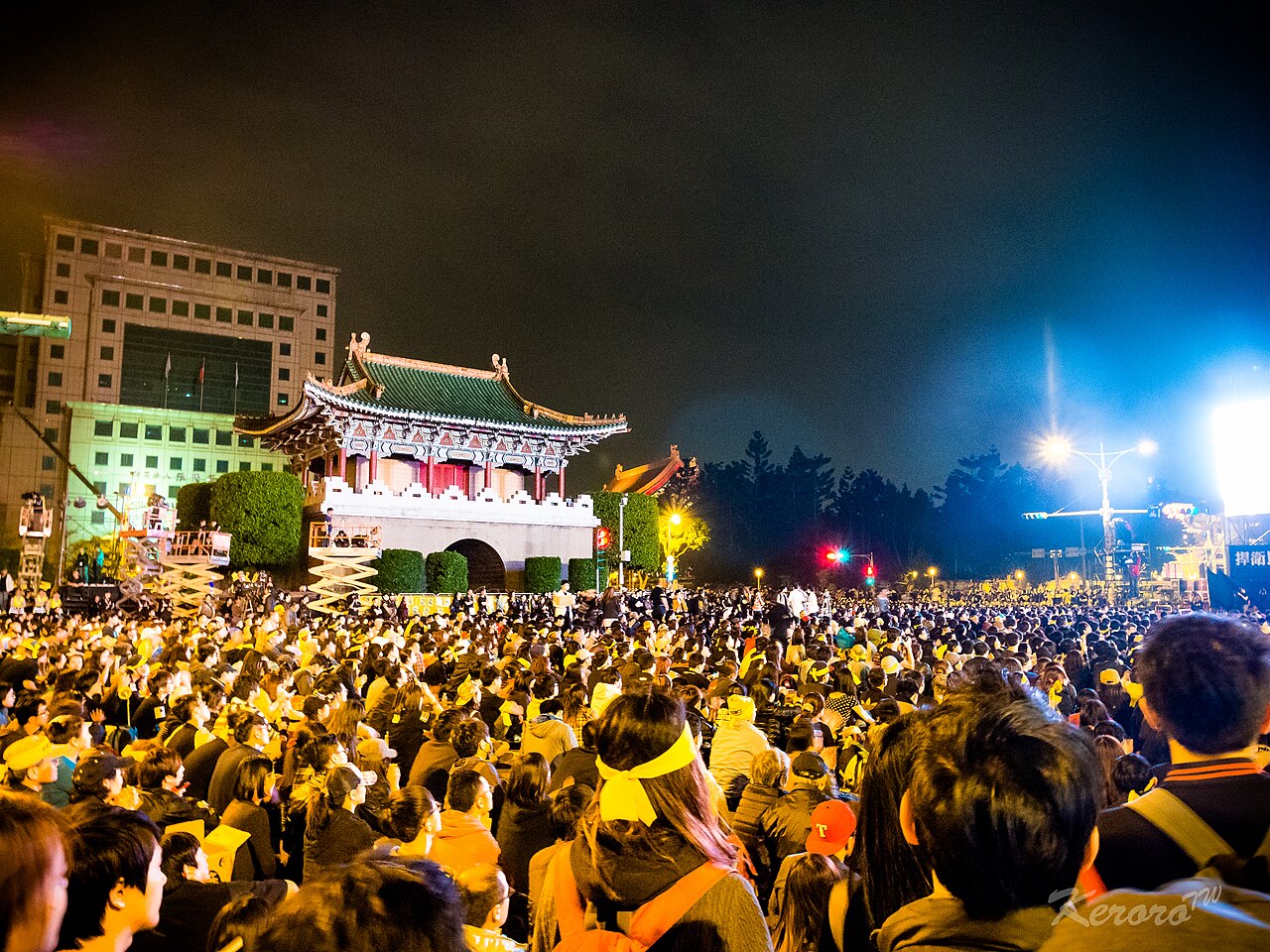
2 min walk
Taipei City Wall-East Gate
- Must see · Heritage site
- Historic monument
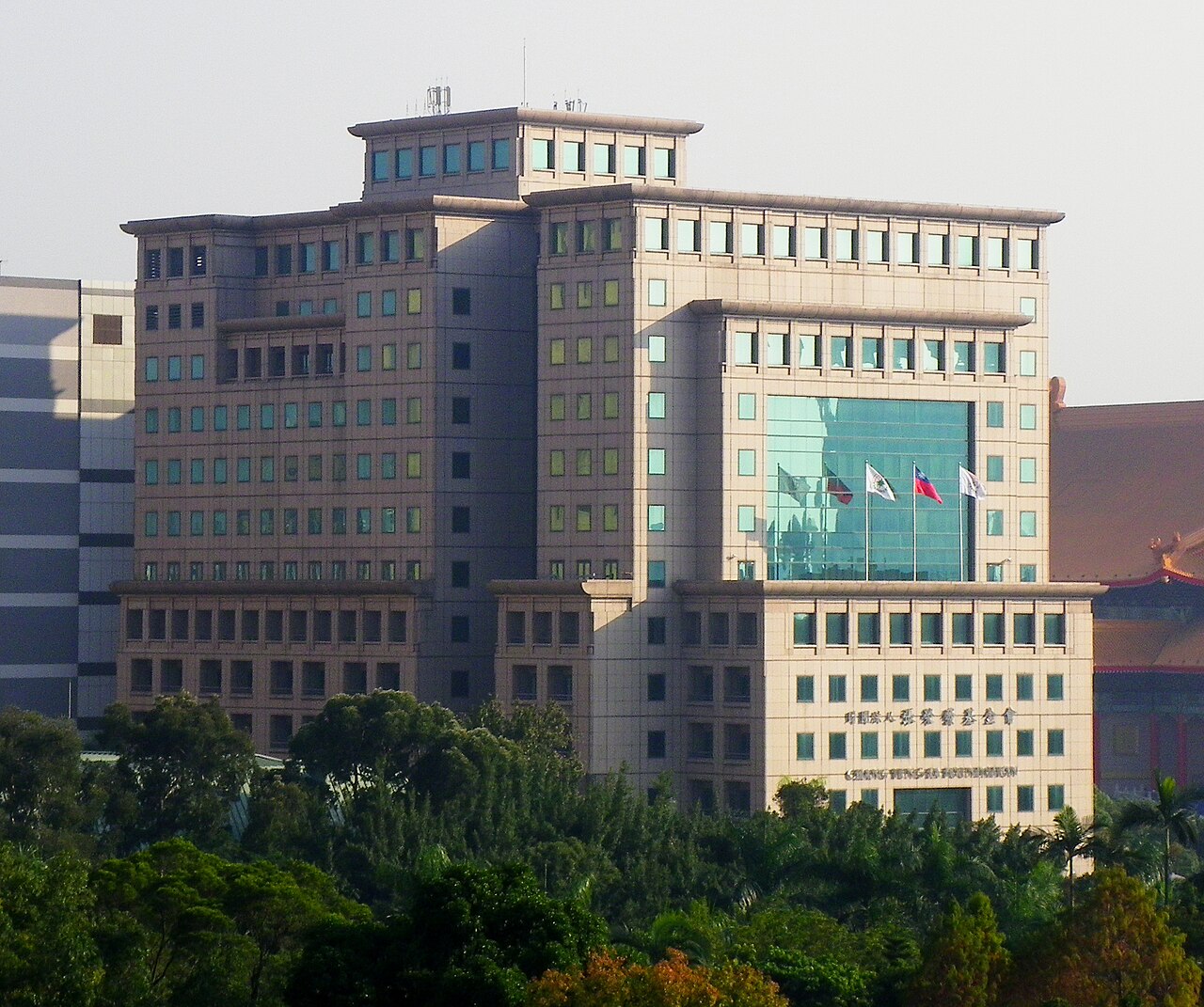
Museum · Taipei
長榮海事博物館
| Monday | Closed |
|---|---|
| Tuesday | 09:00 – 17:00 |
| Wednesday | 09:00 – 17:00 |
| Thursday | 09:00 – 17:00 |
| Friday | 09:00 – 17:00 |
| Saturday | 09:00 – 17:00 |
| Sunday | 09:00 – 17:00 |
Parsed from OpenStreetMap opening hours on 2026-09-09.
Evergreen Maritime Museum, known locally as 長榮海事博物館, is a Taipei museum devoted to maritime history, shipbuilding and seafaring culture. Its connection with the Evergreen Group gives the museum a clear link to Taiwan’s shipping and transportation heritage. The purpose-built museum preserves maritime objects and presents the relationship between Taiwan, global shipping and life at sea. It is an indoor cultural stop for travelers interested in transport, technology and regional history. Evergreen Maritime Museum, known locally as 長榮海事博物館, is a maritime-themed museum in Taipei. It is associated with the Evergreen Group, a major Taiwanese shipping and transportation conglomerate. The museum occupies a purpose-built facility dedicated to presenting maritime history, shipbuilding, and seafaring culture. It serves as a cultural institution preserving and displaying artifacts related to Taiwan's significant maritime heritage and global shipping connections. The museum represents an important component of Taipei's official attraction inventory.
Checked 2026-08-26 · Source
The museum’s subject matter includes ship models, navigational instruments and historical documents connected with seafaring. These displays help visitors move from the physical scale of a vessel to the practical tools used to navigate and operate ships. Maritime technology and shipping’s role in Taiwan’s economic development provide the wider context. The Evergreen Group’s shipping history also forms part of the museum’s identity, linking the collection to a major Taiwanese transport enterprise. The museum's collections focus on maritime subjects including ship models, navigational instruments, and historical documents related to seafaring. The Evergreen Group's own shipping history may feature prominently. Visitors should consult the museum directly for information about current displays, as exhibition content may change periodically based on curatorial decisions and loan arrangements.
Checked 2026-08-26 · Source
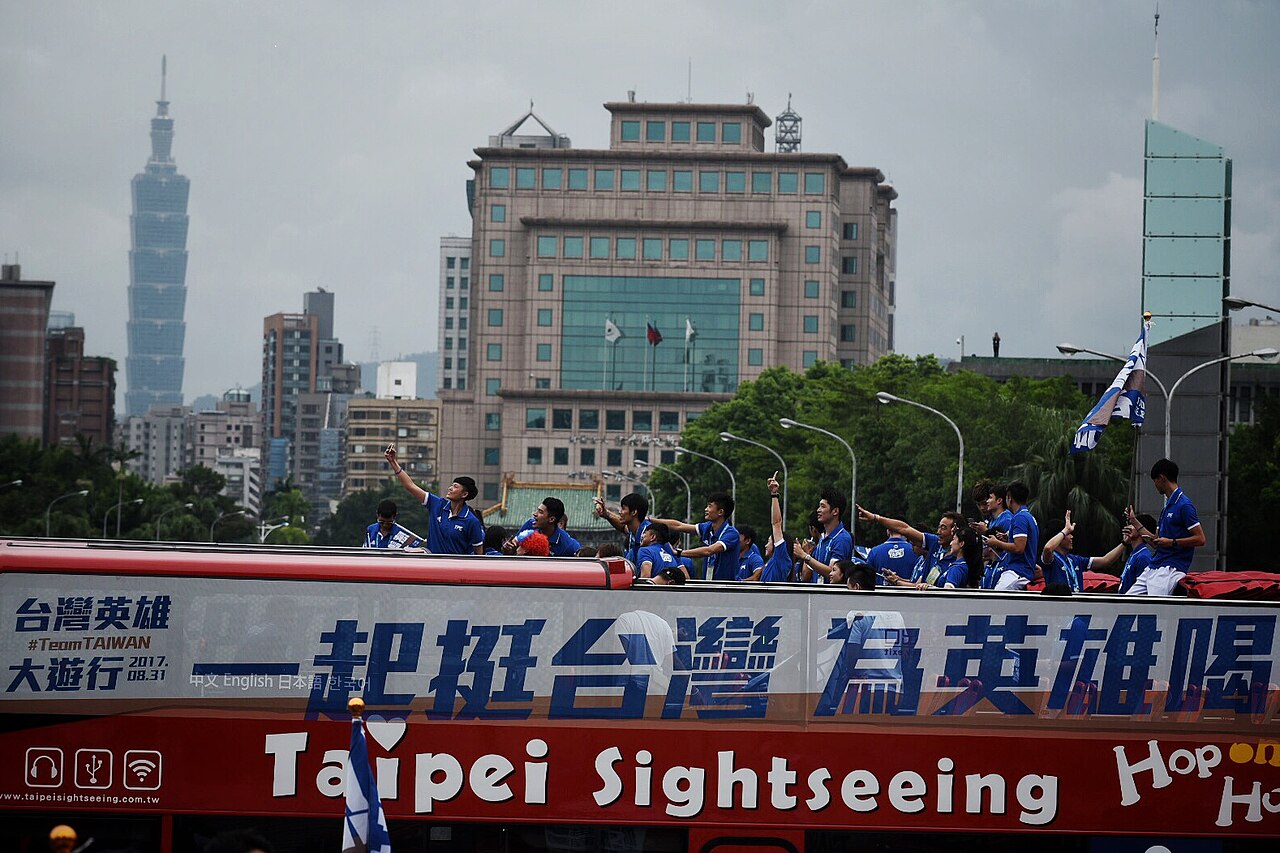
Allow about one to two hours for a focused visit through the maritime displays. Travelers who enjoy ship design, navigation or transport history may want more time with the models, instruments and documents. A shorter visit can still provide a clear introduction to seafaring culture and Taiwan’s shipping connections. Because the museum is indoors, it works well as a compact cultural stop within a wider Taipei day. A typical visit duration depends on individual interest in maritime history and museum engagement patterns.
Checked 2026-08-26 · Source
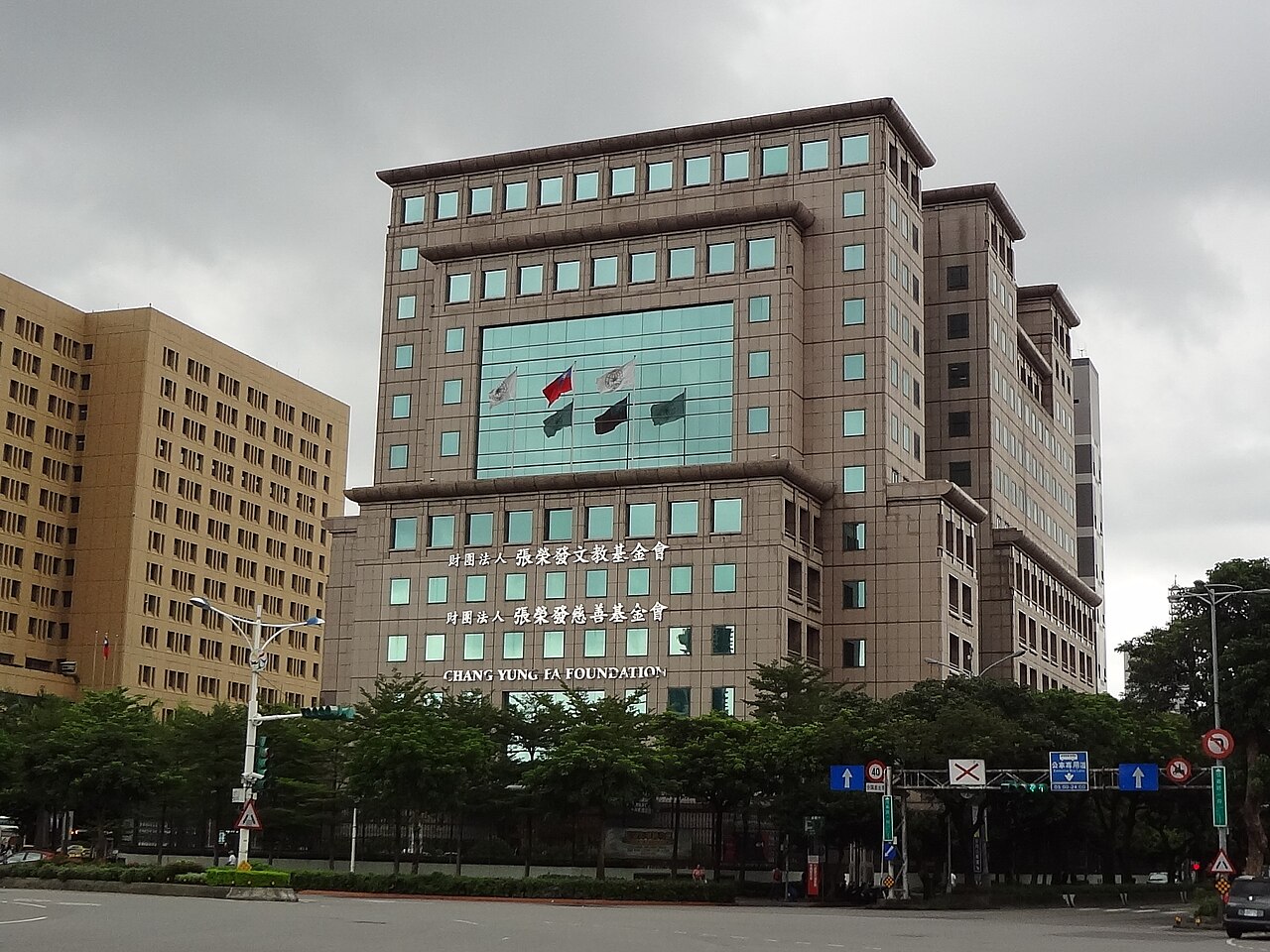
The museum suits a Taipei itinerary in any season because its displays are indoors. It is especially useful on a hot, humid or rainy day when an outdoor sightseeing plan becomes uncomfortable. Travelers interested in quieter viewing can place the museum earlier in the day, leaving later hours for other parts of the city. The maritime theme also makes it a natural choice when a Taipei schedule includes transport, trade or industrial history.
Checked 2026-08-26 · Source
Plan the museum as a dedicated cultural visit rather than as a retail attraction. The experience centers on maritime collections, ship models, navigation and historical documents. These themes give the stop value for travelers who want a museum visit connected to Taiwan’s shipping heritage, while visitors seeking food, shopping or outdoor scenery may prefer to combine it with other Taipei destinations. A longer stay is worthwhile when transport history is a main interest.
Checked 2026-08-26 · Source
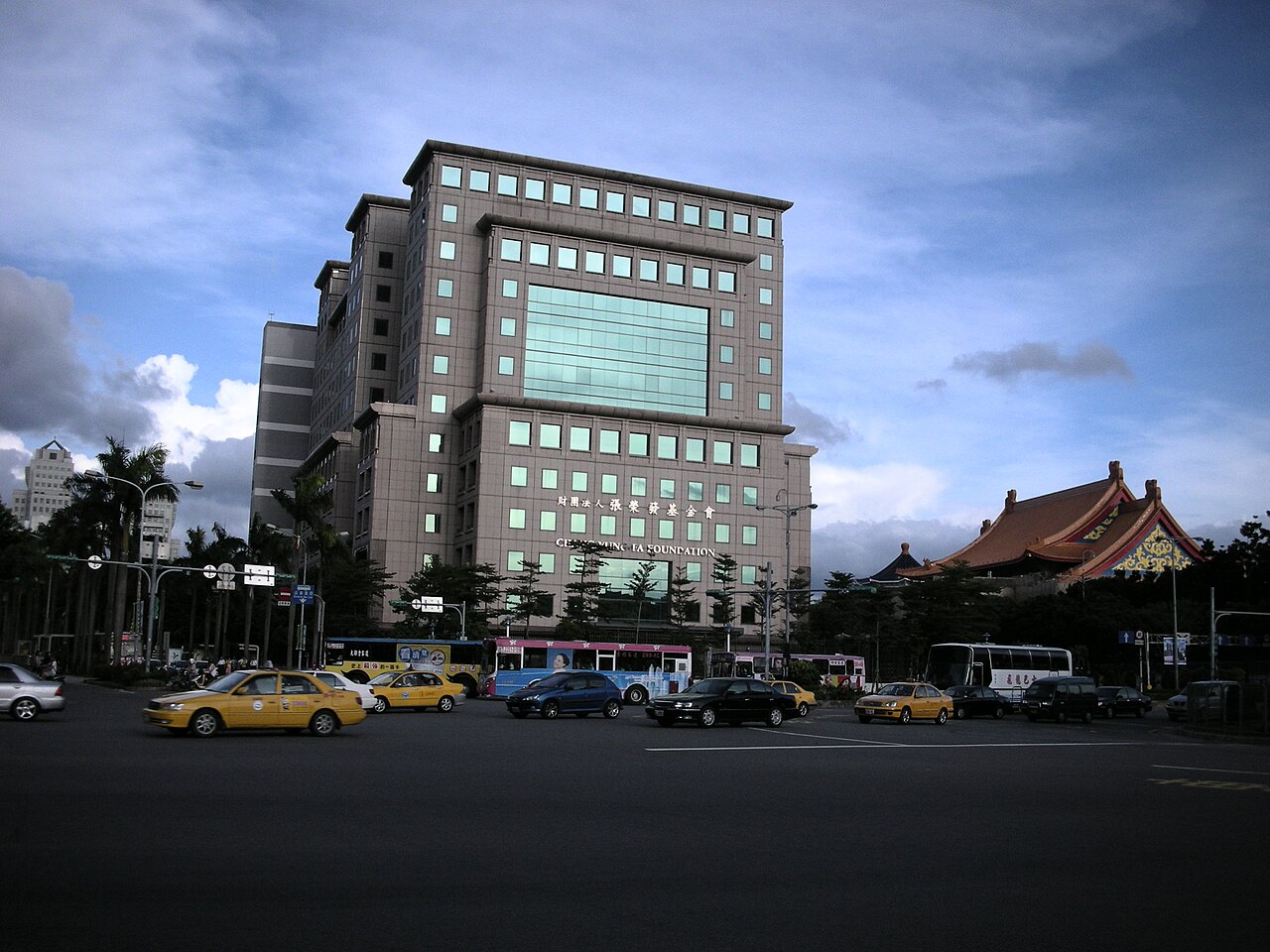
Use the museum’s name, its Chinese name 長榮海事博物館, or the supplied OpenStreetMap location when planning the route through Taipei. The destination belongs in an urban sightseeing day because it is a city museum rather than a countryside excursion. Pairing it with nearby indoor or cultural stops can reduce unnecessary travel between unrelated parts of the city. Travelers should allow enough time to move through Taipei before and after the museum visit.
Checked 2026-08-26 · Source
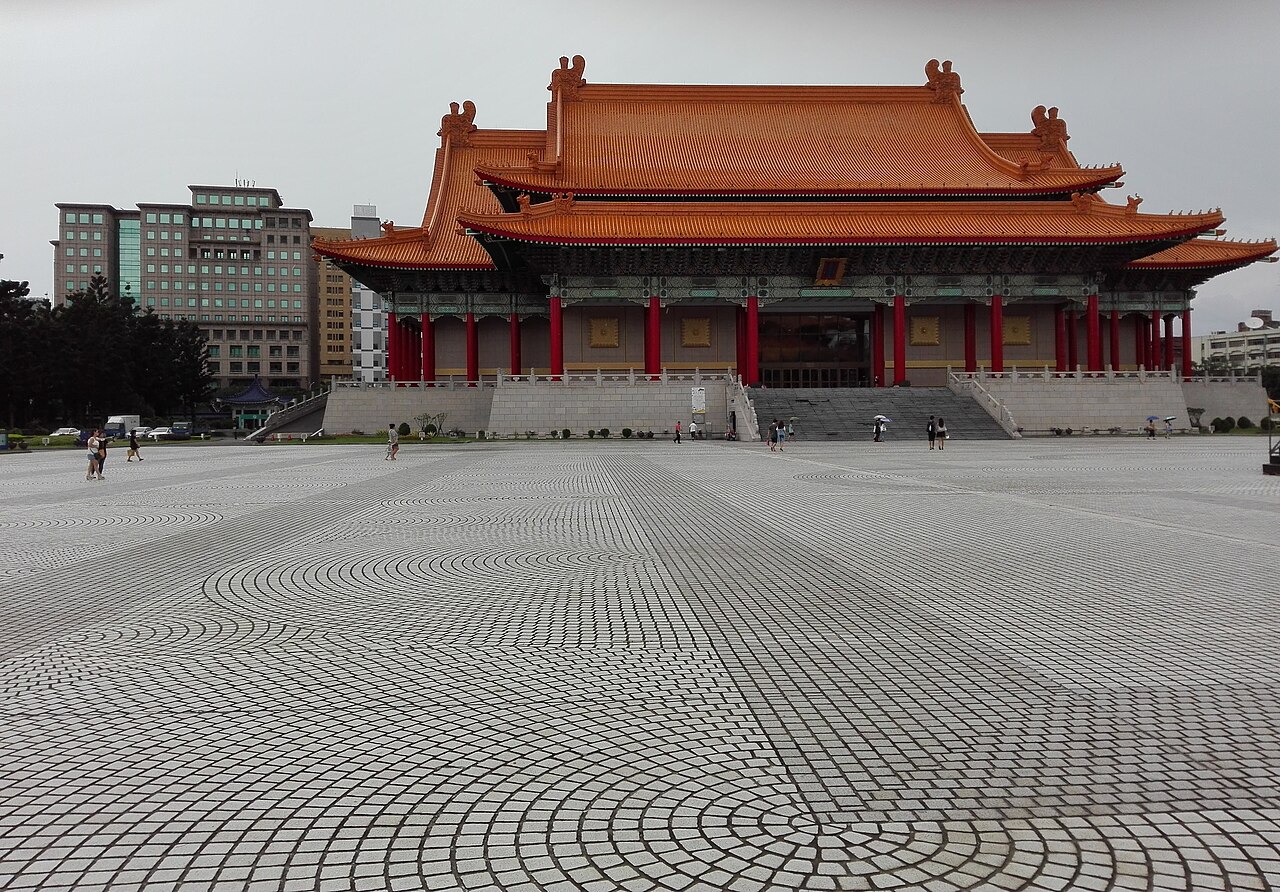
The museum is most rewarding for travelers who enjoy objects, models and documentary material about ships and navigation. It is less suited to anyone expecting a large outdoor attraction, a scenic viewpoint or a performance venue. Give the exhibits time, especially the ship models and navigational instruments, because their value comes from comparing scale, design and function. The Evergreen connection adds corporate and economic context to the broader maritime story.
Checked 2026-08-26 · Source
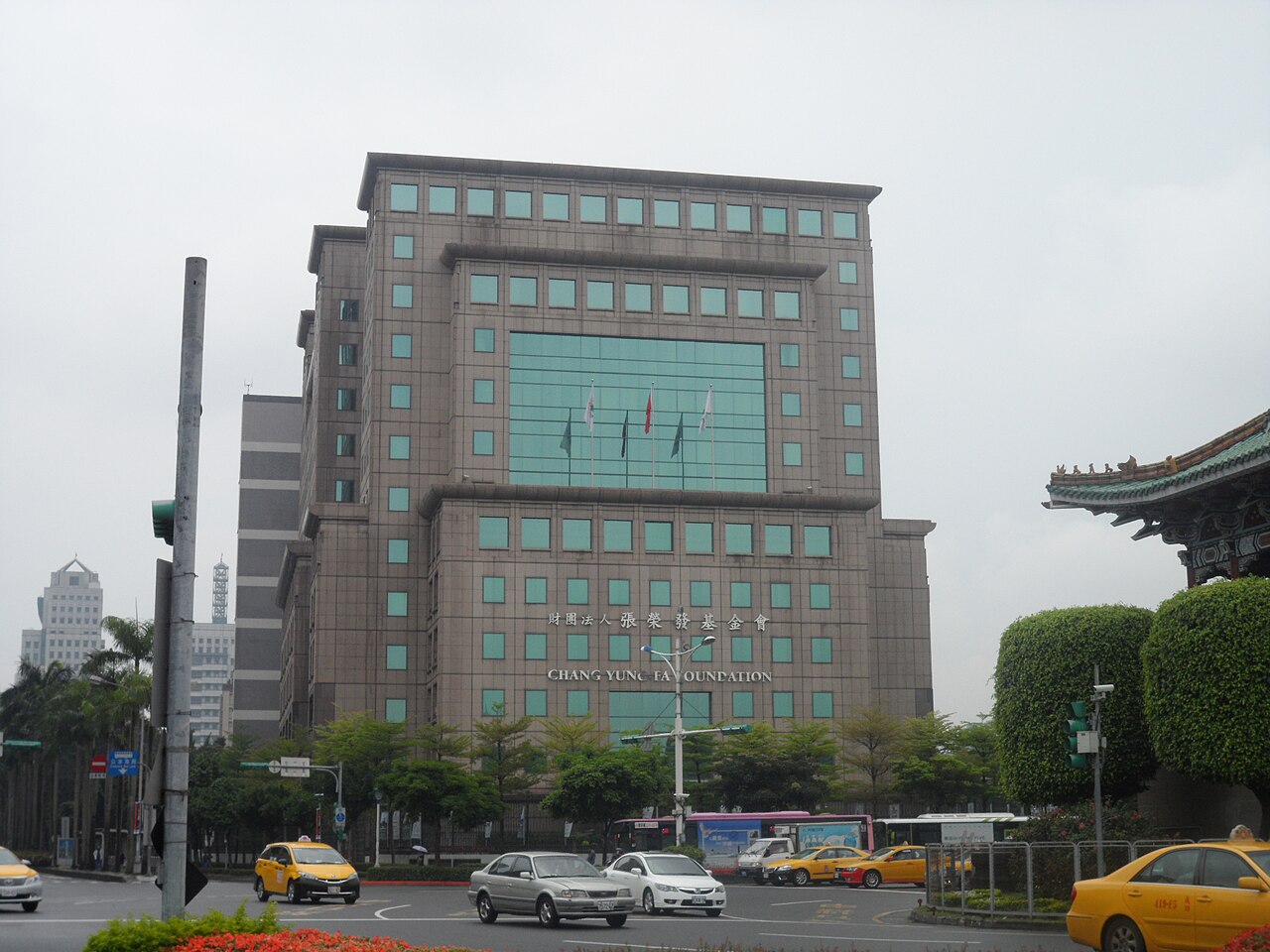
Photography is best treated as part of the museum experience only where the displays permit it. Ship models, navigational instruments and historical documents are the principal subjects visitors may want to remember. Move carefully through exhibit areas and keep attention on the objects rather than treating the museum as a single photo stop. The strongest images will usually come from details in the collection that show how maritime technology and seafaring were represented.
Checked 2026-08-26 · Source
It focuses on maritime history, shipbuilding, seafaring culture, navigation and Taiwan’s connections with global shipping.
The museum presents ship models, navigational instruments and historical documents related to seafaring and maritime technology.
Its Evergreen Group connection places the museum within Taiwan’s shipping and transportation history and its global maritime links.
Yes. The museum occupies a purpose-built indoor facility devoted to maritime collections and cultural displays.
It is a strong choice for travelers interested in ships, navigation, transport technology, seafaring and Taiwan’s economic history.
The museum is known locally as 長榮海事博物館.
Loading the interactive map…
The interactive map could not be loaded.


Last updated:
Source: OpenStreetMap contributors, Wikidata ·