


01
45 min
Raohe Night Market
饒河街觀光夜市
Raohe Street Tourist Night Market is an evening street market on Raohe Street in Taipei’s Songshan District. Its Chinese name is 饒河街觀光夜市.
- Must see
- Market
- Taipei
Language · 11 published
Country guide
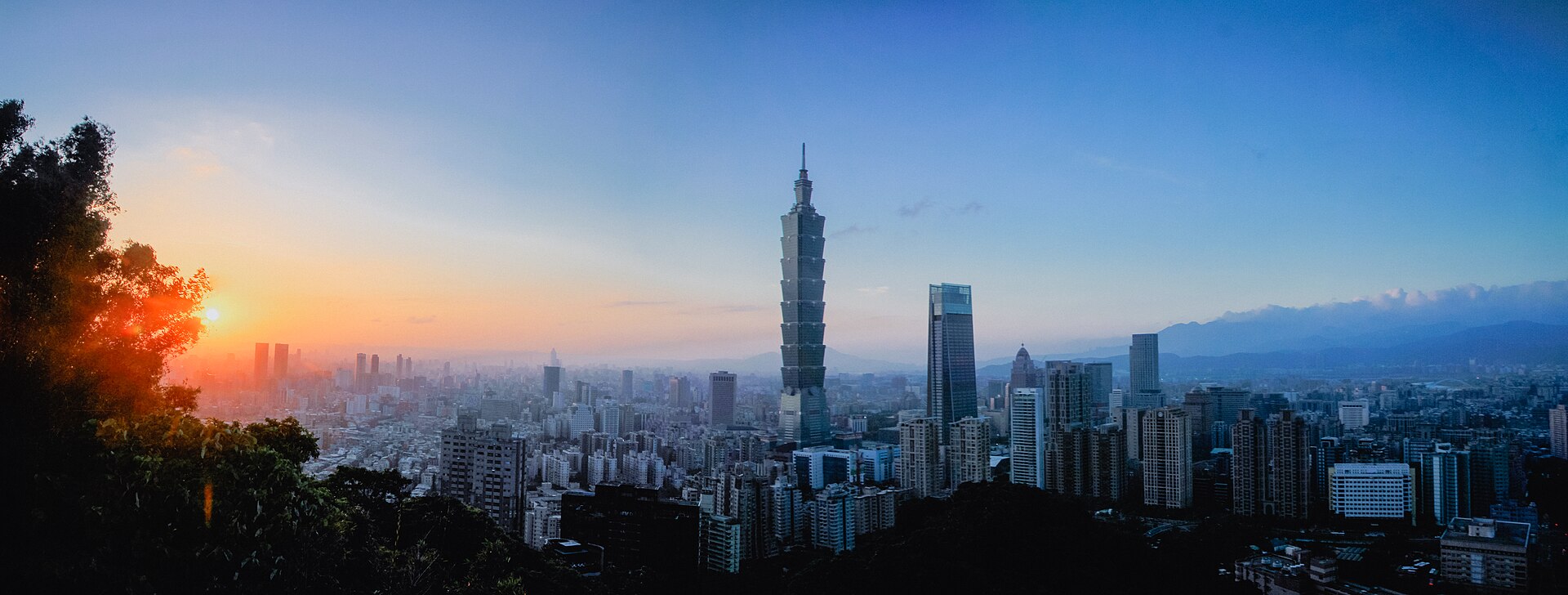
Taiwan is 394 km long and 144 km wide, and mountains take the eastern two-thirds of it — more than two hundred peaks above 3,000 m, the highest of them Yushan at 3,952 m. The 23,299,132 people counted in December 2025 are pressed into the western third, which is where the railway runs and where every city a visitor is likely to open sits: Taipei with New Taipei and Keelung at the north end, then Taichung, Tainan and Kaohsiung down the plain. The east coast is the other trip entirely, reached by crossing the ranges rather than skirting them.
Reviewed by Elena Voss · Roavina Travel Editor
Every city catalogued in this country so far, ranked by how much there is to see.
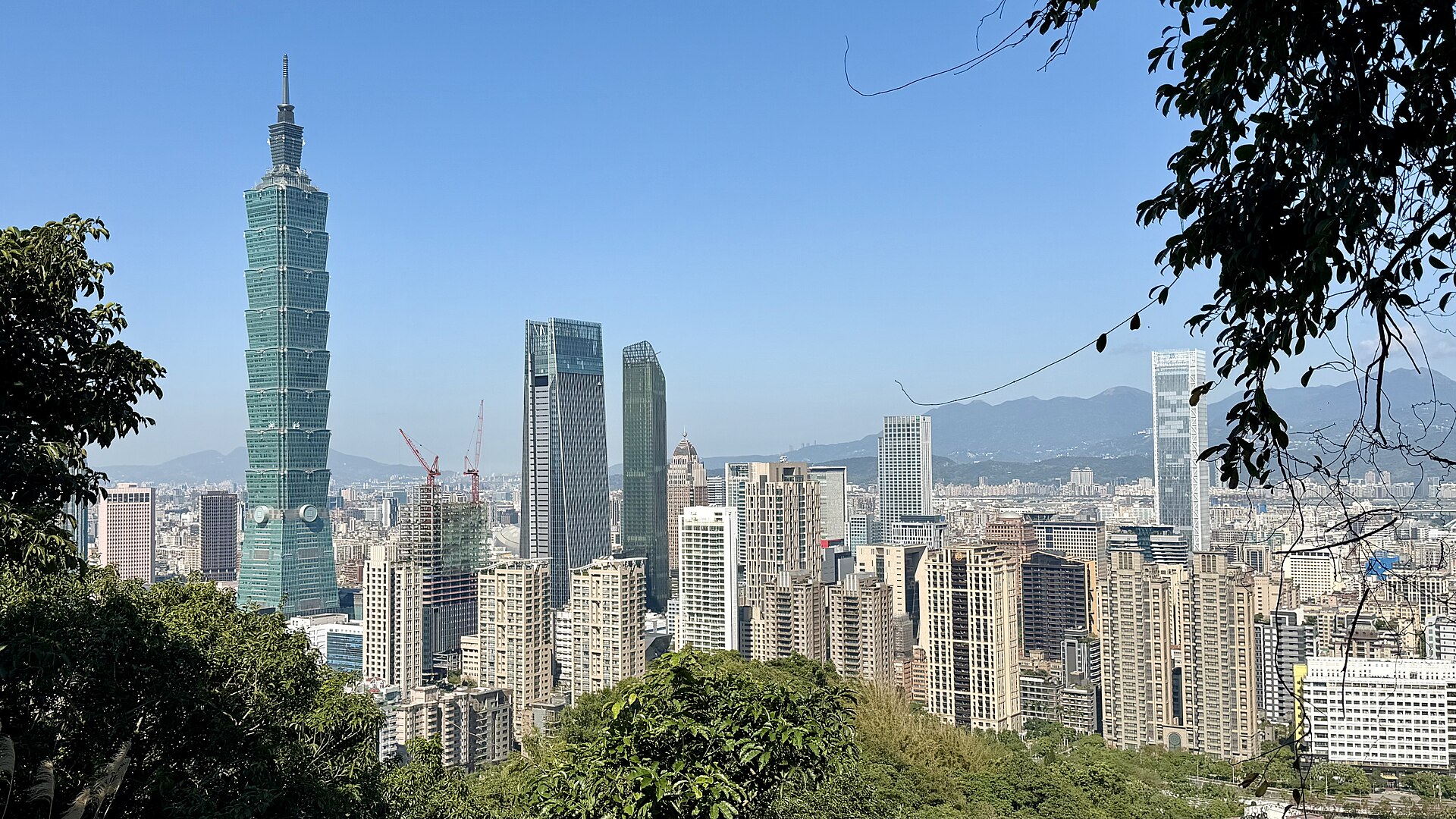
Photograph · Heeheemalu · CC BY-SA 4.0
Ranked by importance — sitelinks, pageviews and heritage status, not editor preference.
11 places match
Category
Typical visit duration
Interests
饒河街觀光夜市
Raohe Street Tourist Night Market is an evening street market on Raohe Street in Taipei’s Songshan District. Its Chinese name is 饒河街觀光夜市.
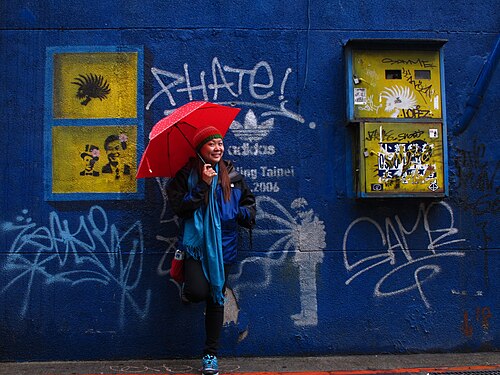
Ximending is a historic commercial district in Taipei's Wanhua District, centered on pedestrian zones northwest of the old city gate.
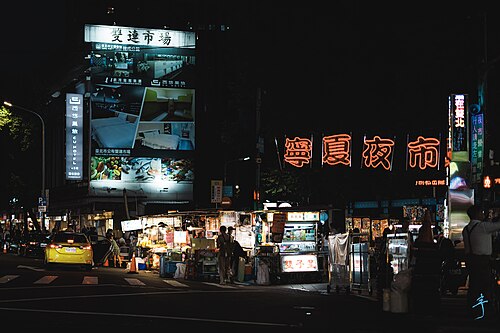
寧夏夜市
Ningxia Night Market is a traditional Taiwanese food market on Ningxia Road in Taipei’s Datong District. It is an evening destination built around compact rows of food stalls and vendors.
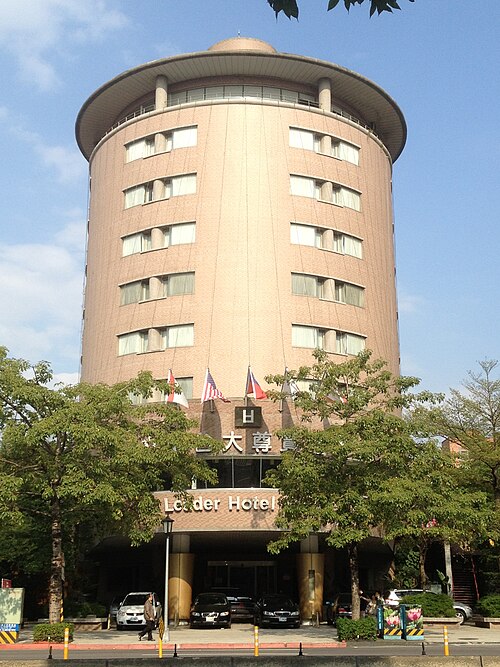
公館夜市
Gongguan Night Market is an evening food, shopping, and street-life destination in Taipei’s Gongguan area, near National Taiwan University. It brings together food stalls, small shops, casual dining, and the constant movement of a student-oriented urban district.
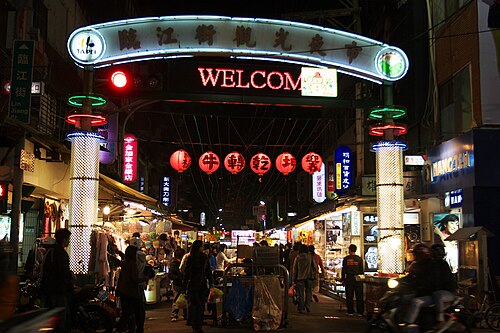
臨江街觀光夜市
Linjiang Street Night Market, known locally as 臨江街觀光夜市, is an evening street market in Taipei’s urban fabric, with the visit unfolding along vendor fronts rather than inside one attraction building.
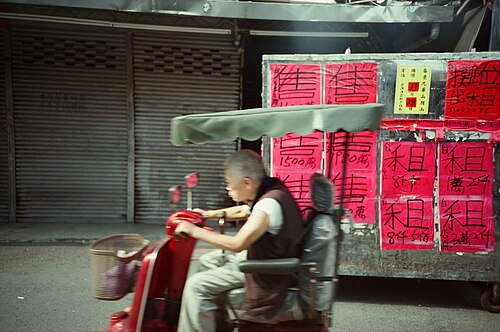
南機場夜市
Nanjichang Night Market, known locally as 南機場夜市, is a neighborhood night market in Taipei. It brings together food stalls and small independent businesses in an evening street setting.
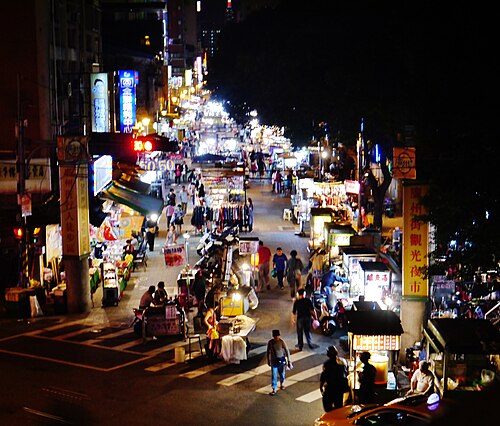
廣州街觀光夜市
Guangzhou Street Night Market, locally called 廣州街觀光夜市, runs along Guangzhou Street in Taipei’s Wanhua District. It is a traditional street market with food stalls, snacks, and local businesses.
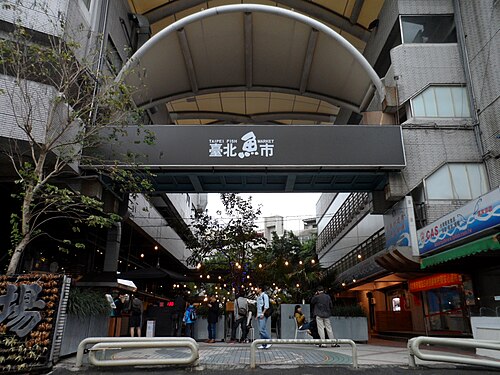
臺北魚市
Taipei Fish Market, locally known as 台北魚市, is a working seafood marketplace in Taipei. It combines wholesale trade with retail activity, giving visitors a view of how seafood moves through an urban market rather than through a museum-style exhibition.
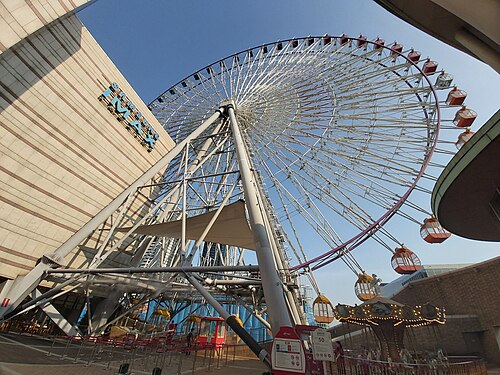
美麗華百樂園
Miramar Entertainment Park, known in Chinese as 美麗華百樂園, is a large Taipei shopping and entertainment complex built around several kinds of urban leisure in one destination.
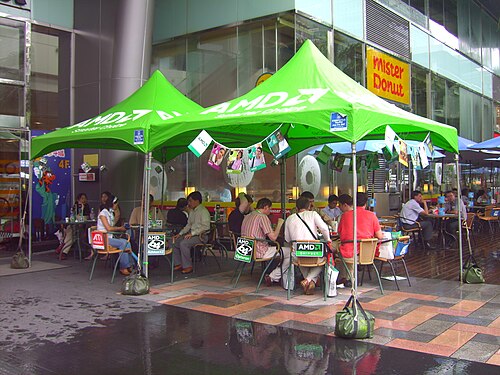
ATT 4 FUN is a commercial entertainment complex in Taipei combining shopping, dining, and leisure in one urban destination. The complex suits travelers who want an indoor stop with several possible activities rather than a single museum or monument.
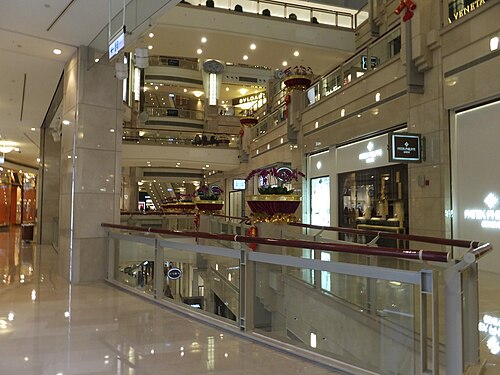
台北101購物中心
Taipei 101 Mall occupies the lower floors of the Taipei 101 complex in Xinyi District. It is the shopping component of one of Taipei’s most recognizable towers, combining retail, dining, and access to the wider Taipei 101 experience.
Source: OpenStreetMap contributors, Wikidata ·
Seven to ten days can combine three or four days in Taipei with Tainan, Taichung or Kaohsiung on the western rail corridor. The east coast, central mountains and offshore islands require slower connections and should replace, rather than merely extend, that compact route.
Taiwan’s National Immigration Agency provides the current entry and online-arrival requirements. Check passport eligibility and permitted duration there, with consular guidance where relevant; do not assume a transit permission or previous visa exemption covers a different journey.
Taoyuan Airport connects to Taipei by airport metro, and high-speed rail makes western cities straightforward to combine. Conventional rail and buses reach the east and smaller places, but mountain roads take longer and are more vulnerable to weather disruption.
Spring and autumn often suit city and rail travel, while summer brings heat, heavy rain and typhoon risk. Mountain conditions can diverge sharply from Taipei or Kaohsiung, so check the Central Weather Administration outlook for the specific route.
New Taiwan dollar is the recorded currency. Transit stations and urban shops increasingly support electronic payment, yet night markets and small regional businesses may prefer cash; withdraw TWD through recognised banking channels and verify any foreign-card fee.
Use 110 for police and 119 for fire or ambulance; Taiwan uses Type A and B sockets at 110 V. Tap-water guidance is Not recorded here, and typhoon or earthquake instructions should be taken from official alerts rather than social-media summaries.