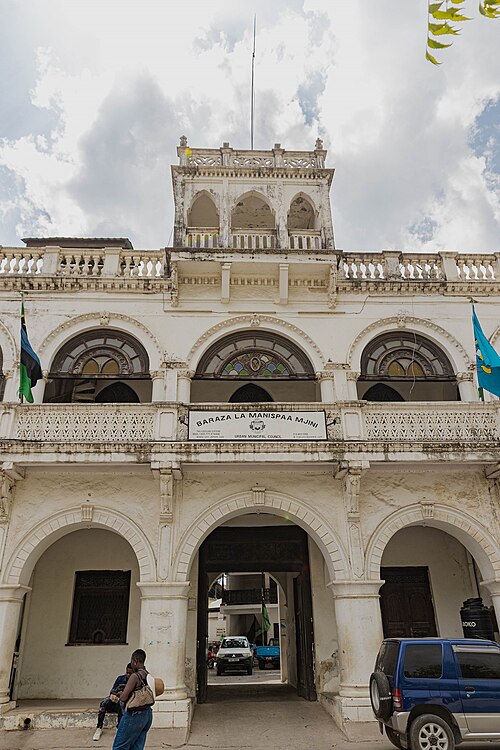
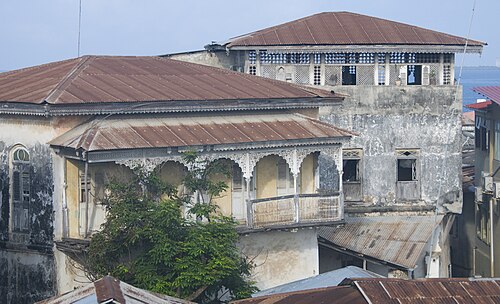
Tippu Tip's House
Tippu Tip's House is the historic residence of Hamed bin Mohammed al-Murjebi, the notorious nineteenth-century Zanzibari merchant whose trading empire spanned Central and East Africa.
- Must see
- Historic monument
City guide · Tanzania
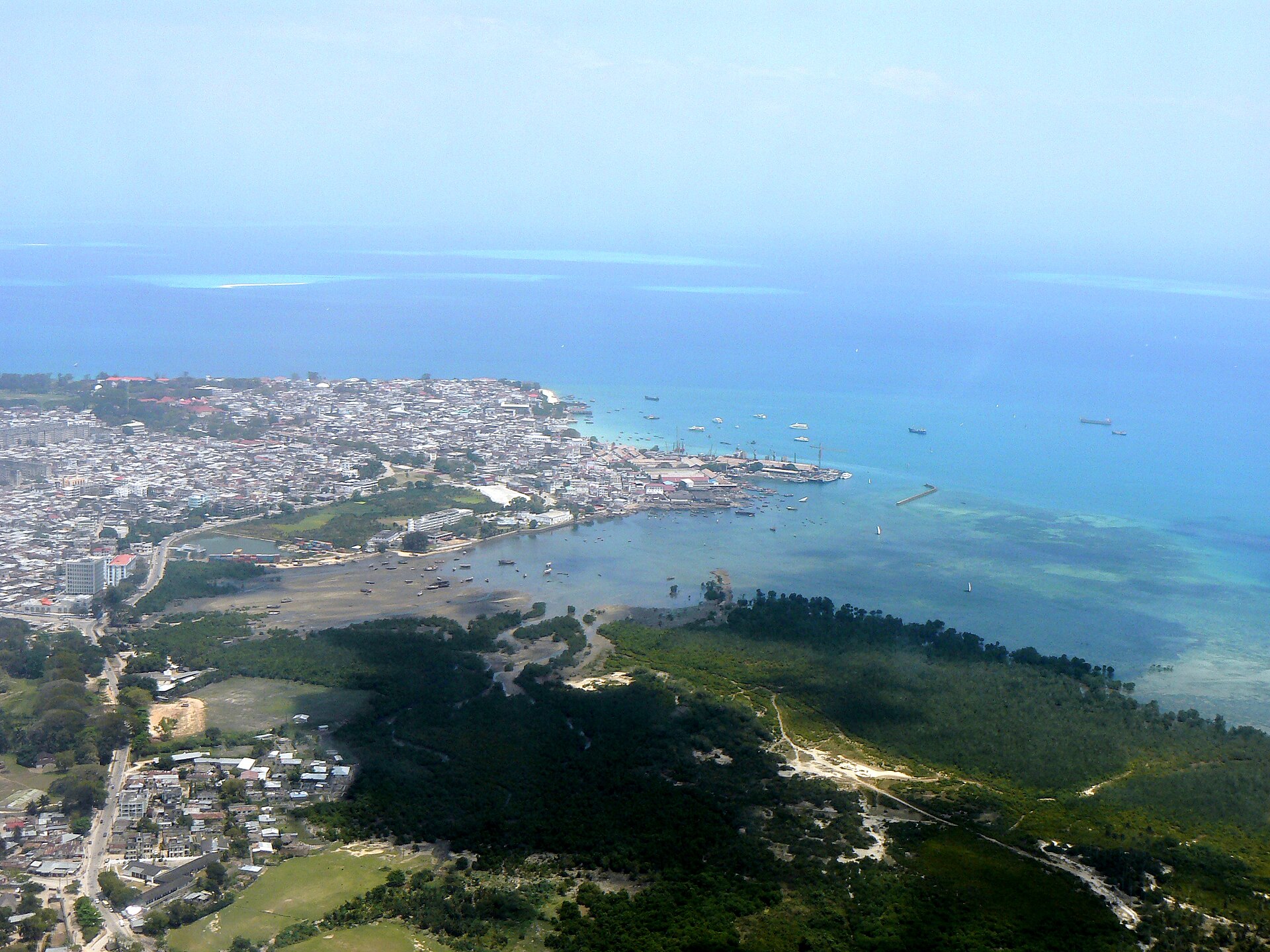
Zanzibar City is centred on Stone Town, a compact historic quarter of narrow lanes beside the harbour. The Old Fort, palace museums, markets and seafront garden...
Photograph · Paul Brockmeyer from Chicago, USA · CC BY 2.0
Set your days, your pace and the hours you actually want to be out. The planner works around closing days and travel time, and leaves room to eat.
Reviewed by Elena Voss · Roavina Travel Editor
Zanzibar City is centred on Stone Town, a compact historic quarter of narrow lanes beside the harbour. The Old Fort, palace museums, markets and seafront gardens fit into a walking route, while Ng'ambo and the wider urban area extend east beyond the old town. Island beaches, spice farms and forest reserves are separate excursions rather than city-centre stops, so distinguish a Stone Town itinerary from a wider Zanzibar stay.
Checked 2026-08-26
September · September remains dry in Zanzibar City with 33 mm of rainfall and a 29.9°C mean maximum.
Ranked by importance — sitelinks, pageviews and heritage status, not editor preference.
11 places match
Category
Typical visit duration
Interests
Tippu Tip's House is the historic residence of Hamed bin Mohammed al-Murjebi, the notorious nineteenth-century Zanzibari merchant whose trading empire spanned Central and East Africa.
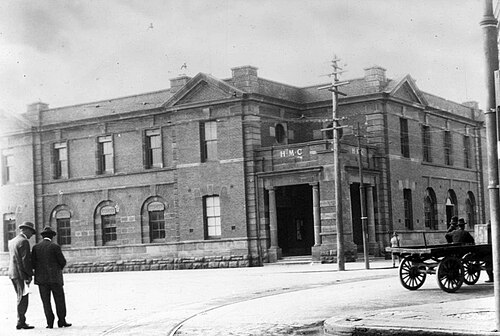
Old Customs House, known locally as Forodha ya Zamani, stands on the harbourfront of Stone Town in Zanzibar City.
Bharmal Building is a historic structure on Stone Town’s reclaimed civic edge in Zanzibar City. Its architecture belongs to the layered urban character created by Swahili, Arab, Indian and European influences.
The Michenzani Apartment Blocks are a monumental housing ensemble in Zanzibar City, constructed with East German assistance following the 1964 Zanzibar Revolution.
Cheetah’s Rock is a wildlife rescue and education centre north of Zanzibar City. It combines conservation-focused care with guided animal encounters, giving travelers a structured way to learn about rescued wildlife.
Stone Town occupies the western waterfront and is organised around the harbour, Forodhani Gardens, the Old Fort and Darajani Market. Its narrow lanes are best understood through a few fixed landmarks rather than a road grid. Ng'ambo begins beyond Creek Road and contains the newer city. The airport lies south of the centre, while beach villages and nature sites spread far beyond Zanzibar City across Unguja and require road transfers.
Checked 2026-08-26
Walk inside Stone Town, where many lanes are too narrow for ordinary vehicle access. The Zanzibar Commission for Tourism lists taxis, buses and rental cars among the island's transport options. For movement beyond the old town, arrange suitable road transport and confirm the pickup point, because vehicles generally meet passengers on wider perimeter roads rather than inside the historic lanes. Check current operator terms before making a longer journey.
Checked 2026-08-26
No fixed stay length is recorded. Separate the Stone Town walking programme from any spice-farm, beach, forest or island excursion elsewhere on Unguja.
Yes. Its principal seafront, market and heritage sites sit within a compact network of narrow lanes, and walking is the practical way to move between them.
The Zanzibar Commission for Tourism lists taxis, buses and rental cars. Choose the suitable option for the distance and confirm the operator terms and return arrangement before departure.
Use an agreed point on a wider perimeter road or near a recognised landmark. Many interior lanes do not provide normal vehicle access.
No. Zanzibar City and Stone Town form the urban base; the island's principal beach villages and nature areas require separate road or boat excursions.