
.jpg)
01
2 hours
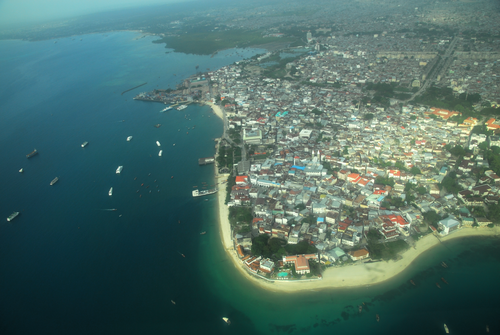
Stone Town
Mji Mkongwe
Stone Town, also called Mji Mkongwe, is the historic heart of Zanzibar City on Unguja Island, Tanzania.
- Must see
- Historic monument
- Zanzibar City
Language · 11 published
Country guide

Protected land accounts for around 38 per cent of Tanzania's 947,303 km², held in 21 national parks and the reserves between them, so the country is planned as a set of distances rather than a set of towns. Kilimanjaro stands alone in the north at 5,895 m, the highest mountain in Africa. Lake Victoria, Lake Tanganyika and Lake Malawi each take a piece of the borders. Dodoma is the capital, but Dar es Salaam and its roughly 6.4 million people are the port and the commercial centre — and the crossing out of it reaches Zanzibar, semi-autonomous since the union of 26 April 1964.
Reviewed by Elena Voss · Roavina Travel Editor
Every city catalogued in this country so far, ranked by how much there is to see.
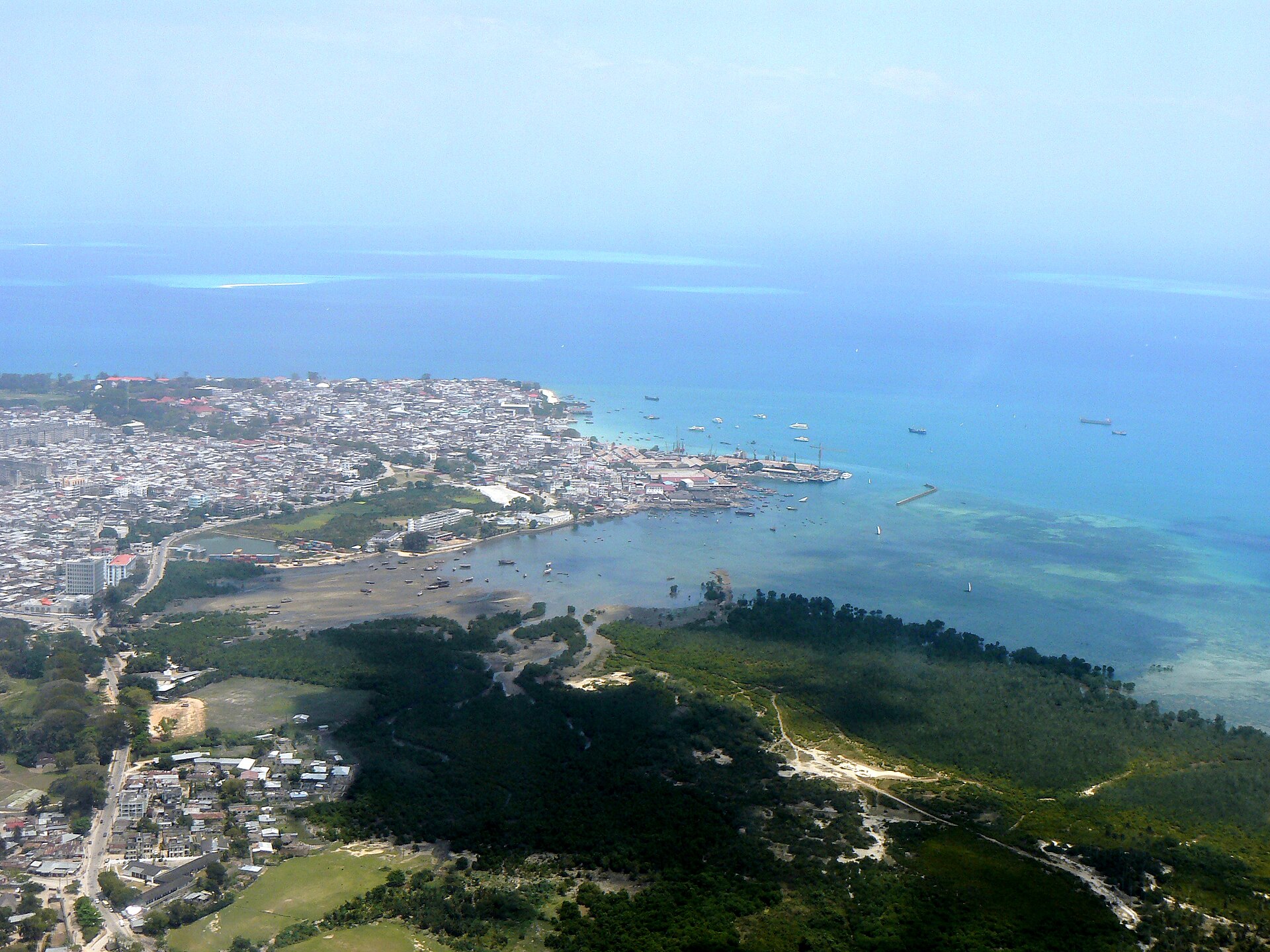
Photograph · Paul Brockmeyer from Chicago, USA · CC BY 2.0
Ranked by importance — sitelinks, pageviews and heritage status, not editor preference.
36 places match
Category
Typical visit duration
Interests
Mji Mkongwe
Stone Town, also called Mji Mkongwe, is the historic heart of Zanzibar City on Unguja Island, Tanzania.
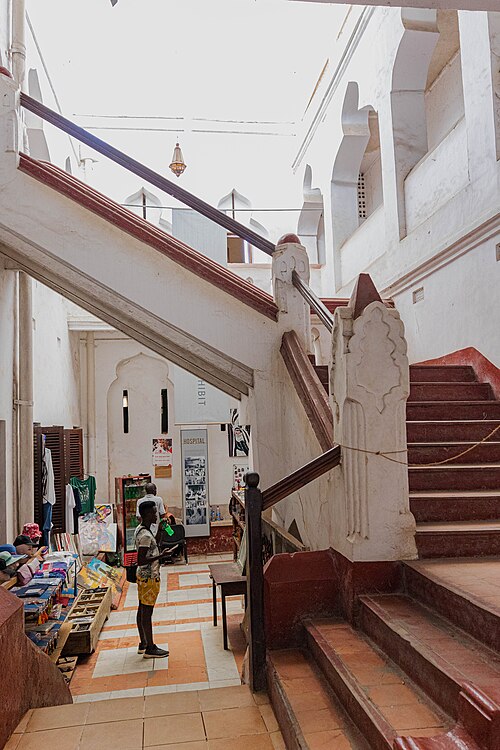
Old Slave Market
The Old Slave Market, at the site now associated with Christ Church Cathedral in Mkunazini, is both an active Anglican cathedral and a place of historical remembrance in Stone Town.
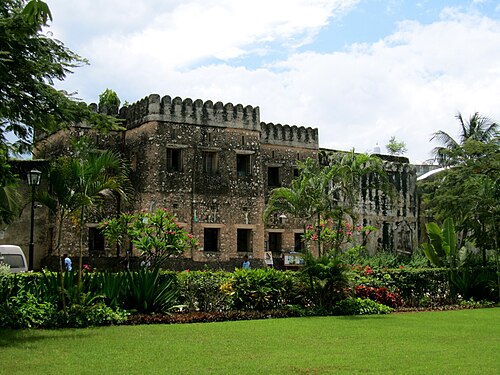
Old Fort
Old Fort, also called Ngome Kongwe and Arab Fort, is a substantial coral-rag fortress on Stone Town’s waterfront. Omani Arabs built it after removing the Portuguese in the late seventeenth century, incorporating material from earlier Portuguese construction.
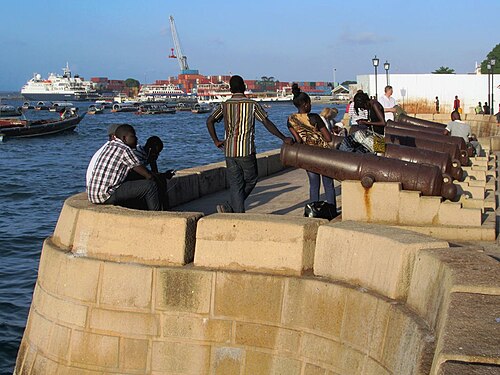
Forodhani Gardens is a public waterfront park in Stone Town, Zanzibar City. The open space faces the Indian Ocean and sits beside Old Fort and the House of Wonders, making it one of the historic quarter’s easiest meeting points.
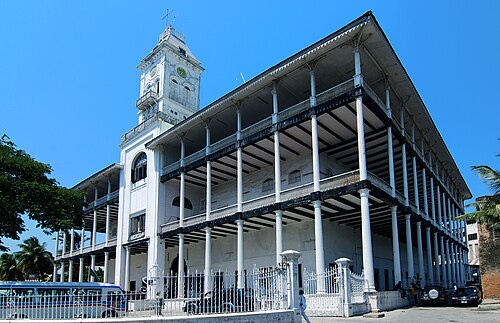
The House of Wonders, known locally as Beit al-Ajaib, stands as a ceremonial palace and former royal residence on Stone Town's waterfront.
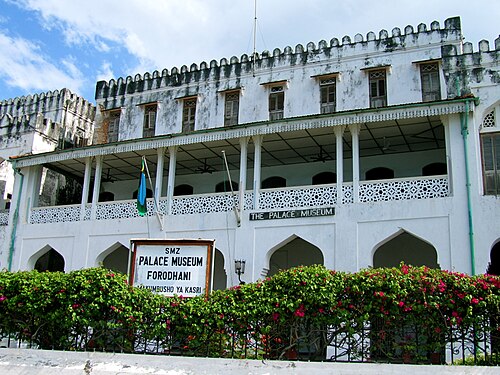
Sultan's Palace
Palace Museum, known as Beit al-Sahel, occupies a former waterfront residence of Zanzibar’s sultan in Stone Town. The museum focuses on the Omani royal court and palace life during the nineteenth century.
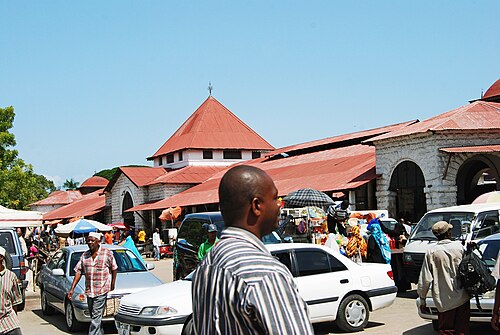
Soko la Darajani
Darajani Market, known locally as Soko la Darajani, is Zanzibar City's principal covered market and a vital commercial hub. It serves as the boundary between Stone Town's historic core and Ng'ambo, the newer part of the city.
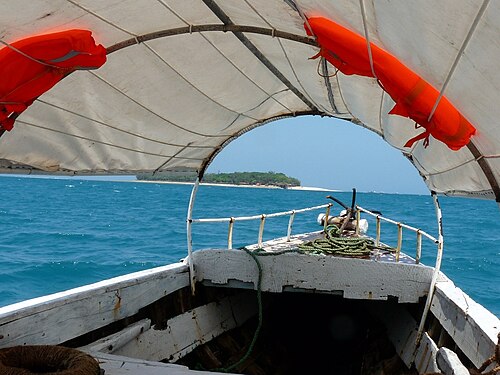
Changuu Island
Prison Island, locally known as Changuu Island, sits offshore from Stone Town in Zanzibar City.
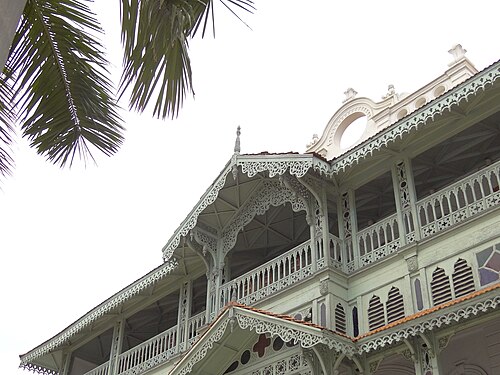
The Old Dispensary, also called Ithnasheri Dispensary, is a restored nineteenth-century building in Stone Town, Zanzibar City. Its ornate facade reflects Indian-influenced mercantile architecture and the commercial world created by Indian Ocean trade.
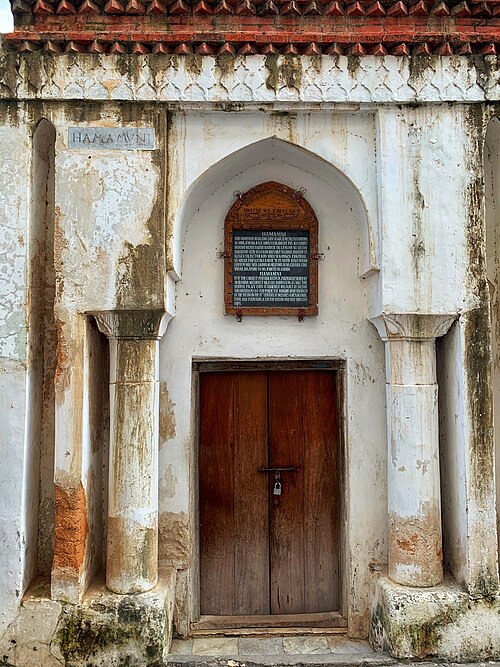
Hamamni Persian Baths are a preserved nineteenth-century bath complex in Stone Town. The building reflects Persian and Omani influence on Zanzibar’s architecture and social life, and it lies within the Stone Town UNESCO World Heritage site.
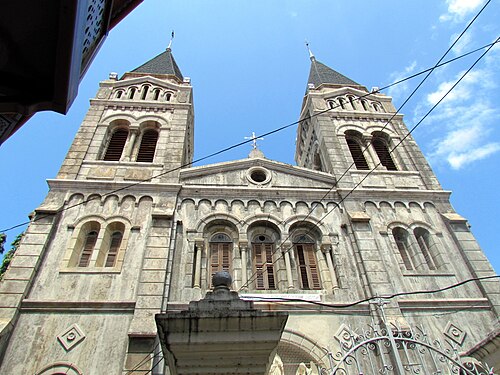
St. Joseph's Cathedral
St. Joseph Roman Catholic Cathedral is a twin-spired Catholic church in Stone Town, Zanzibar City. It stands as the most prominent Roman Catholic landmark in the historic district and contributes significantly to the area's multi-faith skyline.
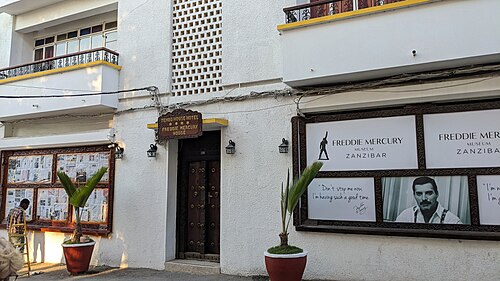
The Freddie Mercury Museum, also known as Mercury House, is a Stone Town attraction connected with Farrokh Bulsara, the Zanzibar-born musician who became Freddie Mercury.
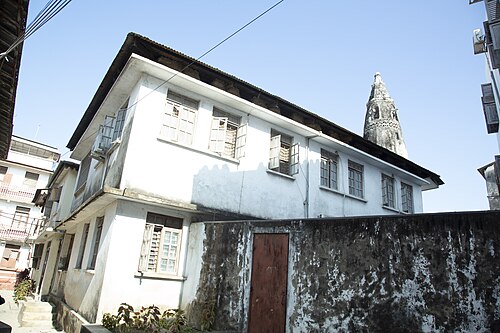
Malindi Bamnara Mosque
Malindi Mosque, also called Malindi Bamnara Mosque, is one of Stone Town’s oldest mosques in Zanzibar City. Its conical minaret is an unusual and memorable feature within the historic district.
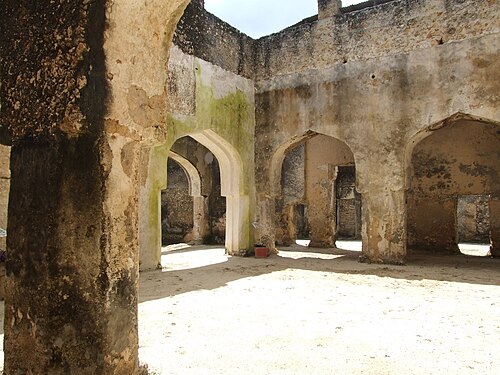
Mtoni Palace Ruins, also called Magofu ya Kasri la Mtoni, preserve the remains of an early nineteenth-century waterfront palace north of Zanzibar City.
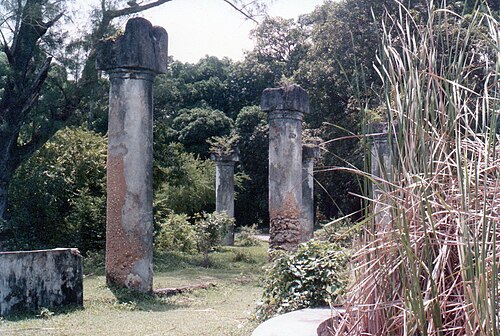
Maruhubi Palace Ruins are the remains of a nineteenth-century royal residence built for Sultan Barghash bin Said. The palace served primarily as a residence for the sultan’s harem and formed part of the architecture of Zanzibar’s sultanate era.
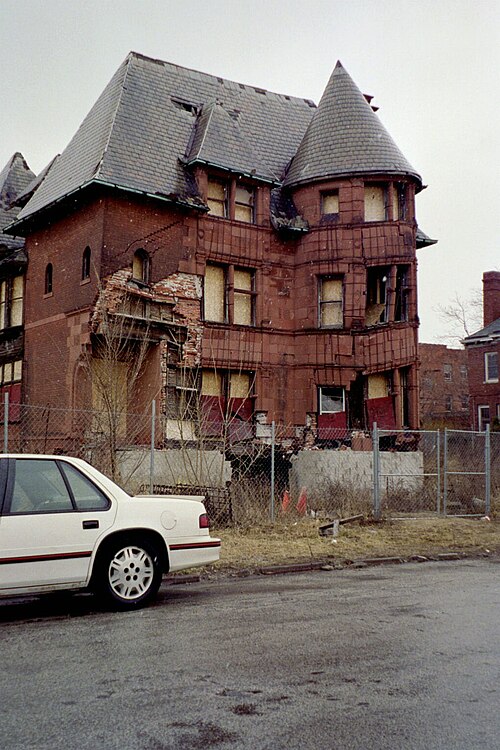
Livingstone House, locally called Nyumba ya Livingstone, is a historic building on the northern approach to Zanzibar City. During the nineteenth century it served as both a palace and a mission house.
Nakupenda Sandbank is a slender, shifting sandbar located off the coast of Zanzibar City, near Stone Town. It emerges from the Indian Ocean at low tide, creating a temporary island of pure white sand surrounded by turquoise water.
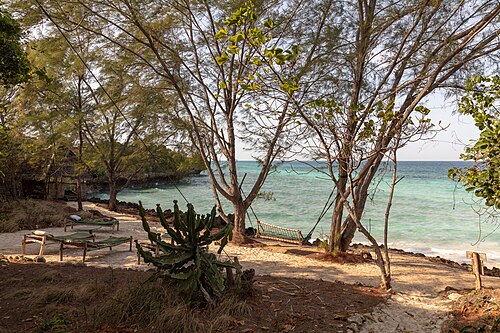
Chumbe Island Coral Park is a private marine protected area and nature reserve located off the coast of Zanzibar City. It encompasses a coral rag forest and surrounding coral reef ecosystem.
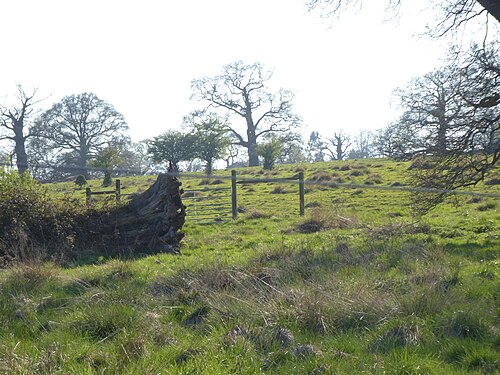
Forest
Masingini Forest is a green natural area within Zanzibar City, offering a change of rhythm from Stone Town’s dense historic streets. The mapped site represents forested urban landscape rather than a conventional museum or monument.
Kizimbani Spice Farms is a working agricultural area near Zanzibar City where visitors observe cultivation of cloves, nutmeg, cinnamon, vanilla, and other aromatic crops.
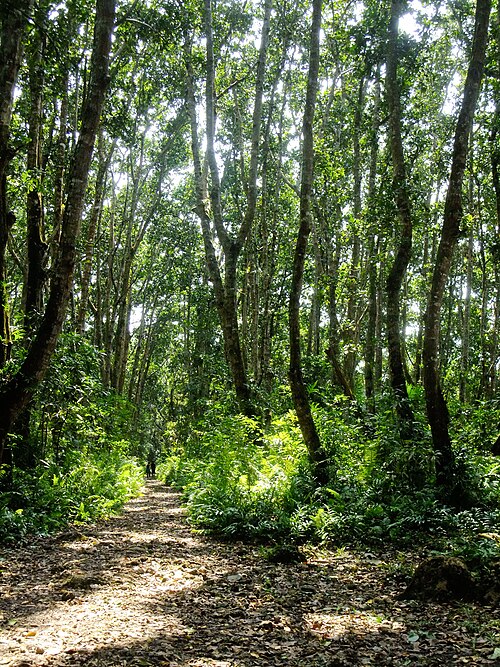
Jozani Chwaka Bay National Park is a protected area on Unguja, the main island of the Zanzibar archipelago. It encompasses Jozani Forest, the largest remaining tract of indigenous forest on the island, alongside mangrove ecosystems and coastal waters.
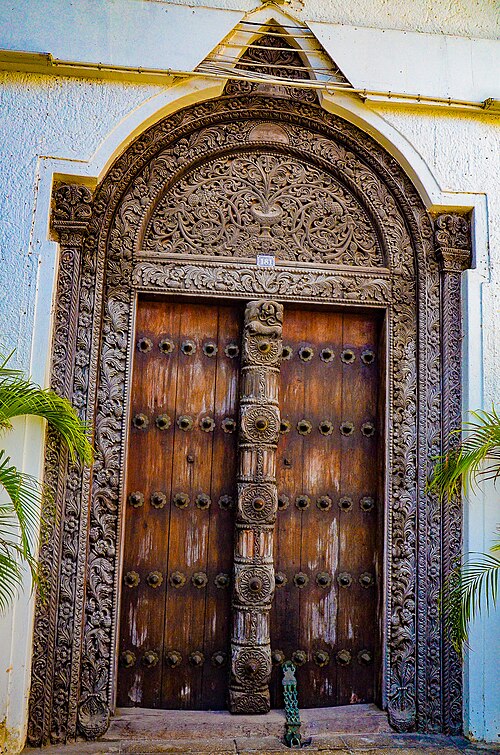
Princess Salme Museum is a small heritage museum inside Emerson on Hurumzi, a historic hotel in Stone Town. It focuses on Sayyida Salme, a nineteenth-century Zanzibari princess whose memoirs offer an unusual woman’s perspective on royal life.
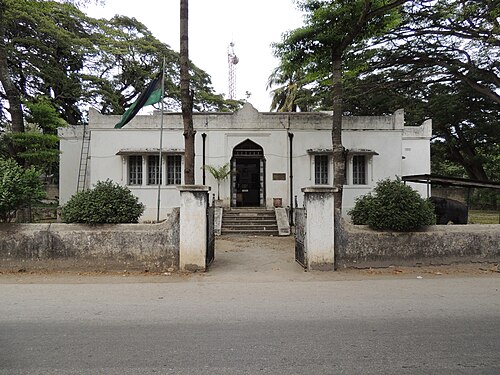
Zanzibar Natural History Museum occupies Beit el-Amani in Stone Town, the historic centre of Zanzibar City. The building’s name means House of Peace, and its architecture forms part of the quarter’s distinctive Swahili coastal heritage.
Dhow Countries Music Academy, commonly called DCMA Zanzibar, is a music institution in Zanzibar City devoted to the musical traditions of the dhow countries around the western Indian Ocean.
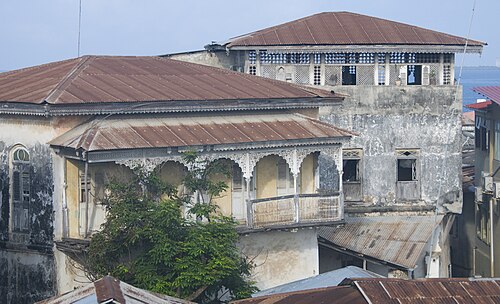
Tippu Tip's House is the historic residence of Hamed bin Mohammed al-Murjebi, the notorious nineteenth-century Zanzibari merchant whose trading empire spanned Central and East Africa.
East Africa Slave Trade Exhibition is a heritage centre at the former Slave Market Site beside Christ Church Anglican Cathedral on Mkunazini Road in Stone Town, Zanzibar City.
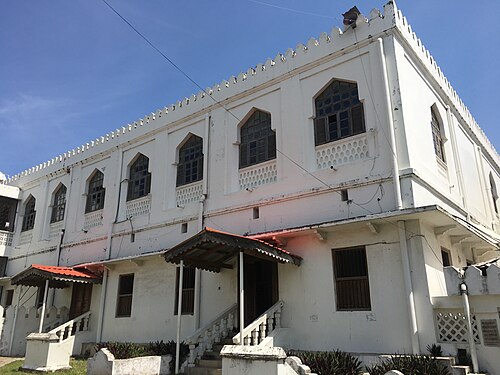
Ijumaa Mosque, also known as the Friday Mosque, is a living religious landmark in Stone Town, the historic heart of Zanzibar City.
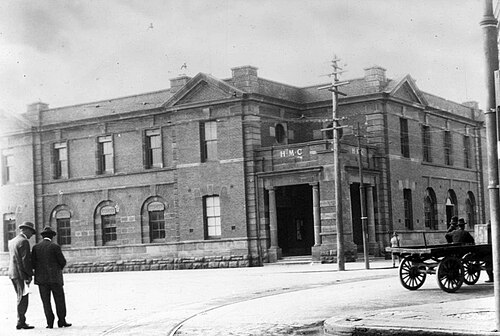
Old Customs House, known locally as Forodha ya Zamani, stands on the harbourfront of Stone Town in Zanzibar City.
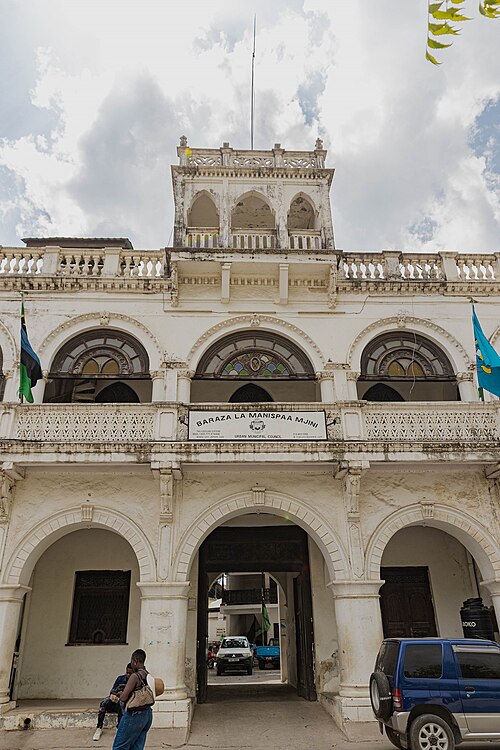
Bharmal Building is a historic structure on Stone Town’s reclaimed civic edge in Zanzibar City. Its architecture belongs to the layered urban character created by Swahili, Arab, Indian and European influences.
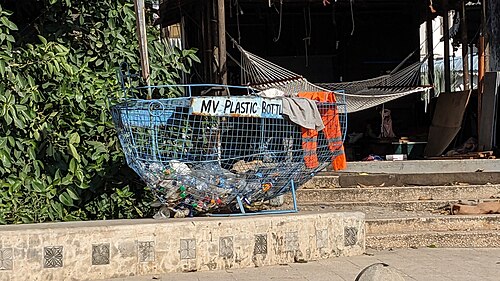
Ng'ambo is the larger, modern half of Zanzibar City, located across the creek from the historic Stone Town. Its name means 'the other side' in Swahili, reflecting the historical social and physical division of the city.

The Michenzani Apartment Blocks are a monumental housing ensemble in Zanzibar City, constructed with East German assistance following the 1964 Zanzibar Revolution.
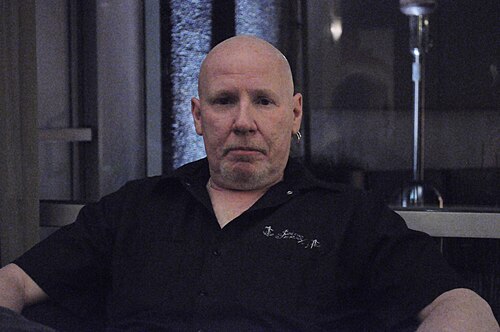
Cheetah’s Rock is a wildlife rescue and education centre north of Zanzibar City. It combines conservation-focused care with guided animal encounters, giving travelers a structured way to learn about rescued wildlife.
Kisiwa cha Bawe
Bawe Island, known locally as Kisiwa cha Bawe, is a small island lying west of Stone Town in the Zanzibar Archipelago. It sits within the Menai Bay Conservation Area and offers coral reef environments and sandy beach areas.
Kisiwa cha Chapwani
Chapwani Island is a small island located near Zanzibar harbour, offering a compact natural and historical destination within reach of Zanzibar City.
Hifadhi ya Ghuba ya Menai
Menai Bay Conservation Area is a protected marine zone on the southwest coast of Unguja, the main island of the Zanzibar archipelago.
Kisiwa cha Kwale
Kwale Island, known locally as Kisiwa cha Kwale, is a wooded island situated in Menai Bay southwest of Zanzibar City. It forms a central stop on excursion itineraries operating from the city into the protected marine area.
Source: OpenStreetMap contributors, Wikidata ·
Ten to fourteen days lets a first Tanzania itinerary combine one safari circuit with Zanzibar without turning every dawn into a transfer. Use Arusha for the northern parks or Dar es Salaam for the coast and southern routes; adding both safari circuits usually calls for a longer trip.
Tanzania Immigration, rather than a tour operator, should decide whether your passport needs an eVisa or another entry permission. Check the official portal for the permitted stay and required documents before buying inflexible flights, then recheck it before departure because nationality and purpose change the answer.
Long distances make transport choice part of the itinerary: scheduled or safari flights link remote park regions, road transfers join lodges within a circuit, and ferries serve Zanzibar. Confirm the named airstrip or port and its baggage rules, because a Dar es Salaam, Kilimanjaro or Zanzibar connection is not interchangeable.
June through October suits many dry-season safari routes, while January and February can also work well in the north; Zanzibar and the southern parks follow their own rainfall patterns. Choose dates around the safari circuit or island stay that matters most instead of applying one weather label to the whole country.
The Tanzanian shilling is the recorded currency. Cards may work at larger hotels, but park-route stops, small vendors and remote services can require cash; obtain it through a bank or authorised exchange and confirm whether lodge, transfer and conservation charges are quoted in TZS or another currency.
Keep 112 saved for emergencies, and pack for Type D and G sockets at 230 V. This dataset has no verified nationwide tap-water statement, so water safety is Not recorded; ask the accommodation or responsible local authority at each stop, especially on safari and island legs.